
Vegetarian cooking has become more popular and creative than ever before. You can now find meatless dishes that are just as filling and tasty as traditional meals with meat.
These 21 vegetarian recipes will give you everything from quick weeknight dinners to impressive weekend meals that satisfy any appetite.
Whether you want to try new plant-based versions of classic comfort foods or explore bold flavors from around the world, vegetarian cooking offers endless options. You’ll discover recipes that use simple ingredients like vegetables, grains, and legumes to create meals that are both nutritious and delicious.
From creamy pasta dishes to spicy curries and hearty chilis, these recipes prove that meatless meals can be just as satisfying as any dish.
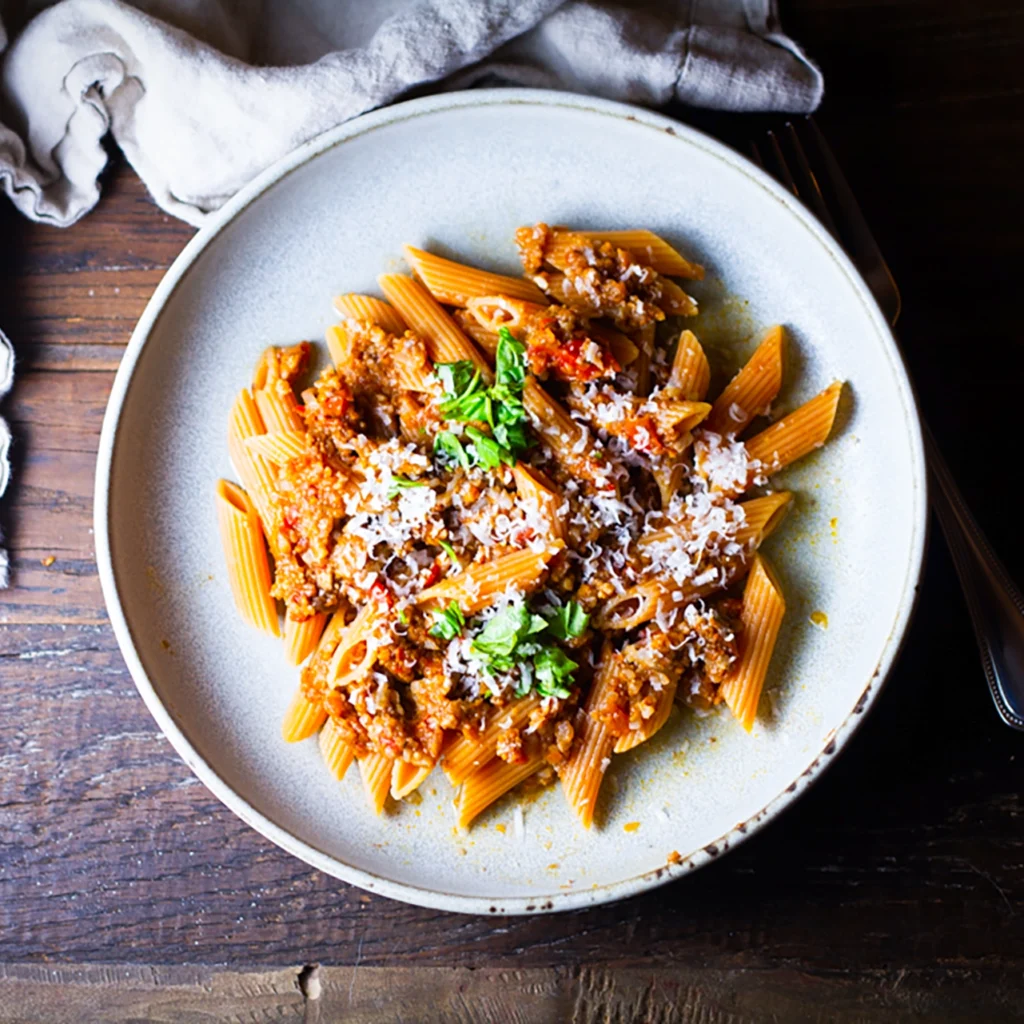
1. Cauliflower Bolognese
You can make a rich pasta sauce without meat using cauliflower. This vegetarian dish tastes hearty and filling.
Chop cauliflower into small pieces that look like ground meat. Cook it with onions, carrots, and celery in tomato sauce.
Add mushrooms or lentils for extra protein if you like. The sauce works well with any pasta shape.
The cauliflower creates a meaty texture that makes the dish feel complete.

2. Spicy Mushroom Larb
This plant-based version of the classic Thai and Laotian meat salad swaps ground meat for mushrooms. You get all the bold flavors without any animal products.
Cook your mushrooms until they turn golden brown and crispy. Let them cook undisturbed for the best texture.
Mix the cooked mushrooms with fresh herbs like cilantro, mint, and basil. A punchy dressing with lime juice makes it tangy and bright.
Serve your larb over lettuce leaves or with sticky rice.

3. Braised Tofu with Garlic Sauce
This dish transforms plain tofu into a flavorful meal. Pan-fry tofu pieces until they turn golden and crispy on the outside.
Combine soy sauce, fresh garlic, and ginger for the garlic sauce. These ingredients create a savory base that soaks into the tofu as it cooks.
Simmer the crispy tofu in the sauce for about 20 minutes. The tofu absorbs all the flavors while staying tender inside.
Serve your braised tofu over rice or noodles.

4. Vegan Hummus Bowl
You can create a filling meal with just a few simple ingredients. Start with creamy hummus as your base in a shallow bowl.
Add fresh vegetables like cucumbers, tomatoes, and scallions on top. Include roasted vegetables for extra flavor and nutrients.
This bowl works great for lunch or dinner. Customize it with quinoa, fresh herbs, or a drizzle of olive oil.

5. 15-Minute Mac and Cheese
You can make creamy mac and cheese in just 15 minutes on your stovetop. This quick recipe works perfectly for busy weeknights.
Add vegetables like cauliflower or broccoli to boost nutrition. The veggies blend into the cheese sauce and make the dish more filling.
You only need one pot for this recipe. Cook your pasta, make the cheese sauce, and combine everything in the same pan.

6. Quinoa Stuffed Bell Peppers
You can create a colorful and healthy meal with quinoa stuffed bell peppers. This dish combines protein-rich quinoa with fresh vegetables inside tender bell peppers.
Each serving provides about 12 grams of protein. Customize the filling with different vegetables and spices.
Bake the stuffed peppers in the oven until they’re tender and heated through.
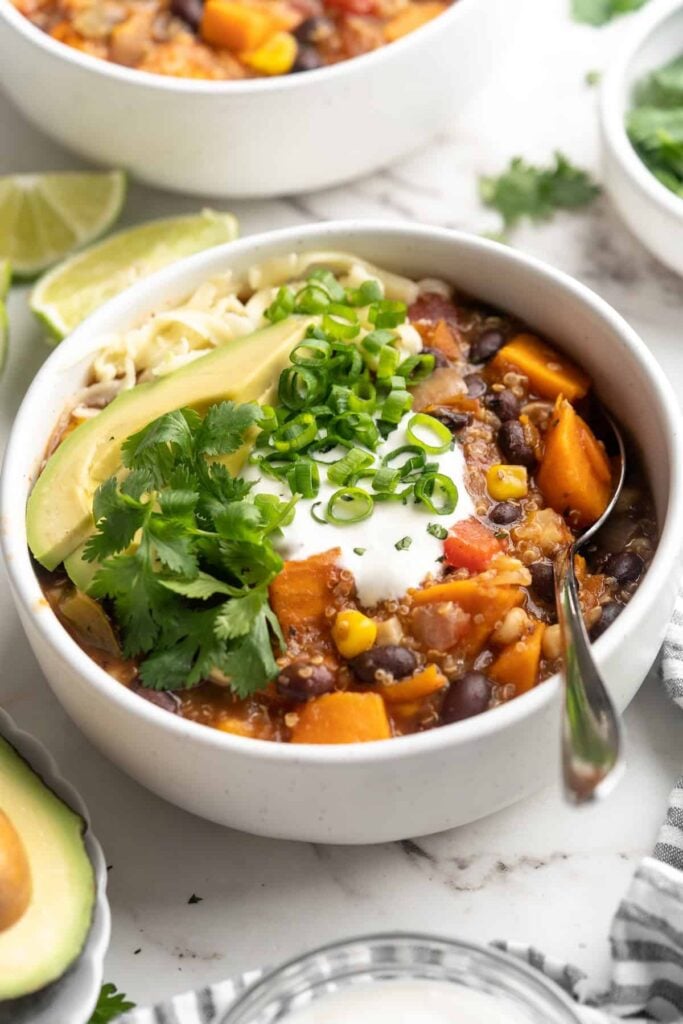
7. Sweet Potato and Black Bean Chili
This hearty vegetarian chili combines sweet potatoes with black beans for a filling meal. Make it in one pot in about 30 minutes.
The dish uses common spices like cumin, chili powder, and garlic. These create bold flavors that work well together.
Sweet potatoes add natural sweetness and fiber. Black beans provide protein.
You can serve this chili year-round. It’s vegan and gluten-free.

8. Chickpea and Spinach Curry
This curry combines protein-rich chickpeas with nutritious spinach in a flavorful sauce. Make it in just 25-30 minutes using simple ingredients.
The dish works well as a main course or side dish. It’s naturally vegan and gluten-free.
You’ll get important nutrients like iron, calcium, and vitamins A and C. Common spices and coconut milk add creaminess.
Serve it with rice or naan bread.

9. Roasted Vegetable Lasagna
Roasted vegetable lasagna offers a hearty alternative to traditional meat versions. Layer roasted zucchini, bell peppers, and spinach with creamy ricotta and marinara sauce.
Roast the vegetables first to remove excess moisture and add deeper flavors. This prevents watery lasagna.
Use three types of cheese for extra richness: ricotta, mozzarella, and Parmesan.

10. Zucchini Noodle Pad Thai
You can enjoy the bold flavors of pad thai without the heavy carbs. This dish uses spiralized zucchini instead of rice noodles.
The recipe takes about 30 minutes to make. You get all the classic pad thai taste with vegetables, lime, and peanuts.
Zucchini noodles make this meal low-carb and packed with nutrients. The tangy sauce combines perfectly with fresh vegetables and crunchy toppings.
You can add tofu or eggs for extra protein.

11. Lentil Shepherd’s Pie
This vegetarian twist on the classic dish uses lentils instead of meat. You get the same hearty comfort food taste without any animal products.
Combine tender lentils with vegetables like onions and mushrooms for the filling. These ingredients create rich, savory flavors.
Spread creamy mashed potatoes on top of the lentil mixture. Bake until the potatoes turn golden brown.

12. Eggplant Parmesan
Eggplant parmesan is a classic vegetarian dish that transforms this purple vegetable into something special. Layer sliced eggplant with tomato sauce and cheese.
The eggplant gets golden and fluffy when cooked properly. Use mozzarella and parmesan cheese for the best flavor.
Serve it with pasta or a simple salad on the side.

13. Cauliflower Tacos with Avocado Crema
These vegetarian tacos pack bold Mexican flavors into every bite. Roast cauliflower with spices like cumin, chili powder, and garlic powder.
Roast the cauliflower at 425°F for about 20-25 minutes. While it cooks, blend avocado with lime juice and herbs for the creamy sauce.
Fill warm tortillas with the spiced cauliflower and top with the smooth avocado crema. Add purple cabbage slaw and cilantro for extra crunch and freshness.

14. Mushroom Stroganoff
Mushroom stroganoff offers all the comfort of the classic dish without meat. You get rich, creamy flavors from mushrooms, sour cream, and savory broth.
This vegetarian meal takes about 30 minutes to make. Use portobello or baby bella mushrooms for the best texture.
Serve with egg noodles or pasta. Make it vegan by using Greek yogurt instead of sour cream.

15. Butternut Squash Risotto
This creamy vegetarian dish brings perfect fall comfort to your dinner table. The sweet, nutty butternut squash pairs with rich arborio rice.
Slowly add warm broth while stirring the rice until it becomes creamy and tender. The cooking process is simple and relaxing.
Make this recipe vegan by using vegetable broth and skipping the cheese. The butternut squash provides natural sweetness and a beautiful golden color.

16. Mediterranean Farro Salad
This hearty grain salad combines nutty farro with fresh Mediterranean flavors. Serve it warm or cold as a main dish or side.
Farro is an ancient grain similar to barley. It adds protein, fiber, and a satisfying chewy texture.
Mix cooked farro with cucumbers, tomatoes, and herbs like mint or parsley. Add chickpeas or lentils for extra protein.
A simple lemon vinaigrette ties everything together.

17. Garlic Butter Pasta with Broccoli
This simple pasta dish combines tender broccoli with rich garlic butter sauce. Make it in just 25 minutes using basic ingredients.
Cook your pasta and fresh broccoli together in one pot. This saves time and makes cleanup easier.
Melt butter in a pan and cook minced garlic until it smells good. Toss the cooked pasta and broccoli with the garlic butter.
Add grated Parmesan cheese and a squeeze of lemon juice.

18. Buffalo Cauliflower Bites
Buffalo cauliflower bites are the perfect vegetarian swap for chicken wings. You get all the spicy, tangy flavor without any meat.
Coat cauliflower florets in batter and bake them until golden. Toss the cooked cauliflower in buffalo sauce.
Serve them as an appetizer or snack. They work great for game day parties or casual dinners.

19. Vegetarian Pho
Vegetarian pho brings all the comfort of traditional Vietnamese noodle soup without meat. Make this healthy dish with a rich vegetable broth and fresh herbs.
Build flavor with spices like star anise and cinnamon. Add shiitake mushrooms for extra depth and texture.
You’ll need rice noodles, fresh herbs like cilantro and basil, and bean sprouts. Tofu makes a great protein addition.
This soup is naturally gluten-free and vegan-friendly.

20. Jackfruit Pulled ‘Pork’ Sandwich
You can make this vegan sandwich in just 15-30 minutes. Jackfruit has a stringy texture that looks like pulled pork.
Use canned young jackfruit in water or brine. Drain and shred it with a fork.
Cook the jackfruit with BBQ sauce and spices. The fruit soaks up flavors well.
Serve on buns with coleslaw and extra BBQ sauce.

21. Vegetable Stir-Fry with Peanut Sauce
This colorful dish brings together fresh vegetables in a creamy peanut sauce. You can have dinner ready in under 30 minutes.
Use any vegetables you have on hand. Bell peppers, broccoli, carrots, and snap peas work well.
Cook them quickly over high heat to keep them crisp. The peanut sauce combines peanut butter with soy sauce and garlic.
Serve over rice or noodles. Add tofu for extra protein if you want.
Benefits of Vegetarian Meals
Vegetarian meals offer proven health benefits through increased fiber, vitamins, and plant-based proteins. They also reduce saturated fat intake.
These meals support environmental sustainability by lowering carbon emissions and water usage compared to meat-based dishes.
Nutritional Advantages
Plant-based meals naturally provide higher amounts of fiber, vitamins, and minerals. You get more vitamin C, folate, and potassium from vegetables and fruits than most meat dishes offer.
Vegetarian proteins like beans, lentils, and quinoa contain essential amino acids your body needs. These foods also have less saturated fat than red meat and poultry.
Key nutrients in vegetarian meals:
- Fiber: 25-35 grams daily from beans and whole grains
- Antioxidants: Found in colorful vegetables and berries
- Iron: Available in spinach, lentils, and fortified cereals
- Protein: 15-20 grams per cup of cooked beans
Studies show vegetarian diets can lower blood pressure and cholesterol levels. Your heart health improves when you eat fewer processed meats and more plant foods.
Environmental Impact
Vegetarian meals use significantly less water and land than meat production requires. Growing vegetables and grains creates fewer greenhouse gas emissions than raising livestock.
Beef production uses about 1,800 gallons of water per pound of meat. Growing the same amount of vegetables needs only 39 gallons of water.
Plant-based agriculture produces 75% fewer carbon emissions than cattle farming. You reduce your carbon footprint by choosing vegetarian meals just two days per week.
Environmental savings per vegetarian meal:
- Water usage: 50-80% less than meat meals
- Land use: 60% less agricultural space needed
- Carbon emissions: 30-50% reduction per serving
Promoting Healthy Eating Habits
Vegetarian cooking encourages you to try new vegetables and cooking methods. You learn to use herbs, spices, and different preparation techniques that add variety to your diet.
These meals typically contain more whole foods and fewer processed ingredients. You avoid additives and preservatives commonly found in packaged meat products.
Preparing vegetarian dishes helps you understand nutrition labels better. You become more aware of protein sources, vitamin content, and ingredient quality in your food choices.
Regular vegetarian meals can reduce cravings for high-fat, processed foods. Your taste preferences shift toward fresher flavors and lighter textures over time.
Tips for Cooking Delicious Vegetarian Recipes
Build bold flavors through spice combinations and umami-rich ingredients. Add protein sources like lentils and tofu to keep meals filling.
A well-stocked pantry makes preparation faster.
Balancing Flavors and Textures
Layer your flavors by using multiple cooking methods in one dish. Roast vegetables for sweetness, then add fresh herbs for brightness.
Build umami with ingredients like mushrooms, soy sauce, and nutritional yeast. These create the savory depth that makes vegetarian meals satisfying.
Mix textures to keep dishes interesting:
- Crunchy: Toasted nuts, seeds, or breadcrumbs
- Creamy: Avocado, tahini, or coconut milk
- Chewy: Grains like farro or barley
Season in stages during cooking. Add salt early to draw out flavors from vegetables.
Finish with acid like lemon juice or vinegar to brighten everything up.
Use fresh and dried herbs together. Add fresh herbs at the end to keep their bright flavor.
Cook dried herbs early to release deeper flavors.
Incorporating Plant-Based Proteins
Legumes are your best protein source. Lentils cook quickly and absorb flavors well.
Black beans and chickpeas add heartiness to salads and soups.
Tofu and tempeh work differently in recipes. Press tofu to remove water before cooking.
Tempeh has a nutty flavor and firmer texture.
Try these protein combinations:
- Quinoa + black beans = complete protein
- Rice + lentils = filling base for curries
- Nuts + seeds = protein boost for salads
Eggs add richness to vegetarian meals. Scrambled eggs work in grain bowls.
Hard-boiled eggs top salads nicely.
Greek yogurt provides protein in breakfast bowls and smoothies. It also makes creamy dressings and marinades.
Cook legumes in broth instead of water for better flavor. Add bay leaves or garlic while cooking.
Stocking a Vegetarian Pantry
Keep these grains on hand for quick meals:
- Quinoa (cooks in 15 minutes)
- Brown rice (makes large batches)
- Pasta (always reliable)
Essential canned goods save time:
- Black beans, chickpeas, and lentils
- Diced tomatoes and tomato paste
- Coconut milk for curries
Flavor boosters make simple ingredients taste great:
- Spices: Cumin, paprika, garlic powder
- Condiments: Soy sauce, hot sauce, tahini
- Vinegars: Balsamic, apple cider, rice vinegar
Store nuts and seeds in the freezer to keep them fresh longer. They add protein and crunch to any dish.
Frozen vegetables work well in stir-fries and soups. Keep spinach, peas, and mixed vegetables ready.
Buy dried herbs and spices in small amounts. They lose flavor after six months.
Frequently Asked Questions
Many people have questions about making vegetarian meals that taste good and provide proper nutrition. These answers cover protein sources, beginner recipes, meal prep tips, balanced nutrition, quick dinners, and kid-friendly options.
What are some nutritious vegetarian recipes that are high in protein?
Braised Tofu with Garlic Sauce gives you about 15-20 grams of protein per serving. The tofu absorbs flavors well and provides complete protein with all essential amino acids.
Vegan Hummus Bowls pack protein from chickpeas, tahini, and seeds. You can add quinoa or hemp hearts for extra protein.
Each bowl delivers 12-18 grams of protein.
Lentil-based dishes like dal or lentil soup offer 15-18 grams of protein per cup. Red lentils cook fast and blend well into sauces and curries.
Bean and legume dishes work great for protein. Black bean tacos, white bean pasta, and chickpea curry all provide 10-15 grams of protein per serving.
Can you suggest easy-to-make vegetarian meals for beginners?
15-Minute Mac and Cheese uses simple ingredients you likely have at home. You just need pasta, cheese, milk, and butter.
No complex techniques required.
Vegan Hummus Bowls need no cooking at all. Just arrange hummus, fresh vegetables, and grains in a bowl.
Add olive oil and lemon juice to finish.
Pasta dishes make great starter meals. Try spaghetti with marinara sauce, olive oil, and parmesan cheese.
Add frozen vegetables for extra nutrition.
Stir-fries work well for beginners too. Heat oil in a pan, add vegetables and sauce, then serve over rice.
The whole meal takes about 15 minutes.
Which vegetarian recipes are best suited for meal prepping and freezing?
Cauliflower Bolognese freezes well for up to three months. Make a big batch and freeze in portion sizes.
The sauce thickens nicely when reheated.
Bean-based soups and stews freeze perfectly. Lentil soup, black bean chili, and vegetable stew all taste great after freezing and reheating.
Cooked grains like quinoa and brown rice store well in the fridge for five days. Cook big batches on Sunday for easy meals all week.
Veggie burgers and meatballs freeze well individually. Shape them, freeze on a tray, then store in bags.
Cook from frozen when needed.
How can I create a balanced vegetarian meal plan that includes all essential nutrients?
Include protein at every meal through beans, lentils, tofu, nuts, or dairy products. Aim for 15-25 grams of protein per main meal.
Add iron-rich foods like spinach, lentils, and fortified cereals. Eat them with vitamin C foods like tomatoes or citrus fruits to help your body absorb iron better.
Get enough B12 through fortified foods or supplements. Nutritional yeast, fortified plant milk, and B12 supplements work well for vegetarians.
Include healthy fats from nuts, seeds, avocados, and olive oil. These help you absorb fat-soluble vitamins and keep you full longer.
What are some quick vegetarian dinner ideas for a busy weekday?
15-Minute Mac and Cheese takes almost no time to make. Use pre-shredded cheese and cook pasta while making the sauce to save time.
Spicy Mushroom Larb cooks in under 20 minutes. Mushrooms cook quickly and absorb Asian flavors well.
Serve with lettuce cups or rice.
Quesadillas with cheese and beans take just 10 minutes. Heat in a pan until crispy and serve with salsa and avocado.
Fried rice using leftover rice works great for busy nights. Add frozen vegetables, scrambled eggs, and soy sauce.
The whole meal takes 15 minutes.
Could you recommend some vegetarian recipes that are kid-friendly and appealing to picky eaters?
15-Minute Mac and Cheese appeals to most kids. The creamy cheese sauce covers the pasta completely.
Hidden vegetable pasta sauces work well for picky eaters. Blend carrots, zucchini, or cauliflower into tomato sauce.
Kids often cannot taste the vegetables.
Cheese quesadillas make great kid meals. Most children like melted cheese.
You can hide mild vegetables like spinach inside.
Mini pizzas on English muffins let kids choose their own toppings. Start with cheese and let them add vegetables they like.