
French breakfast culture offers a rich collection of pastries, breads, and warm dishes that turn morning meals into special moments. From flaky croissants fresh from the bakery to savory galettes filled with eggs and cheese, French breakfast foods combine simple ingredients with careful preparation techniques.
These classic French breakfast items range from sweet pastries like pain au chocolat and madeleines to hearty options such as quiche and croque-monsieur. You have many ways to start your day.
Whether you want to recreate authentic French flavors at home or learn about traditional morning foods from France, understanding these breakfast staples helps you appreciate the country’s approach to the most important meal of the day.
1. Croissant
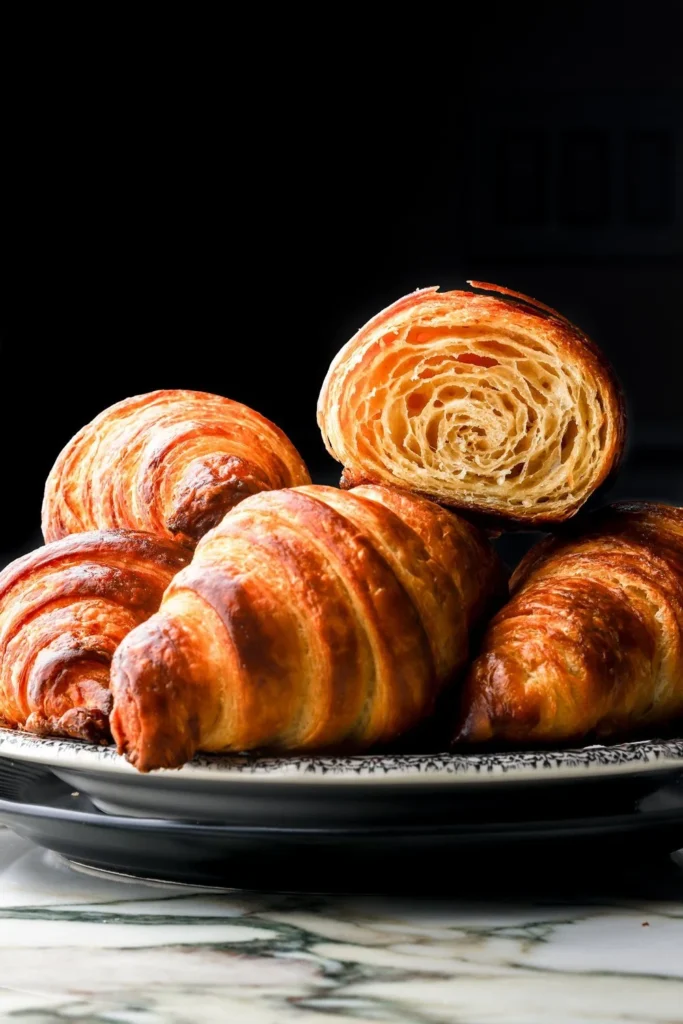
The croissant is France’s most famous breakfast pastry. You’ll find this buttery treat in every French bakery and café.
A good croissant has golden, flaky layers on the outside. The inside should be tender and airy with a rich butter flavor.
French bakers make croissants fresh each morning. They fold the dough many times with butter to create those perfect layers.
You can eat croissants plain or filled with chocolate or almonds. They pair well with coffee or café au lait for a classic French breakfast.

2. Pain au Chocolat
Pain au chocolat is one of France’s most beloved breakfast pastries. You’ll find this flaky treat in bakeries across the country every morning.
The pastry features buttery, layered dough wrapped around rich dark chocolate. When baked, the layers become crispy on the outside and tender inside.
You can enjoy pain au chocolat warm from the oven with your morning coffee. The chocolate melts slightly, creating the perfect balance of textures and flavors.

3. Brioche
Brioche is a rich, fluffy bread made with lots of eggs and butter. This creates a soft texture that feels light and pillowy in your mouth.
French bakeries serve brioche as a breakfast staple. You can eat it plain or use it to make French toast.
The best brioche is “Brioche pur Beurre,” which means pure butter brioche in French. This version has extra butter for a richer taste.
You should eat brioche fresh on the day it’s made for the best flavor and texture.

4. Chausson aux Pommes
You’ll find these French apple turnovers at bakeries across France. They’re made with flaky pastry dough wrapped around sweet apple filling.
These pastries have been popular since the 1600s. You can eat them warm for breakfast or as an afternoon snack.
The buttery dough pairs perfectly with the soft cooked apples inside. Many French people consider them a test of how good a bakery really is.
You’ll often see them displayed in bakery windows alongside croissants and other morning pastries.

5. Madeleine
Madeleines are small sponge cakes with a distinctive shell shape. You’ll recognize them by their scalloped edges and bump on one side.
These delicate French treats have a light, airy texture. They taste subtly sweet with hints of lemon or vanilla.
You can enjoy madeleines with your morning coffee or tea. They’re perfect for dipping into hot beverages.
Traditional madeleines come from the Lorraine region of France. You’ll find them in bakeries across the country as a breakfast staple.

6. Crêpes
Crêpes are thin, delicate pancakes that French families enjoy for breakfast. You can make them sweet or savory depending on your taste.
These light pancakes have a lacy texture that makes them perfect for rolling or folding. You can fill sweet crêpes with chocolate, fruit, or whipped cream.
For savory options, you can add cheese, ham, or eggs. The batter is simple and uses basic ingredients like flour, milk, and eggs.

7. Tartine with Butter and Jam
A tartine is France’s simple breakfast classic. You take a fresh baguette slice and spread it with high-quality French butter.
Then you add your favorite jam on top. Popular choices include apricot, strawberry, or fig jam.
Many French people eat this open-faced sandwich every morning. The key is using the best ingredients you can find.
You slice the baguette lengthwise to create a perfect base. The butter should be creamy and the jam should be flavorful.

8. Café au Lait
You cannot have a complete French breakfast without café au lait. This classic coffee drink uses equal parts hot coffee and steamed milk.
The name means “coffee with milk” in French. You can add sugar or honey to reduce any bitter taste.
Many French people drink café au lait from large bowls rather than small cups. This lets you dip your croissant or bread right into the warm drink.
You can make it at home by brewing strong coffee and heating milk on the stove.

9. Baguette with Butter and Honey
You can make a simple French breakfast with fresh baguette, butter, and honey. This combination is popular in French homes.
The crusty outside and soft inside of the baguette work well with creamy butter. The honey adds natural sweetness.
You slice the baguette and spread butter on each piece. Then drizzle honey on top or dip the bread into honey.
This breakfast is easy to make and uses quality ingredients that French people love.

10. Galette Complète
You’ll find this savory buckwheat crepe throughout France, especially in Brittany. The galette uses buckwheat flour instead of regular flour, making it gluten-free.
A traditional galette complète contains three simple ingredients: ham, cheese, and a fried egg. The egg yolk stays runny and creates a rich sauce when you cut into it.
You can eat this dish for breakfast, brunch, or lunch. The buckwheat gives it an earthy, nutty flavor that pairs perfectly with the salty ham and melted cheese.

11. Pain aux Raisins
Pain aux raisins is a sweet French pastry you’ll find in bakeries across France. This spiral-shaped treat features flaky pastry dough rolled with raisins and pastry cream.
The pastry has a snail-like spiral shape that makes it easy to recognize. You can enjoy it as part of your morning breakfast alongside coffee.
Pain aux raisins belongs to the viennoiserie family of French pastries. The raisins give it a natural sweetness while the pastry cream adds richness.

12. Financiers
Financiers are small French cakes shaped like gold bars. They get their name from their traditional rectangular form that looks like gold ingots.
These delicate treats are made with almond flour, butter, and egg whites. The batter creates a light, moist texture with a slightly crispy exterior.
You’ll find financiers in most French bakeries and cafés. They make a perfect accompaniment to your morning coffee or tea.
The cakes have a subtle almond flavor that isn’t too sweet for breakfast.

13. Beignets
Beignets are soft, fried doughnuts that make a perfect French breakfast treat. You’ll find these pillowy pastries dusted with powdered sugar.
These square-shaped treats are made from yeast dough and fried until golden brown. The outside becomes crispy while the inside stays light and fluffy.
You can enjoy beignets warm from the fryer for the best taste. They pair well with coffee or café au lait for an authentic French morning experience.

14. Clafoutis
Clafoutis is a classic French dessert that doubles as a breakfast dish. This rustic treat has a custard-like texture with bursts of fresh fruit baked right in.
You’ll find it traditionally made with cherries during summer season. The batter is simple and similar to pancake mix, creating a creamy base around the fruit.
You can make it with various fruits beyond cherries, like berries or stone fruits. The preparation is straightforward, making it perfect for home cooks of any skill level.
15. Quiche Lorraine
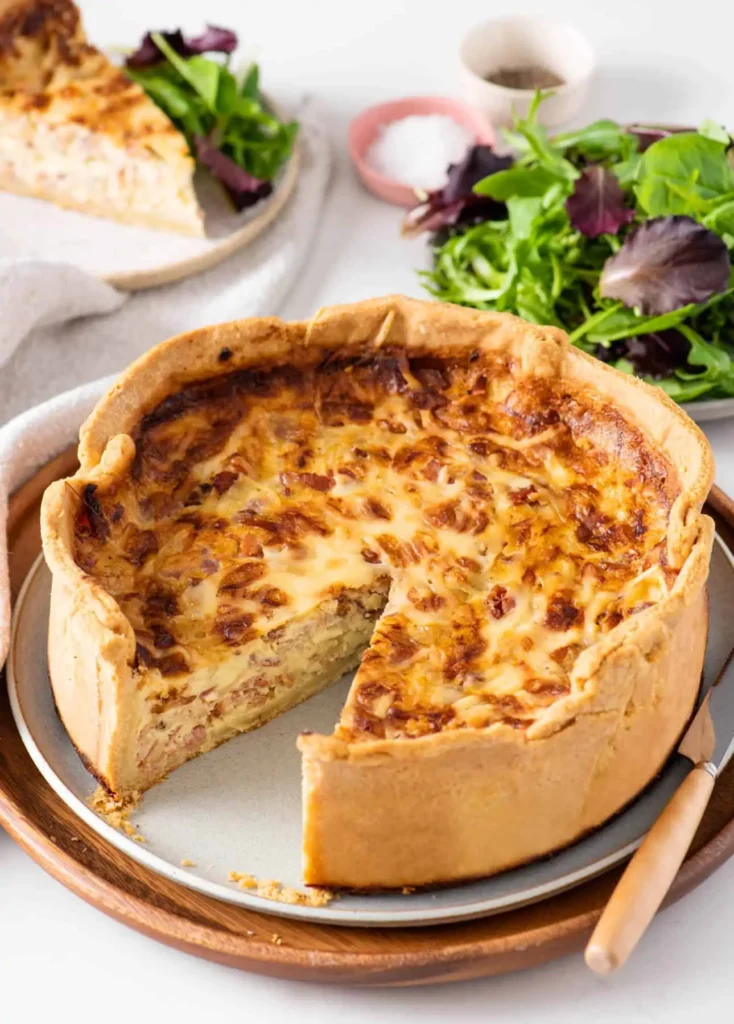
Quiche Lorraine is a classic French tart from the Alsace-Lorraine region. You’ll find it served at breakfast, brunch, or lunch across France.
This dish features a flaky pastry crust filled with eggs, cream, and crispy bacon. Traditional versions use Gruyère cheese and shallots or onions.
The custard filling makes it creamy and rich. You can eat it warm or at room temperature.
Many French cafés serve quiche Lorraine as a popular morning option. It pairs well with coffee or fresh fruit.

16. French Toast (Pain Perdu)
Pain Perdu is the original French toast that transforms day-old bread into a delicious breakfast. The name means “lost bread” because it saves stale bread from being wasted.
You soak thick slices of bread in a custard mixture made with eggs and milk. Then you cook them until golden brown and crispy outside.
You can use baguettes, brioche, or other rustic breads for this classic French dish.

17. Kouign-Amann
Kouign-amann is a buttery French pastry from Brittany. You’ll find layers of flaky dough mixed with butter and sugar.
The pastry gets baked until the outside turns golden and caramelized. This creates a crunchy crust with a soft inside.
You can eat kouign-amann for breakfast or as an afternoon snack. The pastry has a rich, sweet taste from all the butter and caramelized sugar.
Many bakeries now make individual portions in muffin tins. This makes them easier to serve and eat.

18. Canelé
Canelé is a small French pastry from Bordeaux. You’ll find it has a dark, caramelized crust on the outside.
The inside is soft and custard-like. It tastes like vanilla and rum mixed together.
These pastries are made with eggs, butter, flour, sugar, and rum. The traditional recipe uses beeswax to coat the molds.
You can think of canelé as a handheld version of crème brûlée. The contrast between the crunchy outside and creamy center makes it special.

19. Oeufs en Cocotte
These French baked eggs offer simple elegance for your morning meal. You cook them gently in small ramekins with cream and your choice of toppings.
The eggs bake slowly in a water bath until they reach perfect softness. You can add ham, cheese, mushrooms, or fresh herbs to customize the dish.
This classic recipe takes under 20 minutes to prepare. Serve them immediately with crusty bread for dipping into the creamy mixture.

20. Croque-Monsieur
The Croque-Monsieur is France’s answer to the grilled ham and cheese sandwich. This classic breakfast dish takes simple ingredients and makes them special.
You’ll find ham and Gruyère cheese layered between slices of bread. The sandwich gets topped with béchamel sauce and more cheese before going under the broiler.
The result is a crispy, golden sandwich with melted cheese on top. The béchamel sauce adds richness that sets it apart from regular sandwiches.
Many French cafés serve this warm, satisfying breakfast alongside coffee or fresh juice.

21. Éclair
You’ll find éclairs in French bakeries as a popular morning treat. These oblong pastries are made from choux dough and filled with cream.
The chocolate-glazed version is most common for breakfast. You can also find vanilla or coffee cream fillings.
French families often enjoy éclairs with their morning coffee. The name means “flash of lightning” because people eat them so quickly.
You can buy fresh éclairs from any patisserie in France. They’re best eaten the same day they’re made.
Cultural Significance of French Breakfast Foods
French breakfast culture reflects the country’s deep values around quality ingredients, family time, and the rhythm of daily life. These morning traditions vary across regions while maintaining core principles of simplicity and elegance.
Role in French Daily Life
The French breakfast, called petit déjeuner, serves as more than just a meal. It represents a moment of calm before the day begins.
French families often gather around the breakfast table. This time together strengthens family bonds.
Parents and children share simple foods while planning their day.
Quality over quantity defines French breakfast philosophy. You won’t see large portions or heavy foods.
Instead, the focus stays on fresh ingredients prepared well.
French breakfast timing follows a specific pattern. Most families eat between 7-8 AM on weekdays.
Weekend breakfasts often extend longer, becoming more leisurely affairs.
The meal preparation involves minimal cooking. You’ll typically see bread, butter, jam, and coffee or tea.
This simplicity allows families to focus on conversation rather than food preparation.
Regional Breakfast Traditions
Different French regions bring unique touches to morning meals. Each area adds local specialties to the basic breakfast formula.
In Brittany, you’ll discover crêpes and galettes appearing at breakfast tables. Local butter and honey often accompany these thin pancakes.
Provence residents frequently include local fruits in their morning routine. Figs, melons, and berries from regional farms appear alongside traditional bread and coffee.
The Alsace region shows German influence in breakfast choices. You might find heartier breads and different pastry styles compared to other French areas.
Northern France tends toward simpler breakfasts. Bread with butter and jam remains the standard, with strong coffee as the preferred drink.
Mountain regions like the French Alps sometimes include cheese in breakfast meals. This addition provides extra energy for physical work or outdoor activities.
Tips for Enjoying a French-Style Breakfast at Home
Creating an authentic French breakfast requires fresh bakery items and the right beverage pairings. Focus on quality ingredients and simple preparation methods that highlight natural flavors.
Essential Ingredients and Preparation
Start with fresh bread from a local bakery rather than store-bought options. French breakfasts center around crusty baguettes and buttery croissants that taste best when purchased the morning you plan to eat them.
Keep your preparation simple. Slice baguettes and serve with high-quality butter, jam, or honey.
Warm croissants briefly in the oven at 300°F for 2-3 minutes to restore their flaky texture.
Key items to have ready:
- Fresh baguettes or croissants
- European-style butter
- Quality jam or preserves
- Honey
- Simple plates and small bowls
Avoid heavy cooking or complicated recipes. French breakfasts focus on enjoying quality ingredients in their natural state.
Pairing with French Beverages
Café au lait is the traditional morning drink in France. Make it by brewing strong coffee and adding an equal amount of hot milk.
Use a French press or espresso maker for the best flavor. Heat milk gently on the stove until steaming but not boiling.
Pour the hot milk and coffee simultaneously into a large bowl or wide cup.
Other authentic options include:
- Chocolat chaud (hot chocolate)
- Fresh orange juice
- Black coffee for adults
Serve beverages in larger cups or bowls rather than small American-style mugs. This allows you to dip your bread directly into the drink, which is common in French breakfast culture.
Frequently Asked Questions
French breakfast traditions center around buttery pastries like croissants and pain au chocolat paired with coffee drinks. Many people wonder about egg dishes, luxury items, and how to create authentic French morning meals.
What are some traditional French pastries enjoyed at breakfast?
Croissants are the most famous French breakfast pastry. These flaky, buttery treats are eaten plain or filled with chocolate or almond paste.
Pain au chocolat features puff pastry wrapped around dark chocolate sticks. You can find these at every French bakery in the morning.
Brioche is a sweet, egg-rich bread that tastes almost like cake. French people often eat it with butter and jam.
Chausson aux pommes are apple turnovers made with puff pastry. The filling contains spiced apples and creates a warm, comforting breakfast.
Madeleines are small sponge cakes shaped like shells. These delicate treats pair well with coffee or hot chocolate.
Can you recommend popular egg-based dishes typically served for breakfast in France?
French people rarely eat eggs for breakfast at home. Traditional French breakfast focuses on pastries and bread instead of eggs.
Eggs are more common at French brunch or in cafes that serve tourists. When eggs appear, they are usually prepared as omelets or scrambled eggs.
Most authentic French breakfasts skip eggs completely. Coffee and a pastry make up the typical morning meal.
What beverages are commonly consumed with French breakfast?
Coffee is the main breakfast drink in France. Most people drink café au lait, which mixes equal parts coffee and warm milk.
Espresso is popular for a quick morning boost. Some French people prefer black coffee without milk or sugar.
Hot chocolate is common, especially for children and during cold weather. French hot chocolate is thick and rich.
Orange juice appears on some breakfast tables. Tea is less common but still enjoyed by some French families.
Start with an assortment of pastries including croissants, pain au chocolat, and brioche. Add fresh baguette slices with butter and various jams.
Include both coffee and hot chocolate as drink options. Offer fresh orange juice and perhaps champagne for a festive touch.
Add some cheese like brie or camembert with crackers. Fresh fruit like berries or sliced oranges provides a light option.
Consider adding madeleines or other small cakes for variety. Keep portions small so guests can try multiple items.
Which luxury items are often included in a classic French breakfast?
High-quality butter from Normandy elevates any French breakfast. This rich, creamy butter makes pastries and bread taste better.
Artisanal jams made from premium fruits add luxury to simple bread. Look for small-batch preserves with whole fruit pieces.
Fresh croissants from a quality bakery cost more but taste much better than frozen ones. The flaky texture and buttery flavor are worth the price.
Premium coffee beans create a more refined morning drink. French people value good coffee as much as good pastries.
What are some iconic French dishes that can also be served at breakfast?
French onion soup sometimes appears at breakfast in cafes. This hearty soup works well for late morning meals.
Croque monsieur can serve as a breakfast sandwich. This grilled ham and cheese sandwich satisfies bigger appetites.
Quiche works for brunch but not traditional breakfast. Most French bakeries do not sell quiche in the morning.
Pain perdu, similar to French toast, makes a sweet breakfast option. This dish uses day-old bread soaked in egg and milk mixture.