
Salads don’t have to be boring bowls of plain lettuce. These 21 carefully selected salad recipes transform fresh ingredients into satisfying meals that you’ll actually look forward to eating.
From protein-packed options to fruit-filled creations, each recipe offers a different flavor profile and texture combination. You’ll discover classic favorites with improved techniques alongside creative new combinations that use seasonal produce.
Whether you need a quick lunch, a side dish for dinner, or something fresh for a gathering, these recipes provide options that work for any occasion. The collection includes everything from traditional Caesar and Greek salads to unique combinations featuring grains, pasta, and fresh fruits.
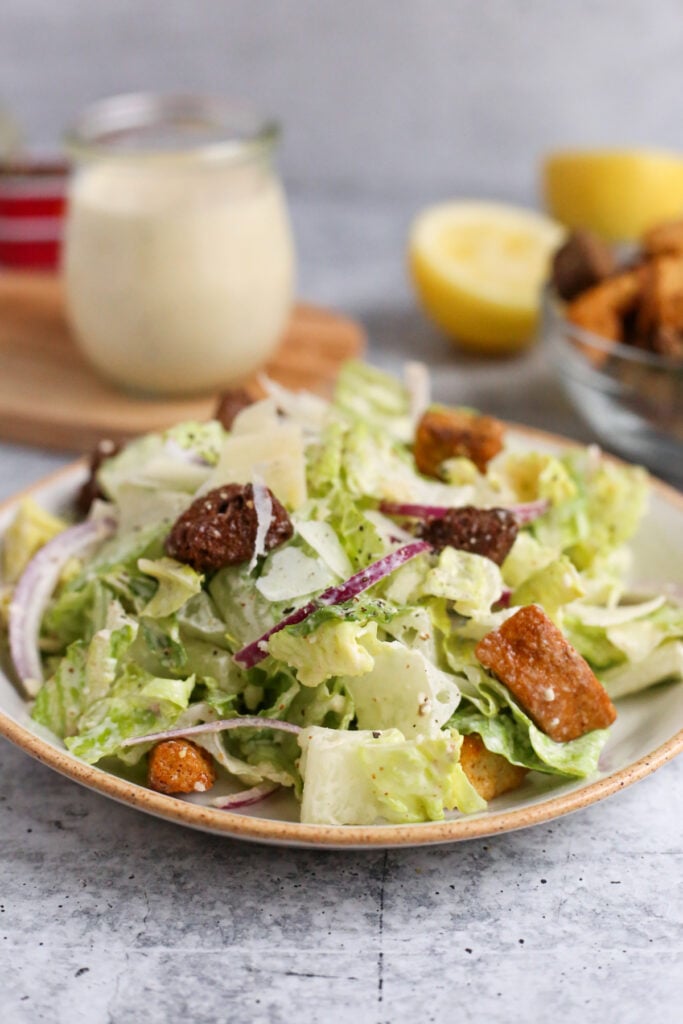
1. Classic Caesar Salad with Homemade Dressing
Caesar salad starts with crisp romaine lettuce and fresh homemade dressing. You need garlic, anchovies, lemon juice, and parmesan cheese for the best flavor.
Dry your lettuce completely before adding dressing. Use a salad spinner and pat the leaves with paper towels.
Toast bread cubes until golden to make your own croutons. Fresh croutons taste much better than store-bought ones.
Mix the dressing ingredients together and toss with the romaine. Add croutons and extra parmesan on top for the perfect Caesar salad.

2. Greek Salad with Feta and Kalamata Olives
This classic salad brings fresh Mediterranean flavors to your table. You’ll need ripe tomatoes, crisp cucumbers, and thinly sliced red onions.
Add chunks of creamy feta cheese and briny Kalamata olives. These ingredients create the perfect balance of salty and fresh tastes.
Make a simple dressing with olive oil, lemon juice, and dried oregano. This light vinaigrette ties all the flavors together without overpowering the vegetables.
You can prepare this salad in just 10 minutes. It works great as a light lunch or side dish.

3. Strawberry Spinach Salad with Poppy Seed Dressing
This salad combines sweet strawberries with fresh spinach leaves. The mix creates a perfect balance of flavors.
Add nuts like almonds or pecans for crunch. Cheese such as feta or goat cheese adds tangy flavor.
The poppy seed dressing ties everything together. Make it with honey, lemon, and oil.
This salad works well as a side dish or light meal. It’s especially good during summer when strawberries are fresh.

4. Chickpea Salad with Carrots and Dill
This fresh salad combines protein-rich chickpeas with sweet grated carrots. The dill adds a bright, herby flavor that makes each bite taste fresh.
Make this salad ahead of time for easy lunches. It packs well and tastes even better after the flavors mix together.
Mix chickpeas, grated carrots, and fresh dill with a basic dressing. Some versions add celery or pumpkin seeds for extra crunch.

5. Mega Crunchy Romaine Salad with Quinoa
This salad brings together fresh romaine lettuce with cooked quinoa for a filling meal. Add shredded carrots, sunflower seeds, and dried cranberries for extra crunch and flavor.
The recipe takes about 30 minutes to make. Cook the quinoa first, then chop your vegetables while it cools.
A cilantro-lime dressing pairs well with this salad. Pack it for lunch if you keep the dressing separate until ready to eat.

6. Tomato, Peach, and Burrata Salad
This fresh summer salad mixes sweet peaches with juicy tomatoes and creamy burrata cheese. You get a perfect balance of flavors and textures in every bite.
The dish takes just 15 minutes to make. Slice ripe peaches and tomatoes, then arrange them with torn burrata.
Fresh basil and a light vinaigrette bring everything together. Add toasted seeds for extra crunch if you want.
This salad works great as a side dish or light lunch on warm days.

7. Watermelon Peach Salad with Mint
This summer salad combines sweet watermelon and juicy peaches with fresh mint. You can make it in just 15 minutes.
The fruit provides natural sweetness and lots of water. Mint adds a cool, fresh taste that works perfectly with both fruits.
Add feta cheese for extra flavor. A simple lime dressing brings everything together nicely.
This salad works great for barbecues, picnics, or hot summer days. It’s light, refreshing, and easy to prepare for any crowd.

8. Street Corn Pasta Salad
Street corn pasta salad brings Mexican street food flavors to your table. You get charred corn mixed with tender pasta and creamy lime dressing.
The dish combines cotija cheese, roasted corn, and fresh herbs. You can make it in about 25 minutes for quick meals.
This salad works great for cookouts and potlucks. The tangy lime and smoky corn create bold flavors that people love.

9. Lemon Parmesan Sesame Salad
This bright salad combines fresh greens with tangy lemon and nutty sesame flavors. Use mixed greens, romaine, or baby arugula as your base.
The dressing mixes olive oil, sesame oil, and fresh lemon juice. Add grated Parmesan cheese and toasted sesame seeds for extra taste and crunch.
Top it with avocado slices or homemade croutons. This salad takes just 5 minutes to make and pairs well with grilled chicken or pasta dishes.

10. Chipotle Cheddar Chopped Salad
This salad combines crunchy greens with sharp cheddar cheese and tender chicken. The mix creates a filling meal perfect for lunch or dinner.
Add black beans, tomatoes, and avocado for extra flavor. Fresh herbs and vegetables make each bite taste great.
The chipotle ranch dressing gives this salad a smoky kick. Use a bagged chopped salad mix to save time on prep work.
This recipe works well for meal prep throughout the week.
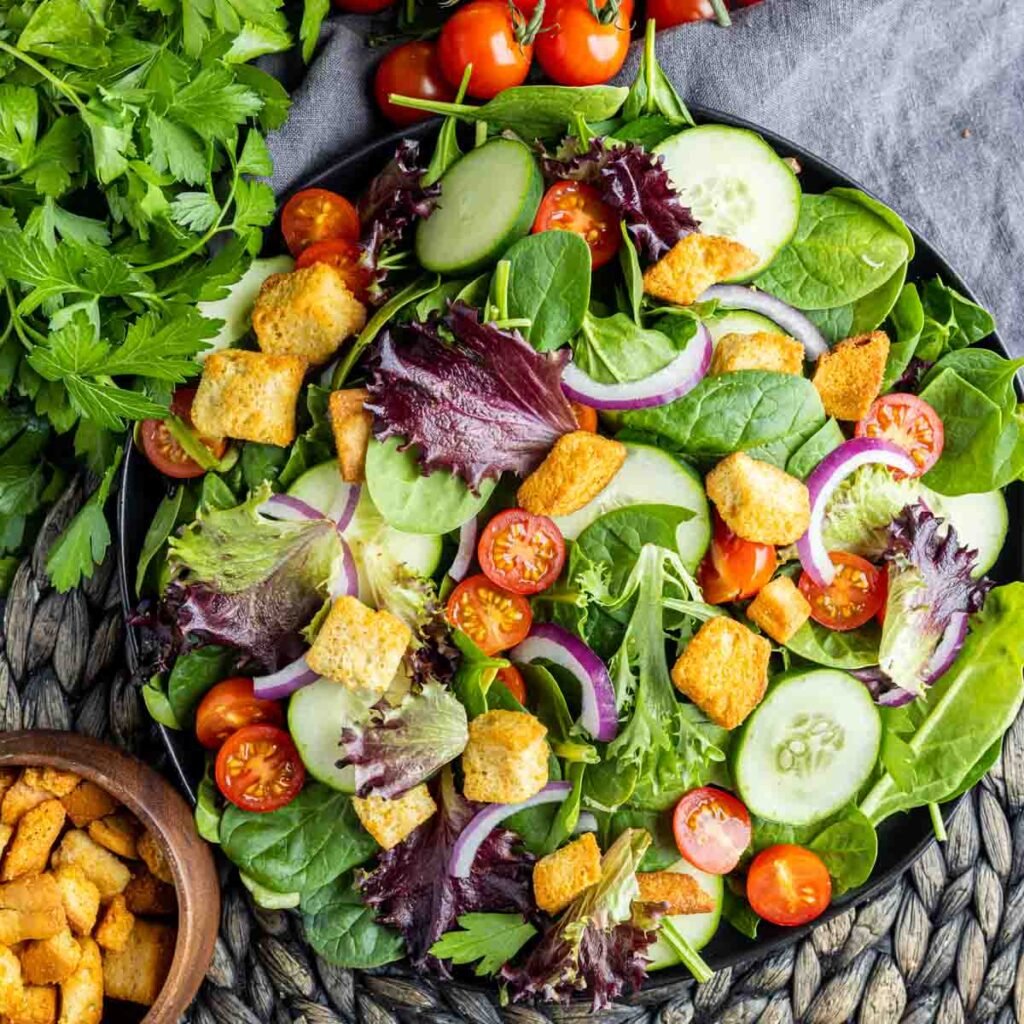
11. Garden Salad with Mixed Greens and Vinaigrette
You can make this fresh salad in just 10 minutes. Start with 5 ounces of mixed greens like romaine, spinach, or spring mix.
Add cherry tomatoes, cucumber slices, and red onion for crunch. These simple ingredients let the fresh flavors shine through.
Make a basic vinaigrette with olive oil, vinegar, salt, and pepper. Toss everything together right before serving.
This salad works as a light lunch or dinner side dish. Customize it with seasonal vegetables from your garden.

12. Wedge Salad with Blue Cheese and Bacon
You’ll love this classic steakhouse salad. It uses crisp iceberg lettuce cut into wedges.
The main toppings are crumbled bacon and diced tomatoes. Drizzle blue cheese dressing over everything.
Cut one head of iceberg lettuce into quarters. Place each wedge on a plate.
Add your cooked bacon pieces and cherry tomatoes on top. Pour the blue cheese dressing over each wedge.
This salad is simple but tasty. It works great as a side dish with steak or chicken.

13. Kale Salad with Carrot-Ginger Dressing
This kale salad combines healthy greens with a bright carrot-ginger dressing. The dressing uses fresh ginger, carrots, and rice vinegar to create a tangy flavor.
Add roasted chickpeas and avocado for extra protein and texture. The ginger dressing works well with kale’s earthy taste.
This salad takes about 10 minutes to make. Prepare it ahead of time for meal prep since kale holds up well when dressed.

14. Cobb Salad with Grilled Chicken and Avocado
This protein-packed salad combines grilled chicken with fresh avocado for a filling meal. You get crisp lettuce, hard-boiled eggs, bacon, and tomatoes in every bite.
The grilled chicken adds smoky flavor while staying lean. Fresh avocado brings healthy fats and creamy texture.
You can make this salad in under 40 minutes. Arrange the ingredients in neat rows on top of your greens.
Add blue cheese or feta for extra flavor. Prep the ingredients ahead of time for quick assembly later.

15. Vegetarian Italian Chopped Salad
This colorful salad combines fresh vegetables with bold Italian flavors. Chop crisp romaine lettuce, juicy tomatoes, cucumbers, and bell peppers into bite-sized pieces.
Red onions and olives add tangy flavor. Chickpeas provide protein and make the salad more filling.
The simple Italian vinaigrette ties everything together. Make this salad vegan by skipping the cheese or using nutritional yeast instead.

16. Bowtie Pasta Tuna Salad with Celery and Dill
This pasta salad combines tender bowtie pasta with protein-rich canned tuna. You get a perfect balance of textures and flavors.
The celery adds a satisfying crunch to each bite. Fresh dill brings a bright, herby taste that pairs well with tuna.
Make the dressing with mayo or mix mayo with Greek yogurt for extra protein. A splash of lemon juice brightens the whole dish.
This salad works great for summer picnics and potluck dinners. Prepare it ahead of time since the flavors get better as they sit together.

17. Strawberry Arugula Salad with Balsamic Glaze
This salad combines sweet strawberries with peppery arugula greens. The mix creates a balanced flavor that works well for summer meals.
Add feta cheese or goat cheese for creaminess. Nuts like walnuts or pecans give the salad extra crunch.
The balsamic glaze ties everything together. It adds sweetness that complements the strawberries without being too heavy.
This recipe takes less than 10 minutes to make. It works as a side dish or light lunch option.

18. Green Salad with Toasted Almonds and Croutons
This classic green salad combines fresh lettuce with crunchy toasted almonds and crispy croutons. Use romaine or butter lettuce as your base.
Add sliced cucumbers and cherry tomatoes for extra freshness. The toasted almonds provide a nutty flavor and satisfying crunch.
Make your own croutons by cutting bread into cubes and toasting them with olive oil. Add them right before serving to keep them crispy.
Finish with your favorite dressing like ranch or balsamic vinaigrette.

19. Chopped Salad with Bacon and Grape Tomatoes
This chopped salad combines crispy bacon with sweet grape tomatoes for a perfect flavor balance. Use romaine lettuce or iceberg as your base.
Cook your bacon until crisp, then crumble it into small pieces. Chop romaine lettuce into bite-sized pieces and quarter your grape tomatoes.
Add shredded cheddar cheese and green onions to complete the salad. A simple ranch dressing or lemon vinaigrette works well with these ingredients.
Toss everything together just before serving to keep the bacon crispy and lettuce fresh.

20. Greek Chicken Orzo Salad
This Mediterranean pasta salad combines grilled chicken with tender orzo pasta. You get all the classic Greek flavors in one bowl.
The salad includes cherry tomatoes, cucumbers, and feta cheese. Kalamata olives add a briny taste that pairs well with the chicken.
A lemon vinaigrette dressing ties everything together. You can make this salad in about 30 minutes.
It works great for meal prep or potlucks. The flavors get better after sitting in the fridge for a few hours.

21. Summer Fruit Salad with Honey-Lime Dressing
This colorful fruit salad brings together seasonal fruits with a simple dressing. Use watermelon, strawberries, grapes, and kiwi for the best mix.
The honey-lime dressing adds sweetness without covering up the fruit flavors. Mix honey with fresh lime juice and zest for the dressing.
Make this salad ahead of time. It tastes even better after sitting for a few hours.
This makes it perfect for parties and gatherings.
Essential Salad-Making Tips
Great salads start with fresh ingredients and smart prep choices. Pick quality produce, mix different tastes and textures, and store everything properly.
Choosing the Freshest Ingredients
Look for vibrant colors when picking greens. Fresh lettuce and spinach should feel crisp and look bright green.
Avoid leaves with dark spots or slimy areas. Check vegetables by touch.
Firm tomatoes, crisp cucumbers, and hard carrots mean better flavor. Soft spots signal old produce that will make your salad taste flat.
Buy seasonal produce when possible. Summer tomatoes taste much better than winter ones.
Spring greens have more flavor than those grown out of season. Visit farmers markets for the freshest options.
Local produce travels less and stays fresh longer. Ask farmers when they picked the vegetables.
Store different ingredients properly right away. Keep herbs in water like flowers.
Put delicate greens in the fridge immediately.
Balancing Flavors and Textures
Mix crunchy and soft elements in every salad. Add nuts, seeds, or croutons for crunch.
Balance them with soft cheese, avocado, or cooked grains. Include different flavor types:
- Sweet: dried fruit, fresh berries, honey
- Salty: cheese, olives, nuts
- Sour: lemon juice, vinegar, pickled items
- Bitter: dark greens, radishes
Layer your ingredients instead of dumping everything together. Put sturdy greens on the bottom.
Add heavier items like proteins next. Top with delicate items like herbs or soft cheese.
Dress your salad right before serving. Too much dressing makes greens soggy.
Start with less than you think you need. You can always add more.
Proper Salad Storage
Wash greens as soon as you bring them home. Use a salad spinner to remove all water.
Wet leaves spoil fast and make dressings slide off. Store clean greens in airtight containers with paper towels.
The towels soak up extra moisture that causes rot. Change towels if they get too wet.
Keep cut vegetables separate until serving time. Pre-cut items like tomatoes and cucumbers release water that makes other ingredients soggy.
Make dressing ahead but store it separately. Most dressings last 3-5 days in the fridge.
Shake or whisk before using since ingredients separate over time. Prep ingredients up to 2 days early but assemble salads right before eating.
This keeps everything fresh and prevents soggy, wilted results.
Health Benefits of Eating Salads
Salads provide your body with essential vitamins, minerals, and fiber. They help you stay hydrated and manage your weight.
The combination of fresh vegetables, leafy greens, and other nutrient-rich ingredients makes salads a powerful tool for better health.
Nutrient Density and Fiber
Salads pack a lot of nutrition into every bite. Dark leafy greens like spinach and kale contain vitamin K, folate, and iron.
Colorful vegetables add vitamin C, beta-carotene, and antioxidants. One cup of mixed greens gives you about 15% of your daily vitamin A needs.
Adding tomatoes boosts your lycopene intake, which supports heart health. The fiber in salads helps your digestive system work better.
Most salad vegetables contain 2-4 grams of fiber per cup. This fiber helps you feel full longer and keeps your blood sugar steady.
Raw vegetables often have more vitamins than cooked ones. Heat can break down vitamin C and some B vitamins.
Eating salads gives you these nutrients in their strongest form.
Supporting Weight Management
Salads help you control your weight in several ways. They are naturally low in calories but high in volume.
You can eat a large portion without consuming too many calories. A typical green salad with vegetables has only 20-50 calories per cup.
The fiber and water content help you feel satisfied. Your stomach sends “full” signals to your brain when it stretches.
Starting your meal with a salad can reduce how much you eat overall. Studies show people eat 10-15% fewer calories when they begin with a vegetable salad.
The protein in salads with chicken, beans, or nuts helps maintain muscle mass during weight loss. This keeps your metabolism higher than dieting without protein.
Boosting Hydration
Many salad ingredients have high water content that helps keep you hydrated. Lettuce is about 95% water.
Cucumbers and tomatoes are also mostly water. Eating water-rich foods counts toward your daily fluid needs.
You get hydration plus nutrients at the same time. This is more efficient than drinking plain water alone.
Proper hydration helps your skin look better and supports kidney function. It also helps prevent headaches and fatigue.
Many people don’t drink enough water, so getting it from food helps. Seasonal vegetables often have the highest water content when they’re fresh.
Summer vegetables like bell peppers and radishes add extra hydration to your meals.
Frequently Asked Questions
Making great salads involves choosing the right ingredients and balancing flavors. Use proper preparation techniques for the best results.
These common questions cover everything from boosting nutrition to meal prep strategies.
What are some nutritious ingredients to include in a healthy salad?
Dark leafy greens like spinach and romaine provide iron and vitamins A and K. Add colorful vegetables such as carrots, bell peppers, and tomatoes for antioxidants and fiber.
Include healthy fats from avocados, nuts, and olive oil-based dressings. These help your body absorb fat-soluble vitamins better.
Seeds like sunflower seeds or pumpkin seeds add crunch and essential minerals. Fresh herbs like dill boost flavor without extra calories.
How can I make a substantial salad that’s satisfying as a main dish?
Add protein sources like grilled chicken, hard-boiled eggs, or chickpeas to make your salad filling. Aim for at least 20-25 grams of protein per serving.
Include complex carbohydrates such as quinoa, sweet potatoes, or whole grain croutons. These provide lasting energy and make the salad more satisfying.
Use a variety of textures with crunchy nuts, creamy cheese, and fresh vegetables. This combination keeps each bite interesting and filling.
What are the secrets to making a perfectly dressed salad?
Start with dry lettuce and vegetables. Excess water dilutes the dressing and makes salads soggy.
Add dressing gradually and toss gently. Start with less than you think you need and add more if necessary.
Season your salad with salt and pepper before adding dressing. This enhances all the flavors in your ingredients.
For homemade dressings, use a 3:1 ratio of oil to acid like lemon juice or vinegar. Add mustard or honey to help emulsify the mixture.
Could you suggest some vegetarian or vegan salad recipes that are high in protein?
Chickpea salad with carrots and dill provides about 15 grams of protein per serving. Add tahini dressing for extra protein and flavor.
Create a quinoa-based salad with black beans, peppers, and cilantro. This combination gives you complete proteins and fiber.
Try a lentil salad with roasted vegetables and balsamic vinaigrette. Lentils contain about 18 grams of protein per cup.
Hemp seeds, nutritional yeast, and nuts boost protein content in any vegetarian salad without changing the base recipe much.
What are some creative ways to incorporate seasonal produce into my salads?
Spring brings fresh peas, asparagus, and tender greens perfect for light salads with lemon dressing. Add strawberries for natural sweetness.
Summer offers tomatoes, corn, and berries that pair well with fresh herbs. Try watermelon with feta and mint for a refreshing combination.
Fall vegetables like roasted butternut squash, apples, and pears add warmth to hearty grain salads. Pair with dried cranberries and walnuts.
Winter citrus fruits brighten heavy greens like kale. Massage the leaves with dressing to make them tender.
How can I prepare a salad in advance without it becoming soggy?
Store wet ingredients like tomatoes and cucumbers separately from lettuce. Add them just before serving to prevent wilting.
Place a paper towel in your storage container to absorb excess moisture. Change it if it becomes saturated.
Keep dressing in a separate container until you are ready to eat. This keeps the greens fresh.
Prepare sturdy ingredients like quinoa, chickpeas, and chopped vegetables up to three days ahead. Add delicate greens and dressing on the day you plan to eat.