
German breakfast culture offers a rich mix of flavors and traditions that go far beyond simple morning meals. German breakfasts combine both sweet and savory dishes, featuring everything from fresh breads and spreads to hearty sausages and traditional pastries.
You’ll discover that these morning foods focus on quality ingredients and time-tested recipes. Unlike typical American breakfasts, German morning meals center around bread, cold cuts, cheeses, and spreads rather than hot cooked items.
You can expect to find both light options like yogurt with fruit and more filling choices such as potato pancakes and assorted meats. These breakfast traditions reflect Germany’s focus on starting the day with balanced nutrition and satisfying flavors.
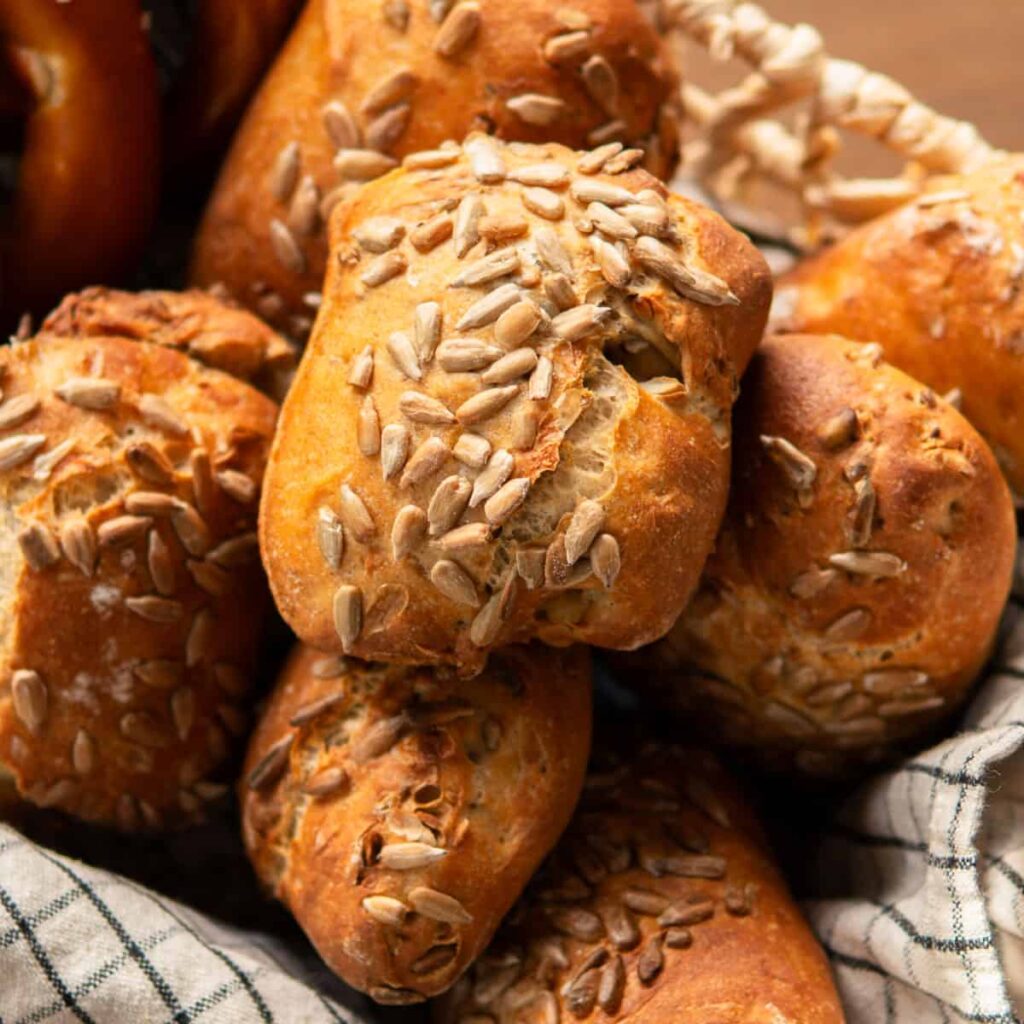
1. Brötchen (German bread rolls)
Brötchen are Germany’s most popular breakfast bread rolls. You’ll find them on tables across the country every morning.
These small rolls have a crispy, golden crust on the outside. The inside stays soft and fluffy, making them perfect for breakfast.
Germans often eat Brötchen with butter and jam. You can also split them open and make sandwiches with your favorite fillings.
Fresh Brötchen taste best when they’re still warm from the bakery. Many Germans buy them fresh each morning from local bakeries.

2. Butterbrot (buttered bread)
Butterbrot is one of Germany’s most basic breakfast foods. The name means “butter bread” in German.
You make it by spreading butter on a slice of fresh bread. Germans often use dark rye or whole grain bread.
You can eat butterbrot plain or add toppings. Popular choices include cheese, ham, or honey.
Some people prefer it without any toppings at all. This simple meal is eaten throughout Germany for breakfast and other times of day.
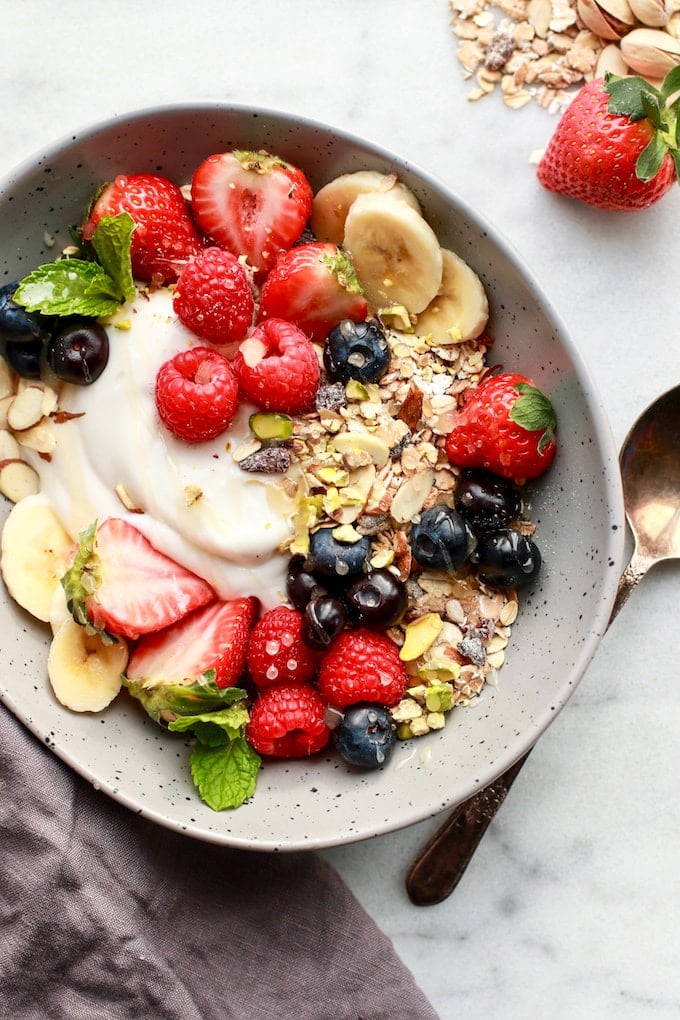
3. Muesli with yogurt and fresh fruits
Muesli is a healthy breakfast staple across Germany. You’ll find it made with rolled oats, nuts, seeds, and dried fruits.
Germans often soak their muesli overnight in milk or yogurt. This creates a creamy texture that’s easy to digest.
You can top your muesli with fresh berries, sliced bananas, or seasonal fruits. The combination gives you natural sweetness and important nutrients.
Many people add Greek yogurt for extra protein. You can also drizzle honey on top for more flavor.

4. Pretzel (Brezel)
You’ll find pretzels in every German bakery as a classic breakfast choice. These twisted bread treats have a unique knot shape with golden-brown crust.
German pretzels are made from simple ingredients like flour, water, yeast, and salt. The lye bath before baking gives them their distinctive flavor and color.
You can eat them plain or topped with coarse salt. They have a soft inside and chewy outside that pairs perfectly with butter or cream cheese.

5. Wurstplatte (assorted German sausages)
A Wurstplatte brings together different German sausages on one plate. You’ll find varieties like bratwurst, weisswurst, and leberwurst arranged together.
This sausage platter works well for breakfast when you want something hearty. The sausages come with bread, mustard, and pickles on the side.
You can make your own Wurstplatte by picking three or four different German sausages. Each type has its own taste and spices.
German families often serve this during weekend breakfasts or special occasions.

6. Leberwurst (liver sausage spread)
Leberwurst is a smooth liver sausage that appears on German breakfast tables every morning. You’ll find this creamy spread made from beef liver and spices.
The texture is rich and easy to spread on bread or crackers. It has a strong, earthy flavor that Germans love.
You can spread leberwurst on fresh rolls or rye bread. Many people add butter underneath and top it with radishes or pickles for extra flavor.

7. Obatzda (Bavarian cheese spread)
Obatzda is a creamy cheese spread from Bavaria that Germans often enjoy at breakfast. You make it by mixing soft Camembert cheese with butter and spices like paprika.
The spread has a rich, tangy flavor and smooth texture. Many people add onions and caraway seeds for extra taste.
You can eat Obatzda with fresh pretzels, rye bread, or crackers. It pairs well with radishes and makes a hearty breakfast option that will keep you full.

8. Quark with honey and berries
Quark is a soft German cheese that tastes like thick yogurt. It has a creamy texture and mild tangy flavor.
You can make this breakfast by mixing quark with fresh berries like strawberries or blueberries. Add honey for sweetness and mix everything together.
Some people add chopped nuts for extra crunch. You can also sprinkle cinnamon on top for more flavor.
This dish gives you protein from the cheese and vitamins from the fruit. It makes a light, healthy breakfast that fills you up.

9. Soft-boiled eggs
Soft-boiled eggs are a key part of German breakfast. Germans call them “Weiche Eier” and serve them in special egg cups.
You cook these eggs for 3-6 minutes in boiling water. The white stays firm while the yolk remains runny.
Germans eat soft-boiled eggs with a small spoon. You crack the top and scoop out the creamy inside.
These eggs pair well with fresh bread rolls and other breakfast items. They add protein to your morning meal.

10. Senfeier (boiled eggs in mustard sauce)
Senfeier is a classic German breakfast dish that combines hard-boiled eggs with creamy mustard sauce. You’ll find this comfort food especially popular in eastern Germany.
The dish features peeled hard-boiled eggs covered in a rich sauce made from butter, milk, and mustard. Many recipes include both smooth and grainy mustard for extra flavor.
You can serve Senfeier with boiled potatoes or mashed potatoes. Some people add vegetables like spinach or broccoli to make it more filling.
This budget-friendly meal is easy to prepare and perfect for weekend breakfasts.

11. Kartoffelpuffer (potato pancakes)
Kartoffelpuffer are crispy German potato pancakes made from grated potatoes and onions. You’ll find them served golden-brown and crunchy on the outside with a tender interior.
These traditional pancakes use simple ingredients like potatoes, onions, eggs, and flour. Removing excess liquid from the grated potatoes before cooking is key.
You can enjoy Kartoffelpuffer for breakfast with applesauce or sour cream. They’re popular at German festivals.
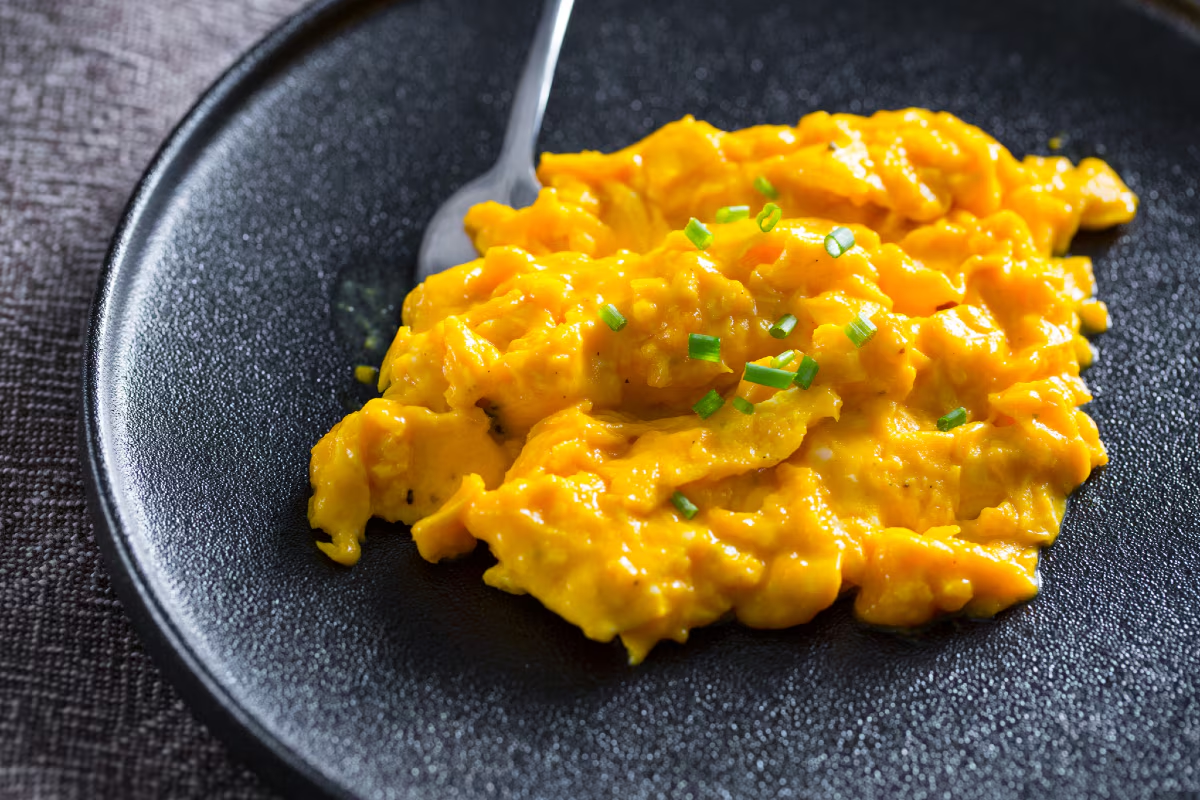
12. Rührei (scrambled eggs)
Rührei is Germany’s take on scrambled eggs. These eggs taste much different from American scrambled eggs.
German scrambled eggs are soft and creamy instead of firm and dry. You cook them slowly with butter to get this texture.
Many Germans add fresh herbs like chives or parsley to their Rührei. Small pieces of ham are also popular additions.
You serve Rührei with fresh bread rolls and cold cuts for a complete German breakfast.

13. Black Forest Ham
Black Forest ham comes from Germany’s Black Forest region. This smoked ham has a rich, smoky flavor that makes it perfect for breakfast.
The ham gets cured in salt for about two weeks. Then it gets cold-smoked for several more weeks.
This process gives it a dark color and deep taste. You can eat Black Forest ham on bread rolls with cheese.
It also works well in omelets or as part of a cold breakfast plate with other meats.

14. Smoked Salmon
Smoked salmon is a popular German breakfast choice that adds protein to your morning meal. You’ll find it served on dark rye bread with cream cheese.
This fish provides healthy omega-3 fatty acids and vitamins. The smoking process makes it safe to eat without cooking.
You can enjoy smoked salmon on toast or bagels. Many Germans pair it with capers and fresh dill for extra flavor.

15. German Farmer’s Cheese
German farmer’s cheese is a fresh, mild cheese that appears on breakfast tables across Germany. You’ll find this soft white cheese has a crumbly texture and tangy flavor.
This cheese pairs perfectly with dark German breads like rye or pumpernickel. You can spread it directly on bread or mix it with herbs and spices.
Many Germans enjoy farmer’s cheese with fresh chives, radishes, or cucumbers. You can also drizzle honey over it for a sweet breakfast option.

16. Bircher Muesli
You’ll find Bircher Muesli on breakfast tables across Germany. This healthy dish combines rolled oats with grated apple and yogurt.
Swiss doctor Maximilian Bircher-Brenner created the recipe around 1900. He intended it as a nutritious meal for his patients.
You prepare it by soaking oats overnight in milk or yogurt. Add grated apple, nuts, and dried fruit for extra flavor.
This breakfast provides plenty of fiber to keep you full all morning. You can customize it with fresh berries, seeds, or honey.

17. Freshly brewed coffee
Coffee plays an important role in German breakfast culture. You’ll find it served alongside bread, cheese, and cold cuts at most morning tables.
Germans typically prefer filter coffee over espresso-style drinks. The coffee is usually brewed strong and served hot in large mugs or cups.
You can enjoy your coffee black or with milk and sugar. Many Germans drink multiple cups during their leisurely breakfast time.
The quality of the coffee beans matters. Fresh brewing enhances the authentic German breakfast experience.

18. Schwarzwälder Kirschtorte (Black Forest cherry cake)
You might find Black Forest cake on German breakfast tables during special occasions. This famous dessert comes from the Black Forest region of Germany.
The cake has layers of chocolate sponge cake. Sweet cherries and fluffy whipped cream fill the spaces between layers.
Traditional recipes use Kirschwasser, a clear cherry brandy from the region. This adds a unique flavor that makes the cake special.
You can find this cake in every German bakery. It’s one of Germany’s most popular desserts for celebrations.

19. Nussecken (nut bars)
Nussecken are traditional German nut bars that make a sweet breakfast treat. The name means “nut corners” in German.
These bars have three layers. You get a buttery shortbread base, a thin layer of apricot jam, and a caramelized hazelnut topping.
The corners are often dipped in dark chocolate. This adds richness to the nutty flavor.
You can find Nussecken at German bakeries and Christmas markets. They pair well with coffee or tea for your morning meal.

20. Berliner (German jelly-filled doughnut)
You’ll find Berliner is a fluffy German doughnut filled with jam or jelly. This sweet treat uses less sugar than American donuts and has a softer texture.
The dough contains rum for extra flavor. After frying, you get a golden pastry that’s filled with sweet jam.
Berliner gets dusted with powdered sugar on top. Some versions have cinnamon sugar on the bottom too.
You can enjoy this popular breakfast pastry warm. Germans often eat Berliner during celebrations and holidays like carnival season.

21. Fresh Seasonal Fruit
Germans take fresh fruit seriously at breakfast. They focus on seasonal options that taste best throughout the year.
You’ll find strawberries and cherries during summer months. Fall brings apples and pears to German breakfast tables.
Winter features oranges and tangerines as popular choices. Germans often pair fresh fruit with müsli, yogurt, or quark.
The seasonal approach means you get the freshest flavors. This simple addition adds natural sweetness and vitamins to your morning meal.
Cultural Significance of German Breakfasts
German breakfast culture reflects centuries of tradition that varies by region. This morning ritual serves as a foundation for family bonding and community connection throughout the country.
Breakfast Traditions Across Regions
Different German regions have developed their own distinct breakfast customs over time. In Bavaria, you’ll find weißwurst (white sausage) served with sweet mustard and pretzels as a traditional morning meal.
Northern Germany focuses more on hearty breads with fish spreads and cold cuts. The coastal areas often include pickled herring or smoked fish as breakfast staples.
Eastern regions like Saxony emphasize quark (fresh cheese) preparations and local bread varieties. You’ll discover unique regional spreads made from local ingredients.
The frühstück tradition evolved from simple farmer meals into elaborate spreads during the 19th century. Industrialization helped establish breakfast as the day’s first social moment in German households.
Each region takes pride in its local bakeries and breakfast specialties. These traditions connect modern Germans to their ancestral food heritage and regional identity.
Role of Family and Social Gatherings
German breakfast serves as a daily ritual that brings families together before starting their day. Parents and children gather around the table to share food and conversation each morning.
Weekend breakfasts become extended social events lasting several hours. Families prepare elaborate spreads with multiple bread types, meats, cheeses, and jams for everyone to enjoy.
Sunday morning breakfasts hold special importance in German culture. These meals often include guests and feature the finest breads and spreads the family can offer.
The communal aspect teaches children about sharing and family values. Young Germans learn table manners and social skills during these daily gatherings.
Typical Ingredients and Pairings
German breakfast centers around fresh bread rolls called Brötchen paired with quality spreads, cured meats, and aged cheeses. Hot coffee and tea complement these hearty morning combinations.
Breads and Spreads
Brötchen form the foundation of German breakfast. These crusty bread rolls come in varieties like sesame, poppy seed, and whole grain.
Dark rye breads and pumpernickel add heartier options. You’ll find dense, flavorful loaves that pair well with strong cheeses and meats.
German marmelade offers intense fruit flavors. Popular varieties include:
- Strawberry
- Cherry
- Plum
- Blackberry
- Raspberry
Nutella and honey provide sweet alternatives. Many families use homemade jams passed down through generations.
Savory spreads include leberwurst (liver sausage) and various herb butters. Quark mixed with herbs creates a protein-rich spread option.
Cheeses, Meats, and Eggs
German cheeses range from mild to sharp flavors. Common breakfast choices include:
- Gouda
- Tilsit
- Limburger
- Fresh white cheese (Weißkäse)
Cured meats add protein and flavor. Schwarzwälder Schinken (Black Forest ham) ranks among the most popular.
Salami varieties and leberwurst appear on most breakfast tables. These meats pair perfectly with dark breads and pickles.
Soft-boiled eggs served in egg cups represent a German breakfast staple. You crack the top and dip bread soldiers into the runny yolk.
Hard-boiled eggs sliced thin work well on open-faced sandwiches. Some regions prefer scrambled eggs with fresh herbs.
Popular Beverages
Coffee dominates German breakfast beverages. Filter coffee remains more common than espresso-based drinks.
Black tea offers the main alternative to coffee. Many Germans prefer it strong with a splash of milk.
Fresh fruit juices include orange, apple, and mixed berry varieties. Local apple juices from regional orchards taste particularly good.
Milk appears both as a beverage and with muesli. This cereal mixture contains oats, nuts, and dried fruits.
Hot chocolate provides a weekend treat, especially during colder months. Some families serve it with whipped cream on special occasions.
Frequently Asked Questions
German breakfast traditions include specific meats like bratwurst and leberwurst, pastries such as streuselkuchen and berliner, and drinks like coffee and fresh juices. These authentic breakfast elements differ greatly from lunch offerings and can be found at German restaurants across the United States.
What are the traditional meats served in a German breakfast?
You’ll find leberwurst and bratwurst as the most common breakfast meats in Germany. Leberwurst is a smooth liver sausage that spreads easily on bread.
Weisswurst, a white Bavarian sausage, appears frequently on weekend breakfast tables. You can also expect to see speck, which is German bacon.
Cold cuts like salami and ham are standard parts of the breakfast spread. These meats are usually served sliced and arranged on platters.
Can you list some pastries commonly found in German breakfast spreads?
Streuselkuchen tops the list of popular German breakfast pastries. This cake features a crumbly topping and comes in many flavors.
You’ll often see berliners, which are jelly-filled donuts similar to American donuts. Croissants have become common in modern German breakfasts too.
Stollen appears during winter months and holidays. Sweet rolls with raisins and nuts are also breakfast favorites.
What types of drinks are commonly consumed with a German breakfast?
Coffee remains the most popular German breakfast drink. Germans prefer it strong and often serve it in large cups.
Fresh fruit juices, especially orange and apple juice, are standard breakfast beverages. You’ll also find herbal teas and black tea options.
Milk is common, especially when served with muesli or cereal. Hot chocolate appears more often in colder months.
What are some of the most popular dishes served for breakfast in Germany?
Brötchen with various toppings ranks as the number one German breakfast food. You can add butter, jam, cheese, or cold cuts.
Muesli with yogurt and fresh fruits provides a healthy breakfast option. This dish combines oats, nuts, and dried fruits.
Butterbrot, or buttered bread, serves as a simple but satisfying meal. Pretzels with butter or cream cheese are also very popular.
Where might one find an authentic German breakfast experience in the United States?
German restaurants and biergartens often serve traditional breakfast items on weekends. Look for establishments that advertise authentic German cuisine.
Areas with large German populations, like parts of Texas and Pennsylvania, offer more breakfast options. German bakeries frequently serve morning meals too.
Some hotels in German-settled regions provide traditional breakfast spreads. Check with local German cultural centers for restaurant recommendations.
How do German breakfast offerings differ from those typically served at lunch?
German breakfasts focus on cold foods like bread, cheese, and cold cuts.
Lunch typically includes hot, cooked dishes and soups.
You’ll find more sweet options at breakfast, including jams and pastries.
Lunch emphasizes savory main courses with vegetables and potatoes.