
Asian soups offer a world of bold flavors and comforting warmth that can transform any meal into something special. From the rich umami of Japanese miso to the spicy kick of Thai tom yum, these soups bring together fresh ingredients and time-tested cooking methods passed down through generations.
This collection of 21 authentic Asian soup recipes gives you everything you need to make restaurant-quality soups at home, covering classics from Japan, Thailand, Vietnam, Korea, China, Philippines, Indonesia, Taiwan, and Malaysia. You’ll discover essential ingredients that create the deep flavors these soups are known for, plus cooking techniques that help you build the perfect broth every time.
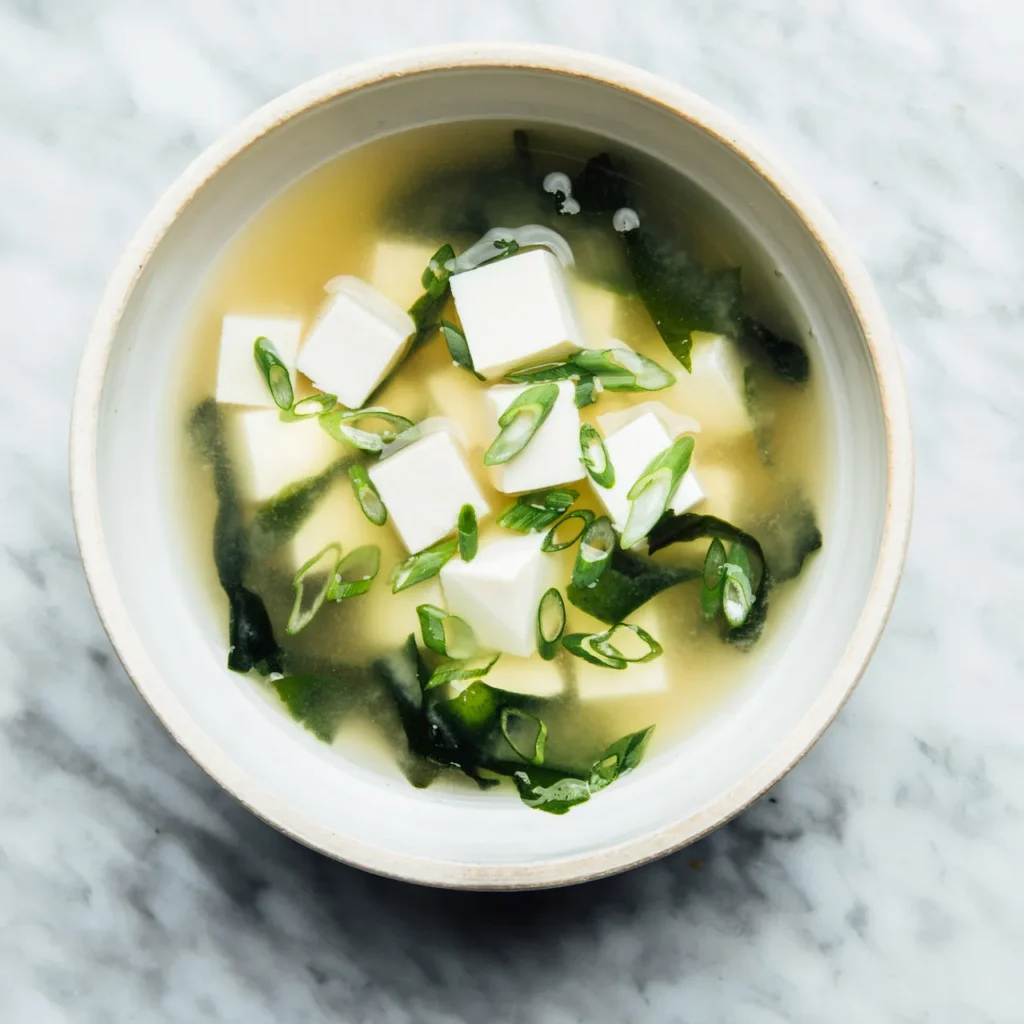
1. Classic Miso Soup
Classic miso soup is Japan’s most famous soup dish. You make it with miso paste, dashi stock, and simple ingredients like tofu and wakame seaweed.
The soup has a rich umami flavor from fermented soybeans. You can find miso paste at Asian grocery stores in different varieties.
Making miso soup takes about 20 minutes. You heat the dashi, add your ingredients, then whisk in miso paste at the end.

2. Thai Tom Yum Soup
Thai Tom Yum soup is one of Thailand’s most famous dishes. You can make this spicy and sour soup at home easily.
The soup combines bold flavors from lemongrass, galangal, and kaffir lime leaves. Fresh chilies add heat while lime juice gives it a tangy taste.
You can choose between clear or creamy versions. Most recipes include shrimp and mushrooms as the main ingredients.
This soup takes about 30 minutes to prepare. The recipe is simple enough for beginners to master.

3. Vietnamese Pho Bo
Pho Bo is Vietnam’s most famous soup. You get tender beef in a rich, aromatic broth.
The broth comes from slow-cooked beef bones. Spices like star anise and cinnamon add deep flavor.
Flat rice noodles sit at the bottom of your bowl. Thin beef slices cook quickly in the hot broth.
You can add fresh herbs like Thai basil and mint. Bean sprouts and lime juice make it even better.

4. Japanese Ramen
Japanese ramen is a rich noodle soup that started as Chinese noodles but became uniquely Japanese. You can find many different types to try at home.
The main styles include shoyu (soy sauce), miso, and shio (salt) ramen. Each has its own flavor profile and broth color.
You can make ramen with different toppings like soft-boiled eggs, pork, and green onions. The noodles are wheat-based and have a chewy texture that soaks up the flavorful broth perfectly.

5. Chinese Hot and Sour Soup
Chinese hot and sour soup combines spicy and tangy flavors in one bowl. You’ll taste heat from white pepper and sourness from vinegar.
This traditional soup contains tofu, mushrooms, and bamboo shoots. The broth gets its thick texture from cornstarch.
You can make this soup in under 20 minutes. It’s a popular starter at Chinese restaurants but easy to prepare at home.

6. Korean Kimchi Jjigae
Korean kimchi jjigae is a spicy, warming stew that uses fermented kimchi as its main ingredient. You can make this comfort food in just 30 minutes.
The soup has a tangy, spicy broth with deep umami flavors. You can add tofu, pork, or beef to make it more filling.
Aged kimchi works best because it has stronger sour flavors. The fermented vegetables give the broth a rich taste quickly.

7. Filipino Sinigang
Sinigang is a beloved Filipino sour soup that brings comfort to many homes. You’ll love its tangy broth made with tamarind as the main souring agent.
This traditional dish combines tender meat like pork or beef with fresh vegetables. The soup creates a perfect balance of savory and sour flavors.
You can make sinigang with different proteins including shrimp or fish. Common vegetables include radish, green beans, and leafy greens like spinach.

8. Indonesian Soto Ayam
Soto Ayam is Indonesia’s beloved chicken noodle soup. This warm dish features tender shredded chicken in a fragrant broth.
The soup gets its golden color from turmeric. Ginger and lemongrass add fresh, aromatic flavors to the broth.
You can serve it with rice noodles or vermicelli. Common toppings include hard-boiled eggs, fried potatoes, and fresh herbs.
The recipe is simple to make at home. You don’t need special cooking skills to create this comforting bowl of soup.

9. Chinese Wonton Soup
Chinese wonton soup is a classic comfort food with tender dumplings in clear broth. The wontons are usually stuffed with seasoned pork or a mix of pork and shrimp.
You can make the broth with chicken stock, ginger, soy sauce, and sesame oil. This creates a light but flavorful base for the dumplings.
You can prepare wontons ahead of time and freeze them. This makes it easy to have hot soup ready in just minutes when you want it.

10. Thai Coconut Curry Soup
Thai coconut curry soup offers rich, creamy flavors that warm you up. You’ll taste sweet, sour, salty, and spicy notes in every spoonful.
The soup uses coconut milk as its base. Common ingredients include curry paste, lemongrass, lime juice, and fish sauce.
You can add chicken, shrimp, or vegetables to make it filling. Fresh herbs like cilantro and Thai basil add bright flavors.
This soup takes little time to make from scratch. You’ll find most ingredients at regular grocery stores.

11. Japanese Tonkotsu Ramen
You can make this rich Japanese noodle soup at home with some patience. The creamy white broth comes from boiling pork bones for hours.
This process breaks down collagen and marrow into a thick, flavorful base. You’ll get better results using a pressure cooker to cut cooking time.
The finished bowl includes springy ramen noodles and classic toppings. Add soft-boiled eggs, sliced pork, and green onions for authentic flavor.

12. Vietnamese Pumpkin Soup
Vietnamese pumpkin soup, known as Canh Bí Đỏ, offers a light and savory meal option. This clear broth soup features tender pumpkin pieces floating alongside minced pork or shrimp.
You can prepare this simple dish in just 15-20 minutes. The soup provides a perfect contrast to rice and other dry dishes in Vietnamese meals.
Unlike creamy Western pumpkin soups, this version maintains a clear, umami-rich broth. The sweet pumpkin balances well with the savory protein elements.

13. Korean Seolleongtang
Seolleongtang is a traditional Korean soup made from beef bones. The bones simmer for many hours to create a rich, milky white broth.
You get this creamy color from the collagen that comes out of the bones during long cooking. The soup has a mild beef flavor that feels comforting.
Most recipes serve seolleongtang with thin noodles and sliced green onions. You can add salt and pepper to taste at the table.

14. Chinese Egg Drop Soup
Chinese egg drop soup is one of the most popular comfort soups in Asian cuisine. You can make this simple dish with just chicken broth and beaten eggs.
The soup gets its name from how you add the eggs. You slowly pour beaten eggs into hot broth while stirring.
This creates thin, silky egg ribbons that float in the soup. Most recipes use cornstarch to thicken the broth slightly.
You can add soy sauce, white pepper, and green onions for extra flavor.
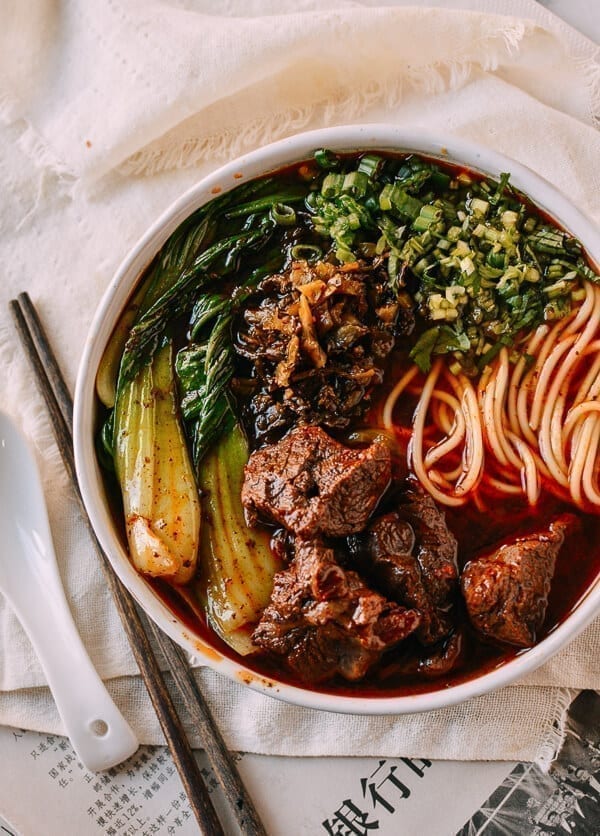
15. Taiwanese Beef Noodle Soup
This comfort soup combines tender beef with rich, savory broth and chewy noodles. The beef cooks slowly for hours until it falls apart easily.
You’ll find the broth has deep flavors from soy sauce and spices. Many recipes use broad bean paste mixed with caramel for extra depth.
The soup comes with fresh bok choy and pickled mustard greens on top. You can make it in an Instant Pot or on the stove using traditional methods.

16. Malaysian Laksa
Malaysian laksa is a spicy coconut noodle soup that combines rich flavors from Southeast Asia. You’ll find thick rice noodles swimming in a creamy coconut milk broth.
The soup gets its bold taste from spices, shrimp paste, and chili paste. Fresh herbs like cilantro add brightness to each bowl.
You can make laksa with chicken or shrimp as protein. Bean sprouts and lime wedges are common toppings that add crunch and tang.

17. Japanese Clear Dashi Soup
Japanese clear dashi soup is a light broth that showcases the pure taste of dashi stock. You make this soup with kelp and bonito flakes for deep umami flavor.
The clear broth gets garnished with simple ingredients like shiitake mushrooms and green onions. Some versions include thin slices of carrot or small pieces of tofu.
This soup works well as a starter before meals. You can also enjoy it as a light snack when you want something warm and comforting without feeling too full.

18. Vietnamese Bun Rieu
You’ll love this Vietnamese crab noodle soup with its bright red tomato-based broth. The soup combines rice vermicelli noodles with crab meatballs and pork.
The tangy broth gets its color from tomatoes and crab paste. You can add fried tofu and fresh herbs as toppings.
This soup offers a perfect balance of sweet, sour, and savory flavors. It’s lighter than pho but just as satisfying for your next Vietnamese meal.

19. Thai Ginger Garlic Noodle Soup
This soup combines the warming flavors of fresh ginger and garlic with Thai spices. You get a fragrant broth that tastes both comforting and bold.
Rice noodles work best for this recipe. They soak up the flavorful broth perfectly.
The soup features coconut milk, lemongrass, and red curry paste. These ingredients create the classic Thai taste you love.
You can add chicken, shrimp, or keep it vegetarian with mushrooms and bok choy. The soup takes about 30 minutes to make from start to finish.

20. Chinese Bah Kut Teh
Bah Kut Teh means “meat bone tea” in Chinese. This hearty soup comes from Malaysia and Singapore’s Hokkien communities.
You make it by slow-cooking pork ribs in a rich herbal broth. The soup uses traditional Chinese herbs like star anise, cinnamon, and dong quai.
The broth has deep, warming flavors from the mix of spices and herbs. You can eat it for breakfast, lunch, or dinner.
Serve your Bah Kut Teh with rice, tofu puffs, or fried dough sticks called youtiao.

21. Filipino La Paz Batchoy
La Paz Batchoy is a hearty noodle soup from Iloilo City in the Philippines. This dish comes from the La Paz district, which gives it its name.
The soup uses fresh egg noodles in a rich pork broth. You’ll find pieces of pork meat, liver, and other organs in the bowl.
Crushed chicharron (pork cracklings) adds crunch on top. Many recipes include a raw egg that cooks in the hot broth.
The Chinese community in La Paz first created this dish. The name “batchoy” comes from “Ba-Chui,” meaning meat pieces in Chinese.
Essential Ingredients for Asian Soup Recipes
Asian soups rely on specific ingredients that create their signature flavors and textures. Key broths, aromatic spices, noodles, proteins, and vegetables form the foundation of authentic Asian soup cooking.
Broths and Stocks
Chicken stock serves as the base for most Asian soups. You can make it from scratch or use quality store-bought versions.
Dashi is essential for Japanese soups like miso soup. This fish-based stock uses kombu seaweed and bonito flakes.
Bone broth creates rich, hearty soups popular in Korean and Chinese cooking. Simmer pork and beef bones for hours for the best results.
Vegetable broth offers a lighter option. Many Asian recipes combine mushroom broth with other vegetables for deeper flavor.
Coconut milk acts as both liquid and flavoring in Thai soups like tom kha. Use full-fat versions for the best taste and texture.
Spices and Aromatics
Fresh ginger appears in almost every Asian soup recipe. Peel and slice it thin or grate it directly into your pot.
Garlic adds depth to broths and stir-fried ingredients. Use fresh cloves rather than powder for better flavor.
Lemongrass gives Thai soups their citrus notes. Bruise the stalks before adding them to release oils.
Star anise and cinnamon flavor Vietnamese pho broth. These warming spices need long cooking times.
Chili paste or fresh chilies bring heat to soups. Adjust amounts based on your spice tolerance.
Soy sauce and fish sauce add salty, umami flavors. Different types work better for specific soup styles.
Noodles, Dumplings, and Protein Options
Rice noodles work well in Vietnamese pho and Thai soups. Soak them in hot water before adding to soup.
Egg noodles suit Chinese and Japanese recipes. Fresh versions cook faster than dried ones.
Udon noodles are thick wheat noodles perfect for hearty Japanese soups. They hold up well in hot broth.
Wontons and dumplings add substance to soups. You can buy frozen ones or make fresh versions.
Tofu provides protein for vegetarian soups. Firm tofu holds its shape better than soft varieties.
Chicken, pork, and beef work in many Asian soup recipes. Slice meat thin for faster cooking.
Shrimp and fish cook quickly in hot broth. Add them last to prevent overcooking.
Vegetables Commonly Used
Bok choy and napa cabbage add crunch to Chinese soups. Their mild flavors pair well with rich broths.
Mushrooms like shiitake and enoki boost umami flavors. Fresh mushrooms taste better than dried ones in most soups.
Bean sprouts provide texture contrast. Add them raw or cook briefly to keep their crunch.
Scallions work as both cooking ingredient and garnish. Use white parts for cooking and green parts for topping.
Carrots and daikon radish appear in many Korean and Japanese soups. Cut them into uniform pieces for even cooking.
Bamboo shoots add mild flavor and interesting texture. Canned versions work fine for most recipes.
Cooking Techniques Unique to Asian Soups
Asian soup cooking relies on three main methods that create deep, rich flavors. These techniques build layers of taste through careful timing and temperature control.
Slow Simmering
Slow simmering forms the backbone of many Asian soup broths. Cook ingredients at low heat for hours to extract maximum flavor from bones, meat, and vegetables.
Japanese dashi uses this method with kombu seaweed and bonito flakes. Keep the water just below boiling point to avoid bitter tastes.
Chinese bone broths simmer for 6-12 hours. Pork or chicken bones release collagen that creates a rich, silky texture.
Skim foam regularly to keep the broth clear. Vietnamese pho broth follows similar rules.
Char beef bones first, then simmer with spices like star anise and cinnamon. The long cooking time pulls out deep flavors.
Korean seolleongtang uses ox bones simmered for up to 20 hours. This creates the signature milky white color and creamy mouthfeel.
Stir-Frying Before Simmering
Many Asian soups start with stir-frying aromatics in oil or fat. This technique releases essential oils and creates flavor bases that water alone cannot achieve.
Thai soups begin by frying curry pastes in coconut cream. The oil separates and coats each ingredient with concentrated flavor.
Chinese hot and sour soup starts with stir-fried garlic and ginger. Cook them until fragrant before adding liquid ingredients.
Japanese miso ramen often includes stir-fried vegetables and meat. The browning adds depth that balances the salty miso paste.
Oil-soluble compounds in spices and aromatics need fat to release properly. Water-based cooking alone misses these flavors.
Layering Flavors
Asian soup cooking builds taste in stages rather than adding everything at once. Each ingredient goes in at the right time to preserve its unique qualities.
Timing matters greatly. Hard vegetables like carrots cook first.
Soft herbs like cilantro go in at the very end. Seasonings also follow specific orders:
- Salt and soy sauce early in cooking
- Acid (vinegar, lime) near the end
- Fresh herbs in the final minute
Korean kimchi jjigae shows this clearly. Cook the kimchi first to develop sourness.
Add tofu and vegetables next. Finish the dish with scallions.
Thai tom yum layers lemongrass and galangal first. Add lime juice and fish sauce just before serving.
Frequently Asked Questions
People often ask about the most popular Asian soup types, vegetarian options, and cooking methods. These questions help home cooks understand ingredients, preparation steps, and serving styles for authentic Asian soups.
What are the top 10 most popular Asian soup dishes?
The most popular Asian soups include Vietnamese pho, Japanese ramen, and Thai tom yum. Chinese hot and sour soup and classic miso soup also rank high.
Korean kimchi jjigae, Chinese wonton soup, and Thai tom kha gai are favorites too. Malaysian laksa and Filipino sinigang complete the top ten list.
Can you list some Asian soups that are suitable for vegetarians?
Miso soup works well for vegetarians when made with vegetable broth. Skip the fish-based dashi and use kombu seaweed instead.
Thai tom yum can be made vegetarian with mushrooms and tofu. Chinese hot and sour soup tastes great with just mushrooms and tofu.
Korean kimchi jjigae becomes vegetarian when you leave out the pork. Vietnamese pho can use vegetable broth with tofu and extra vegetables.
How do you prepare a traditional Asian soup broth?
Japanese dashi uses kombu seaweed and bonito flakes steeped in hot water. Strain out the solids after 10-15 minutes.
Chinese broths often simmer bones for hours with ginger and scallions. Vietnamese pho broth cooks beef bones with star anise, cinnamon, and other spices for 12-24 hours.
Thai broths typically start with aromatics like lemongrass, galangal, and lime leaves. Simmer these ingredients to release their flavors before adding other components.
What are some light and healthy Asian soup recipes for weight loss?
Miso soup contains very few calories and fills you up with its warm broth. The fermented soybean paste also provides probiotics.
Vietnamese pho has lean protein and lots of fresh herbs. You get vegetables like bean sprouts and cilantro with rice noodles.
Thai tom yum soup is low in calories but high in flavor. The spicy broth with shrimp or tofu keeps you satisfied without heavy ingredients.
What are the essential ingredients needed for an authentic Asian soup?
Japanese soups need miso paste, dashi, or soy sauce as base flavors. Seaweed, tofu, and scallions appear in many recipes.
Thai soups require lemongrass, galangal, and lime leaves for authentic taste. Fish sauce and chili paste add the signature flavors.
Chinese soups often use soy sauce, sesame oil, and rice vinegar. Ginger and garlic form the aromatic base for many recipes.
Vietnamese soups need fish sauce, rice noodles, and fresh herbs. Star anise and cinnamon create the classic pho spice blend.
How is pho, the classic Asian soup, traditionally served?
Pho arrives at your table with the broth and noodles already in the bowl. Thin slices of raw beef cook in the hot broth.
A plate of fresh herbs comes on the side. You add bean sprouts, cilantro, Thai basil, and lime wedges to taste.
Hoisin sauce and sriracha sit on the table for extra flavor.
You squeeze lime juice and add herbs throughout your meal.
Eat the soup with chopsticks for the noodles and a spoon for the broth. You can slurp the noodles—it’s perfectly acceptable.