
Thai cuisine combines four key flavors that make it special: sweet, sour, salty, and spicy. These 21 authentic Thai recipes will help you create restaurant-quality dishes in your own kitchen without needing years of cooking experience.
You can make everything from creamy curries to fresh salads using ingredients you can find at most grocery stores. This collection includes popular dishes like Pad Thai and Green Curry along with traditional recipes that might be new to you.
You’ll learn to make flavorful soups, grilled meats, stir-fried noodles, and even Thai desserts. Each recipe focuses on simple cooking methods that bring out the bold flavors Thai food is known for.
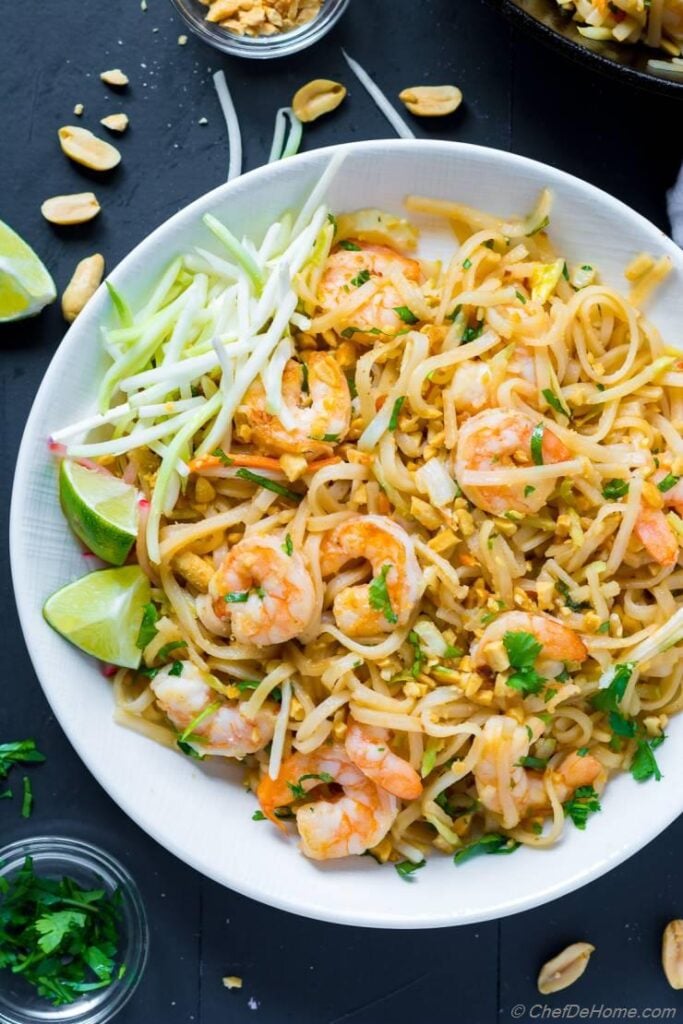
1. Pad Thai with Shrimp
Pad Thai with shrimp is Thailand’s most famous noodle dish. You’ll love the perfect mix of sweet, sour, and salty flavors.
This dish uses rice noodles, fresh shrimp, and eggs. The sauce combines tamarind, fish sauce, and palm sugar for authentic taste.
You can make this recipe in 30 minutes. Heat oil in a wok, cook the shrimp first, then add soaked noodles and sauce.
Top your pad thai with crushed peanuts, bean sprouts, and lime wedges. Fresh cilantro adds extra flavor.

2. Green Curry Chicken
Green curry chicken stands as one of Thailand’s most beloved dishes. You can make this authentic recipe at home in just 30 minutes.
The dish combines green curry paste with creamy coconut milk. Fresh herbs and tender chicken create bold flavors that taste complex but remain simple to prepare.
You start by frying the curry paste to release its oils. Then add coconut milk, chicken, and vegetables.
The result is a fragrant curry perfect for weeknight dinners. This gluten-free dish works well with rice and can easily feed your family.

3. Massaman Beef Curry
Massaman beef curry is one of Thailand’s most beloved dishes. This rich curry combines tender beef with creamy coconut milk and aromatic spices.
The dish features a mild heat level compared to other Thai curries. You’ll find potatoes and onions alongside the beef, making it hearty and filling.
This curry uses massaman paste, which contains warm spices like cinnamon and cardamom. The beef becomes incredibly tender after slow cooking in the coconut milk.
You can make authentic massaman curry at home using store-bought curry paste. It’s perfect for cozy dinners and pairs wonderfully with jasmine rice.

4. Tom Yum Goong (Spicy Shrimp Soup)
Tom Yum Goong is Thailand’s most famous soup. The name means “boiled mixed spicy and sour” with “goong” referring to shrimp.
This clear broth combines four main flavors. You get spicy heat from Thai chilies, sourness from lime juice, and aromatic herbs like lemongrass.
The soup takes less than 30 minutes to make. You can find two versions: clear tom yum or creamy tom yum with coconut milk.
Fresh shrimp makes this dish special. Many recipes include shrimp heads for extra flavor in the broth.

5. Thai Basil Chicken (Pad Krapow Gai)
This popular Thai street food dish cooks in just 10 minutes. You stir-fry ground chicken with garlic, chilies, and fresh Thai basil leaves.
The savory sauce combines fish sauce, soy sauce, and oyster sauce. Thai basil gives the dish its unique peppery flavor that regular basil cannot match.
You serve it over jasmine rice with a fried egg on top. This creates the classic Thai comfort meal that restaurants serve everywhere.
The dish is spicy, garlicky, and full of fresh herb flavors.

6. Som Tum (Green Papaya Salad)
Som Tum is Thailand’s most famous salad. You make it with shredded green papaya, tomatoes, and long beans.
The dressing mixes lime juice, fish sauce, and palm sugar. This creates the perfect balance of sour, salty, and sweet flavors.
You pound everything together in a mortar and pestle. This helps blend the flavors and breaks down the ingredients.
The salad includes roasted peanuts for crunch. Fresh chilies add heat and spice to each bite.

7. Panang Curry with Pork
Panang curry with pork is one of Thailand’s most loved dishes. This rich curry has a thick, creamy sauce made with coconut milk.
The curry gets its nutty flavor from peanuts and curry paste. You cook tender pork pieces in the sauce until they become soft.
Panang curry is milder than other Thai curries. It has a perfect balance of sweet and salty flavors that makes it great for beginners.
You can make this dish at home in about 30 minutes. Serve it with jasmine rice for a complete meal.

8. Thai Red Curry with Duck
Thai red curry with duck creates a rich and flavorful dish. The tender duck meat pairs perfectly with creamy coconut curry sauce.
You can use duck breast or duck legs for this recipe. Duck breast cooks faster while duck legs add more depth to the curry.
The curry combines red curry paste with coconut milk. Many recipes add fruits like pineapple or lychees for sweetness.
Serve your duck curry over jasmine rice. Garnish with fresh Thai basil and cilantro for the best flavor.

9. Chicken Satay with Peanut Sauce
Chicken satay brings the authentic taste of Thai street food to your kitchen. You marinate tender chicken pieces in coconut milk, curry paste, and spices before grilling them on skewers.
The marinade uses ingredients like garlic, ginger, and turmeric. These flavors soak into the meat for the best taste.
You can use chicken breasts or thighs for this dish. The creamy peanut sauce makes the perfect dipping companion with its sweet and savory flavor.

10. Khao Pad (Thai Fried Rice)
Khao Pad is Thailand’s beloved fried rice dish. You’ll find it served everywhere from street carts to restaurants.
This simple dish uses jasmine rice as the base. Most versions include eggs, garlic, and onions.
You can add different proteins like shrimp, pork, chicken, or crab. Fish sauce and soy sauce provide the main flavoring.
The rice gets stir-fried in a hot wok with your chosen ingredients. Fresh vegetables like Chinese broccoli or carrots add color and crunch.
Thai fried rice tastes savory and aromatic. It makes a quick weeknight meal that’s filling and satisfying.

11. Larb Gai (Spicy Chicken Salad)
Larb Gai is a fresh Thai salad made with ground chicken. You mix the cooked chicken with lime juice, fish sauce, and fresh herbs.
The dish includes toasted rice powder for crunch. You add sliced shallots, green onions, and cilantro for flavor.
This salad tastes spicy, sour, and salty all at once. You can serve it with lettuce leaves as wraps or eat it on its own.

12. Tom Kha Gai (Coconut Chicken Soup)
You’ll love this creamy Thai soup that balances sweet, sour, salty, and spicy flavors perfectly. The rich coconut milk base creates a smooth texture that’s both comforting and light.
Key ingredients include galangal, lemongrass, and kaffir lime leaves. These give the soup its unique Thai taste that’s different from regular chicken soup.
You can make this dish in about 30 minutes. The chicken stays tender while mushrooms add extra texture and flavor to each bowl.

13. Moo Ping (Grilled Pork Skewers)
Moo ping brings authentic Thai street food to your grill. These pork skewers pack sweet and savory flavors that make them irresistible.
You marinate pork pieces in coconut milk, fish sauce, and cilantro. The marinade creates tender meat with bold Thai taste.
Grill the skewers over medium-high heat until cooked through. The outside gets slightly charred while staying juicy inside.
You can serve moo ping with sticky rice for a traditional Thai breakfast. They also work great as appetizers or main dishes for any meal.
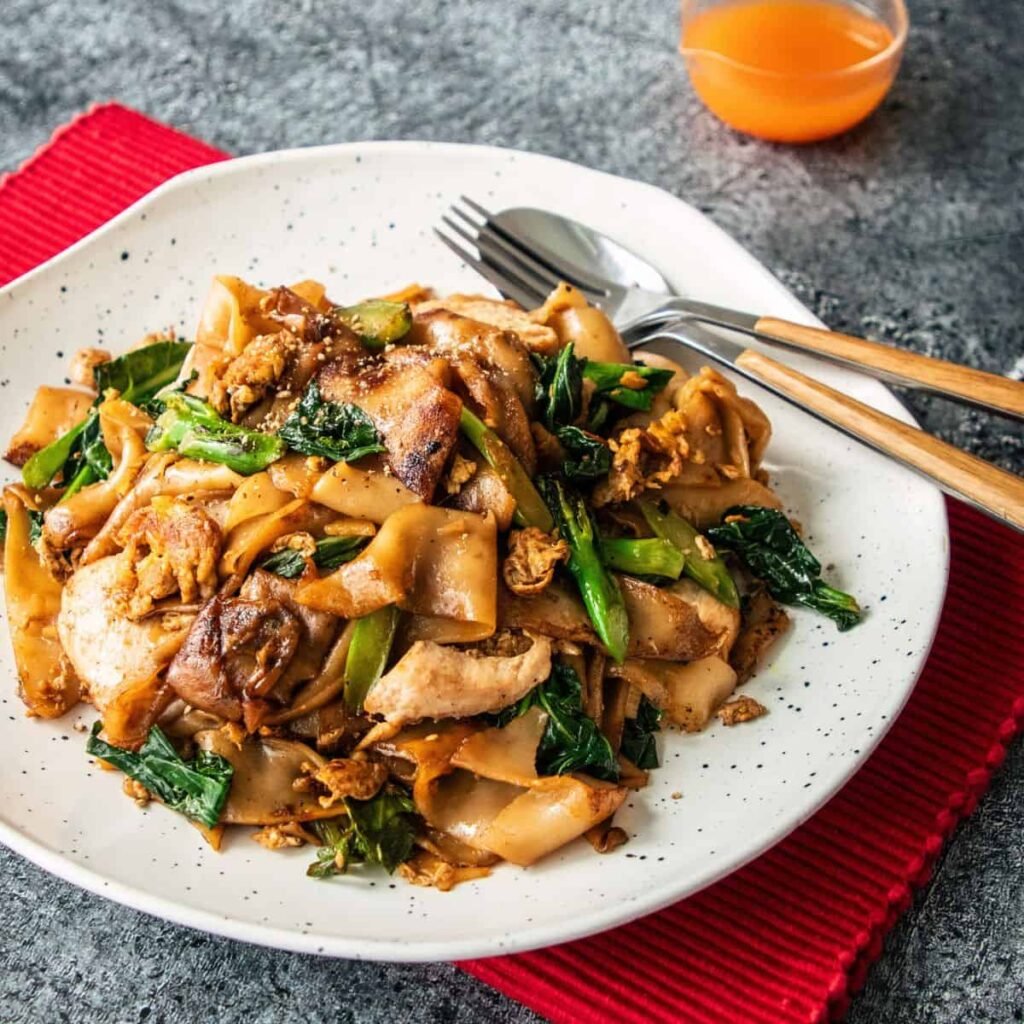
14. Pad See Ew (Stir-Fried Noodles)
Pad See Ew means “stir-fried soy sauce” in Thai. This popular street food dish uses wide rice noodles as its base.
You’ll find Chinese broccoli, scrambled eggs, and your choice of protein in every serving. The dark soy sauce gives the noodles their signature color and sweet-savory taste.
The key is cooking at high heat to get that smoky flavor. You can use chicken, pork, beef, or tofu as your protein.
This comfort food delivers bold flavors in every bite.

15. Thai Pineapple Fried Rice
Thai pineapple fried rice combines sweet and savory flavors perfectly. You cook rice with fresh pineapple chunks, vegetables, and cashews in a wok.
The dish gets its name Khao Pad from Thailand. You can add shrimp or chicken for extra protein.
The pineapple adds natural sweetness that balances the salty soy sauce. Fresh bell peppers and green onions give it crunch and color.
You can serve this in a hollowed pineapple for presentation. It makes a complete meal in about 30 minutes.

16. Pla Rad Prik (Crispy Fish with Chili Sauce)
You can make this popular Thai dish with any whole fish or fillets. The fish gets fried until golden and crispy.
The sauce combines sweet and spicy flavors. You mix chilies, garlic, palm sugar, and fish sauce together.
Some recipes add tamarind paste for tang. You pour the hot sauce over the crispy fish right before serving.
This keeps the fish crunchy while adding bold flavor. The dish works well as part of a larger Thai meal with rice and vegetables.

17. Kanom Jeen Nam Ya (Fermented Rice Noodles with Fish Curry)
You’ll find this Southern Thai dish combines tender fermented rice noodles with creamy fish curry sauce. The noodles have a tangy flavor from the fermentation process.
The curry sauce mixes coconut milk with fish and aromatic ingredients like lemongrass and galangal. You get a thick sauce that coats the noodles well.
Fresh vegetables and herbs top the dish. You might find Thai basil, pickled vegetables, and hard-boiled eggs served alongside.
This comfort food offers mild heat from curry paste with rich coconut flavors.

18. Thai Mango Sticky Rice
Thai mango sticky rice is Thailand’s most famous dessert. You make it with glutinous rice, coconut milk, and fresh ripe mangoes.
The sticky rice gets steamed until tender. Then you mix it with sweet coconut cream and a pinch of salt.
You serve the warm coconut rice with sliced fresh mango on the side. The sweet coconut flavor pairs perfectly with the juicy fruit.
This dessert is naturally gluten-free and vegan when made traditionally.

19. Yam Nua (Thai Beef Salad)
Yam Nua brings together grilled beef with fresh herbs in a bold lime dressing. You’ll love how this dish balances spicy, sour, sweet, and salty flavors.
The salad uses tender beef like sirloin or flank steak. You grill it until charred outside but still medium-rare inside.
Fresh herbs make this dish special. Cilantro, mint, and lemongrass add bright flavors.
Cucumbers, tomatoes, and onions give nice crunch. The dressing combines fish sauce, lime juice, and chilies.
You can make this complete meal in under 30 minutes.

20. Gaeng Keow Wan (Green Curry with Vegetables)
Gaeng Keow Wan means “green sweet” in Thai. This popular curry gets its bright green color from fresh green chilies and herbs.
You’ll taste creamy coconut milk mixed with spicy curry paste. The dish balances sweet and hot flavors perfectly.
Thai eggplant and fresh vegetables make this curry healthy and filling. You can add bell peppers, bamboo shoots, or green beans.
The curry paste contains lemongrass, kaffir lime leaves, and Thai basil. These ingredients give the dish its fresh, aromatic smell.
Serve your green curry over jasmine rice for a complete meal.

21. Thai Iced Tea
Thai iced tea is a sweet and creamy drink with a bright orange color. You make it with black tea, sugar, and condensed milk.
The tea uses spices like cardamom, star anise, and cinnamon. These spices give it a unique flavor that tastes different from regular iced tea.
You can buy Thai tea mix at Asian grocery stores. This makes the process easier and gives you the authentic taste.
Serve it over ice in a tall glass. The creamy milk creates beautiful layers before you stir it together.
Key Ingredients and Cooking Techniques
Thai cooking relies on specific ingredients like fish sauce, coconut milk, and fresh herbs to create its signature taste. The cooking methods focus on high heat and quick preparation to preserve flavors and textures.
Essential Thai Ingredients
Fish sauce serves as the foundation of Thai cooking. This salty liquid adds depth to almost every dish.
You can find fish sauce in the Asian section of most grocery stores. Coconut milk creates creamy curries and soups.
Use full-fat canned coconut milk for the best results. Light coconut milk works for lighter dishes.
Fresh herbs make Thai food taste authentic. You need Thai basil, cilantro stems and leaves, mint leaves, and lemongrass stalks.
Essential pastes and sauces include red curry paste, green curry paste, tamarind paste, palm sugar or brown sugar, and lime juice.
Fresh aromatics like garlic, shallots, ginger, and galangal appear in most recipes. Thai chilies add heat and flavor.
Rice forms the base of Thai meals. Jasmine rice works best for most dishes, while sticky rice pairs well with certain curries and desserts.
Traditional Cooking Methods
Stir-frying happens over very high heat. Move ingredients quickly in the pan to keep vegetables crisp and proteins tender.
Steaming preserves the natural flavors of fish and vegetables. Thai cooks often wrap food in banana leaves before steaming, but aluminum foil works as a substitute.
Grilling over charcoal adds smoky flavors to meats and vegetables. If you don’t have a charcoal grill, use high heat on a gas grill or grill pan.
Mortar and pestle grinding creates the best texture for curry pastes and sauces. Pounding releases oils from herbs and spices.
A food processor can work but won’t give the same texture. Deep frying requires oil heated to exactly the right temperature.
Most Thai fried foods need oil between 350-375°F. Test with a small piece first.
Balancing Flavors in Thai Cuisine
Thai food balances five main flavors in every dish. Sweet, sour, salty, spicy, and bitter elements work together.
Salty flavors come from fish sauce and soy sauce. Start with small amounts and taste as you go.
You can always add more but can’t take it away. Sweet elements balance the heat and saltiness.
Palm sugar tastes different from regular sugar. Brown sugar works as a substitute.
Sour notes come from lime juice, tamarind, and vinegar. Fresh lime juice tastes best.
Add lime juice at the end of cooking to preserve the bright flavor. Spicy heat comes from fresh chilies and dried chili flakes.
Remove seeds to reduce heat. Add small amounts and build up slowly.
Bitter flavors come from certain vegetables and herbs. Thai eggplant and some greens add this element naturally.
Tips for Cooking Thai Dishes at Home
Getting the right ingredients and balancing flavors makes Thai cooking much easier at home. You need to know where to find authentic items, how to control heat levels, and which tools work best.
Sourcing Authentic Ingredients
Fish sauce is the most important ingredient in Thai cooking. Look for brands like Red Boat or Three Crabs at Asian grocery stores.
These brands taste much better than versions from regular supermarkets. Thai chilies add the right heat and flavor.
Bird’s eye chilies work best, but serrano peppers make a good substitute. Avoid using jalapeños since they taste too different.
You need coconut milk with high fat content. Buy canned versions that separate into thick cream and thin liquid.
Brands like Mae Ploy or Aroy-D work well. Key ingredients to stock include palm sugar, tamarind paste or concentrate, Thai basil, galangal root, and lemongrass stalks.
Many regular grocery stores now carry basic Thai ingredients. Asian markets offer the best selection and prices.
Online retailers like Amazon also sell ingredient starter packs.
Adjusting Spice Levels
Start with one-fourth the recommended chili amount in any recipe. You can always add more heat, but you cannot take it away once added.
Different parts of chilies create different heat levels. Seeds and white parts contain the most spice.
Remove these to lower the heat while keeping the chili flavor. Dairy products do not cool Thai dishes like they do with other cuisines.
Add more coconut milk, sugar, or lime juice to balance spicy flavors. Use this heat level guide:
- Mild: 1-2 Thai chilies per dish
- Medium: 3-4 Thai chilies per dish
- Hot: 5+ Thai chilies per dish
Taste your food as you cook. Thai dishes should balance sweet, sour, salty, and spicy flavors.
Recommended Tools and Utensils
A mortar and pestle makes the biggest difference in Thai cooking. Stone versions work better than wooden ones.
You need this tool to make proper curry pastes and dressings. Wok cooking gives you the high heat needed for stir-fries.
Cast iron skillets work well if you do not have a wok. Heat the pan until it almost smokes before adding oil.
Sharp knives help you cut ingredients into uniform pieces. Thai cooking requires lots of chopping and slicing.
A good chef’s knife handles most tasks. Essential tools include a large mortar and pestle, wok or large skillet, fine mesh strainer, and wooden spoons and spatulas.
A rice cooker makes perfect jasmine rice every time. This frees you up to focus on the main dishes.
Frequently Asked Questions
Thai cooking raises many questions about ingredients, health benefits, and traditional dishes. These answers cover the most popular recipes, healthy cooking methods, and classic dishes worth mastering.
What are the top 10 most popular Thai dishes?
The most loved Thai dishes combine sweet, sour, salty, and spicy flavors in perfect balance. Pad Thai with Shrimp tops the list as the most recognized Thai noodle dish worldwide.
Green Curry Chicken offers creamy coconut milk with fresh herbs and vegetables. Massaman Beef Curry provides a milder, Persian-influenced curry with tender meat and potatoes.
Tom Yum Goong delivers bold, spicy shrimp soup with lemongrass and lime leaves. Thai Basil Chicken (Pad Krapow Gai) features ground chicken with holy basil and chili.
Other favorites include Mango Sticky Rice, Papaya Salad, Pad See Ew, Thai Fried Rice, and Coconut Soup (Tom Kha Gai).
How can I make healthy Thai recipes at home?
Use fresh ingredients and control oil amounts to make Thai food healthier. Replace regular noodles with rice noodles or vegetable spirals for lighter meals.
Steam or stir-fry vegetables instead of deep frying them. Use coconut milk sparingly or choose light coconut milk to reduce calories.
Add extra vegetables to curries and stir-fries for more nutrients. Fresh herbs like basil, cilantro, and mint boost flavor without added calories.
Limit sugar in sauces and use natural sweeteners when possible. Choose lean proteins like chicken breast, shrimp, or tofu.
What are some healthy Thai food options for weight watchers?
Tom Yum soup provides low-calorie nutrition with shrimp and vegetables. The clear broth keeps calories low while delivering bold flavors.
Papaya salad offers fresh vegetables with minimal dressing. Grilled meats with Thai herbs give protein without heavy sauces.
Larb (meat salad) uses lean ground meat with fresh herbs and lime. Steamed fish with lime and chili provides clean protein.
Choose stir-fried vegetables over fried rice. Ask for sauce on the side to control portions when eating out.
Which Thai dishes are considered to be the healthiest?
Clear soups like Tom Yum contain few calories but lots of nutrients from herbs and vegetables. The hot and sour broth aids digestion.
Grilled dishes avoid excess oil while keeping natural flavors. Som Tam (papaya salad) delivers vitamins and fiber with low calories.
Steamed fish dishes provide lean protein with aromatic herbs. Fresh spring rolls offer vegetables and herbs without frying.
Stir-fried vegetables with minimal oil give essential nutrients.
How can I find Thai food names with pictures to guide my cooking?
Online recipe sites show step-by-step photos of Thai dishes. Search for “Thai recipes with pictures” to see finished dishes and cooking steps.
Thai cooking blogs often include ingredient photos to help identify items. YouTube cooking channels demonstrate techniques with visual guides.
Thai cookbook websites display colorful food photography. Restaurant menus online show authentic dish presentations.
Food apps let you browse Thai recipes by photo. This helps you match ingredients and final results to traditional versions.
What are some classic Thai recipes every foodie should try?
Master the five fundamental dishes first: Pad Thai, Green Curry, Massaman Curry, Tom Yum Soup, and Thai Basil Chicken. These dishes represent different cooking techniques and flavor profiles.
Learn to make Thai fried rice. Try Pad See Ew for noodle variety.
Som Tam (papaya salad) teaches fresh preparation methods. Try Mango Sticky Rice for an authentic Thai dessert experience.
Tom Kha Gai (coconut soup) shows how to balance creamy and sour flavors. Larb introduces you to bold, spicy salads.
Make Thai spring rolls to round out your essential skills. These recipes teach core techniques used throughout Thai cooking.