
Vegetable smoothies offer a simple way to add more nutrients to your diet without giving up taste. Many people struggle to eat enough vegetables each day.
Blending vegetables with fruits creates drinks that are both healthy and enjoyable.
These 21 vegetable smoothie recipes combine everything from leafy greens like spinach and kale to root vegetables like carrots and sweet potatoes, showing you how to turn almost any vegetable into a delicious drink. You can use these smoothies as breakfast options, afternoon snacks, or meal replacements.
The recipes pair vegetables with fruits and other ingredients that mask any bitter flavors. They boost the nutritional value of your daily routine.
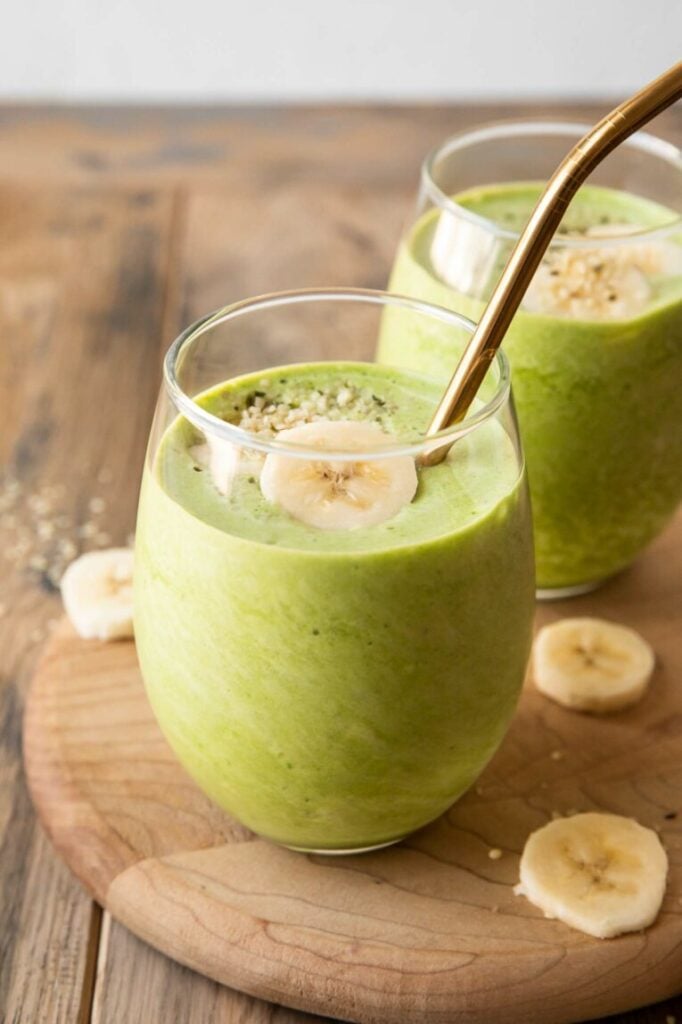
1. Spinach and Banana Smoothie
This smoothie combines two simple ingredients that work perfectly together. The banana makes it sweet and creamy.
The spinach adds vitamins without changing the taste much. You need one cup of fresh spinach and one ripe banana.
Add your choice of milk or water. Blend until smooth.
The banana covers up the spinach flavor completely. You can make it with just four basic ingredients.

2. Kale and Pineapple Smoothie
This green smoothie combines leafy kale with sweet pineapple for a nutritious drink. The pineapple masks the bitter taste of kale, making it perfect for beginners.
You only need four basic ingredients to make this smoothie. Add frozen banana for creaminess and almond milk for the right texture.
The drink provides vitamins, minerals, and fiber. You can enjoy it for breakfast or as an afternoon snack.

3. Carrot and Ginger Smoothie
This bright orange smoothie combines sweet carrots with zesty ginger. You get natural sweetness from the carrots plus a spicy kick from fresh ginger.
Carrots provide vitamin A and fiber. Ginger adds anti-inflammatory benefits that support your immune system.
You can use fresh carrots or carrot juice as your base. Add banana for creaminess and orange for extra vitamin C.
Fresh ginger gives the best flavor.

4. Beetroot and Apple Smoothie
This vibrant smoothie combines the earthy flavor of beets with sweet apple. The apple helps balance the strong taste of beetroot.
You get plenty of vitamins and antioxidants from both ingredients. Beetroot provides nutrients that support your health, while apples add natural sweetness and fiber.
The blend creates a beautiful red color. You can add water or your preferred liquid to reach the right consistency.

5. Avocado and Cucumber Smoothie
This smoothie combines creamy avocado with refreshing cucumber for a unique taste. You get healthy fats from the avocado and cooling hydration from the cucumber.
The thick texture makes it filling for breakfast or a snack. You can add coconut water, spinach, or yogurt to boost nutrition.
This green smoothie has about 122 calories per glass. It works well as a savory option without added sweeteners.
You can customize it with lime juice, cilantro, or leafy greens. The mild flavors blend easily with other vegetables.

6. Cauliflower and Pear Smoothie
This smoothie pairs frozen cauliflower with sweet pears for a creamy texture. The cauliflower adds thickness without changing the flavor much.
You can barely taste the vegetable in this blend. The pear’s natural sweetness covers any vegetable taste.
Frozen cauliflower works better than fresh for smoothness. Add a splash of milk or water to help it blend.
This drink tastes best when you drink it right away. You can store it in the fridge for up to 24 hours if needed.

7. Zucchini and Mint Smoothie
This smoothie combines zucchini’s mild flavor with refreshing mint. The zucchini adds fiber and nutrients without changing the taste much.
You can use frozen zucchini to make the smoothie thicker. Add fresh mint leaves for a cooling effect.
The mint helps with digestion while zucchini provides vitamins and minerals. This drink works well as a light snack or morning boost.
Try blending one cup of chopped zucchini with mint leaves, water, and a touch of honey for sweetness.

8. Celery and Green Apple Smoothie
This light green smoothie combines two simple ingredients that work well together. Celery adds fiber and helps with hydration.
Green apples bring natural sweetness to balance celery’s mild flavor. The apple makes the drink taste better and less veggie-like.
You can add spinach or banana to make it more filling. Ginger and lemon juice give extra flavor if you want more taste.
This smoothie is low in calories and good for morning energy. It’s easy to make with just a few basic ingredients.

9. Broccoli and Mango Smoothie
You can hide the taste of broccoli with sweet mango in this green smoothie. The mango masks the earthy flavor of broccoli while keeping all the nutrients.
This smoothie has about 116 calories per glass. You get fiber, vitamins, and antioxidants from both vegetables and fruit.
Use frozen broccoli florets for the best texture. Add banana to make it creamier and sweeter.
Blend the broccoli well to avoid chunks in your smoothie.

10. Swiss Chard and Orange Smoothie
Swiss chard has an earthy taste with slight bitterness. Orange juice helps mask this flavor while adding vitamin C.
You can use 3-5 large chard leaves per smoothie. Start with fewer leaves if you’re new to green smoothies.
Orange pairs well with frozen mango and raspberries. These fruits make the smoothie thick and sweet.
Add 1-2 cups of water to get the right texture. You can include honey or stevia if you want extra sweetness.

11. Cabbage and Kiwi Smoothie
This smoothie pairs sweet kiwi with mild cabbage for a unique blend. The kiwi masks the cabbage taste completely.
Cabbage adds vitamin C and fiber to your drink. It blends well and creates a smooth texture.
Use one cup of chopped cabbage with two ripe kiwis. Add half a cup of water or coconut water.
The kiwi provides natural sweetness and tartness. You can add a banana for extra creaminess if desired.

12. Sweet Potato and Cinnamon Smoothie
You can turn cooked sweet potato into a creamy smoothie that tastes like pie. This drink works great for breakfast or a snack.
Add roasted sweet potato, banana, and Greek yogurt to your blender. Pour in your choice of milk and add cinnamon and nutmeg for warm spice flavors.
The natural sweetness from sweet potato means you need less added sugar. You can include a small amount of maple syrup if desired.

13. Tomato and Basil Smoothie
This savory smoothie offers a fresh twist on traditional fruit blends. You get a rich taste that works well as a light meal or snack.
Fresh tomatoes provide the liquid base for this drink. You don’t need extra juice since tomatoes have natural water content.
Basil adds an herb flavor that pairs well with tomatoes. The combination creates a refreshing drink that tastes like summer.
You can add Greek yogurt for extra protein. This makes the smoothie thicker and more filling.

14. Asparagus and Lemon Smoothie
Asparagus brings surprising sweetness to smoothies when blended with fruit. This green vegetable adds fiber and vitamins without overpowering other flavors.
Lemon brightens the taste and balances asparagus’s mild earthiness. You can use fresh or frozen asparagus spears for this recipe.
Add banana or mango to create natural sweetness. These fruits mask any vegetable taste while keeping the smoothie creamy.
This combination works well as a morning drink or afternoon snack. The asparagus provides nutrients while the lemon adds vitamin C.

15. Pea and Lime Smoothie
You can make a protein-packed smoothie using frozen green peas and fresh lime juice. This combination gives you a creamy texture with a bright, citrusy flavor.
Peas add natural protein and fiber to your drink. The lime adds vitamin C and makes the smoothie taste fresh and tangy.
Blend one cup of frozen peas with the juice of one lime, half a banana, and some water or plant milk. Add a touch of honey if you want extra sweetness.

16. Parsley and Grapefruit Smoothie
This bright smoothie combines fresh parsley with tangy grapefruit for a refreshing drink. The mix tastes crisp and citrusy.
Parsley adds important nutrients to your smoothie. Use about half a cup of fresh parsley per serving for the best flavor.
Grapefruit brings vitamin C and natural acids to the blend. These nutrients support healthy skin and give you energy.
This smoothie works well as a morning drink or afternoon snack. One glass has around 106 calories.
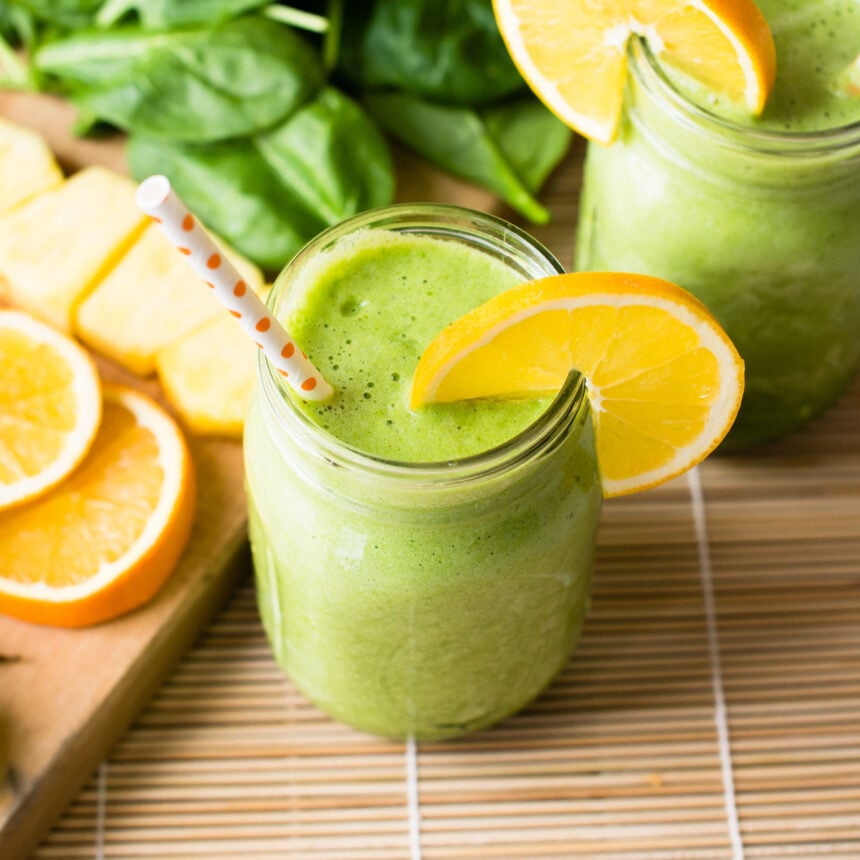
17. Fennel and Green Grape Smoothie
This smoothie combines fennel’s unique licorice-like taste with sweet green grapes. Fennel has a distinct flavor that isn’t too strong in smoothies.
Green grapes add natural sweetness and balance the fennel’s taste. You get vitamin C and fiber from both ingredients.
Fennel contains anti-inflammatory compounds that may help reduce inflammation in your body. The grapes provide antioxidants and natural sugars for energy.
This combination works well for breakfast or an afternoon snack. Add some spinach or yogurt to boost the nutrition even more.

18. Green Bean and Melon Smoothie
Green beans add protein and fiber to your smoothie. They have a mild taste that won’t overpower other ingredients.
Melon brings natural sweetness and helps balance the veggie flavor. You can use cantaloupe or honeydew for the best results.
This combo creates a refreshing drink perfect for summer. The melon keeps you hydrated while green beans boost nutrition.
Try adding a handful of spinach for extra vitamins. A splash of coconut milk makes it creamier.

19. Turnip and Blueberry Smoothie
This smoothie combines turnip greens with sweet blueberries for a healthy drink. Turnip greens add vitamins and minerals to your smoothie.
The blueberries make the drink taste sweet and fruity. You won’t taste the turnip greens much because the berries cover the bitter flavor.
Turnip greens give you vitamin K and calcium. Blueberries add antioxidants that are good for your body.
Blend one cup of turnip greens with half a cup of blueberries. Add water or milk to make it smooth.

20. Brussels Sprout and Cranberry Smoothie
This smoothie pairs the earthy taste of Brussels sprouts with tart cranberries. You get a powerful nutrition boost from both ingredients.
Brussels sprouts contain sulfur compounds that support your body’s natural detox process. Fresh or frozen cranberries add vitamin C and antioxidants.
Start with 2-3 cooked Brussels sprouts to avoid a bitter taste. Add half a cup of cranberries and your favorite liquid base.
Blend well for the smoothest texture.

21. Radish and Strawberry Smoothie
This unique smoothie combines sweet strawberries with spicy radishes. The mix creates a balanced drink with interesting flavors.
You need 3 cups of strawberries with leaves removed. Add 3 radish plants without leaves and 1 cup of orange juice.
Radishes give your smoothie a spicy kick that wakes up your taste buds. Strawberries add natural sweetness and fiber for better digestion.
This combination provides vitamin C and antioxidants. The orange juice helps blend the flavors together smoothly.
Health Benefits of Vegetable Smoothies
Vegetable smoothies deliver concentrated vitamins, minerals, and fiber in an easy-to-drink format. They provide powerful antioxidants that strengthen your immune system.
They support healthy digestion through increased fiber intake.
Key Micronutrients and Their Roles
Vegetable smoothies pack essential vitamins and minerals your body needs daily. Leafy greens like spinach and kale provide vitamin K for bone health and folate for cell repair.
Carrots and sweet potatoes add beta-carotene, which your body converts to vitamin A. This nutrient supports eye health and immune function.
Potassium from vegetables like beets and celery helps control blood pressure. It also supports proper muscle and nerve function.
Here are key nutrients you get from common smoothie vegetables:
| Vegetable | Key Nutrients | Benefits |
|---|---|---|
| Spinach | Iron, Vitamin K, Folate | Blood health, bone strength |
| Carrots | Beta-carotene, Vitamin A | Eye health, immunity |
| Beets | Potassium, Nitrates | Heart health, blood flow |
| Kale | Vitamin C, Calcium | Immune support, bone health |
Digestive Health and Fiber Intake
The fiber in vegetable smoothies supports healthy digestion. Most vegetables contain both soluble and insoluble fiber types.
Soluble fiber from vegetables like carrots dissolves in water. It helps lower cholesterol and stabilizes blood sugar levels.
Insoluble fiber from leafy greens adds bulk to stool. This promotes regular bowel movements and prevents constipation.
Fiber also feeds beneficial gut bacteria. These bacteria produce compounds that reduce inflammation and support immune health.
One cup of spinach provides 0.7 grams of fiber. Adding cucumber gives you another 0.5 grams per cup.
Antioxidants and Immunity Support
Vegetable smoothies deliver antioxidants that protect your cells from damage. These compounds fight free radicals that can cause illness and aging.
Vitamin C from bell peppers and broccoli strengthens your immune system. It helps your body produce white blood cells that fight infections.
Carotenoids give vegetables their bright colors. They reduce inflammation and may lower cancer risk.
Dark leafy greens contain lutein and zeaxanthin. These antioxidants protect your eyes from harmful blue light damage.
Purple vegetables like purple cabbage provide anthocyanins. These compounds support brain health and memory function.
Tips for Making Nutrient-Rich Vegetable Smoothies
The key to creating delicious vegetable smoothies lies in balancing sweet and earthy flavors while choosing the freshest ingredients. Avoiding common preparation mistakes will help you maximize both taste and nutritional value.
Balancing Flavors and Textures
Start with mild vegetables like spinach or cucumber when you’re new to vegetable smoothies. These blend well without overwhelming other flavors.
Add sweet fruits to balance bitter greens. Try frozen mango with kale or pineapple with spinach.
The sweetness masks vegetable tastes while keeping nutrients high. Use a 2:1 ratio of fruit to vegetables when starting out.
As you get used to the taste, you can add more vegetables and reduce fruit. Frozen fruits create thick, creamy textures without needing ice.
Frozen bananas work especially well as a base ingredient. Add healthy fats like avocado or nut butter.
These create smooth textures and help your body absorb fat-soluble vitamins from the vegetables. Include liquid gradually.
Start with small amounts of water, plant milk, or coconut water. You can always add more if the smoothie is too thick.
Selecting Fresh and Seasonal Produce
Choose dark leafy greens that look crisp and bright. Avoid wilted or yellowing leaves, which have fewer nutrients and can taste bitter.
Buy seasonal vegetables for better flavor and lower costs. Summer squash works well in warm months.
Winter root vegetables add substance in colder seasons. Store vegetables properly to keep nutrients intact.
Keep leafy greens in the refrigerator and use them within 3-5 days of purchase. Prep vegetables ahead by washing and chopping them.
Store prepared vegetables in airtight containers for quick smoothie making. Frozen vegetables work well and often contain more nutrients than fresh ones that have traveled long distances.
Frozen spinach, cauliflower, and carrots blend smoothly. Check for organic options when possible, especially for vegetables with thin skins that you don’t peel.
Common Mistakes to Avoid
Don’t add too many vegetables at once. Start with one type and gradually increase variety as your taste buds adjust.
Avoid strong-tasting vegetables like raw broccoli or Brussels sprouts in smoothies. These can create unpleasant flavors and textures.
Never skip washing vegetables, even pre-washed ones. Dirt and bacteria can contaminate your smoothie and make you sick.
Don’t blend for too long. Over-blending can make smoothies warm and destroy some nutrients.
Blend just until smooth. Avoid adding too much liquid at the start.
You can’t remove excess liquid easily, but you can always add more. Don’t make large batches to store.
Vegetable smoothies lose nutrients quickly and can develop off flavors within 24 hours.
Frequently Asked Questions
Making vegetable smoothies raises common concerns about taste balance, nutritional benefits, and ingredient combinations. These questions address practical tips for creating delicious drinks that both adults and children will enjoy.
What are the top vegetables to include in a weight loss smoothie?
Spinach offers the best foundation for weight loss smoothies. It contains only 7 calories per cup and blends easily without affecting taste.
Kale provides more fiber than spinach. This helps you feel full longer and supports healthy digestion.
Cucumber adds volume and hydration with minimal calories. It creates a refreshing base that pairs well with fruits.
Celery contains natural compounds that may boost metabolism. Add small amounts to avoid overpowering other flavors.
How can you ensure vegetable smoothies are both nutritious and flavorful?
Start with mild vegetables like spinach or cucumber. These won’t compete with fruit flavors in your smoothie.
Add sweet fruits to balance vegetable tastes. Bananas, pineapples, and mangoes work particularly well with greens.
Use frozen fruits instead of ice. This creates a creamy texture while maintaining strong fruit flavors.
Include natural flavor enhancers like ginger or mint. Small amounts can transform the entire taste profile.
Which vegetables blend well together for a beginner-friendly smoothie?
Spinach and cucumber create the mildest vegetable base. Both have neutral tastes that won’t overwhelm beginners.
Carrots pair naturally with ginger for a warming combination. The sweetness helps mask any vegetable taste.
Avocado blends with any green vegetable. It adds creaminess while keeping flavors smooth and mild.
Start with single vegetables before mixing. This helps you learn which flavors you prefer most.
What are the health benefits of incorporating leafy greens into smoothies?
Spinach delivers iron, folate, and vitamin K in every serving. These nutrients support blood health and bone strength.
Kale contains more vitamin C than oranges. It also provides calcium and antioxidants that protect your cells.
Leafy greens add fiber without extra calories. This helps regulate blood sugar and supports digestive health.
Green vegetables provide nitrates that may improve exercise performance. Regular consumption can boost your energy levels.
How do you properly balance fruit and vegetable ratios in a smoothie for optimal taste?
Use a 2:1 ratio of fruit to vegetables when starting out. This ensures sweetness dominates while you adjust to vegetable flavors.
Gradually increase vegetables as your taste buds adapt. Work toward a 1:1 ratio for maximum nutritional benefits.
Choose sweeter vegetables like carrots or beets initially. These require less fruit to create pleasant flavors.
Frozen fruits work better than fresh for balancing. They provide concentrated sweetness and better texture.
What are some tips for making vegetable smoothies more appealing to kids?
Hide vegetables behind strong fruit flavors. Berries and tropical fruits mask green vegetable tastes effectively.
Make smoothies colorful and fun. Purple smoothies from beets or green ones from spinach create visual interest.
Let children choose one ingredient to add. This gives them control and makes them more likely to drink it.
Serve smoothies in special cups or with fun straws. Young children often care as much about presentation as they do about taste.