
Romanian cuisine offers a rich mix of flavors that comes from centuries of cultural influences and local traditions. The food combines simple ingredients like vegetables, meat, and grains to create hearty dishes that have fed families for generations.
These traditional recipes give you a chance to explore authentic Romanian cooking, from classic cabbage rolls and grilled sausages to sweet breads and hearty soups. You’ll discover dishes that use common ingredients in new ways. Romanian cooking focuses on fresh vegetables, herbs, and spices that create bold flavors without being too complex.
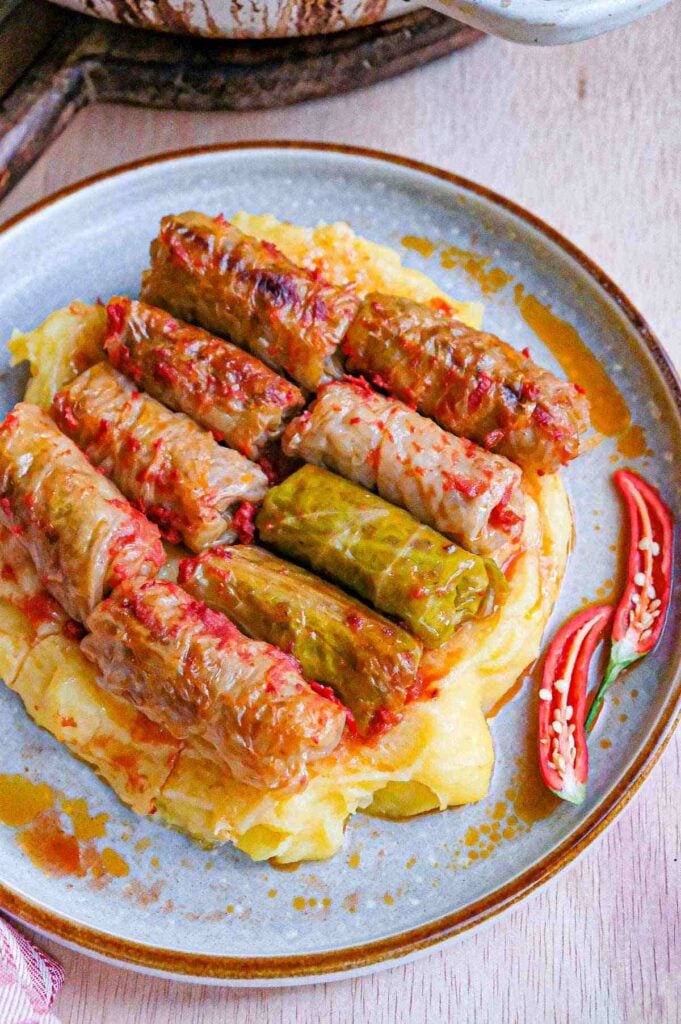
1. Sarmale (Cabbage Rolls)
Sarmale are Romania’s national dish and a must-try recipe. These cabbage rolls use pickled or sour cabbage leaves instead of fresh ones.
You stuff the cabbage with ground pork, rice, and onions. Some recipes add beef or smoked meat for extra flavor.
The rolls cook slowly in tomato sauce for hours. This makes them tender and lets the flavors blend together.
Romanians serve sarmale at Christmas dinner and family gatherings. The pickled cabbage gives them a unique sour taste that sets them apart from other cabbage roll recipes.
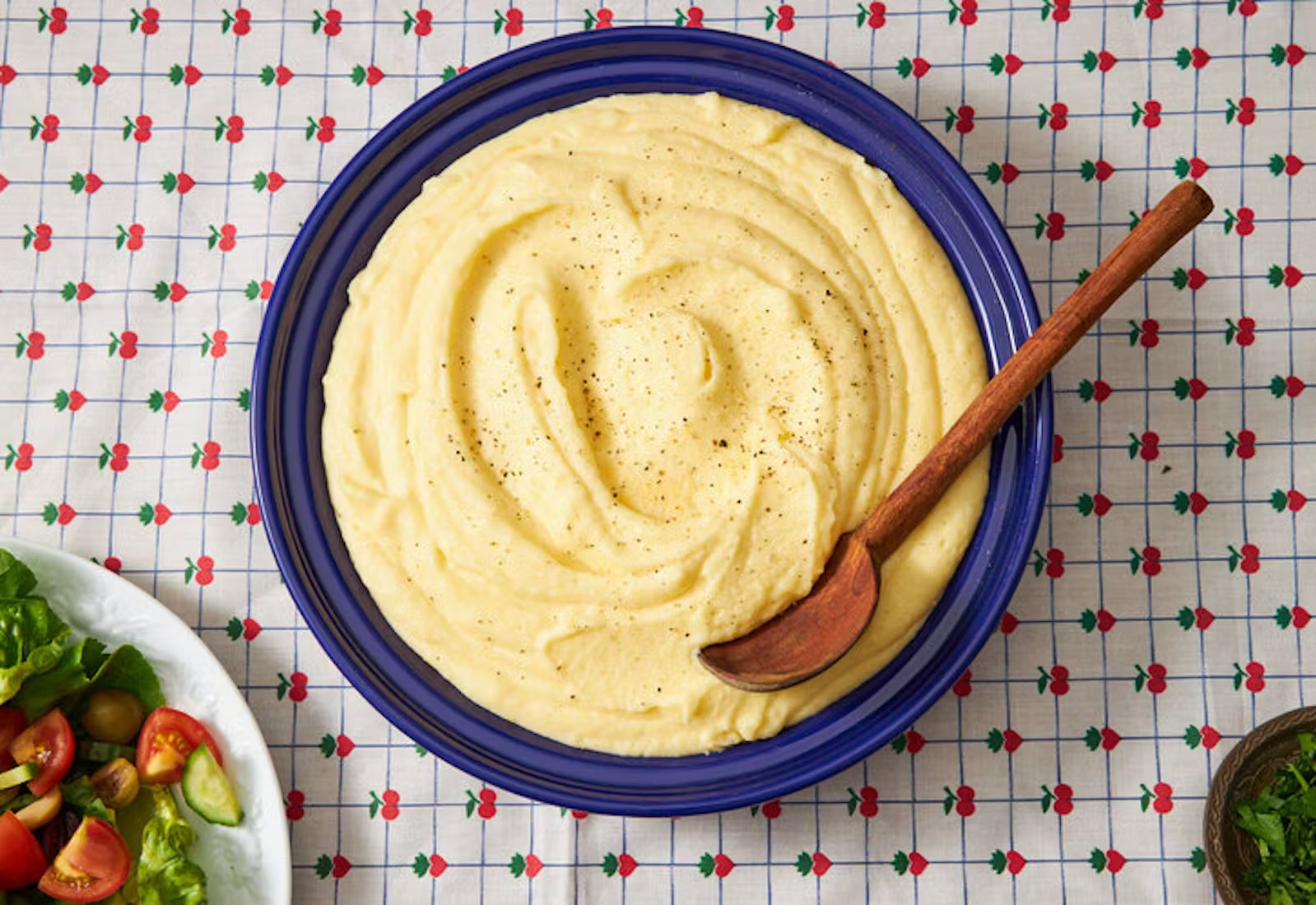
2. Mămăligă (Cornmeal Porridge)
Mămăligă is Romania’s most beloved comfort food. You make this simple dish with just cornmeal, water, and salt.
This golden porridge is similar to Italian polenta. It takes about 25-40 minutes to cook on the stovetop.
You must stir the mixture frequently while it cooks. The final texture should be thick and creamy.
Romanians serve mămăligă with cheese, sour cream, or meat stews. You can also bake or fry it after cooking for different textures.

3. Ciorbă de Burtă (Tripe Soup)
Ciorbă de Burtă is Romania’s most famous tripe soup. You’ll find this creamy, garlicky dish served at family celebrations across the country.
The soup uses beef tripe as its main ingredient. You prepare it by slow-cooking the tripe with vegetables and spices.
The finished soup has a tangy, creamy broth. Many Romanians consider it the perfect comfort food, especially during cold winter months.
You can recognize authentic Ciorbă de Burtă by its rich flavor and smooth texture. The soup often includes sour cream, garlic, and vinegar for its signature taste.

4. Mici (Grilled Sausages)
You’ll find mici at every Romanian barbecue. These skinless sausages are made from ground beef and pork mixed with garlic and spices.
The meat mixture gets shaped into small sausages without any casings. You grill them over medium heat for about 15-20 minutes until cooked through.
Romanians serve mici hot off the grill with mustard and fresh bread. A cold beer makes the perfect pairing for this popular street food.

5. Papanași (Cheese Doughnuts)
Papanași are Romania’s most beloved dessert. You’ll find these fried cheese doughnuts in nearly every traditional Romanian restaurant.
The dough combines cottage cheese, flour, eggs, and a touch of lemon zest. You shape the mixture into rings with small “caps” on top.
After frying until golden brown, you serve them hot with sour cream and jam. Blueberry or cherry preserves are the most popular toppings.
These fluffy doughnuts offer a perfect balance of sweet and tangy flavors.

6. Ciorbă de Perișoare (Meatball Soup)
Ciorbă de Perișoare is Romania’s beloved meatball soup. You’ll find this comfort food in every Romanian household.
The soup features tender beef or pork meatballs in a slightly sour broth. Fresh vegetables like carrots, onions, and potatoes make it hearty.
Romanian cooks add fermented wheat bran or vinegar to create the signature sour taste. You can serve it hot with fresh lovage on top.
Add crusty bread and sour cream for a complete meal.

7. Salată de Vinete (Eggplant Salad)
This traditional Romanian eggplant spread is one of the most popular appetizers in Eastern European cuisine. You’ll find it served at almost every Romanian gathering.
The dish starts with eggplants grilled over an open flame. This gives them a deep, smoky flavor that makes the salad special.
After grilling, you mash the eggplants and mix them with oil or mayonnaise. Some recipes add garlic and herbs for extra taste.
You can serve salată de vinete as a spread on crusty bread or as a side dish. It works well for both casual meals and special occasions.

8. Drob de Miel (Lamb Haggis)
Drob de Miel is Romania’s answer to haggis. You’ll find this traditional dish on most Easter tables across the country.
The recipe uses lamb organs like heart, liver, and kidneys. You mix these with boiled eggs, fresh herbs, and green onions.
Most families wrap the mixture in caul fat before baking. Some use pasta sheets instead.
You serve it cold as an appetizer with fresh vegetables. Each region has its own version of this Easter favorite.

9. Zacuscă (Vegetable Spread)
Zacuscă is Romania’s most popular vegetable spread. You make it with roasted eggplant, red peppers, tomatoes, and onions.
The vegetables are slowly cooked together until they form a thick, flavorful spread. This creates a rich texture that Romanians love.
You can eat zacuscă on crusty bread as a simple meal. It also works well as a side dish with grilled meats or pasta sauce.
Many Romanian families prepare large batches in autumn when vegetables are fresh. They preserve it in jars to enjoy throughout the winter months.

10. Tochitură Moldovenească (Pork Stew)
This hearty Romanian stew comes from the Moldavia region. You make it with chunks of pork, smoked sausages, and bacon cooked together.
The dish uses simple ingredients like onions, garlic, and paprika. Some recipes include white wine or tomato sauce for extra flavor.
You traditionally serve tochitură with polenta and a fried egg on top. This combination makes a filling, comfort food meal.
The stew is thick and rich, similar to goulash. It’s perfect for cold days when you want something warm and satisfying.
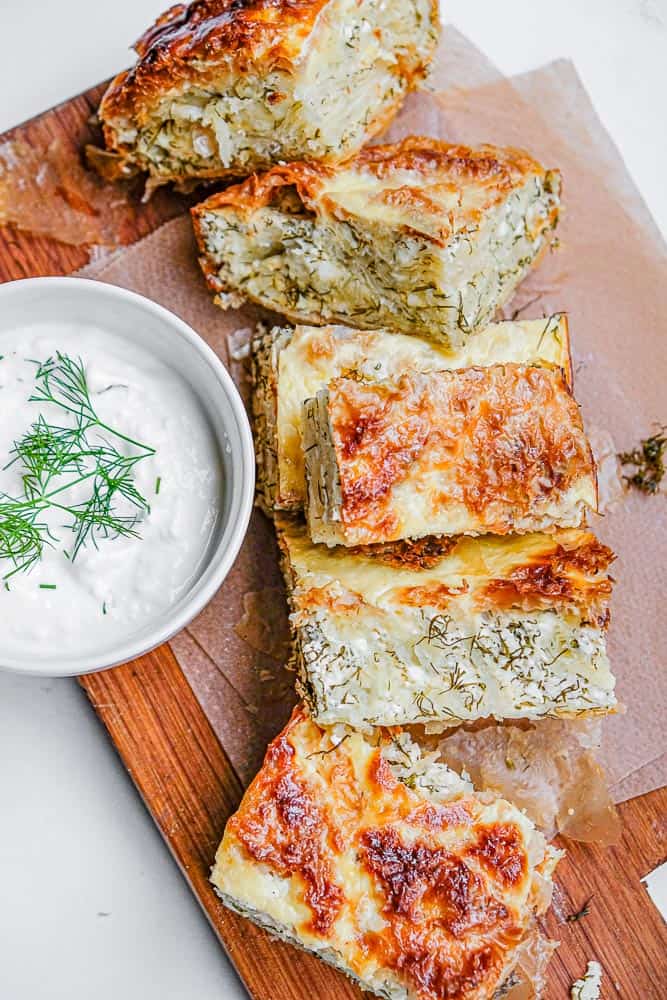
11. Plăcintă cu Brânză (Cheese Pie)
You’ll find this traditional Romanian cheese pie in both sweet and savory versions. The pastry uses layers of phyllo dough with a rich cheese filling.
For sweet versions, you combine cottage cheese or urdă with eggs, sugar, and vanilla. Many recipes add rum-soaked raisins for extra flavor.
The savory type typically uses feta cheese mixed with ricotta or cottage cheese. You layer the filling between buttered phyllo sheets and bake until golden.
This comfort food requires no yeast, making it quick to prepare. You can eat it warm or cold.

12. Piftie (Jellied Pork)
Piftie is a traditional Romanian meat aspic served during winter holidays. You make it by boiling pork feet, head, and ears for hours to release natural gelatin.
The slow cooking process creates a firm, jelly-like texture when cooled. You can add vegetables like onions, carrots, and garlic for extra flavor.
You serve piftie cold as an appetizer during Christmas and New Year celebrations. The natural gelatin from bones makes this dish set without adding artificial ingredients.

13. Saramură de Pește (Fish in Brine)
Saramură de pește is a traditional Romanian dish loved by fishermen along the Danube River. You can make this flavorful meal with various fish like carp, trout, or sea bream.
The cooking method involves grilling fish on a bed of heated salt. You then add a savory brine sauce made with tomatoes, peppers, and garlic.
This simple summer recipe combines the fresh taste of grilled fish with intense flavors from the brine. You’ll find it easy to prepare with basic ingredients most home cooks already have.

14. Cozonac (Sweet Bread)
Cozonac is Romania’s most traditional sweet bread. You’ll find it on tables during Easter and Christmas celebrations.
This soft yeast bread has a gentle sweetness. It’s similar to challah or brioche in texture.
You can fill cozonac with walnuts, cocoa, or dried fruits. The walnut filling is the most popular choice.
Making cozonac takes time and patience. The dough needs proper rising to get the right texture.
You’ll love the beautiful swirl pattern when you slice this bread. It’s both delicious and pretty to serve.

15. Tocăniță de Ciuperci (Mushroom Stew)
You’ll love this traditional Romanian mushroom stew that brings comfort to any meal. The dish combines sautéed mushrooms with onions and garlic in a rich broth.
You can make it with different mushroom types for deeper flavor. Add tomato paste, paprika, and fresh herbs like dill or parsley.
The stew often includes cream or milk with cornstarch for thickness. You can serve it as a main dish with crusty bread or as a side with roasted meats.

16. Cârnați de Pleșcoi (Smoked Sausages)
These spicy Romanian sausages come from Buzău County’s Pleșcoi village. The locals have kept their recipe secret for over 100 years.
You’ll find these sausages made mainly from mutton mixed with beef. They get their kick from chili peppers and garlic.
The traditional smoking process gives them their strong flavor. Local families still make them using methods passed down through generations.
You can buy Cârnați de Pleșcoi throughout Romania today. They’re perfect for cozy dinners when you want authentic Romanian taste with heat.

17. Friptură de Miel (Roast Lamb)
Friptură de Miel is Romania’s traditional roast lamb dish. You’ll find this meal served at Easter celebrations and special family gatherings.
The lamb is seasoned with garlic, rosemary, and salt. You roast it slowly in the oven until the meat becomes tender and juicy.
Romanian cooks often use lamb shoulder or leg for this recipe. The meat develops a golden crust while staying moist inside.
You can serve this roast lamb with roasted potatoes and fresh vegetables. It pairs well with Romanian red wine.

18. Salata de Boeuf (Beef Salad)
You’ll find this creamy Romanian beef salad on every holiday table. It’s a must-have dish for Christmas, Easter, and New Year’s Eve celebrations.
The salad combines boiled beef with diced potatoes and carrots. You add pickled vegetables and mix everything with mayonnaise.
This dish resembles potato salad but has a unique pickled twist. You can make versions with chicken or turkey instead of beef.
The recipe is simple to follow. Most ingredients are common items you likely have in your kitchen already.

19. Pasca (Easter Cheesecake)
Pasca is Romania’s most beloved Easter dessert. This traditional treat combines sweet bread dough with creamy cheese filling.
You’ll find pasca made with cow’s cheese and raisins. The cheese filling sits inside a tender, buttery bread case that bakes to golden perfection.
Romanian families prepare pasca specifically for Easter celebrations. Churches bless baskets containing pasca alongside painted eggs and cozonac bread during sunrise services.
The dessert offers rich, creamy flavors perfect after the 40-day fasting period. You can make simpler versions without dough for quicker preparation.

20. Ciorbă Rădăuțeană (Chicken Sour Soup)
This creamy Romanian chicken soup comes from the town of Rădăuți in northern Romania. Chef Cornelia Dumitrescu created it in the 1980s as a lighter version of traditional tripe soup.
You’ll taste tangy, garlicky flavors with a rich texture. The soup uses chicken breast, vegetables, and sour cream as main ingredients.
The broth gets thickened with egg yolks and sour cream. Vinegar adds the signature sour taste that makes this soup special.
You can serve it with hot peppers and crusty bread on cold days.

21. Ghiveci de Legume (Vegetable Stew)
This hearty Romanian vegetable stew brings together many seasonal vegetables in one nutritious dish. You can include up to 23 different vegetables for maximum health benefits.
Cook the vegetables in the right order for the best results. Potatoes need more time than eggplant.
Add bell peppers last to keep their crunch. You’ll typically use onions, carrots, bell peppers, cabbage, tomatoes, potatoes, and garlic.
Add olive oil and seasonings to taste. This stew works year-round with seasonal variations.
Winter versions are heartier while summer ones are lighter.
Key Ingredients in Romanian Cuisine
Romanian cooking relies on hearty ingredients that reflect the country’s agricultural roots and seasonal cooking traditions. You’ll find dishes built around cornmeal, cabbage, beans, and locally raised meats enhanced with aromatic herbs and spices.
Traditional Spices and Herbs
Paprika stands as the most important spice in Romanian kitchens. Cooks use both sweet and hot varieties in stews, meat dishes, and vegetable preparations.
Dill appears in many Romanian recipes. Cooks add it to soups, pickled vegetables, and meat dishes for its fresh, tangy flavor.
Thyme and bay leaves season slow-cooked dishes like stews and braises. These herbs add depth to traditional recipes that simmer for hours.
Caraway seeds flavor breads and meat dishes. They’re especially common in Transylvanian cooking.
Garlic is essential in Romanian cuisine. You’ll taste it in sarmale (cabbage rolls), ciorbă (sour soups), and grilled meats.
Local Meats and Dairy
Pork dominates Romanian meat dishes. You’ll find it in sausages, roasts, and traditional preparations like mici (grilled meat rolls).
Beef appears in hearty stews and stuffed vegetable dishes. Ground beef fills peppers and cabbage rolls.
Sheep’s cheese and cow’s milk cheese are staples. Fresh cheese goes into pies and pastries, while aged varieties add flavor to main dishes.
Sour cream (smântână) tops many Romanian dishes. You’ll see it served with polenta, soups, and vegetable preparations.
Eggs bind ingredients in dishes like drob (a traditional Easter dish) and various baked goods.
Fresh Vegetables and Grains
Cabbage is the most important vegetable in Romanian cooking. Fresh cabbage becomes sauerkraut, and both forms fill countless recipes.
Cornmeal makes mămăligă, Romania’s version of polenta. This grain serves as a side dish and main course base.
Beans provide protein in many traditional dishes. White beans and kidney beans appear in soups and stews, especially during winter months.
Onions form the base of most Romanian dishes. Cooks sauté them to start soups, stews, and vegetable preparations.
Bell peppers and tomatoes add color and flavor to summer dishes. Peppers get stuffed with meat and rice mixtures.
Potatoes appear as sides and in hearty soups. They’re often mashed or boiled simply.
Cultural Influences on Romanian Food
Romanian cuisine reflects centuries of cultural exchanges with neighboring empires and regions. Ottoman spices, Balkan cooking methods, and Central European techniques have all shaped the dishes you’ll find across Romania today.
Ottoman Legacy
The Ottoman Empire left a lasting mark on Romanian cooking through spices and preparation methods. You’ll taste this influence in dishes like mici (grilled meat rolls) and papanași (sweet doughnuts).
Turkish-style spices appear in many Romanian recipes. Paprika, cumin, and black pepper became common ingredients.
These spices add warmth and depth to meat dishes and stews. Stuffed vegetables show clear Ottoman influence.
Romanian ardei umpluți (stuffed peppers) and dovlecei umpluți (stuffed zucchini) mirror Turkish dolma preparations. The technique of hollowing vegetables and filling them with rice and meat came from this period.
Coffee culture also arrived through Ottoman influence. Romanian coffee preparation and serving traditions still follow Turkish methods in many regions.
Balkan and Central European Flavors
Hungarian and Austrian influences brought hearty cooking styles to Romanian kitchens. Goulash variations appear in Romanian cuisine as gulyas.
You’ll find similar slow-cooking methods in ciorbă de burtă (tripe soup). German settlers introduced sausage-making techniques and preservation methods.
These methods influenced how Romanians prepare cârnaț (traditional sausage) and other cured meats. Sauerkraut preparation came from German and Austrian traditions.
Romanian varză murată uses similar fermentation techniques. This preserved cabbage appears in many winter dishes and sarmale (cabbage rolls).
Slavic influences brought borsch preparation methods. Romanian ciorbă soups use similar sour bases made from fermented wheat bran or vinegar.
Modern Adaptations
Romanian cooks today blend traditional methods with modern ingredients and techniques. Fusion dishes combine classic Romanian flavors with international cooking styles.
Urban restaurants now serve updated versions of mămăligă (polenta) with modern presentations. Traditional cornmeal gets paired with contemporary cheeses and garnishes.
Vegetarian adaptations of meat-heavy dishes have emerged. Classic sarmale now comes in plant-based versions using mushrooms and nuts instead of meat.
Modern Romanian bakers experiment with traditional cozonac (sweet bread) recipes. They add new fillings like chocolate chips or exotic nuts while keeping the traditional dough preparation methods.
Frequently Asked Questions
Romanian cooking offers many dishes that work well for home cooks and special occasions. These questions cover the most common recipes and ingredients you’ll find in authentic Romanian kitchens.
What are some simple traditional Romanian dishes that can be made at home?
You can easily make mămăligă at home using cornmeal, water, and salt. This cornmeal porridge serves as a side dish for many Romanian meals.
Mici are simple grilled sausages made with ground beef, lamb, and spices. You shape the meat mixture into small logs and grill them.
Romanian stuffed peppers require bell peppers filled with a mixture of ground meat and rice. You bake them in tomato sauce until tender.
Which meat dishes are considered classic in Romanian cuisine?
Sarmale rank as the most famous Romanian meat dish. These cabbage rolls contain ground pork and beef mixed with rice and herbs.
Mici are traditional grilled sausages that appear at most Romanian gatherings. The meat mixture includes garlic, black pepper, and other spices.
Romanian cuisine features many pork dishes, including roasted pork with garlic and various stews. Beef and lamb also appear in traditional recipes.
Can you list typical Romanian soups and their key ingredients?
Ciorbă de burtă is Romania’s most famous soup. It contains tripe, vegetables, garlic, and sour cream with a tangy flavor from vinegar or lemon.
Chicken soup with dumplings uses chicken broth, vegetables, and small dough balls called gălușți. Fresh dill and parsley add flavor.
Bean soup includes white beans, smoked meat, and vegetables. Onions, carrots, and tomatoes create the base for this hearty soup.
What foods are typically served at Romanian celebrations and gatherings?
Sarmale appear at almost every Romanian celebration. Families often make large batches for Christmas, Easter, and weddings.
Mici are popular at outdoor gatherings and barbecues. You serve them with mustard and fresh bread.
Papanași are traditional cheese doughnuts topped with sour cream and jam. These sweet treats often end celebration meals.
What is a traditional Romanian chicken soup, and how is it prepared?
Romanian chicken soup starts with a whole chicken boiled with vegetables like carrots, onions, and celery. You remove the chicken and shred the meat.
The soup includes small dumplings made from flour, eggs, and water. You drop spoonfuls of this mixture into the boiling broth.
Fresh herbs like dill and parsley finish the soup. Some recipes add noodles instead of dumplings.
What street food options are popular in Romania and reflect the local flavors?
Mici are the most common Romanian street food. Vendors grill these small sausages and serve them hot with mustard.
Covrigi are Romanian pretzels sold by street vendors. They come in different sizes and often have seeds or salt on top.
Langos is fried bread topped with sour cream, cheese, or other ingredients. This Hungarian-influenced food is popular in Romanian cities.