
Baking vegan cookies doesn’t mean giving up on taste or texture. These plant-based treats can be just as delicious and satisfying as traditional cookies made with butter and eggs.
You can create amazing vegan cookies using simple substitutes that deliver the same rich flavors and perfect textures you love.
Whether you’re craving classic chocolate chip cookies or want to try something new like salted caramel or mint chocolate varieties, vegan baking offers endless possibilities. From traditional favorites to creative seasonal flavors, you’ll discover recipes that work for every occasion and taste preference.
These recipes use common ingredients you likely already have in your kitchen. This makes it easy to whip up a batch whenever the craving hits.
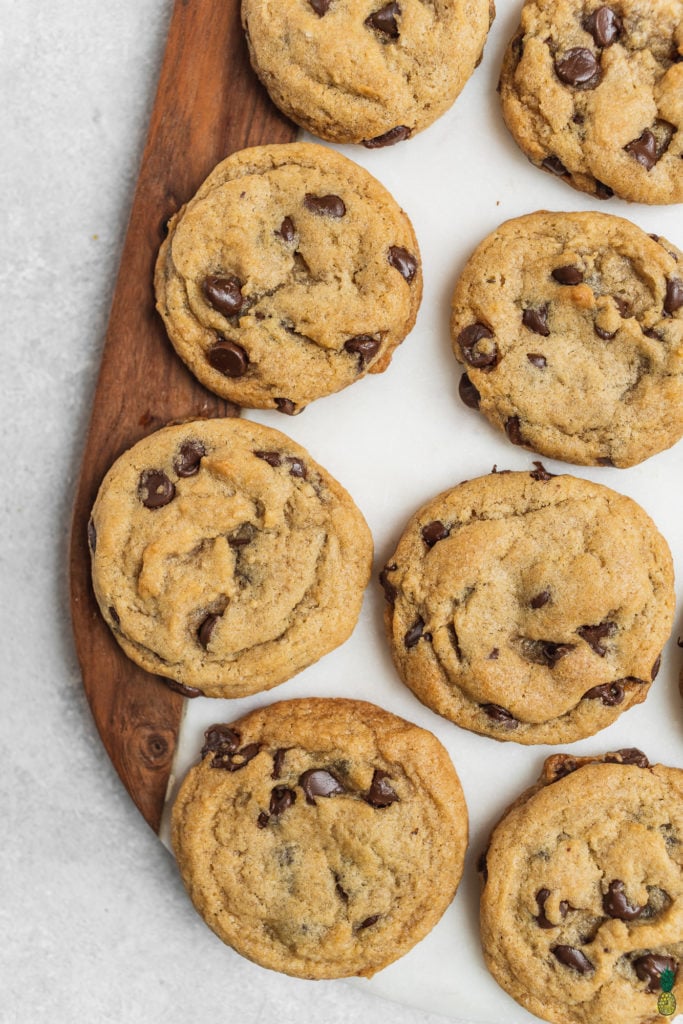
1. Classic Vegan Chocolate Chip Cookies
These cookies taste just like regular chocolate chip cookies. You won’t miss the butter or eggs.
Most recipes use simple ingredients you already have. Plant-based butter, flour, and sugar make the base.
Brown sugar adds extra flavor. You can make these in one bowl.
No special equipment needed. The cookies come out soft in the middle with crispy edges.
They’re loaded with chocolate chips in every bite.

2. Vegan Peanut Butter Cookies
These classic cookies are perfect for new vegan bakers. You only need simple ingredients like peanut butter, flour, and sugar.
Most recipes use just one bowl. This makes cleanup quick and easy.
The cookies turn out soft and chewy with rich peanut butter flavor. You can make them crunchy if you prefer that texture instead.
Try adding chocolate chips or chopped walnuts for extra taste. Some recipes need only three ingredients to make delicious cookies.

3. Vegan Snickerdoodles
Vegan snickerdoodles taste just like regular ones. You won’t miss the dairy or eggs at all.
These cookies are soft and chewy on the inside. The outside has a light crispy coating from the cinnamon sugar.
Most recipes use simple swaps like applesauce and plant milk. You can make them in one bowl in about 10 minutes.
The key is rolling the dough balls in cinnamon sugar before baking. This creates that classic snickerdoodle flavor and texture.

4. Vegan Oatmeal Raisin Cookies
These cookies taste just like the classic version you remember. They have soft, chewy centers with slightly crisp edges.
You can make them without eggs or butter. Most recipes use plant-based milk and vegan butter substitutes.
The key ingredients are oats, raisins, cinnamon, and brown sugar. Some recipes add nutmeg for extra spice.
These cookies are easy to make and bake quickly. You can also find oil-free versions sweetened with maple syrup and applesauce.

5. Vegan Gingerbread Cookies
These festive cookies bring warm spices to your holiday baking. You can make them with simple ingredients like coconut oil, molasses, ginger, and nutmeg.
The dough rolls out easily for cut-out shapes. Your cookies will come out soft in the middle with slightly crisp edges.
You can decorate them with vegan icing or enjoy them plain. They work great for cookie exchanges or family baking activities with kids.

6. Vegan Double Chocolate Cookies
These cookies give you rich chocolate flavor without any animal products. They taste fudgy and chewy like brownies in cookie form.
You can make them with cocoa powder and vegan chocolate chips. Most recipes use plant milk and vegan butter instead of dairy.
The cookies have crispy edges and soft centers. They’re perfect when you want something sweet and chocolatey.
You don’t need to chill the dough before baking. This makes them quick and easy to prepare.

7. Vegan Shortbread Cookies
Vegan shortbread cookies taste just like the classic version. You only need a few basic ingredients to make them.
The key is using good vegan butter instead of regular butter. Modern vegan butter works much better than old options.
These cookies have a buttery, crumbly texture that melts in your mouth. You can make them with just 3-4 simple ingredients.
They’re perfect for holidays or anytime you want a simple treat. The recipe is easy and works every time.

8. Vegan Sugar Cookies
Vegan sugar cookies are soft, chewy, and buttery without any dairy or eggs. You can make them in one bowl with simple ingredients like flour, sugar, oil, and vanilla.
These cookies don’t need to chill in the fridge. You can roll out the dough right away and cut fun shapes.
The cookies bake up thick and tender. You can eat them plain or add frosting on top for extra sweetness.

9. Vegan Lemon Sugar Cookies
These cookies bring bright citrus flavor to your cookie jar. They’re made without eggs or dairy but still taste amazing.
You’ll use fresh lemon juice and lemon zest for the best flavor. The cookies turn out soft and chewy every time.
Most recipes need no chill time. You can have fresh cookies ready in about 20 minutes.
The dough uses simple ingredients you probably have at home. Some versions include frosting or icing for extra sweetness.

10. Vegan Molasses Cookies
These cookies capture the warm, spiced flavor of traditional molasses cookies without any dairy or eggs. You get the same chewy texture and rich taste.
The key ingredients include molasses, ginger, and cinnamon. These create that classic holiday cookie flavor.
Most recipes need just one bowl and take about 30 minutes to make. You can expect cookies that are crispy outside and soft inside.
The cookies develop a crinkled top when baked. This gives them the perfect look for holiday cookie exchanges.

11. Vegan Almond Cookies
These cookies bring together the rich taste of almonds with simple plant-based ingredients. You can make them with almond flour for a gluten-free option.
The texture combines a crunchy outside with a soft, chewy center. Most recipes need just a few basic ingredients.
You can prepare these cookies in under 20 minutes. They work well for everyday snacking or special occasions.
Many versions are naturally gluten-free and grain-free. Some recipes only need three ingredients.

12. Vegan Coconut Macaroons
Vegan coconut macaroons are sweet, chewy cookies with crispy golden edges. You can make them with just four simple ingredients.
These treats are naturally gluten-free and dairy-free. They have a rich coconut flavor that shines through in every bite.
You can dip them in dark chocolate for extra sweetness. The cookies bake quickly and stay moist on the inside while getting toasted on the outside.
Most traditional macaroons use egg whites or condensed milk, but vegan versions skip these ingredients completely.

13. Vegan Banana Walnut Cookies
These cookies combine sweet banana flavor with crunchy walnuts. You can make them with simple ingredients like mashed bananas, flour, and chopped walnuts.
The banana acts as a natural sweetener and helps bind the cookies together. You don’t need eggs or dairy to get a soft, chewy texture.
Many recipes use oats or almond flour for extra nutrition. Some versions are oil-free and sugar-free too.
These cookies work great for breakfast or snacks. They taste like banana bread in cookie form.

14. Vegan Maple Pecan Cookies
These cookies bring together maple syrup and toasted pecans for a perfect fall treat. You can make them soft and chewy or crispy on the edges.
Most recipes use maple syrup instead of refined sugar. This gives the cookies a rich, natural sweetness that pairs well with the nutty pecans.
You can find both gluten-free and regular flour versions. Many recipes also include chocolate chips for extra flavor.
The cookies work great for holidays or everyday snacking. You can store them in the freezer to enjoy throughout the season.

15. Vegan Pumpkin Spice Cookies
These cookies bring fall flavors to your kitchen. You can make them with simple ingredients like pumpkin puree, flour, and warm spices.
The texture turns out soft and chewy. Pumpkin puree keeps the cookies moist without using eggs or butter.
You need cinnamon, nutmeg, and ginger for the classic pumpkin spice taste. Many recipes take just 20 minutes to prepare.
These cookies work great for Halloween or Thanksgiving. You can add sweet icing on top if you want extra sweetness.

16. Vegan Double Chocolate Chunk Cookies
These cookies give you double the chocolate without any dairy or eggs. You get rich cocoa powder mixed into the dough plus chunks of dark chocolate scattered throughout.
The texture is perfect with crispy edges and soft centers. Each bite delivers intense chocolate flavor that satisfies any craving.
You can make them gluten-free by using the right flour blend. They bake quickly and need no chill time.

17. Vegan White Chocolate Cranberry Cookies
These cookies mix sweet white chocolate with tart cranberries for a perfect balance. You can make them in just 20 minutes with simple ingredients.
The cookies have crunchy edges and soft, chewy centers. Most recipes use vegan butter and sugar as the base.
You’ll need dairy-free white chocolate chips and dried cranberries. Some versions include oats for extra texture.
These cookies work great for holidays or any time of year. They’re naturally dairy-free and egg-free when made with plant-based ingredients.

18. Vegan Espresso Chocolate Chip Cookies
These cookies blend rich coffee flavor with sweet chocolate chips. The espresso adds a bold taste that makes them stand out from regular chocolate chip cookies.
You can make them with simple ingredients like flour, vegan butter, and espresso powder. Some recipes include coconut sugar for extra sweetness.
The coffee flavor pairs well with dark chocolate chips. You get soft, chewy cookies with crispy edges.

19. Vegan Mint Chocolate Cookies
These cookies bring together rich chocolate and fresh mint flavor. You can make them with common pantry ingredients.
Most recipes use peppermint extract for the mint taste. Dark chocolate chips add extra richness to each bite.
The cookies come out soft and chewy. Some versions have a green color from food coloring.
You can make them thin and crispy like store-bought thin mints. Or go for thick, cake-like cookies with lots of chocolate chips.

20. Vegan Salted Caramel Cookies
These cookies combine sweet caramel with a hint of sea salt for perfect flavor balance. You can make them as thumbprint cookies filled with caramel sauce.
Many recipes use date paste to create natural caramel without dairy. This makes the cookies healthier while keeping them sweet and chewy.
You can add chocolate chips or protein powder to boost nutrition. The buttery cookie base pairs well with homemade vegan caramel sauce.
These treats work great for holiday baking or everyday snacks.

21. Vegan Toffee Cookies
These cookies combine sweet toffee flavor with rich chocolate. You can make them as bars or individual cookies.
Most recipes use simple ingredients like vegan butter and plant milk. The toffee taste comes from brown sugar and vanilla.
You can add chocolate chips and chopped nuts on top. Some recipes include actual vegan toffee pieces mixed into the dough.
These cookies have a buttery texture and sweet flavor. They taste similar to traditional toffee cookies without dairy or eggs.
Vegan Baking Essentials
Making great vegan cookies requires knowing which plant-based ingredients work best as replacements and understanding how they affect texture.
The right substitutes and techniques will help you create cookies that are just as delicious as traditional recipes.
Plant-Based Ingredient Substitutions
Butter Replacements
Coconut oil works as the most popular butter substitute in vegan cookies. Use it at room temperature for creaming with sugar.
Vegan butter sticks also work well and measure exactly like regular butter.
Egg Alternatives
Ground flaxseed mixed with water creates a binding effect similar to eggs. Mix 1 tablespoon ground flaxseed with 3 tablespoons water per egg.
Let it sit for 5 minutes until it gets thick. Applesauce adds moisture to cookies.
Use ¼ cup unsweetened applesauce per egg.
Milk Substitutes
Almond milk, oat milk, and soy milk all work in cookie recipes. Choose unsweetened versions to control the sugar content.
These plant milks have similar consistency to dairy milk in baking.
Tips for Achieving the Perfect Cookie Texture
Fat and Sugar Balance
Brown sugar creates chewier cookies than white sugar. Mix both types for the best texture.
The coconut oil and brown sugar combination makes cookies especially chewy.
Temperature Matters
Keep your coconut oil at room temperature, not melted. This helps create the right cookie structure.
Don’t Overmix
Stir the dough just until ingredients combine. Overmixing makes cookies tough instead of tender.
Chill the Dough
Refrigerate cookie dough for 30 minutes before baking. This prevents cookies from spreading too much and helps them keep their shape.
Troubleshooting Common Vegan Cookie Issues
Vegan cookies can spread too much or fall apart due to missing binding agents and fat ratios. Simple ingredient swaps and proper mixing techniques help create cookies with better texture and deeper flavors.
Preventing Spreading and Crumbling
Chill your dough for at least 30 minutes before baking. Cold dough holds its shape better and prevents cookies from spreading into thin, crispy discs.
Replace eggs with proper binding agents. Use these ratios per egg:
- 1 tablespoon ground flaxseed + 3 tablespoons water (let sit 5 minutes)
- 1/4 cup applesauce for chewy cookies
- 2 tablespoons aquafaba for lighter textures
Adjust your fat content carefully. Use solid coconut oil, not melted. Keep vegan butter at room temperature for proper creaming.
Add 1-2 tablespoons extra flour if your dough feels too wet. Vegan ingredients often contain more moisture than dairy versions.
Don’t overmix once you add flour. This creates tough, crumbly cookies that break apart easily.
Flavor Enhancement Techniques
Add salt to every cookie recipe. Use 1/2 teaspoon salt per 2 cups flour to boost sweetness and depth.
Brown your vegan butter in a pan until nutty and golden. Let it cool before mixing into dough for richer flavor.
Use vanilla extract plus almond extract together. Try 1 teaspoon vanilla and 1/4 teaspoon almond for complex taste.
Mix sugars for better flavor and texture. Use half brown sugar and half white sugar instead of all one type.
Add espresso powder to chocolate cookies. Just 1 teaspoon makes chocolate taste deeper without coffee flavor.
Toast nuts and oats before adding them. Spread on a baking sheet for 5-8 minutes at 350°F until golden.
Frequently Asked Questions
Maple syrup works well in chewy cookies like oatmeal varieties. Use about 3/4 the amount of maple syrup compared to regular sugar.
Date paste creates natural sweetness in dense cookies. Blend pitted dates with water until smooth.
Coconut sugar provides a 1:1 replacement for white sugar. It adds a slight caramel flavor that works great in chocolate chip cookies.
Stevia requires careful measuring since it’s much sweeter than sugar. Use only 1 teaspoon of stevia powder for every cup of sugar the recipe calls for.
Almond flour creates tender cookies when combined with natural sweeteners like mashed bananas. Add extra binding agents since gluten-free flours don’t hold together as well.
Oat flour mixed with coconut sugar makes excellent snickerdoodles. Grind rolled oats in a blender to make your own oat flour.
Ground flaxseed helps bind ingredients together. Mix 1 tablespoon of ground flaxseed with 3 tablespoons of water for each egg replacement.
Coconut flour absorbs more liquid than wheat flour. Use about 1/4 the amount and add extra non-dairy milk to prevent dry cookies.
Vegan butter produces the same rich flavor as regular butter in most cookie recipes. Use it in equal amounts as dairy butter.
Coconut oil creates crispy edges in chocolate chip cookies. Let it soften to room temperature before mixing with other ingredients.
Applesauce replaces eggs in soft cookies like gingerbread. Use 1/4 cup of unsweetened applesauce per egg.
Non-dairy milk adds moisture when cookies seem too dry. Oat milk and soy milk work best for baking.
Almond flour creates rich, buttery cookies with a tender texture. It works especially well in peanut butter cookies.
Coconut flour makes light, cake-like cookies. You need less coconut flour than regular flour since it’s very absorbent.
Hazelnut flour adds nutty flavor to chocolate cookies. Mix it with other flours for better texture.
Cashew flour produces mild-tasting cookies that don’t overpower other flavors. It’s perfect for vanilla-based recipes.
Replace butter with coconut oil or vegan butter sticks. Both create the chewy texture oatmeal cookies need.
Use ground flaxseed mixed with water instead of eggs. This combination helps bind the oats together.
Choose plant-based milk like almond or oat milk for extra moisture. Add one tablespoon at a time until the dough holds together.
Vanilla extract and cinnamon enhance flavor without animal products. Add extra spices since vegan cookies sometimes need more seasoning.
Aquafaba from canned chickpeas works like egg whites in crispy cookies. Use 3 tablespoons per egg.
Mashed banana adds sweetness and moisture to soft cookies. Use 1/4 cup per egg in recipes that complement banana flavor.
Chia seeds mixed with water create a gel-like texture. Combine 1 tablespoon of chia seeds with 3 tablespoons of water.
Commercial egg replacers give consistent results. Follow package directions for measurement conversions.