
Smoothies offer a simple way to pack nutrition into one drink. You can blend fruits, vegetables, and other healthy ingredients to create tasty combinations that fuel your day.
These 21 smoothie recipes give you options for every taste and health goal, from protein-packed breakfast blends to refreshing green drinks.
Whether you want classic fruit flavors or unique ingredient combinations, smoothies work for any time of day. You can make them with basic fruits like strawberries and bananas or try more adventurous options with vegetables like beets and kale.
Each recipe takes just a few minutes to prepare. Smoothies can help you get more nutrients in your diet.
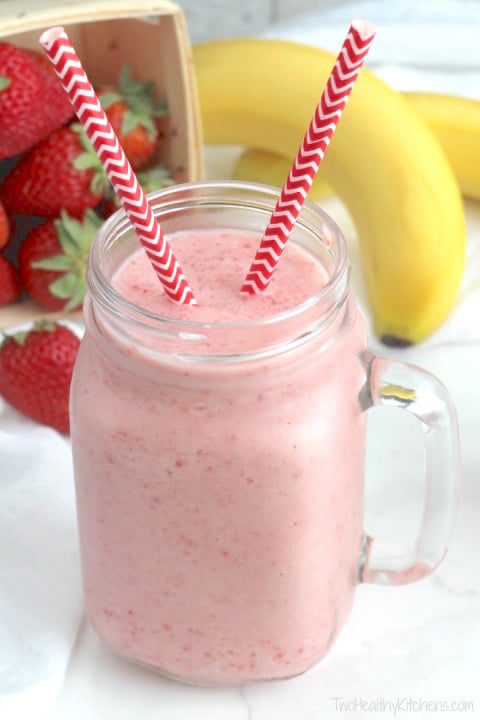
1. Classic Strawberry Banana Smoothie
You can't go wrong with this timeless fruit combination. The sweet strawberries blend perfectly with creamy bananas to create a smooth drink.
This smoothie takes just 5 minutes to make. You need frozen strawberries, ripe bananas, milk, and yogurt for the base recipe.
Add vanilla extract for extra flavor if you want. The frozen fruit gives you a thick texture without needing ice.
You can use any type of milk you prefer. Greek yogurt makes it extra creamy and adds protein to keep you full longer.

2. Mango Raspberry Smoothie
This smoothie combines sweet mango with tart raspberries for a perfect flavor balance. You can make it in just 10 minutes using frozen fruit.
The basic recipe needs mango, raspberries, and your choice of milk. Add chia seeds for extra nutrition and thickness.
Mango provides natural sweetness while raspberries add vitamin C and antioxidants. You can use frozen fruit to make it thick and cold.
This smoothie works well for breakfast or as a healthy snack throughout the day.

3. Peanut Butter Cocoa Protein Smoothie
This smoothie gives you the perfect mix of chocolate and peanut butter flavors. You get plenty of protein to fuel your day.
Blend banana, cocoa powder, milk, peanut butter, and protein powder until smooth. You can use regular peanut butter or peanut butter powder.
The powder cuts calories and fat while keeping the taste. This smoothie works great after workouts.
It helps your muscles recover and tastes like dessert.

4. Blueberry Spinach Green Smoothie
This smoothie combines sweet blueberries with nutrient-rich spinach. You get vitamins and antioxidants without tasting the greens.
The basic recipe uses frozen blueberries, fresh spinach, and banana. Add water or your preferred liquid to blend.
Greek yogurt makes it creamier and adds protein. The banana provides natural sweetness and smooth texture.
You can make this smoothie in five minutes. It works well for breakfast or as a healthy snack during the day.

5. Tropical Pineapple Coconut Smoothie
This smoothie brings tropical flavors to your kitchen. You’ll taste sweet pineapple mixed with creamy coconut.
The drink is perfect for hot summer days. It works well as a breakfast or afternoon snack.
You only need fresh pineapple, coconut milk, and ice. Blend everything together until smooth and creamy.
The smoothie gives you vitamins from the pineapple. Coconut milk adds healthy fats and makes it filling.
This recipe takes just a few minutes to make. You can adjust the thickness by adding more or less ice.

6. Avocado Kale Detox Smoothie
This green smoothie combines two powerful ingredients for natural detox benefits. Avocado adds healthy fats and makes the texture creamy.
Kale provides antioxidants and vitamins that support your body’s natural cleansing process. You can add cucumber and celery for extra hydration.
Blend one cup of kale with half an avocado and your choice of liquid. Add a banana or mango to sweeten naturally.
This smoothie works well as a morning drink or post-workout boost. The healthy fats help you feel full longer.

7. Carrot Ginger Smoothie
This smoothie combines sweet carrots with spicy ginger for a unique flavor. You get vitamins A and C plus fiber in every glass.
The ginger adds anti-inflammatory benefits. It can help with digestion and boost your immune system.
You need carrots, fresh ginger, and your choice of liquid like almond milk. Add honey or dates for extra sweetness.
Blend everything until smooth. The result tastes refreshing and provides lasting energy for your day.

8. Mixed Berry Antioxidant Smoothie
This smoothie combines different berries to give you lots of antioxidants. You can use blueberries, strawberries, and raspberries together.
Add yogurt or milk for protein. Banana makes it creamy and sweet.
You can also put in spinach for extra vitamins. Blend everything until smooth.
The berries fight inflammation in your body. This drink works well for breakfast or as a snack.

9. Peach and Orange Citrus Smoothie
This smoothie combines sweet peaches with tangy orange flavors. You get a perfect balance of citrus and fruit taste.
The basic recipe uses frozen peaches, orange juice, and yogurt. Add honey if you want extra sweetness.
Blend everything until smooth and creamy. This takes about one minute in most blenders.
You can make this smoothie for breakfast or as an afternoon snack. It works well for kids too.

10. Chocolate Almond Butter Smoothie
This smoothie tastes like dessert but works great for breakfast. You get rich chocolate flavor with creamy almond butter.
The combination gives you protein and healthy fats. It keeps you full longer than sugary drinks.
You can make this dairy-free and vegan easily. Just use plant-based milk instead of regular milk.
This smoothie works well after workouts too. The protein helps your muscles recover.
The nutty almond butter balances the sweet chocolate perfectly. You won’t believe how good it tastes.

11. Banana Oat Breakfast Smoothie
This smoothie combines bananas and oats for a filling breakfast drink. You can make it in just five minutes on busy mornings.
The oats add fiber and protein to keep you full until lunch. Bananas provide natural sweetness and potassium.
You likely have all the ingredients at home already. Basic recipes need just three items: bananas, oats, and milk.
Add peanut butter, cinnamon, or honey for extra flavor. The creamy texture makes it taste like liquid banana bread.

12. Watermelon Mint Refresher
This cooling drink combines sweet watermelon with fresh mint leaves. The flavors work well together on hot days.
You need cubed watermelon, mint leaves, lime juice, and ice. Some recipes add a small amount of sweetener.
Blend the watermelon until smooth. Add mint leaves and lime juice.
Blend again until the mint mixes in well. Pour over ice and serve right away.
The drink tastes best when fresh and cold.

13. Cherry Almond Smoothie
This smoothie combines sweet cherries with creamy almond flavors. You can use frozen or fresh cherries as your base.
Add Greek yogurt for protein and thickness. Almond milk creates a smooth texture without dairy.
A few drops of almond extract boost the nutty taste. Raw almonds work too if you have a strong blender.
Try adding a banana for extra sweetness. Spinach blends well without changing the flavor much.
This recipe works great for breakfast or after workouts.

14. Kiwifruit and Apple Smoothie
This simple smoothie combines two fruits that work well together. The kiwi adds tropical flavor while the apple brings natural sweetness.
You only need three basic ingredients to make this drink. Use ripe kiwis, fresh apples, and your choice of milk or water.
The smoothie provides vitamin C from the kiwi and fiber from both fruits. It makes a good breakfast or snack option.
Blend everything until smooth and creamy. You can add ice if you want it colder.
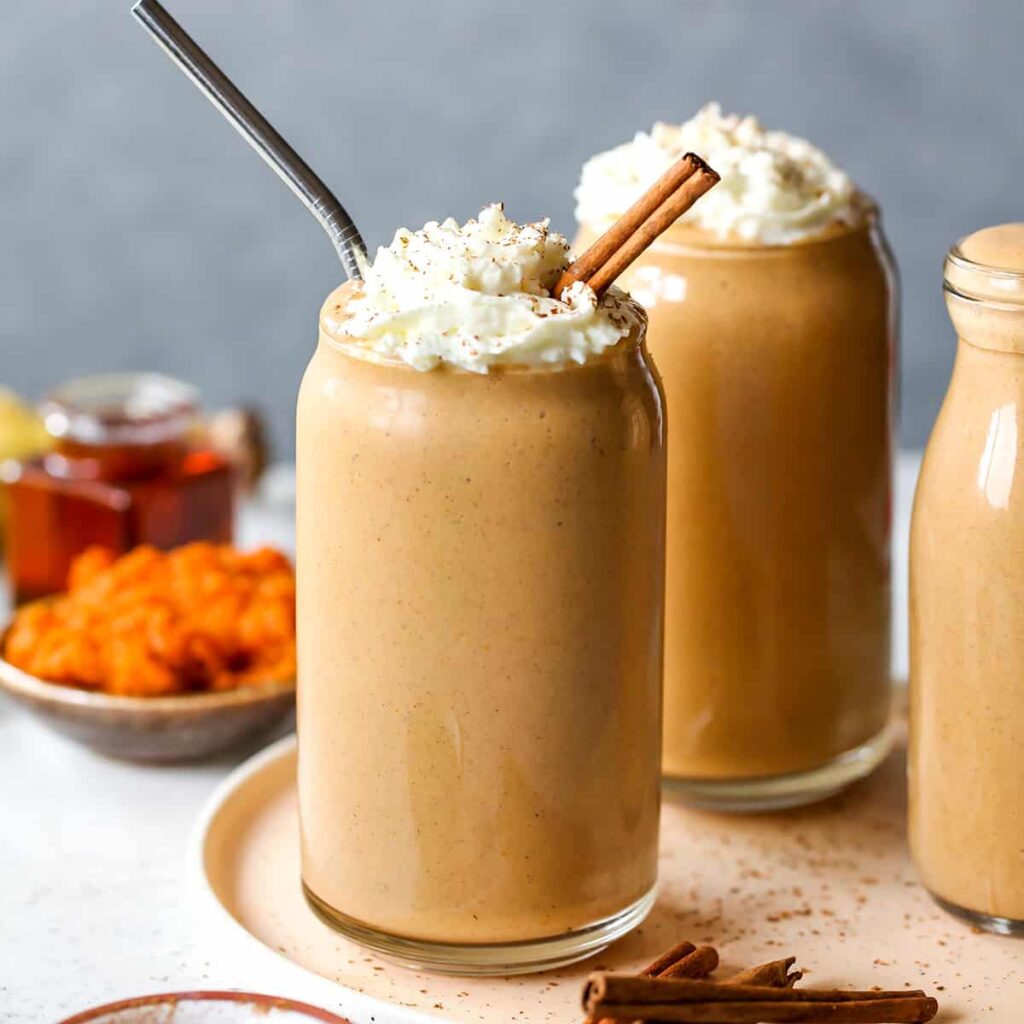
15. Pumpkin Spice Smoothie
This fall favorite brings warm spices and creamy pumpkin flavor to your glass. You can make it in just five minutes for a quick breakfast or snack.
Blend one cup pumpkin puree with a banana and your choice of milk. Add cinnamon, nutmeg, and a touch of maple syrup for sweetness.
Use 100% pure pumpkin puree instead of pumpkin pie filling to avoid extra sugar. Greek yogurt makes the smoothie creamier and adds protein.

16. Cucumber Lime Green Smoothie
This refreshing drink combines cucumber and lime with leafy greens for a light, healthy smoothie. You can add spinach or kale for extra nutrients.
The cucumber provides hydration while lime adds tartness. Most recipes include banana for natural sweetness and yogurt for creaminess.
You can customize this smoothie easily. Try adding ginger for spice or kiwi for extra flavor.
Ice helps make it cold and refreshing. This low-calorie option works well for hot days or as a morning drink.

17. Strawberry Beet Smoothie
This smoothie combines sweet strawberries with earthy beets for a nutritious drink. The strawberries mask the beet flavor while adding natural sweetness.
You can use fresh or roasted beets in this recipe. Roasted beets taste milder and blend easier.
Add frozen banana for creaminess and natural sugar. The banana helps balance the earthy beet taste.
This smoothie is dairy-free and vegan. It’s packed with antioxidants and vitamins from the beets and strawberries.
The pink color makes it visually appealing for breakfast or snacks.

18. Vanilla Chai Protein Smoothie
This smoothie brings cozy chai flavors to your morning routine. You get warm spices like cinnamon, cardamom, and ginger mixed with vanilla protein powder.
The blend creates a creamy drink that tastes like a chai latte. You can use Greek yogurt or cottage cheese for extra protein without relying only on powder.
This smoothie works great after workouts. The spices add natural sweetness while the protein helps your muscles recover.

19. Pineapple Turmeric Anti-Inflammatory Smoothie
This tropical smoothie combines sweet pineapple with turmeric for powerful health benefits. The bright flavors make it perfect for morning energy or post-workout recovery.
You need pineapple chunks, ground turmeric, banana, and coconut milk. Add ginger and lime juice for extra flavor.
The turmeric provides anti-inflammatory properties. Pineapple adds natural sweetness and vitamin C.
Blend all ingredients until smooth. The result is a creamy, golden drink that tastes like vacation.
You can make it in just five minutes.

20. Matcha Green Tea Smoothie
You can boost your energy with this vibrant green smoothie. Matcha powder gives you antioxidants and natural caffeine.
Blend 1 teaspoon matcha powder with 1 cup coconut milk. Add 1 frozen banana and 1 cup spinach for extra nutrients.
The coconut milk creates a creamy texture. You can add Greek yogurt for protein or honey for sweetness.
This smoothie works great for busy mornings. You get clean energy without the crash from coffee.

21. Blackberry and Banana Smoothie
This smoothie combines sweet bananas with tart blackberries for a balanced flavor. You get vitamin C from the blackberries and potassium from the bananas.
Use one cup of frozen blackberries and one ripe banana as your base. Add half a cup of milk or yogurt for creaminess.
Blend all ingredients until smooth. You can add honey if you want extra sweetness.
This smoothie works great for breakfast or as a snack after working out.
Health Benefits of Smoothies
Smoothies deliver concentrated nutrition through fruits and vegetables while supporting your body’s daily needs. They boost vitamin intake, help your digestive system work better, and keep you feeling full and hydrated.
Nutrient Density and Vitamins
Smoothies pack multiple servings of fruits and vegetables into one drink. This gives you more vitamins and minerals than you might get from eating these foods separately.
Key nutrients you get include:
- Vitamin C from berries and citrus fruits
- Folate from leafy greens like spinach
- Potassium from bananas and mangoes
- Antioxidants from colorful produce
Blending breaks down cell walls in fruits and vegetables. This makes nutrients easier for your body to absorb.
You can fit 2-3 servings of produce in one smoothie. Adding protein powder or Greek yogurt boosts the protein content.
This helps with muscle repair and keeps blood sugar steady. Healthy fats from nuts or seeds help your body use fat-soluble vitamins better.
Supporting Digestion and Immunity
Smoothies can improve your gut health through fiber and beneficial bacteria. Many smoothie ingredients contain prebiotic fibers that feed good bacteria in your digestive system.
Digestive benefits include:
- Fiber from whole fruits aids regular bowel movements
- Probiotics from yogurt support gut bacteria balance
- Easy-to-digest format reduces digestive stress
The high vitamin C content in many smoothies strengthens your immune system. Berries contain compounds that fight inflammation in your body.
Green smoothies with spinach or kale provide immune-boosting nutrients. These vegetables contain vitamins A and K that support your body’s defense systems.
Hydration and Satiety
Most smoothies are 70-80% water, helping you meet daily fluid needs. The liquid base from milk, water, or coconut water adds to your hydration levels.
The fiber and protein in smoothies help you feel full longer. This can prevent overeating at your next meal.
The thick texture takes time to drink, which gives your brain time to register fullness.
Satiety factors:
- Protein slows digestion and reduces hunger
- Fiber expands in your stomach
- Healthy fats provide lasting energy
Smoothies work well as meal replacements when they contain enough calories and nutrients. A balanced smoothie keeps you satisfied for 3-4 hours between meals.
Tips for Creating the Perfect Smoothie
Making great smoothies comes down to getting the right mix of flavors, picking good liquid bases, and using natural sweeteners. These three key areas will help you make smoothies that taste amazing every time.
Balancing Flavors and Textures
Start with a 2:1 ratio of sweet to tart fruits. Try pairing banana with berries or mango with pineapple.
This creates a balanced taste that isn’t too sweet or too sour. Add frozen fruits for thickness.
They make your smoothie creamy without needing ice that waters it down. Frozen banana works best as a base ingredient.
Include healthy fats like avocado, nut butter, or chia seeds. These make smoothies more filling and create a smooth texture.
Use 1-2 tablespoons per serving. Balance strong flavors with mild ones.
If you add spinach or kale, pair it with sweet fruits like dates or berries. The fruit taste will cover up any bitter greens.
Texture tips:
- Blend soft ingredients first
- Add liquids slowly
- Use less liquid for thicker smoothies
- More liquid makes thinner smoothies
Choosing the Right Liquid Base
Your liquid base affects both taste and nutrition. Pick based on what flavors you want and your health goals.
Dairy options like milk or yogurt add protein and calcium. They work well with berry and chocolate flavors.
Greek yogurt makes smoothies extra thick and creamy. Plant-based milks offer different benefits.
Coconut milk adds richness to tropical smoothies. Almond milk works with most fruit combinations.
Oat milk creates creamy texture. Use 100% fruit juice sparingly since it adds sugar.
Mix it half and half with water or milk. Orange juice pairs well with tropical fruits.
Water works when your fruits are very flavorful. Add it slowly until you get the right consistency.
Start with 1/2 cup and add more as needed.
| Liquid Base | Best For | Amount Needed |
|---|---|---|
| Milk | Berry smoothies | 3/4 – 1 cup |
| Coconut milk | Tropical flavors | 1/2 – 3/4 cup |
| Almond milk | Most recipes | 3/4 – 1 cup |
| Water | Very sweet fruits | 1/2 – 3/4 cup |
Sweetening Smoothies Naturally
Skip added sugar by using naturally sweet ingredients. Ripe fruits give you plenty of sweetness without empty calories.
Dates are the best natural sweetener. Remove the pits and soak them in warm water for 10 minutes before blending.
Start with 2-3 dates per smoothie. Bananas add sweetness and make smoothies thick.
Use very ripe bananas with brown spots for maximum sweetness. Freeze them ahead of time.
Try pure maple syrup or raw honey if you need extra sweetness. Use only 1-2 teaspoons.
These work better than regular sugar because they blend easily. Sweet fruits like mango, pineapple, and grapes can balance tart ingredients.
Add them to green smoothies to cover bitter tastes from vegetables. Vanilla extract adds sweetness without sugar.
Use 1/2 teaspoon per smoothie. It works especially well with chocolate or berry flavors.
Frequently Asked Questions
Making smoothies can bring up many questions about ingredients, techniques, and nutritional balance. These answers will help you create better smoothies and solve common blending challenges.
What are some nutrient-rich ingredients to include in a smoothie for a healthy breakfast?
Greek yogurt adds protein and probiotics to keep you full longer. One cup contains about 15-20 grams of protein.
Chia seeds pack omega-3 fatty acids and fiber into your smoothie. Add one tablespoon for extra nutrition without changing the taste much.
Spinach gives you iron and vitamins without making your smoothie taste green. Fresh or frozen spinach works well in fruit-based smoothies.
Oats add fiber and complex carbs that provide steady energy. Use rolled oats for the best texture in your blender.
How can I ensure my smoothies are well-balanced for a post-workout recovery?
Include both protein and carbs in your post-workout smoothie. Aim for 20-30 grams of protein to help muscle recovery.
Add protein powder, Greek yogurt, or cottage cheese as your protein source. Cottage cheese gives you about 14 grams of protein per half cup.
Include fast-digesting carbs like banana or berries. These help replace energy stores your muscles used during exercise.
Drink your smoothie within 30 minutes after your workout for best results.
What are the best combinations of fruits for a naturally sweet and refreshing smoothie?
Banana and strawberry create a classic sweet base that most people love. The banana adds natural creaminess while strawberries provide vitamin C.
Mango pairs well with almost any berry for tropical sweetness. Try mango with raspberry or blueberry for balanced flavors.
Pineapple and coconut make smoothies taste like vacation. Add some spinach to this combo for hidden greens.
Frozen fruits work better than fresh for thick, cold smoothies. They also help your smoothie stay fresh longer.
Can you suggest dairy and non-dairy alternatives for creamy smoothies?
Coconut milk creates rich, creamy smoothies with tropical flavor. Use canned coconut milk for extra thickness.
Almond milk works well for lighter smoothies. It has fewer calories than dairy milk but less protein.
Oat milk adds natural sweetness and fiber. It blends especially well with berry and chocolate flavors.
Cashew milk gives you the creamiest non-dairy option. It has a neutral taste that works with any fruit combination.
What are the key steps to achieving the perfect smoothie consistency?
Start with your liquid first, then add soft ingredients like yogurt. Put frozen fruits and ice on top so they blend easier.
Use the pulse setting first to break up large pieces. Then blend on high speed for 30-60 seconds until smooth.
Add liquid gradually if your smoothie is too thick. Pour in small amounts while blending to avoid making it too thin.
Let thick smoothies sit for a minute before serving. This helps air bubbles settle for better texture.
What are some creative ways to make green smoothies more palatable for beginners?
Start with mild greens like spinach instead of kale. Spinach has almost no taste when you blend it with sweet fruits.
Use frozen mango or pineapple to mask green flavors. These tropical fruits are sweet enough to cover vegetable tastes.
Add natural sweeteners like dates or vanilla extract. One pitted date adds sweetness without refined sugar.
Keep your green-to-fruit ratio low at first. Use one handful of greens to two cups of fruit until you get used to the taste.