
Mochi donuts blend the best of two worlds by combining the chewy texture of traditional Japanese mochi with the familiar comfort of fried donuts. These unique treats feature a crispy golden exterior that gives way to a wonderfully dense and chewy center that sets them apart from regular donuts.
Making perfect mochi donuts requires the right combination of flours, proper technique, and creative glazing options to achieve that signature texture and flavor. You can customize these naturally gluten-free treats with various glazes, from simple powdered sugar to matcha or chocolate. Techniques like proper dough resting and oil temperature control ensure the best results every time.
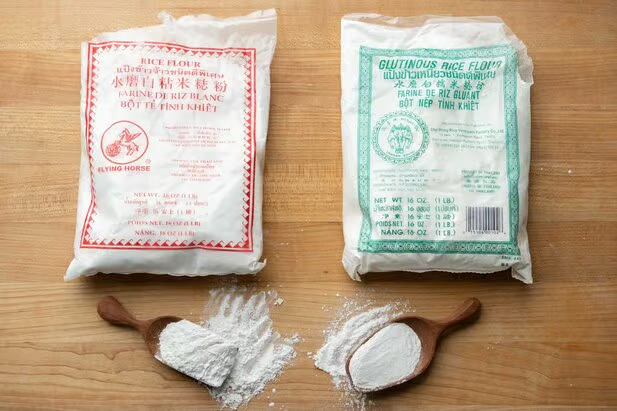
1. Use glutinous rice flour for authentic chewy texture
Glutinous rice flour creates the signature chewy texture that makes mochi donuts special. This flour comes from sweet rice, not regular rice.
You cannot replace it with all-purpose flour. Regular flour will make dense, heavy donuts without the bounce.
The glutinous rice flour gives your donuts that perfect stretchy, chewy bite. This texture is what separates mochi donuts from regular donuts.

2. Incorporate tapioca flour to enhance chewiness
Tapioca flour creates the signature bouncy texture in mochi donuts. You can use it alone or combine it with other flours for better results.
Mix tapioca flour with glutinous rice flour for authentic chewiness. Use about 10-20% glutinous rice flour with your tapioca flour base.
Adding a small amount of all-purpose flour keeps your donuts light. This combination prevents them from becoming too dense or heavy.
Knead your dough well when using tapioca flour. Extended kneading develops elasticity and improves the final texture of your mochi donuts.

3. Let the dough rest before frying
You must let your mochi donut dough rest before frying. This step helps the glutinous rice flour fully absorb the liquid ingredients.
Rest the dough for at least 30 minutes to one hour. For best results, let it sit for three hours or overnight in the refrigerator.
The starches need time to rehydrate properly. Your donuts will taste better and have the right stretchy texture when you give the dough enough time to rest.

4. Use a ring mold to shape classic pon de ring donuts
You can use a donut mold to create the traditional pon de ring shape. This method gives you clean, uniform circles every time.
Press your mochi donut dough into the ring mold cavities. Make sure the dough fills each section completely.
The mold method works best with softer dough that spreads easily. You get consistent results without having to roll individual balls by hand.
Remove the shaped donuts carefully from the mold before frying. This technique saves time when making large batches.

5. Fry donuts in oil heated to 350°F for perfect crispiness
Heat your oil to exactly 350°F before adding your mochi donuts. Use a thermometer to check the temperature accurately.
Choose a neutral oil like canola or vegetable oil for the best results. These oils won’t change the flavor of your donuts.
Fry each mochi donut for about one minute per side. Flip them only once during cooking.
Don’t add too many donuts at once. This keeps the oil temperature steady and ensures even cooking.

6. Avoid overmixing the dough for better texture
Overmixing mochi donut dough creates dense, tough donuts. Mix ingredients just until they come together.
Your dough should look slightly lumpy when finished. This keeps the texture light and chewy.
Stop mixing as soon as you no longer see dry flour. Use gentle folding motions instead of vigorous stirring.

7. Glaze with salted honey for balanced sweetness
Salted honey glaze creates the perfect balance on mochi donuts. The salt cuts through the sweetness without making it too sugary.
Mix honey with a pinch of salt and warm water. Brush this glaze on your donuts while they’re still warm.
The honey adds natural sweetness that pairs well with mochi’s chewy texture. Salt brings out the honey flavor and makes each bite more interesting.

8. Add vanilla extract for subtle aroma
You should add vanilla extract to your mochi donut batter for a gentle, sweet scent. Use one teaspoon of vanilla extract per batch of dough.
Mix the vanilla extract with your wet ingredients. This helps it spread evenly through the batter.
Vanilla extract gives your mochi donuts a warm, familiar smell. It makes the donuts taste sweeter without adding extra sugar to your recipe.

9. Use rice milk to keep the recipe dairy-free
Rice milk works perfectly in mochi donuts when you want to avoid dairy. It has a mild taste that won’t change the flavor of your donuts.
You can swap regular milk for rice milk in equal amounts. The texture stays smooth and chewy.
Rice milk blends well with rice flour since both come from rice. Other plant milks like coconut milk also work if you prefer them over rice milk.

10. Opt for powdered sugar glaze for a simple finish
A basic powdered sugar glaze makes the perfect topping for mochi donuts. You only need three simple ingredients to create this classic coating.
Mix powdered sugar with milk and a splash of vanilla extract. Whisk the ingredients until smooth and creamy.
The glaze should coat the back of a spoon but still drip easily. Add more milk if it’s too thick.

11. Try matcha powder glaze for a unique flavor
Matcha powder creates a distinctive green tea glaze that pairs perfectly with mochi donuts. This Japanese-inspired topping adds earthy sweetness to your treats.
Mix powdered sugar with matcha powder and a small amount of milk. Whisk until smooth to avoid clumps.
The matcha glaze gives your donuts a beautiful green color. It also provides a subtle bitter note that balances the donut’s sweetness.
You can adjust the matcha amount based on your taste preferences. More powder creates stronger tea flavor.

12. Include sesame seeds for texture and taste
Black sesame seeds add rich, nutty flavor to your mochi donuts. They create a unique taste that pairs well with the chewy texture of mochi.
You can mix black sesame powder directly into your batter. This gives the donuts a deep, earthy sweetness throughout.
For extra crunch, sprinkle whole sesame seeds on top before baking. The seeds toast during cooking and add nice texture contrast.

13. Experiment with chocolate glaze for richness
Chocolate glaze transforms regular mochi donuts into rich treats. You can make it with powdered sugar, cocoa powder, and milk or cream.
Try different chocolate types for unique flavors. Dark chocolate creates a deep taste while milk chocolate offers sweetness.
Add butter to your glaze for extra smoothness. This makes the coating shine and stick better to the donut surface.
Dip warm donuts for best results. The glaze will set quickly and create a perfect chocolate shell.

14. Brush donuts with melted butter before glazing
Brushing your mochi donuts with melted butter creates a better base for glazing. The butter helps the glaze stick to the donut surface more evenly.
Apply the melted butter while your donuts are still slightly warm. Use a pastry brush to coat the entire surface gently.
This step adds extra richness and flavor to your mochi donuts. Wait about one minute after brushing before adding your glaze.

15. Use a non-stick frying pan for even cooking
A non-stick frying pan prevents mochi donuts from sticking to the surface. This keeps your donuts intact and makes cleanup much easier.
The smooth surface helps cook your donuts evenly on all sides. You won’t have hot spots that burn some areas while leaving others undercooked.
Use medium heat with your non-stick pan. This temperature setting works best for getting crispy outsides without burning the coating.

16. Pipe the dough directly into hot oil for consistent shape
You can pipe mochi donut dough straight into hot oil instead of using parchment paper. This method creates more uniform shapes every time.
Heat your oil to 350°F in a heavy pot. Use a piping bag with a round tip to form donut rings directly over the oil.
Pipe slowly and steadily to maintain the classic bubble ring shape. The dough will hold its form when it hits the hot oil.
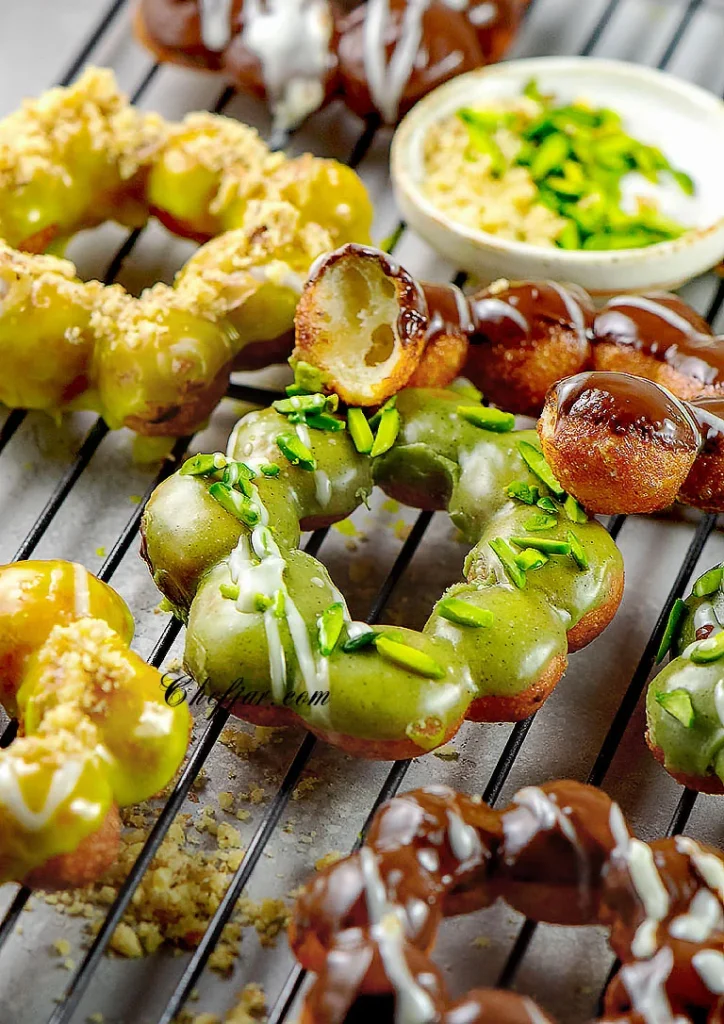
17. Prepare donuts fresh for best taste
Mochi donuts taste best when you eat them fresh. The crispy outside and chewy inside work together perfectly right after cooking.
Fresh donuts have the ideal texture contrast. As mochi donuts cool, they lose their crispiness.
Make your donuts when you plan to serve them. This ensures your guests get the full flavor experience these treats offer.

18. Sweeten with brown sugar for deep flavor
Brown sugar transforms your mochi donuts with rich molasses notes. The deep flavor adds complexity that regular white sugar can’t match.
You can use either light or dark brown sugar in your recipe. Dark brown sugar gives a stronger molasses taste.
The brown sugar also adds moisture to your donut batter. Replace white sugar with brown sugar using a 1:1 ratio in any mochi donut recipe.

19. Dust with cinnamon sugar for a classic touch
You can give your mochi donuts a timeless flavor by dusting them with cinnamon sugar. Mix one part ground cinnamon with three parts granulated sugar in a bowl.
Brush your warm donuts with melted butter first. This helps the cinnamon sugar stick better to the surface.
Roll each donut in the mixture while it’s still warm. The heat will help the coating stick and create an even layer.

20. Incorporate tofu for extra moisture
Silken tofu adds incredible moisture to mochi donuts. You can replace eggs with 110g of silken tofu for a vegan option.
The tofu creates a tender, springy texture. It also adds fudginess without making donuts bland or mushy.
Mash the silken tofu thoroughly before mixing it into your batter. This ensures even distribution throughout the dough.
Tofu-based mochi donuts stay soft longer than traditional versions. They maintain that signature chewy center while adding extra richness.

21. Add citrus zest for freshness
Citrus zest brings bright flavor to mochi donuts. You can use lemon, orange, or lime zest in your batter.
Add one to two teaspoons of fresh zest to your dry ingredients. The oils in the zest will mix throughout the dough.
Lemon zest works especially well with mochi donuts. It adds a burst of flavor that cuts through the sweet glaze.
Fresh zest gives better results than dried versions. Use a fine grater to get small pieces that blend smoothly.
Key Ingredients and Substitutions
The foundation of perfect mochi donuts relies on specific flours and starches that create the signature chewy texture. Your choice of sweeteners and flavor enhancers will determine the final taste profile, while dairy-free alternatives make these treats accessible to more dietary needs.
Foundation Flours and Starches
Glutinous rice flour serves as the primary ingredient in most mochi donut recipes. This flour creates the characteristic chewy, bouncy texture that sets mochi donuts apart from regular donuts.
You can find glutinous rice flour in Asian grocery stores or online. Sweet rice flour works as a direct substitute for glutinous rice flour.
Despite the name, sweet rice flour contains no gluten and produces the same chewy results. Tapioca starch can replace up to 25% of your rice flour for extra chewiness.
Mix tapioca starch with glutinous rice flour at a 1:3 ratio for best results. Cornstarch helps balance the texture by creating a crispy exterior while maintaining the chewy interior.
Use about 2-3 tablespoons of cornstarch per cup of rice flour. For gluten-free options, stick with the rice flour base.
Avoid wheat flour substitutions because they won’t produce the authentic mochi texture you want.
Sweeteners and Flavor Enhancers
Granulated white sugar remains the most common sweetener. Use about 1/4 cup per batch for the right texture balance.
Brown sugar adds a deeper flavor profile with slight molasses notes. Replace up to half of your white sugar with brown sugar for a richer taste.
Maple syrup works as a liquid sweetener substitute. Reduce other liquids by 1-2 tablespoons when using 2-3 tablespoons of maple syrup.
Vanilla extract enhances the overall flavor. Use 1 teaspoon per batch for subtle sweetness.
Milk provides moisture and helps bind ingredients. Whole milk creates the richest texture, but you can use any fat percentage.
Dairy-Free and Vegan Options
Non-dairy milk substitutes work perfectly in mochi donuts. Coconut milk creates the richest texture, while almond milk offers a lighter result.
Oat milk provides natural sweetness and creamy consistency. Use the same amount as regular milk in your recipe.
Coconut oil replaces butter in vegan versions. Use melted coconut oil at room temperature for best mixing results.
Flax eggs substitute regular eggs in vegan recipes. Mix 1 tablespoon ground flaxseed with 3 tablespoons water per egg needed.
Let the flaxseed mixture sit for 5 minutes before using. Aquafaba from canned chickpeas creates similar binding properties to eggs.
Use 3 tablespoons of aquafaba per egg replacement for fluffy results.
Techniques for Making Perfect Mochi Donuts
The key to perfect mochi donuts lies in achieving the right chewy-crispy texture and choosing the best cooking method. Proper dough handling and temperature control make all the difference.
Achieving the Ideal Texture
Let your dough rest for at least 30 minutes after mixing. This allows the glutinous rice flour to fully hydrate and develop that signature chewy texture.
Use room temperature ingredients when possible. Cold milk or eggs can make the dough harder to work with.
Mix gently to avoid overworking the dough. Stop as soon as ingredients come together.
Too much mixing creates tough donuts instead of tender ones. The dough should feel slightly sticky but not wet.
Add small amounts of flour if it sticks to your hands too much. Pipe the dough instead of rolling it by hand.
Use a piping bag or zip-lock bag with the corner cut off. This keeps the dough light and airy.
Make small bubble rings rather than traditional donut shapes. Six to eight small connected balls work best for even cooking.
Frying Versus Baking Methods
Frying creates the classic texture with crispy outsides and chewy centers. Heat oil to 340-350°F for best results.
Use neutral oils like vegetable or canola oil. Avoid olive oil as it has too strong a flavor.
Fry for 2-3 minutes per side until golden brown. Don’t overcrowd the pan or oil temperature will drop.
Baking works for a lighter version but won’t give the same crispy exterior. Bake at 375°F for 12-15 minutes.
Brush baked donuts with melted butter right after cooking. This adds flavor and helps glazes stick better.
Frequently Asked Questions
What are the key ingredients for a classic mochi donut?
The main ingredient is glutinous rice flour, which creates the signature chewy texture. You also need regular sugar, water or milk, and eggs to bind the dough together.
Tapioca flour enhances the chewiness. Some recipes include a small amount of regular flour for structure.
Baking powder helps the donuts rise slightly during frying. Salt balances the sweetness and enhances the overall flavor.
How do you achieve the signature chewy texture in mochi donuts?
Glutinous rice flour gives mochi donuts their chewy bite. This flour contains more starch than regular flour, which creates the bouncy texture.
Adding tapioca flour boosts the chewiness even more. The combination of these two flours gives mochi donuts their unique texture.
Let your dough rest for 15-30 minutes before shaping. This allows the flours to fully hydrate and develop the right consistency.
Don’t overmix the dough once you add the liquid ingredients. Gentle mixing keeps the texture tender and chewy rather than tough.
What is the difference between mochi donuts and regular donuts?
Mochi donuts use glutinous rice flour instead of wheat flour. This creates a denser, chewier texture compared to the light and fluffy texture of regular donuts.
The shape is often different too. Many mochi donuts are made in the pon de ring style with connected bubbles rather than a simple round shape.
Mochi donuts have a crispy outside and chewy inside. Regular donuts are usually soft and airy throughout.
The flavor is more subtle in mochi donuts. They rely on glazes and toppings for sweetness rather than having a very sweet dough.
Can mochi donuts be made gluten-free?
Yes, mochi donuts are naturally gluten-free when made with pure glutinous rice flour. Despite the name, glutinous rice flour contains no gluten.
Make sure your glutinous rice flour is certified gluten-free. Some brands may be processed in facilities that also handle wheat products.
Check that your other ingredients like baking powder are also gluten-free. Most vanilla extracts and basic ingredients are naturally gluten-free.
Tapioca flour is also gluten-free and safe to use. This combination makes mochi donuts perfect for people avoiding gluten.
What oil is recommended for frying mochi donuts to perfection?
Use a neutral oil with a high smoke point like vegetable oil or canola oil. These oils won’t add unwanted flavors to your donuts.
Heat your oil to exactly 350°F for the best results. This temperature creates a crispy exterior while cooking the inside properly.
Peanut oil is another good choice if you don’t have allergies. It maintains steady temperatures and produces crispy results.
Avoid olive oil or butter for frying. These have lower smoke points and can burn or create off flavors.
How can I incorporate different flavors into my mochi donut recipe?
Add matcha powder directly to the dough for green tea flavor. Start with 1-2 tablespoons and adjust to taste.
Mix cocoa powder into the dry ingredients for chocolate mochi donuts. Use 2-3 tablespoons for a rich chocolate flavor.
Make flavored glazes after frying. This gives you more control over the final taste.
Add extracts like vanilla, almond, or coconut to the wet ingredients. Use 1 teaspoon per batch for subtle flavor enhancement.