
Juicing offers a simple way to pack more fruits and vegetables into your daily routine. Whether you want to boost your energy, support your health goals, or simply enjoy tasty drinks, fresh juices can help you get essential vitamins and minerals your body needs.
You’ll discover easy-to-follow recipes using common ingredients like carrots, apples, spinach, and ginger. Each recipe is designed to be beginner-friendly while delivering maximum flavor and nutrition.

1. Carrot Orange Ginger Juice
This juice combines sweet carrots with tangy oranges and spicy ginger. You get a refreshing drink that tastes great and provides vitamin C.
The carrots add natural sweetness that balances the tart oranges. Fresh ginger gives the juice a nice kick and may help boost your immune system.
You can make this juice with either a juicer or blender. If using a blender, strain the mixture through cheesecloth to remove pulp.

2. Pineapple Turmeric Detox Juice
This bright juice combines sweet pineapple with earthy turmeric for a powerful detox drink. You get natural anti-inflammatory benefits from both ingredients.
The pineapple provides vitamin C and digestive enzymes. Turmeric adds its well-known anti-inflammatory properties to support your body’s natural healing.
You can make this juice with fresh or powdered turmeric. Add a pinch of black pepper to help your body absorb the turmeric better.

3. Green Spinach Kale Juice
You can combine kale and spinach to create a nutrient-packed green juice. Both leafy greens blend well together and provide vitamins A and C.
Add cucumber and apple to balance the earthy flavors. The apple brings natural sweetness while cucumber adds freshness.
A splash of lemon juice brightens the taste. Fresh ginger gives the drink a mild kick.
This juice works best with a masticating juicer since leafy greens have low density. The slow juicing process extracts more nutrients from these vegetables.
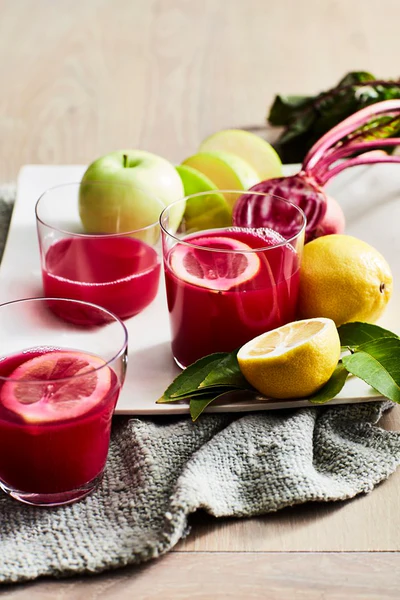
4. Beetroot Apple Lemon Juice
This juice combines earthy beets with sweet apples and zesty lemon. The apple helps balance the strong taste of beetroot while lemon adds brightness.
You can use either a juicer or blender to make this drink. Wash your beets well before juicing to remove dirt.
The juice provides iron from beets and vitamin C from lemon. It has a deep red color and mild earthy flavor.

5. Celery Cucumber Mint Juice
This green juice combines three simple ingredients for a mild, refreshing drink. The celery and cucumber provide high water content to keep you hydrated.
The mint adds a fresh taste without being bitter. You can make this juice in a juicer or blender.
Add one bunch of celery, two medium cucumbers, and a handful of fresh mint leaves. This juice is perfect for beginners since it tastes smooth and light.

6. Watermelon Basil Refresher
This drink combines sweet watermelon with fresh basil for a unique summer juice. The basil adds an herbal twist that makes it different from regular fruit drinks.
You need about 2 cups of cubed watermelon and a handful of fresh basil leaves. Add lime juice and a little honey or agave syrup for extra flavor.
Blend everything until smooth. The basil gives the drink a fresh taste that works well with the watermelon’s natural sweetness.

7. Mango Carrot Lime Juice
This tropical blend combines sweet mango with earthy carrots and tangy lime. The result is a refreshing drink that balances flavors perfectly.
You’ll get vitamin C from both the mango and lime. Carrots add vitamin A and natural sweetness to the mix.
The lime cuts through the richness of mango and carrot. This makes the juice lighter and more refreshing.
You can make this juice in a blender or juicer. Use one ripe mango, two large carrots, and juice from half a lime.

8. Cucumber Ginger Lime Juice
This cooling juice combines three powerful ingredients for a refreshing drink. Cucumbers provide hydration while ginger adds a spicy kick.
You need two medium cucumbers, one inch of fresh ginger, and lime juice. Blend the cucumbers and ginger with half a cup of cold water.
Strain the mixture through a mesh sieve to remove pulp. Add lime juice to taste and serve over ice.

9. Apple Carrot Ginger Juice
This juice combines sweet apples with earthy carrots and spicy ginger. You get a balanced drink that tastes refreshing and provides good nutrition.
The apples add natural sweetness. Carrots bring vitamins and minerals.
Ginger gives the juice a zingy kick that wakes up your taste buds. You can make this juice with any type of juicer.
Clean your carrots and core your apples first. Add a small piece of fresh ginger root.

10. Pineapple Spinach Coconut Juice
This green juice tastes like a healthy tropical drink. You get sweet pineapple and creamy coconut flavors that hide the spinach taste.
Spinach gives you vitamin A, vitamin K, and calcium. Pineapple adds vitamin C and natural sweetness.
Coconut milk makes the juice creamy and smooth. You can make this in a blender without a juicer.
Just blend the ingredients and strain through a fine mesh if you want it smoother.

11. Tomato Basil Juice
This refreshing juice combines fresh tomatoes with aromatic basil leaves. You get a savory drink that tastes like summer in a glass.
Tomatoes provide vitamin C and lycopene. Basil adds vitamin K, vitamin A, and iron to the mix.
The flavor is mild and herb-forward. You can add cucumber for extra freshness or a pinch of salt to enhance the tomato taste.
This juice also makes a great base for soups or marinades.

12. Grapefruit Orange Morning Juice
This citrus blend gives you a perfect balance of sweet and tart flavors. You get vitamin C and antioxidants from both fruits.
Peel two large oranges and one medium grapefruit. Remove any seeds before juicing.
Add a small piece of fresh ginger for extra warmth. Push the fruit pieces through your juicer slowly.
Strain the juice through a fine mesh sieve to remove pulp. Serve immediately over ice or store in the fridge for up to two days.

13. Blueberry Spinach Juice
This juice combines sweet blueberries with mild spinach for a nutrient-packed drink. The blueberries mask the earthy spinach taste while adding natural sweetness.
You get plenty of vitamins A and C from the spinach. Blueberries provide antioxidants that support your health.
Add apple juice to make it sweeter and easier to drink. This combination creates a vibrant purple color.

14. Kale Apple Celery Juice
This green juice combines kale’s nutrients with sweet apples and crisp celery. The apple helps balance kale’s earthy taste.
You can use any type of kale for this recipe. The celery adds freshness and crunch to the drink.
Add a small piece of ginger or lemon juice for extra flavor. These ingredients make the juice taste brighter.

15. Carrot Beet Ginger Juice
This colorful juice combines sweet carrots with earthy beets and spicy ginger. The mix creates a balanced flavor that’s both refreshing and nutritious.
You can make this juice with just three simple ingredients. Use fresh carrots, raw beets, and a small piece of ginger root.
The natural sugars in carrots help balance the earthy taste of beets. Ginger adds a warming kick and helps with digestion.
This juice works well in either a juicer or blender. Simply wash your vegetables, chop them up, and process until smooth.

16. Orange Carrot Ginger Juice
This bright juice combines sweet carrots, citrus oranges, and spicy ginger. The mix creates a balanced drink that tastes fresh and clean.
You get plenty of vitamin C from the oranges. Carrots add natural sweetness and nutrients.
Ginger gives the juice a warm kick. Make this juice with a juicer or blender.
Drink it within 15-20 minutes for the best taste and health benefits.

17. Celery Apple Lemon Juice
This juice combines three simple ingredients for a refreshing drink. You get the mild taste of celery with sweet apples and tangy lemon.
Start with 5-6 celery stalks and 2 green apples. Add half a lemon for the citrus kick.
Wash all ingredients first. Cut the apples into quarters and remove seeds if you want.
Feed everything through your juicer. The apples balance the celery’s earthy flavor while lemon adds brightness.

18. Watermelon Mint Juice
Watermelon mint juice combines sweet watermelon with fresh mint leaves. This drink is naturally hydrating and needs no added sugar.
You can make it in a blender or juicer. Simply blend 2 cups of watermelon with a handful of mint leaves.
Add a splash of lime juice for extra flavor. Strain the mixture if you want smoother juice.
Serve over ice for the most refreshing taste.

19. Pineapple Carrot Turmeric Juice
This bright orange juice combines sweet pineapple with earthy carrots and turmeric. The pineapple adds natural sweetness while carrots provide beta-carotene.
Turmeric gives this juice its golden color and adds warmth to the flavor. You can use fresh turmeric root or powder.
Add fresh ginger and lemon juice to boost the taste and add more nutrients to your glass.

20. Green Apple Cucumber Juice
Green apple cucumber juice combines sweet and refreshing flavors in one healthy drink. You get hydration from cucumbers and natural sweetness from apples.
This juice helps with weight management and provides essential vitamins. You can add ginger or spinach for extra nutrients.
Choose firm cucumbers without soft spots for the best results. Medium to large cucumbers work well for juicing.
You don’t need a special juicer to make this recipe. A high-speed blender works just fine for creating this nutritious green drink.

21. Beet Carrot Celery Juice
This juice combines three powerful vegetables in one healthy drink. You get the sweet taste from carrots and beets with the fresh flavor of celery.
Wash and scrub your vegetables before juicing. Use organic ingredients when possible since the juice becomes very concentrated.
Run the vegetables through your juicer for best results. If you only have a blender, chop the vegetables first and add water.
The beets add natural sweetness while celery balances the flavor.
Nutritional Benefits of Juicing
Fresh juices deliver vitamins, minerals, and plant compounds directly to your body in a concentrated form. This method removes fiber while keeping most nutrients intact, making absorption faster.
Essential Vitamins and Minerals
Juicing gives you high amounts of key vitamins and minerals your body needs daily. Fresh vegetable and fruit juices contain vitamin C, folate, potassium, and magnesium in concentrated forms.
Citrus fruits provide large doses of vitamin C. One glass of fresh orange juice contains about 124 milligrams of vitamin C.
Green vegetables like spinach and kale add iron and vitamin K to your juice. These nutrients support blood health and bone strength.
Root vegetables such as carrots and beets deliver beta-carotene and folate. Beta-carotene converts to vitamin A in your body, which helps eye health.
The juicing process removes fiber but keeps water-soluble vitamins. You absorb B vitamins and vitamin C quickly when you drink fresh juice.
Phytonutrients and Antioxidants
Plant compounds called phytonutrients give fruits and vegetables their colors and health benefits.
Juicing concentrates these compounds into each glass you drink.
Flavonoids from berries and citrus fruits help protect cells from damage.
Carotenoids from orange and red vegetables support immune function.
Dark leafy greens contain lutein and zeaxanthin.
These compounds protect your eyes from harmful blue light.
Purple and red fruits provide anthocyanins.
These antioxidants may help reduce inflammation in your body.
Cruciferous vegetables like broccoli and cabbage add glucosinolates to your juice.
These compounds support your body’s natural detox processes.
The variety of colors in your juice blend determines which phytonutrients you consume.
Mixing different colored fruits and vegetables gives you more types of beneficial plant compounds.
Expert Tips for Getting the Most from Your Juices
Making great juice starts with choosing the right produce and storing it properly.
These two key areas will help you create drinks that taste better and give your body more nutrients.
Ingredient Selection and Preparation
Choose produce at peak ripeness for maximum flavor and nutrients.
Ripe fruits feel slightly soft and smell sweet.
Vegetables should look bright in color with firm skin.
Mix sweet and savory ingredients to balance taste.
Pair sweet apples with bitter greens like kale.
Add lemon to cut through heavy vegetable flavors.
Wash everything thoroughly before juicing.
Use a vegetable brush for hard skins like carrots and beets.
Even organic produce needs cleaning.
Remove pits and hard seeds from stone fruits.
Keep apple seeds but remove large seeds from melons.
Citrus peels can stay on if you like bitter notes.
Cut ingredients to fit your juicer.
Smaller pieces work better in most machines.
This prevents jamming and helps extract more juice.
Use a 3:1 ratio of vegetables to fruits.
This keeps sugar levels down while boosting nutrients.
Start with more fruit if you’re new to juicing.
Best Practices for Storage and Freshness
Drink fresh juice within 24 hours for best taste and nutrition.
Vitamins start breaking down quickly after juicing.
Store juice in glass containers rather than plastic.
Glass doesn’t absorb flavors and keeps juice fresher longer.
Fill containers completely to reduce air contact.
Air causes oxidation which destroys nutrients and changes taste.
Keep juice at 35-38°F in your refrigerator.
This temperature range slows down nutrient loss and prevents harmful bacteria growth.
Add lemon juice as a natural preservative.
The acid helps slow oxidation and keeps your juice looking bright.
Use about 1 tablespoon per 16 ounces.
Freeze juice in ice cube trays for longer storage.
Frozen juice cubes last up to 3 months.
Add them to smoothies or thaw for drinking.
Label containers with dates so you know when you made each batch.
This helps you use older juice first.
Frequently Asked Questions
New juicers often have questions about getting the most nutrition from their drinks and avoiding common mistakes.
These answers cover everything from picking the best ingredients to storing your fresh juices properly.
What are some nutrient-packed juice recipes for a healthy diet?
Green juices with spinach and kale provide iron, folate, and vitamin K.
These leafy greens pack more nutrients per serving than most other vegetables.
Carrot-based juices deliver high amounts of beta-carotene.
Your body turns this into vitamin A for healthy vision and immune function.
Beetroot juices contain nitrates that help blood flow.
Mix beets with apples to balance the earthy taste while keeping the health benefits.
Citrus fruits like oranges add vitamin C to any juice.
This vitamin helps your body absorb iron from green vegetables when you mix them together.
How can I create a balanced juicing plan for weight loss?
Focus on vegetable juices instead of fruit-only drinks.
Vegetables have fewer calories and less sugar than fruits.
Drink one green juice per day as a snack or meal replacement.
Limit this to 8-12 ounces to control calories.
Include protein and fiber from whole foods with your juices.
Juicing removes fiber, so you need to get it from other sources.
Track your juice calories just like regular food.
Some juice combinations can have 200-400 calories per serving.
Which fruits and vegetables offer the highest health benefits when juiced?
Leafy greens like kale and spinach top the nutrition list.
They provide the most vitamins and minerals per calorie.
Carrots offer more beta-carotene than almost any other vegetable.
This nutrient becomes vitamin A in your body.
Ginger adds anti-inflammatory compounds to any juice.
Just a small piece can provide health benefits.
Turmeric contains curcumin, which may reduce inflammation.
Pair it with pineapple for better taste and absorption.
Celery provides potassium and may help lower blood pressure.
It also adds volume without many calories.
What are the best juicing combinations for boosting energy and vitality?
Green apple with spinach and lemon creates a balanced energy drink.
The natural sugars provide quick energy while greens add lasting nutrients.
Carrot, orange, and ginger juice gives you vitamin C and beta-carotene.
These nutrients support your immune system and energy production.
Beet and apple juice may improve blood flow.
Better circulation can help you feel more energetic during workouts.
Pineapple with turmeric fights inflammation.
Less inflammation in your body can lead to better energy levels.
Cucumber and mint juice helps with hydration.
Good hydration is key for maintaining steady energy throughout the day.
How do I properly store fresh juices to preserve their nutritional value?
Drink fresh juice within 15-20 minutes for maximum nutrients.
Many vitamins break down quickly when exposed to air and light.
Store juice in dark glass containers if you must save it.
Clear plastic bottles let in light that destroys vitamins.
Fill containers completely to reduce air contact.
Leave as little empty space as possible at the top.
Keep stored juice in the refrigerator for no more than 24 hours.
After this time, most of the nutritional value is lost.
Add a small amount of lemon juice to slow nutrient breakdown.
The citric acid acts as a natural preservative.
What are the tips for beginners to start juicing effectively and safely?
Start with milder vegetables like carrots and cucumbers. These are easier on your digestive system than strong greens.
Begin with small amounts of 4-6 ounces per day. Your body needs time to adjust to concentrated nutrients.
Always wash produce thoroughly before juicing. Washing removes dirt, bacteria, and pesticide residues.
Mix vegetables with fruits to improve taste. Apples and pears work well to sweeten vegetable juices.
Clean your juicer immediately after use. Dried pulp becomes much harder to remove and can harbor bacteria.