
Sous vide cooking gives you perfect results every time by cooking food in sealed bags at exact temperatures. This French cooking method takes the guesswork out of preparing meals and helps you avoid overcooking or undercooking your favorite dishes.
These 21 carefully selected recipes will help you master sous vide cooking with everything from tender steaks and juicy chicken to perfectly cooked vegetables and even desserts. You’ll discover how to prepare restaurant-quality meals at home using simple techniques that work for both beginners and experienced cooks.
The recipes cover a wide range of proteins, sides, and special dishes that showcase what makes sous vide cooking so reliable and delicious.

1. Sous Vide Ribeye Steak
Ribeye steak is perfect for sous vide cooking. The method gives you even cooking from edge to edge.
Set your water bath to 129°F for medium-rare. Cook the steak for 1-2 hours in a sealed bag.
The low temperature keeps the meat tender and juicy. You won’t get overcooked edges or raw centers.
After cooking, sear the steak in a hot pan for 1-2 minutes per side. This creates a nice crust while keeping the inside perfect.

2. Sous Vide Chicken Breast
Sous vide chicken breast gives you perfectly juicy meat every time. The precise temperature control prevents overcooking.
Season your chicken breasts with salt and herbs. Place them in vacuum-sealed bags with a bit of butter or oil.
Cook at 140°F for 1-2 hours. This low temperature keeps the meat tender and moist.
After cooking, quickly sear the chicken in a hot pan for 1-2 minutes per side. This creates a golden crust while keeping the inside perfectly cooked.

3. Sous Vide Salmon Fillet
Salmon fillets cook perfectly with sous vide. You get moist, flaky fish every time.
Set your water bath to 120°F for tender salmon. Cook fresh fillets for 45 minutes.
Frozen salmon needs 75 minutes total. Pat your fillets dry first.
Add salt, pepper, and a bit of olive oil to the bag. The fish comes out buttery and soft.
You can sear it quickly in a hot pan after cooking for crispy skin.

4. Sous Vide Pork Tenderloin
Pork tenderloin becomes incredibly tender and juicy when cooked sous vide. This lean cut of meat stays moist throughout the cooking process.
Seal the pork in a bag and cook it in a water bath at your desired temperature. This method prevents overcooking every time.
The cooking process takes about two hours. Season the meat with just salt and pepper or add herbs and spices.
After sous vide cooking, sear the tenderloin quickly in a hot pan. This creates a golden-brown crust while keeping the inside perfectly cooked.

5. Sous Vide Lamb Chops
Lamb chops cook perfectly in a sous vide water bath. You get tender, juicy meat every time without worrying about overcooking.
Set your sous vide to 133°F for medium-rare lamb chops. Season them with salt, pepper, and garlic before sealing in bags.
Cook the chops for 2 hours in the water bath. This gives you even cooking throughout the meat.
After cooking, sear the chops quickly in a hot pan for better color and texture.

6. Sous Vide Duck Breast
Duck breast works perfectly with sous vide cooking. The method keeps the meat tender and juicy while you control the exact temperature.
Set your water bath to 135°F for medium-rare results. Cook the duck breast for 2 hours to get restaurant-quality meat at home.
After cooking, sear the skin in a hot pan. This creates a crispy outside while keeping the inside perfectly cooked.
You can make this recipe without special equipment. Just use a heavy-duty bag and monitor water temperature with a candy thermometer.

7. Sous Vide Shrimp
Sous vide shrimp delivers perfectly tender results every time. You get juicy, flavorful shrimp without the guesswork.
Use fresh or frozen raw shrimp for best results. You can keep the shells on or peel them first.
The sealed bag method locks in natural shrimp flavor. Add garlic butter, herbs, or seasonings to infuse extra taste while cooking.
This technique prevents overcooking that makes shrimp tough. Your shrimp will have the ideal texture in about 20 minutes.

8. Sous Vide Corned Beef Brisket
Sous vide transforms tough corned beef brisket into tender, juicy meat. Cook it in a sealed bag at 175°F for 24-48 hours.
The long cooking time breaks down tough fibers. Your corned beef stays moist and flavorful throughout the process.
Use store-bought brined brisket or make your own. Add pickling spices to the bag for extra flavor.
Cook for 24 hours if you want firm, sliceable texture. Go 48 hours for maximum tenderness and easier shredding.

9. Sous Vide Vegetables Medley
You can create restaurant-quality vegetables with sous vide cooking. This method keeps vegetables vibrant and full of flavor.
Choose different vegetables with varied textures for your medley. Carrots, broccoli, and bell peppers work well together.
The vacuum-sealed environment preserves each vegetable’s natural taste. You get perfectly cooked results every time.
Cook your vegetables at low temperatures for even results. This prevents overcooking while keeping nutrients intact.
Your vegetable medley will look colorful and professional when finished.

10. Sous Vide Eggs Benedict
Sous vide eggs benedict takes the stress out of this classic brunch dish. You can cook both the eggs and hollandaise sauce at the same temperature.
Set your sous vide to 147°F. The eggs will poach perfectly while your hollandaise stays smooth and creamy.
This method removes the guesswork from timing. You won’t overcook the eggs or break the sauce.
Toast your English muffins and add ham while everything finishes cooking. The result is restaurant-quality eggs benedict at home.

11. Sous Vide Beef Short Ribs
You can make incredibly tender short ribs using sous vide cooking. Set your water bath to 135°F for the best results.
Season your ribs with salt and pepper before sealing them in vacuum bags. Cook them for 48 hours to get fall-off-the-bone tenderness.
The long cooking time breaks down tough fibers without drying out the meat. You’ll get juicy, flavorful ribs every time.
After cooking, sear the ribs quickly in a hot pan for better color and texture.

12. Sous Vide Turkey Breast
Turkey breast cooked sous vide stays moist and tender every time. You cook it at a precise temperature for 2-4 hours.
Season your turkey breast with herbs, garlic, and butter before vacuum sealing. Cook at 140°F for perfectly juicy meat.
After cooking, sear the skin in a hot pan for 2-3 minutes. This gives you crispy skin while keeping the meat tender inside.

13. Sous Vide Scallops
Sous vide scallops cook at a precise temperature for perfect results every time. You can use fresh or frozen scallops with this method.
Set your sous vide to the right temperature and cook for 30 minutes. For frozen scallops, add an extra 30 minutes to the cooking time.
After sous vide cooking, quickly sear the scallops in a hot pan. This creates a golden crust while keeping the inside tender and buttery.
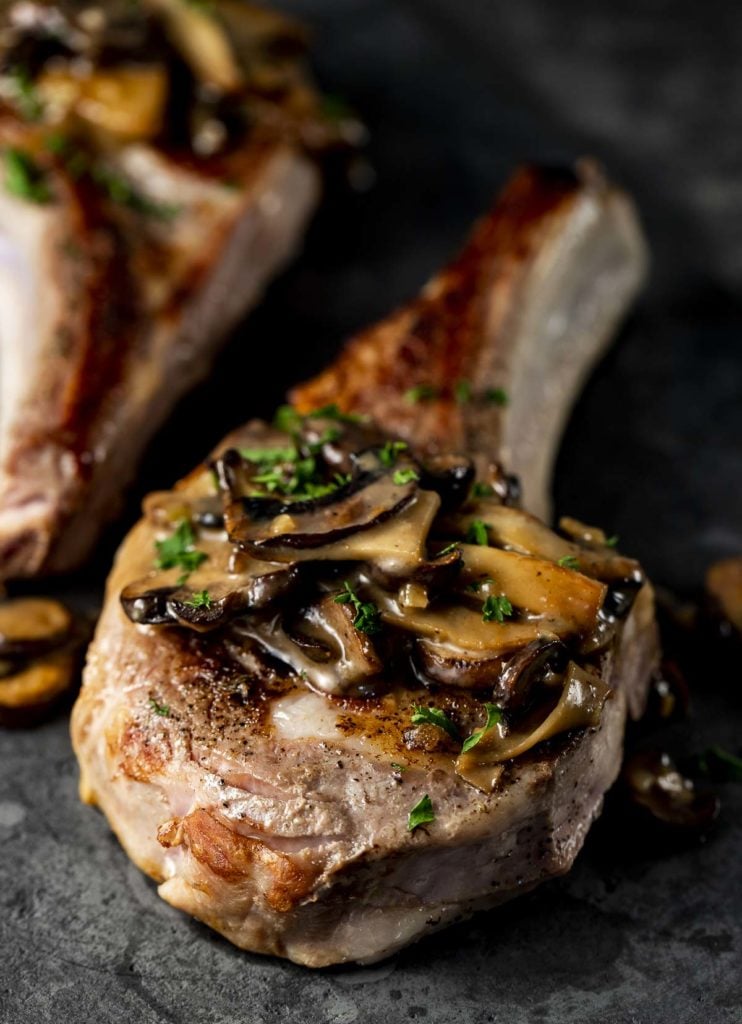
14. Sous Vide Veal Chops
Veal chops turn out perfectly tender when cooked sous vide. The gentle cooking method prevents overcooking this delicate meat.
Season your veal chops with salt, pepper, and herbs before vacuum sealing. Cook at 130°F for 1-2 hours depending on thickness.
After sous vide cooking, sear the chops in a hot cast iron pan. This creates a golden crust while keeping the inside juicy.
Veal pairs well with mushroom sauce or lemon-caper sauce. The neutral flavor of veal works great with rich, savory accompaniments.

15. Sous Vide Lobster Tail
Sous vide makes cooking lobster tail simple and foolproof. You get tender, juicy meat every time without overcooking.
Place lobster tails and butter in a vacuum-sealed bag. Cook at 140°F for one hour in your sous vide water bath.
The gentle cooking method creates perfectly tender lobster meat. You don’t need to sear the tails after cooking.
This technique gives you restaurant-quality results at home. The meat stays moist and flavorful throughout the cooking process.

16. Sous Vide Pork Belly
Sous vide pork belly creates tender, juicy meat with perfectly rendered fat. You cook the pork at a precise temperature for several hours.
Season your pork belly with salt and pepper before sealing it in a vacuum bag. Cook at 155°F for 12-24 hours depending on thickness.
After cooking, remove the pork from the bag and pat it dry. Sear it in a hot pan or finish under the broiler to create crispy skin.
The result is melt-in-your-mouth pork with a crispy exterior.

17. Sous Vide Chicken Thighs
Chicken thighs become incredibly juicy and tender when cooked sous vide. This method prevents overcooking and delivers consistent results every time.
Set your water bath to 165°F for perfectly cooked thighs. Season the chicken with salt and pepper before sealing in bags.
Cook for 75 minutes to 4 hours depending on your schedule. The extended time won’t hurt the texture.
After cooking, sear the thighs in a hot pan for crispy skin. This adds texture contrast to the tender meat underneath.

18. Sous Vide Brussels Sprouts
Brussels sprouts cook perfectly with sous vide methods. You get tender centers without mushy outsides.
Set your water bath to 185°F. Cook the sprouts for 40 minutes to one hour.
After cooking, sear them quickly in a hot pan. This creates crispy, caramelized edges while keeping the inside tender.
The controlled temperature prevents overcooking. You avoid the strong smell that comes from overcooked brussels sprouts.

19. Sous Vide Garlic Mashed Potatoes
Sous vide mashed potatoes cook in butter and milk instead of water. This method creates richer, creamier results than traditional boiling.
Slice potatoes thin and seal them with butter, garlic, and milk. Cook at 194°F for 90 minutes until tender.
The potatoes absorb all the flavors while cooking. Add salt, pepper, and fresh herbs like rosemary for extra taste.
Mash the cooked potatoes directly in the bag or transfer to a bowl. The texture will be incredibly smooth and flavorful.

20. Sous Vide Cheesecake
You can make perfect cheesecake using sous vide cooking. The water bath keeps the temperature steady at 176°F.
This method stops cracks from forming. You get smooth, creamy results every time.
Mason jars work best for individual servings. Mix your cheesecake filling and pour it into jars with graham cracker crusts.
Cook the jars in the water bath for about 90 minutes. The gentle heat cooks the cheesecake evenly without overcooking.
You can make these ahead of time and chill them. Each person gets their own perfect portion.

21. Sous Vide Beef Tenderloin
You can cook beef tenderloin perfectly with sous vide. This method gives you even cooking from edge to edge.
Set your water bath to 129°F for medium-rare. Cook the tenderloin for 2-4 hours depending on thickness.
Season your beef with salt and pepper before sealing. You can add garlic or herbs to the bag for extra flavor.
Sear the tenderloin in a hot pan after cooking. This creates a nice crust on the outside while keeping the inside tender.
Sous Vide Cooking Principles
Success with sous vide depends on precise temperature control and proper timing to achieve perfect results. Food safety requires careful attention to time and temperature combinations to eliminate harmful bacteria.
Temperature and Timing Essentials
Sous vide cooking relies on exact temperatures to achieve your desired doneness. Water temperature stays constant throughout cooking, unlike traditional methods where heat varies.
Steak temperatures range from 120°F for rare to 140°F for medium-well. Fish cooks best between 104°F and 140°F depending on texture preference.
Timing works differently than conventional cooking. You set a minimum cooking time rather than watching for doneness.
Most proteins need 1-4 hours to reach the target texture. Thicker cuts require longer cooking times.
A 1-inch steak needs about 1 hour. A 2-inch steak needs 2-3 hours.
Vegetables cook at higher temperatures, typically 183°F to 190°F. Root vegetables need 45-60 minutes.
Tender vegetables cook in 15-30 minutes. You cannot overcook food easily with sous vide since the water temperature matches your target temperature.
Food Safety Considerations
Sous vide cooking at lower temperatures requires longer times to kill harmful bacteria. The time-temperature relationship ensures food safety through pasteurization.
Beef and pork must reach 130°F for at least 2 hours or 140°F for 12 minutes to eliminate pathogens. Chicken requires 140°F for 30 minutes or 165°F for instant pasteurization.
Always use vacuum-sealed bags or zip-lock bags with air removed. Oxygen creates unsafe conditions during long cooking times.
Cook food immediately after sealing or refrigerate for up to 5 days before cooking. Never leave sealed raw food at room temperature.
Ice baths cool cooked food quickly if you plan to store it. This prevents bacterial growth in the temperature danger zone between 40°F and 140°F.
Tips for Enhancing Sous Vide Recipes
The right finishing techniques transform good sous vide food into restaurant-quality dishes. Quality equipment ensures consistent results and makes the cooking process easier.
Finishing Techniques for Restaurant-Quality Results
Searing adds flavor and texture that sous vide cooking alone cannot provide. Heat a cast iron pan or heavy skillet over high heat with a small amount of oil.
For meats, pat the surface completely dry with paper towels before searing. This removes moisture that prevents browning.
Sear for 30-60 seconds per side. For vegetables, a quick sauté with butter and herbs brightens flavors.
Toss asparagus or carrots in the pan for 1-2 minutes after sous vide cooking. Use a kitchen torch for precise browning on delicate items like fish or chicken breast.
Move the flame constantly to avoid burning. Seasoning timing matters.
Add salt before vacuum sealing for deeper flavor penetration. Save fresh herbs and citrus zest for after cooking to maintain their bright taste.
Compound butters melt beautifully over hot sous vide proteins. Mix softened butter with garlic, herbs, or lemon juice.
Selecting the Right Equipment
Immersion circulators are the most important tool. Look for models with accurate temperature control within 0.1°F and WiFi connectivity for remote monitoring.
Vacuum sealers remove air effectively but aren’t required. The water displacement method using zip-lock bags works well for beginners.
Container size affects cooking efficiency. Use containers that fit your circulator and hold enough water to cover food completely.
Insulation helps maintain temperature. Ping pong balls floating on the water surface reduce evaporation during long cooks.
Quality bags prevent leaks that ruin meals. Food-grade vacuum bags or freezer-safe zip-lock bags both work safely.
Frequently Asked Questions
New cooks often wonder about starter recipes and equipment compatibility. Experienced users seek unique dishes and efficient meal prep options.
Chicken preparations and comprehensive recipe resources are common concerns for home cooks exploring precision cooking methods.
What are some beginner-friendly sous vide recipes to get started?
Start with chicken breast at 140°F for 1-2 hours. This temperature keeps the meat juicy and tender without overcooking.
Try salmon fillets at 125°F for 45 minutes. The fish comes out flaky and perfectly cooked every time.
Pork tenderloin works well at 140°F for 2-3 hours. Season with salt, pepper, and herbs before sealing in the bag.
Can you recommend a few unique recipes that can be prepared using sous vide?
Cook vegetables like carrots at 185°F for 1 hour with butter and thyme. They keep their bright color and natural sweetness.
Try sous vide eggs at 145°F for 45 minutes. The whites set while the yolks stay creamy.
Make desserts like crème brûlée in mason jars at 176°F for 1 hour. The texture comes out smooth and perfect.
What are the best one-bag meals for sous vide cooking?
Combine chicken thighs with vegetables and seasonings in one bag. Cook at 165°F for 2 hours for a complete meal.
Mix steak strips with peppers and onions for fajitas. Set the temperature to 130°F and cook for 2 hours.
Try fish with asparagus and lemon in the same bag. Cook at 125°F for 30-45 minutes depending on thickness.
What are some top recipes specifically for Anova sous vide users?
The Anova app includes ribeye steak recipes at 129°F for medium-rare results. Cook for 1-4 hours based on thickness.
Their chicken breast guide suggests 140°F for food safety and best texture. Times range from 1-4 hours.
Anova recommends lamb chops at 134°F for 2 hours. This gives you medium doneness with perfect tenderness.
Where can I find a comprehensive sous vide recipe book with a variety of options?
Look for books that cover meats, vegetables, and desserts in one place. Many include time and temperature charts for quick reference.
Digital recipe collections often get updated with new dishes. They work well with sous vide apps on your phone.
Community forums and cooking websites share tested recipes from home cooks. These often include helpful tips and variations.
What chicken dishes have the best results when cooked using a sous vide method?
Chicken breast stays moist and tender at 140°F. Traditional cooking methods often dry out this lean cut.
Thighs work well at 165°F for 4 hours. The longer time breaks down tough fibers and keeps the meat juicy.
You can cook whole chicken pieces evenly at 145°F for 4-6 hours. Both dark and white meat come out perfectly cooked.