
Vietnamese desserts offer a wonderful world of sweet treats that many people outside Vietnam have never tried. These desserts use unique ingredients and techniques that create flavors and textures you won’t find anywhere else.
From colorful layered puddings to steamed cakes and sweet soups, Vietnamese desserts showcase the country’s rich culinary traditions and creative use of tropical ingredients.
You’ll discover that Vietnamese sweets are quite different from Western desserts. Many feature coconut milk, tropical fruits, sticky rice, and beans as main ingredients.
The textures range from chewy and soft to creamy and refreshing. These desserts suit Vietnam’s warm climate and offer something special for your dessert table.
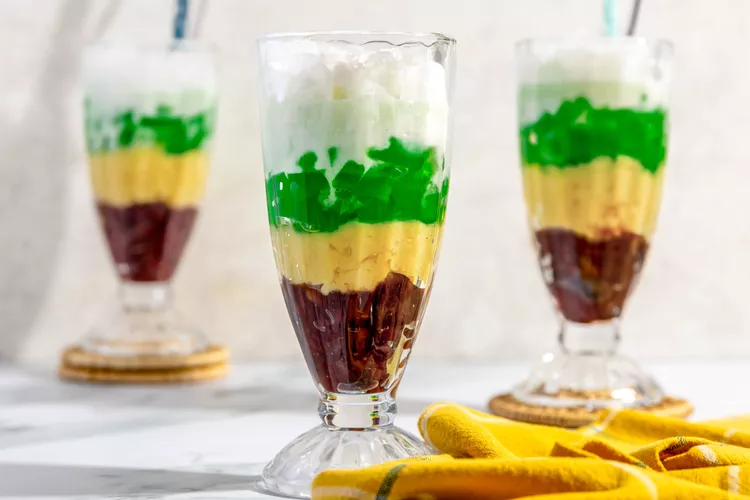
1. Chè ba màu
Chè ba màu is Vietnam’s famous three-color dessert. The name means “three colors” in Vietnamese.
This layered treat features red beans, yellow mung beans, and green pandan jelly. Each layer offers different textures and flavors.
Coconut milk is poured on top, and crushed ice makes it extra refreshing on hot days. The dessert combines sweet and creamy elements perfectly.
It’s popular throughout Vietnam and in Vietnamese restaurants worldwide.

2. Bánh da lợn
You can easily spot bánh da lợn by its bright green and yellow stripes. This steamed layer cake is made from rice flour, coconut milk, and sugar.
The green layers get their color from pandan leaves. The yellow layers are flavored with mung beans.
Each layer is steamed separately to create the colorful pattern. You’ll find this dessert has a soft, chewy texture similar to mochi.
It’s mildly sweet and popular at Vietnamese bakeries and celebrations.

3. Chè trôi nước
You’ll find these small glutinous rice balls floating in sweet ginger syrup at Vietnamese celebrations. The soft rice dough wraps around mung bean paste filling.
The warm dessert comes topped with coconut milk and crushed peanuts. Sesame seeds are often sprinkled on top.
Vietnamese families serve chè trôi nước during Lunar New Year and birthday parties. You can enjoy this traditional treat year-round.

4. Bánh bò
Bánh bò is a sweet Vietnamese sponge cake that you’ll recognize by its unique honeycomb texture. The cake gets its name from this distinctive airy appearance.
You can find bánh bò made with coconut milk, rice flour, and tapioca starch. These ingredients create the cake’s signature chewy yet fluffy texture.
The dessert comes in two main styles. You can enjoy it steamed or baked.
Bánh bò often features pandan flavoring, which gives it a light green color and subtle taste. Some versions use coconut as the main flavor instead.

5. Chè đậu xanh
Chè đậu xanh is a beloved Vietnamese sweet soup made with mung beans and coconut milk. The name translates to “mung bean dessert” in English.
This creamy treat combines soft mung beans with rich coconut milk. You can enjoy it hot during cool weather or chilled with ice in summer.
The texture is smooth and velvety. Many versions include small tapioca pearls for extra chewiness.
You’ll find this dessert served throughout Vietnam. It’s simple to make at home with just a few basic ingredients.

6. Bánh chuối hấp
This steamed banana cake is Vietnam’s answer to banana bread. You’ll find it made with ripe bananas, rice flour, and tapioca starch.
The cake has a bouncy, mochi-like texture that’s different from Western cakes. It’s not too sweet, letting the banana flavor shine through.
You’ll typically see it topped with coconut sauce and tapioca pearls. Toasted sesame seeds and crushed peanuts add extra flavor and crunch.

7. Bánh rán
Bánh rán are Vietnamese fried sesame balls that make perfect sweet treats. You’ll find these golden spheres covered in crunchy sesame seeds.
The outer shell is made from glutinous rice flour that creates a chewy texture. Inside, you’ll discover a sweet mung bean paste filling.
These desserts are crispy on the outside and soft inside. You can find bánh rán at Vietnamese bakeries and street food stalls throughout the country.

8. Chè thái
Chè thái is a colorful Vietnamese fruit cocktail dessert that will refresh you on any hot day. This sweet treat combines tropical fruits like lychee, longan, and jackfruit with chewy jellies and tapioca pearls.
The dessert gets its creamy base from coconut milk, which brings all the flavors together. You can find most ingredients canned at Asian grocery stores.
This dessert takes only about 10 minutes to make at home. The mix of textures and bright colors makes it perfect for parties or summer gatherings.

9. Kem dừa
Kem dừa is Vietnamese coconut ice cream served inside a fresh coconut shell. This popular dessert combines creamy coconut ice cream with various toppings.
You can add peanuts, jellies, caramel sauce, beans, biscuits, or fresh fruit on top. The ice cream costs around 40,000 VND with extra fees for additional toppings.
This trendy treat offers a cool escape from Vietnam’s hot weather. The coconut shell acts as both serving bowl and flavor enhancer.

10. Sữa chua nếp cẩm
This popular Vietnamese dessert combines creamy yogurt with chewy black sticky rice. You’ll find this treat served in cafes throughout Vietnam for about 35,000 VND.
The black glutinous rice gets cooked with sugar and often flavored with pandan and coconut milk. This turns the rice a deep purple color.
The dessert balances tangy and sweet flavors perfectly. You can enjoy it layered in a glass or mixed together, often topped with coconut milk or sesame seeds.

11. Bánh cốm
Bánh cốm is a traditional Vietnamese dessert made from rice and mung bean. You’ll find this sweet treat wrapped in green-colored glutinous rice that surrounds sugary green-bean paste.
The dessert gets its special green color from cốm, which are Vietnamese green rice flakes. These flakes give bánh cốm its unique appearance and flavor.
In Vietnam, bánh cốm holds cultural importance as a traditional wedding gift. You can enjoy this dessert during special occasions and celebrations throughout the country.
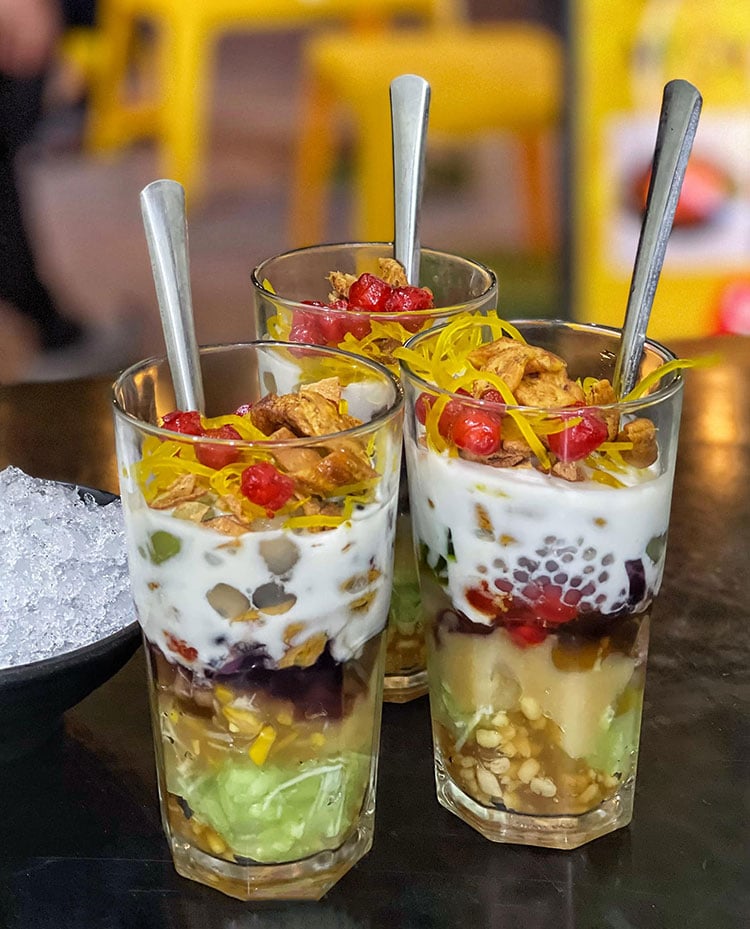
12. Chè thập cẩm
Chè thập cẩm is Vietnam’s most popular mixed sweet soup. You’ll find it at dessert shops across the country.
This dessert combines many ingredients in one bowl. You get tender beans, chewy tapioca pearls, and soft agar jelly.
The creamy coconut milk brings everything together. Fresh shredded coconut adds extra texture on top.
You can customize this dessert with different toppings. Popular additions include lotus seeds, sticky rice, and water chestnuts.

13. Bánh ít trần
Bánh ít trần are small Vietnamese sticky rice dumplings that you can find throughout Vietnam. The name means “naked little cake” because they’re not wrapped in leaves like other dumplings.
You’ll taste a soft, chewy wrapper made from glutinous rice flour. The filling can be sweet or salty, depending on the recipe.
Sweet versions contain mung bean paste with shallots and pepper. Savory types have seasoned pork filling that creates a rich flavor.
These bite-sized treats are steamed or boiled until they become tender and sticky.

14. Chè bắp
Chè bắp is a sweet corn pudding that ranks among Vietnam’s most loved desserts. You’ll find tender corn kernels mixed with glutinous rice and tapioca pearls in this comforting treat.
The dessert gets its creamy texture from rich coconut milk. Many recipes include pandan leaves for extra flavor and aroma.
You can enjoy chè bắp hot or cold. The pudding often comes topped with toasted sesame seeds and extra coconut sauce for added richness.

15. Bánh hỏi
Bánh hỏi are thin rice vermicelli noodles that are often served as a sweet dessert. You’ll find these delicate white noodles woven into small bundles.
The noodles have a soft texture and mild flavor. They’re typically served with coconut milk or sweet syrup.
You can enjoy bánh hỏi with toppings like toasted sesame seeds or crushed peanuts. Some versions include fresh fruit or sweet beans on top.
This dessert is light and refreshing, making it perfect after a heavy meal.

16. Chè khoai môn
Chè khoai môn is a creamy Vietnamese taro pudding that combines sweet and comforting flavors. This dessert features tender chunks of taro root mixed with glutinous rice in a rich, velvety base.
The taro gives the pudding a subtle nutty taste and smooth texture. You’ll often find it topped with coconut milk that adds extra richness.
You can enjoy this dessert warm during cooler weather or chilled as a refreshing treat.

17. Bánh lọt
Bánh lọt are chewy green noodles made from pandan and tapioca starch. You’ll find these bouncy strands have a mild, sweet flavor and unique texture.
These pandan-flavored noodles are served in sweet coconut milk with palm sugar syrup. The dessert is served cold over crushed ice, making it perfect for hot weather.
You can enjoy bánh lọt as a refreshing snack or after-dinner treat. The combination of creamy coconut milk and chewy noodles creates a satisfying dessert experience.

18. Chè đậu đỏ
You’ll find this sweet red bean dessert at Vietnamese gatherings and celebrations. The dish uses adzuki beans that bring natural sweetness and smooth texture.
You can enjoy chè đậu đỏ hot during cool weather. It also works well served cold over ice when temperatures rise.
The red beans carry special meaning in Vietnamese culture. They represent good luck and prosperity for your family.
This dessert belongs to the larger chè family of Vietnamese sweet soups. Each region adds its own style to the basic recipe.

19. Xôi chè
Xôi chè combines two beloved Vietnamese desserts into one special treat. You get sticky rice (xôi) paired with sweet soup (chè) in the same bowl.
The sticky rice comes in different colors like purple, yellow, or white. Each color has its own mild flavor from natural ingredients.
The chè portion adds sweetness and texture. You might find coconut milk, beans, or tapioca pearls mixed in.
This dessert works well for breakfast or as an afternoon snack.

20. Bánh chưng bánh tét (sweet versions)
These traditional Vietnamese rice cakes come in sweet versions that make perfect desserts. Both are made with sticky rice wrapped in banana or dong leaves.
Sweet bánh chưng uses coconut milk and sugar instead of savory fillings. You’ll find mung bean paste sweetened with palm sugar inside.
Bánh tét offers more variety in sweet flavors. Popular versions include banana filling or three-colored layers with different sweet ingredients.
These cakes require hours of boiling to cook properly. The result is a chewy, fragrant dessert that’s especially popular during Lunar New Year celebrations.

21. Chè nếp cẩm
This sweet soup features purple sticky rice as its main ingredient. The rice gets its deep purple color from natural butterfly pea flowers or purple rice varieties.
You’ll find soft, chewy rice grains swimming in creamy coconut milk. Sugar adds the perfect amount of sweetness to balance the nutty rice flavor.
The dessert often includes mung beans or black beans for extra texture. Some versions add tapioca pearls to make it more filling.
You can enjoy this warm or cold depending on your preference.
Traditional Ingredients in Vietnamese Desserts
Vietnamese desserts rely on coconut milk, rice, tropical fruits, and legumes to create their signature flavors and textures. These natural ingredients work together to produce treats that are refreshing and never overly sweet.
Rice and Glutinous Rice
Glutinous rice forms the foundation of many Vietnamese desserts. You’ll find it in bánh chưng and bánh tét, where it creates a chewy, satisfying texture.
Regular jasmine rice appears in desserts like chè cung đình. Cooks simmer the rice until soft and mix it with coconut milk for creaminess.
Cooks use sticky rice flour to make popular treats like bánh xu xê. This flour creates a bouncy, elastic texture that’s different from wheat-based desserts.
Rice paper becomes edible wrappers for sweet spring rolls. Fill these thin sheets with fruits, nuts, and sweet pastes.
Cooks use tapioca pearls from cassava root to add chewy bubbles to many chè varieties. These small, translucent spheres soak up flavors from coconut milk and syrups.
Tropical Fruits
Mango appears in countless Vietnamese desserts. Enjoy it fresh in fruit salads or blended into smoothie-like treats called sinh tố.
Jackfruit brings a unique sweet aroma to desserts. Its yellow flesh works well in sticky rice dishes and ice creams.
Durian creates polarizing desserts that locals love. Despite its strong smell, the fruit makes rich, creamy puddings and ice creams.
Lychee adds floral sweetness to fruit cocktails. People often use it canned in syrup for year-round availability.
Dragon fruit provides mild sweetness and striking color. Its black seeds create interesting visual contrast in clear jellies and drinks.
Coconut in Vietnamese Sweets
Coconut milk appears in almost every Vietnamese dessert. It creates the creamy base for chè varieties and adds richness without dairy.
Fresh coconut water becomes a natural sweetener in many treats. Find it in jellies and light desserts served on hot days.
Shredded coconut adds texture to sticky rice cakes. The dried version keeps longer and provides concentrated coconut flavor.
Coconut cream makes desserts extra rich. This thick layer from the top of coconut milk creates luxurious textures in puddings.
Young coconut meat offers tender, jelly-like pieces. These soft strips work perfectly in fruit salads and cold desserts.
Sweet Syrups and Beans
Palm sugar creates the main sweetener in Vietnamese desserts. This unrefined sugar adds complex flavors beyond simple sweetness.
Cooks simmer mung beans into a smooth, yellow paste. This protein-rich ingredient appears in moon cakes and steamed buns.
Red beans make sweet, earthy fillings. These adzuki beans create popular ice cream flavors and chè toppings.
Black glutinous rice turns purple when cooked. This ingredient makes colorful, nutty-flavored puddings served warm or cold.
Pandan leaves provide natural green coloring and vanilla-like aroma. Taste this distinctive flavor in cakes, jellies, and rice dishes.
Cultural Significance of Vietnamese Sweets
Vietnamese desserts carry deep cultural meaning that goes far beyond simple sweetness. These treats connect families across generations and reflect Vietnam’s rich history through French colonial influences and regional diversity.
Celebratory and Festive Occasions
Vietnamese desserts play essential roles during major holidays and life celebrations. Bánh chưng appears on every Tet (Lunar New Year) table as a symbol of prosperity and family unity.
Wedding ceremonies feature bánh phu thê, colorful layered cakes that represent the harmony between bride and groom. The pink and white layers symbolize the balance needed in marriage.
Mid-Autumn Festival brings families together with bánh dẻo and bánh nướng mooncakes. Children carry lanterns while sharing these sweet treats under the full moon.
Birthday celebrations often include chè ba màu, a three-colored dessert soup. Each layer represents different life stages and good fortune for the coming year.
Many families prepare bánh ít during ancestor worship ceremonies. These small rice dumplings honor deceased relatives and maintain spiritual connections.
Regional Influences on Dessert Recipes
Northern Vietnam favors subtle sweetness in desserts like chè đỗ đen (black bean sweet soup). The cooler climate influences preferences for warming, less sweet treats.
Southern regions embrace bold flavors and bright colors. Bánh flan shows clear French colonial influence with its caramel custard base adapted to local tastes.
Coconut milk appears frequently in Mekong Delta desserts due to abundant coconut trees. Chè cung đình originated in Hue’s royal kitchens with refined preparation methods.
Central Vietnam’s desserts often include tapioca pearls and mung beans. The imperial city of Hue created elaborate desserts for royal banquets that common people later adopted.
Palm sugar from southern provinces creates different flavor profiles than northern rock sugar. Each region’s available ingredients shaped distinct dessert traditions.
Modern Twists on Classic Treats
Vietnamese dessert shops now offer Instagram-worthy versions of traditional chè. Layered parfait glasses replace simple bowls for visual appeal.
Bánh mì ice cream combines French bread concepts with Vietnamese flavors. Creative chefs add durian or taro to Western-style desserts.
Food trucks serve bánh flan with modern toppings like crushed cookies or fresh fruit. Traditional recipes get updated presentation styles.
Bubble tea shops incorporate Vietnamese dessert elements like grass jelly and coconut milk. These fusion drinks appeal to younger generations.
Artisan bakeries create bánh bò cupcakes and bánh da lợn layer cakes. Traditional steamed desserts transform into Western baking styles while keeping authentic flavors.
Frequently Asked Questions
Vietnamese desserts use coconut milk, rice flour, and tropical fruits as main ingredients. Traditional treats like chè come in many forms, from colorful layered desserts to simple sweet soups.
What are some traditional Vietnamese desserts to try?
Chè ba màu is a popular three-layer dessert with colorful ingredients like mung beans, red beans, and coconut milk. This treat combines different textures and mild sweetness.
Bánh bò is a steamed sponge cake made with rice flour and coconut milk. The cake has a soft, airy texture with small holes throughout.
Chè trôi nước features glutinous rice balls filled with mung bean paste floating in coconut milk. The dessert offers a perfect balance of chewy and creamy textures.
How do you make a simple Vietnamese dessert at home?
Start with bánh bò, which requires rice flour, sugar, coconut milk, and yeast. Mix the ingredients and let the batter rise before steaming.
You can also make chè đậu xanh using mung beans, coconut milk, and sugar. Cook the beans until soft, then add coconut milk and sweetener to taste.
Both desserts use basic ingredients you can find at Asian grocery stores. The cooking methods involve steaming or simple stovetop preparation.
What common ingredients are used in Vietnamese dessert recipes?
Rice flour forms the base of many Vietnamese sweets like bánh bò and bánh da lợn. This ingredient creates the chewy, soft texture that defines these treats.
Coconut milk appears in almost every Vietnamese dessert recipe. It adds richness and mild sweetness without being overwhelming.
Mung beans, tapioca pearls, and pandan leaves are also common. These ingredients provide color, texture, and subtle flavors.
Where can I find authentic Vietnamese dessert recipes?
Vietnamese cooking websites and food blogs offer step-by-step recipes with traditional ingredients. Many include photos that show proper texture and appearance.
Asian cookbooks often have dedicated sections for Vietnamese sweets. These books explain techniques and ingredient substitutions for home cooks.
You can also learn from Vietnamese restaurants or cooking classes in your area. Direct instruction helps with timing and texture issues.
Can you recommend some Vietnamese desserts that feature coconut milk?
Chè ba màu uses coconut milk as the top layer and base for its sweet flavor. The coconut milk balances the beans and tapioca below.
Chè trôi nước serves glutinous rice balls in warm coconut milk. The dessert tastes like a comforting sweet soup.
Bánh da lợn layers coconut milk with tapioca and pandan for green and white stripes. The result is a firm, sliceable dessert with rich coconut taste.
What is chè, and what variations of this Vietnamese dessert exist?
Chè refers to a category of Vietnamese sweet soups and puddings. You can enjoy these desserts hot or cold depending on the recipe.
Chè ba màu combines three different colored layers with beans, tapioca, and coconut milk. Each layer offers its own texture and mild flavor.
Chè đậu xanh features mung beans cooked until soft in coconut milk. Some versions include tapioca pearls or sticky rice for extra texture.