
Indian desserts offer a world of rich flavors that go far beyond typical sweet treats. These traditional sweets combine milk, sugar, nuts, and aromatic spices to create unique textures and tastes.
From creamy puddings to syrup-soaked delicacies, Indian desserts bring centuries of culinary tradition to your kitchen. You can easily make these authentic Indian sweets at home using simple ingredients and traditional techniques.
Whether you want to try classic favorites like gulab jamun and kheer or explore regional specialties, these recipes will help you master the art of Indian dessert making. Each sweet has its own story and cultural meaning, making them perfect for festivals, special occasions, or satisfying your sweet tooth any day.
1. Gulab Jamun
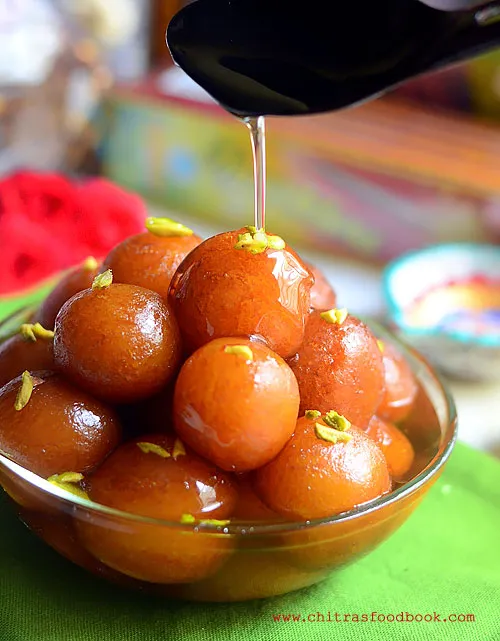
Gulab jamun ranks as one of India’s most beloved desserts. You make these bite-sized treats from milk solids formed into balls and deep-fry them until golden.
Then you soak the dumplings in fragrant sugar syrup containing rose water and cardamom for extra flavor. You’ll find gulab jamun served warm with a soft, spongy texture.
The sticky sweet syrup coats each piece perfectly. This classic dessert appears at most Indian restaurants and celebrations.
You can make it at home using simple ingredients.
2. Rasgulla
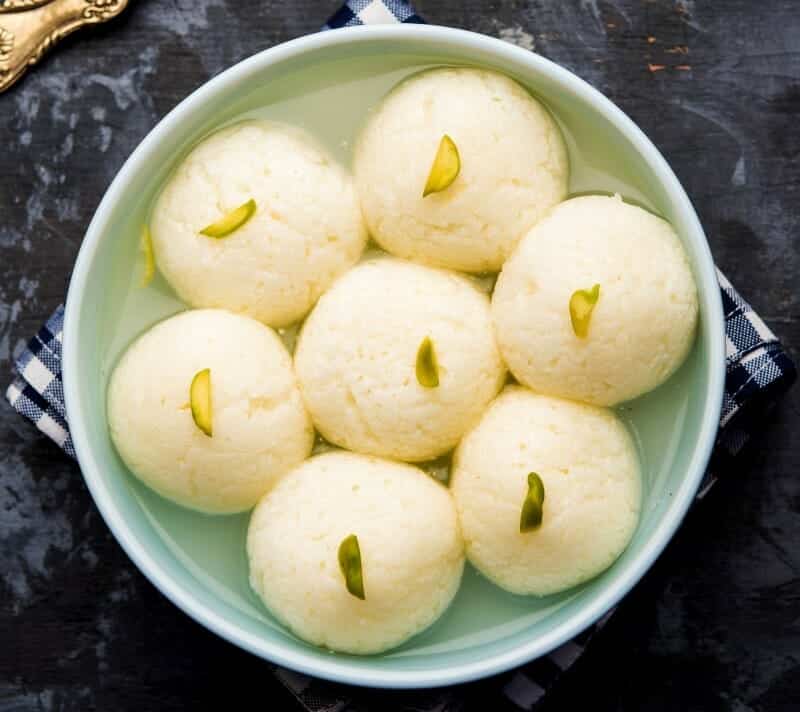
Rasgulla is a soft, spongy Bengali dessert that melts in your mouth. You make it with chenna, which is fresh Indian cottage cheese.
You cook the sweet white balls in light sugar syrup, giving them a juicy texture and mild sweetness. You only need milk and sugar to make rasgullas at home.
The process takes less than an hour with simple steps. This popular dessert works well for celebrations and festivals like Diwali.
3. Kheer
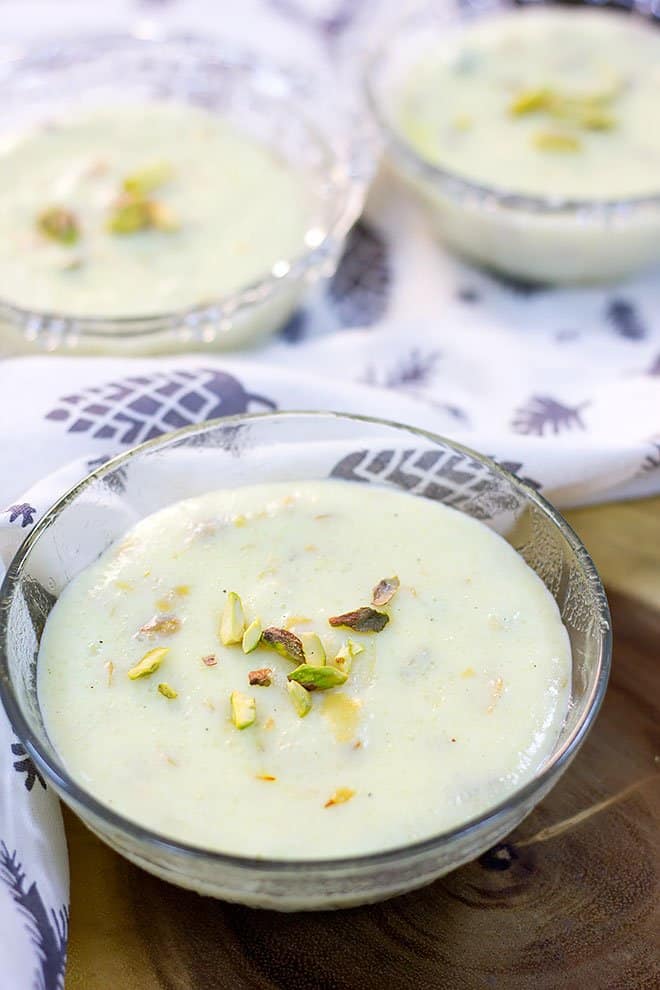
Kheer is India’s most beloved rice pudding dessert. You make it with milk, rice, sugar, and cardamom.
This creamy dessert cooks slowly until thick and rich. You can use basmati rice or vermicelli as the base.
Popular spices include cardamom and saffron. You can add nuts like almonds or pistachios for extra flavor.
Kheer works perfectly for festivals and celebrations. You can serve it warm or cold from the fridge.

4. Besan Ladoo
Besan ladoo are golden sweet balls made from gram flour, ghee, and sugar. You roast the gram flour slowly in ghee until it turns golden and smells nutty.
These treats are popular during Indian festivals like Diwali. You can add cardamom powder for extra flavor.
The mixture cools down before you roll it into small balls. They have a soft texture that melts in your mouth.
You can make them on the stovetop or in the microwave using just five basic ingredients.

5. Jalebi
Jalebi is a popular Indian sweet made from fermented batter. You fry the batter into spiral shapes and soak them in sugar syrup.
You can make this crispy dessert at home in about 30 minutes. The golden spirals have a crunchy outside and sweet inside.
This traditional sweet appears at most Indian weddings and festivals. You’ll often find jalebi served alongside other desserts or even at breakfast in some regions.

6. Barfi
Barfi is a popular milk-based Indian sweet with a fudge-like texture. You can make it using milk powder instead of traditional khoya for quicker preparation.
This dessert comes in many flavors. You’ll find versions with cashews, pistachios, cardamom, and saffron.
Some modern recipes include mango or other fruits. The basic recipe combines milk powder, sugar, and milk.
You cook these ingredients until they form a smooth mixture that sets into firm squares. Barfi takes about 15-30 minutes to make.

7. Sandesh
Sandesh is a beloved Bengali sweet made from fresh paneer and sugar. This creamy dessert melts in your mouth with its soft, delicate texture.
You can make this traditional treat at home in under 30 minutes. The recipe requires only milk, sugar, and basic cooking skills.
Cardamom often adds extra flavor to this light dessert. Sandesh works perfectly for festivals, special occasions, or when you want something sweet but not too heavy.

8. Malpua
Malpua is a traditional Indian dessert that tastes like sweet pancakes. You make it with flour, milk, and sugar or jaggery.
You fry these golden treats until crispy on the edges but keep them soft inside. Then you soak them in sweet sugar syrup.
Malpua is popular during festivals like Holi and Diwali. You can serve it warm with rabdi or chopped nuts on top.
The dessert has deep roots in Indian culture.

9. Peda
Peda is a traditional Indian sweet that comes from North India. You can make this fudge-like dessert with just a few simple ingredients.
The classic recipe uses milk solids, sugar, and cardamom powder. Some versions include nuts like pistachios or cashews for extra flavor.
You can prepare peda in about 15 minutes using different methods. The microwave version takes only 10 minutes and needs just four ingredients.
This creamy sweet has a soft texture that melts in your mouth.

10. Rabri
Rabri is a classic North Indian dessert made from full-fat milk. You cook the milk slowly until it becomes thick and creamy.
The milk reduces to a pudding-like texture with layers of cream. You add cardamom, saffron, and nuts for flavor.
This sweet dish takes time and patience to make. You simmer the milk on low heat for a long period.
You can serve rabri alone or with other desserts like gulab jamun and jalebi.

11. Kesari Bath
Kesari Bath is a popular South Indian dessert made with semolina, sugar, and ghee. You can make this sweet treat in just 25 minutes using simple ingredients.
The dish gets its name from saffron, which gives it a golden color. You can also use orange food coloring if you prefer.
This dessert includes cashews and raisins for extra flavor and texture. Many families serve Kesari Bath during festivals and special occasions like weddings.

12. Modak
Modak is a traditional sweet dumpling from Maharashtra that holds special meaning during Ganesh Chaturthi. You make it with rice flour dough wrapped around a sweet filling.
The filling combines coconut, jaggery, and cardamom for a rich taste. You can shape modaks by hand or use a special mold.
These soft dumplings are considered Lord Ganesha’s favorite sweet. Many families offer 21 modaks during the festival celebrations.

13. Shrikhand
Shrikhand is a creamy Indian dessert made from strained yogurt. You mix the thick yogurt with powdered sugar and spices like cardamom.
This sweet treat comes from Gujarat and Maharashtra. You can flavor it with saffron, rose water, or nuts for extra taste.
Making shrikhand is simple. You strain regular yogurt until it becomes thick and creamy.
Then you add sugar and your favorite spices. People often serve shrikhand with hot puris.

14. Kaju Katli
Kaju Katli is a classic Indian sweet made with cashews and sugar. You can also call it Kaju Barfi.
This diamond-shaped dessert has a smooth texture that melts in your mouth. The sweet has a rich, nutty flavor from the ground cashews.
You need only three to four basic ingredients to make it. These include cashews, sugar, ghee, and cardamom powder.
Many people add silver foil on top for special occasions like Diwali.

15. Phirni
Phirni is a creamy rice pudding that ranks among North India’s most beloved desserts. You make it by cooking ground basmati rice with milk until thick and smooth.
This traditional sweet gets its rich flavor from cardamom, saffron, and rose water. You can garnish it with chopped nuts like almonds and pistachios.
Phirni works perfectly for festivals like Diwali, Eid, and special celebrations. You should serve it chilled in small bowls for the best taste experience.
16. Mysore Pak
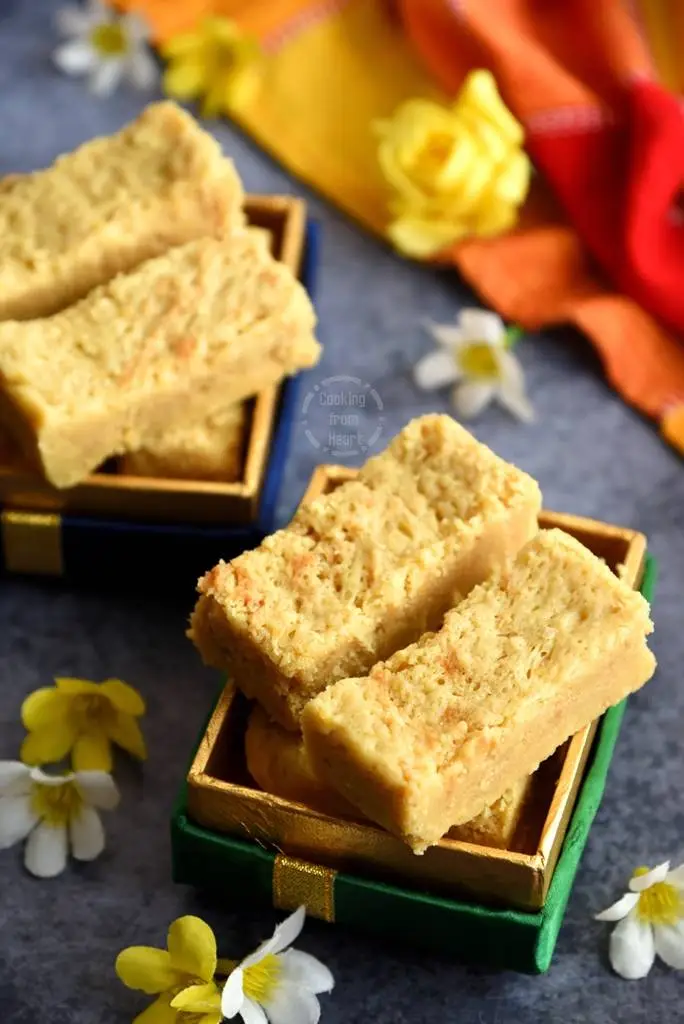
Mysore Pak is a rich South Indian sweet from Karnataka. You need only three ingredients: gram flour, ghee, and sugar.
This golden dessert has a soft, fudgy texture that melts in your mouth. The recipe comes from the royal kitchens of Mysore.
You can make this traditional sweet at home with patience and care. It takes skill to get the right texture and consistency.

17. Boondi Laddu
Boondi laddu are sweet golden balls made from gram flour, sugar, and ghee. You deep-fry tiny chickpea flour droplets to create the boondi.
The boondi soaks in sugar syrup with cardamom for flavor. You then shape the mixture into round balls while it’s still warm.
These treats are popular during Diwali and other Indian festivals. You can add cashews and raisins for extra texture and taste.

18. Lauki Halwa
Lauki halwa is a sweet Indian dessert made from bottle gourd. You grate the bottle gourd and cook it with milk, sugar, and ghee.
This traditional pudding gets flavored with cardamom and sometimes saffron. You can garnish it with nuts like almonds or pistachios.
The dessert is popular during festivals and fasting periods. You’ll find it served at weddings and special occasions too.
The grated bottle gourd becomes soft and caramelized as you cook it. This creates a rich, creamy texture.

19. Chikki
Chikki is a crunchy Indian sweet made with nuts and jaggery. You can make it with peanuts, sesame seeds, or mixed dry fruits like cashews and almonds.
The basic recipe uses just two ingredients. You heat jaggery until it forms a syrup, then mix in roasted nuts.
This sweet treat takes only 15-30 minutes to prepare. You can make different types using various nuts or seeds.
Chikki is popular during winter months and festivals like Makar Sankranti.

20. Puran Poli
Puran Poli is a sweet flatbread loved across India. You’ll find it made with different names like Holige, Obbattu, or Bobbatlu in various states.
This traditional dessert has a soft wheat dough wrapped around sweet filling. The filling uses chana dal and jaggery cooked together into a thick paste called puran.
You can make this special treat for festivals like Holi, Diwali, or Ganesh Chaturthi. The key is making good puran filling and getting the dough texture right.
The flatbread tastes best when served warm with a bit of ghee on top.

21. Kesari Phirni
Kesari Phirni is a creamy rice pudding from North India. You make it with ground basmati rice, milk, sugar, and saffron.
The saffron gives it a golden color and rich flavor. You also add cardamom for extra taste.
This dessert is thicker than regular kheer. You serve it cold in small bowls.
People often make Phirni for festivals and special occasions. You can top it with chopped almonds and pistachios for crunch.
The Cultural Significance of Indian Desserts
Indian desserts serve as powerful symbols of hospitality and joy during religious festivals and family gatherings. Each region brings its own unique ingredients and preparation methods that reflect local traditions and available resources.
Festivals and Celebrations
Diwali stands as the most important festival for Indian sweets. You’ll find families preparing gulab jamun, barfi, and laddu weeks before the celebration.
These desserts represent prosperity and good fortune. Sharing sweets with neighbors and relatives strengthens community bonds during this festival of lights.
Holi brings colorful desserts like gujiya and thandai. You prepare these treats to celebrate spring’s arrival and the victory of good over evil.
During Raksha Bandhan, sisters traditionally offer sweets to their brothers. Rasgulla and sandesh are popular choices for this sibling celebration.
Wedding ceremonies require elaborate sweet displays. You’ll see jalebi, mohanthal, and kaju katli served to guests as symbols of a sweet new beginning.
Eid celebrations feature sheer khurma and sewaiyan. These milk-based desserts mark the end of fasting and bring families together in celebration.
Religious offerings to deities always include sweets. Temples distribute prasad such as kheer or halwa as blessed food.
Regional Influence on Flavors
Bengal dominates India’s dessert landscape with milk-based sweets. You’ll discover rosogolla, mishti doi, and sandesh originating from this eastern region.
Rajasthan contributes rich, ghee-heavy desserts perfect for desert climates. Ghevar, malpua, and churma showcase the state’s love for indulgent treats.
Maharashtra offers puran poli and modak. These desserts use jaggery and coconut, reflecting the region’s coastal influences and local ingredients.
Gujarat specializes in dhokla and mohanthal. The state’s vegetarian culture and trading history influence its sweet-making traditions.
South India brings coconut-forward desserts like payasam and mysore pak. You’ll taste cardamom, coconut, and rice flour in most southern sweets.
Punjab creates hearty desserts such as gajar halwa and phirni. The region’s dairy-rich agriculture provides abundant milk and cream for these treats.
Essential Ingredients and Techniques
Indian desserts rely on specific spices, dairy products, and sweeteners that create their distinct flavors. Traditional cooking methods like slow simmering and careful temperature control ensure the perfect texture and taste.
Key Spices and Sweeteners
Cardamom is the most important spice in Indian desserts. It adds a sweet, floral taste to dishes like kheer and gulab jamun.
Use whole pods or ground cardamom powder. Saffron gives desserts a golden color and rich flavor.
Soak a few threads in warm milk before adding to recipes. This spice works best in milk-based sweets.
Rose water provides a delicate floral note. Add it at the end of cooking to keep the flavor strong.
Start with small amounts since it can overpower other tastes. For sweeteners, you have several choices:
- Sugar – standard white sugar for most recipes
- Jaggery – unrefined sugar with a molasses taste
- Honey – adds moisture and complex sweetness
Condensed milk and milk powder are modern shortcuts that save time. They work well in quick versions of traditional desserts.
Traditional Cooking Methods
Slow simmering is key for milk-based desserts. Cook on low heat and stir often to prevent burning.
This method thickens milk naturally and develops deep flavors. Temperature control matters when making sugar syrups.
Different desserts need different syrup consistencies. Test by dropping syrup in cold water to check thickness.
Frying techniques vary by dessert type. For gulab jamun, maintain oil at medium heat.
Too hot and the outside burns before the inside cooks. Too cool and they absorb excess oil.
Grind nuts just before use for maximum freshness. Mix batters gently to avoid tough textures.
Frequently Asked Questions
Making Indian desserts at home often brings up common questions about ingredients, preparation time, and techniques. These answers will help you create authentic sweets with confidence.
What are some traditional Indian desserts that can be served at dinner parties?
Gulab jamun works perfectly for dinner parties because guests love the soft, syrupy texture. The deep-fried milk balls soak up rose-scented sugar syrup.
Rasgulla offers a lighter option with its spongy cheese balls in sweet syrup. Kheer provides a creamy rice pudding that you can serve warm or cold.
Jalebi adds visual appeal with its bright orange spirals. The crispy texture and sweet syrup make it a crowd favorite.
Can you provide quick recipes for Indian sweets that can be prepared in 5 minutes?
Instant kheer uses condensed milk instead of cooking rice for hours. Mix cooked rice with condensed milk, cardamom, and nuts.
Quick besan ladoo takes just minutes in the microwave. Roast chickpea flour with ghee, add sugar and cardamom, then form balls.
No-cook coconut ladoo combines coconut flakes with condensed milk. Roll the mixture into balls and chill for 10 minutes.
Which Indian desserts are considered the most popular nationwide?
Gulab jamun ranks as the most popular Indian dessert across all regions. You’ll find it at every celebration and restaurant.
Kheer comes second as a traditional rice pudding served at festivals. Rasgulla holds strong popularity, especially in eastern India.
Jalebi remains a street food favorite throughout the country. Besan ladoo appears at most Indian households during festivals.
What are the names of some famous North Indian sweets, preferably with images?
Gulab jamun dominates North Indian sweet shops with its brown, round appearance. The balls look glossy from the sugar syrup.
Jalebi shows bright orange spirals that catch the eye immediately. The pretzel-like shapes glisten with sticky syrup.
Besan ladoo appears as golden yellow balls with a crumbly texture. Ras malai features white, flat dumplings floating in thick milk.
How do I make Indian dessert balls, also known as laddus?
Start with besan ladoo by roasting chickpea flour in ghee until fragrant. The flour should turn golden and smell nutty.
Add powdered sugar while the mixture is still warm. Mix in cardamom powder and chopped nuts.
Form the mixture into small balls while it’s still warm. The natural oils will help bind everything together.
Can you list Indian desserts that are primarily made with milk?
Kheer uses full-fat milk as its base ingredient. You cook rice or vermicelli directly in milk until it becomes thick and creamy.
To make rasgulla, you curdle milk to create fresh cheese. Then, you cook the cheese balls in sugar syrup.
Ras malai features fresh cheese dumplings served in thickened, sweetened milk.
Kulfi is frozen thickened milk flavored with cardamom and pistachios.