
A good steak can turn any regular dinner into something special. Whether you want a quick weeknight meal or a fancy dinner for guests, knowing how to cook different cuts of steak gives you many options.
These 21 steak recipes will help you master everything from simple pan-seared cuts to advanced cooking methods like sous vide and reverse searing. You’ll learn how to cook popular cuts like ribeye, filet mignon, and New York strip. Discover international flavors like Korean bulgogi and chimichurri skirt steak.
Each recipe includes clear steps and tips to help you get perfect results every time.
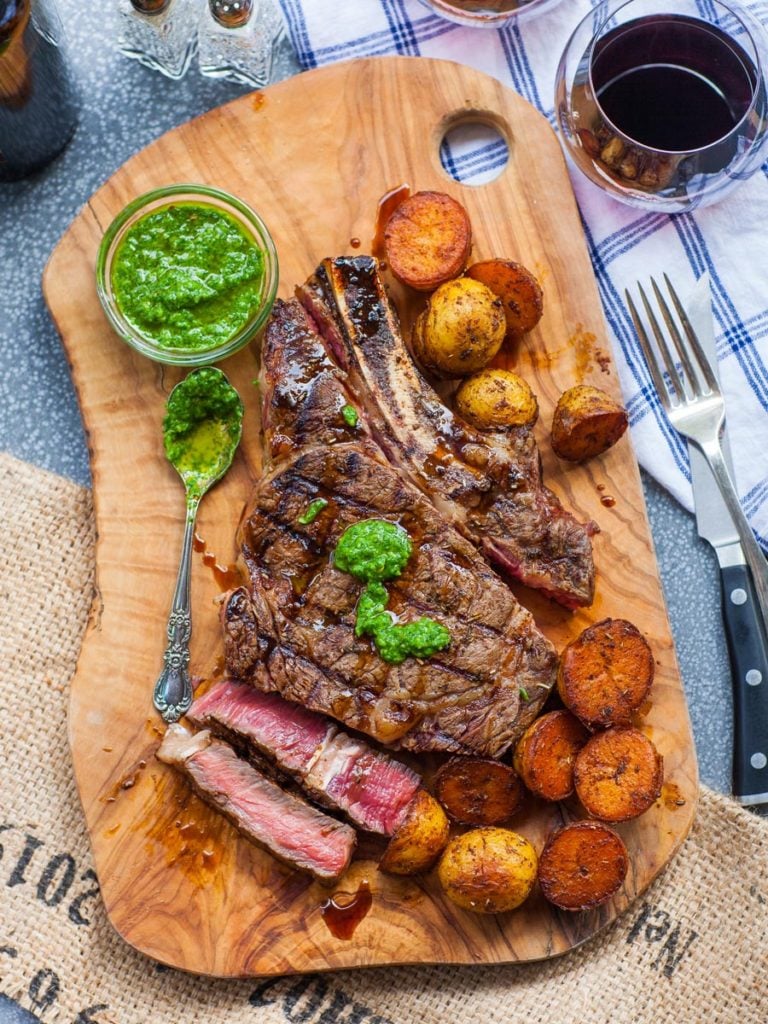
1. Grilled Ribeye Steak
Grilled ribeye steak delivers rich marbling and deep beef flavor. The fat creates tender, juicy results when cooked properly.
You need minimal ingredients for great ribeye. Salt, pepper, and high heat work best.
Some cooks add garlic butter for extra flavor. Start with room temperature steaks.
Season them 30 minutes before grilling. This helps the meat cook evenly.
Use direct high heat for searing. Cook 4-5 minutes per side for medium-rare.
Check internal temperature with a meat thermometer. Let the steak rest 5 minutes after grilling.
This keeps the juices inside the meat.

2. Filet Mignon with Garlic Butter
Filet mignon is cut from the tenderloin and offers incredible tenderness. This premium steak cooks quickly and pairs perfectly with rich garlic butter.
Start by bringing your steak to room temperature for 30 minutes. Season both sides with salt and pepper before cooking.
Sear the filet in a hot pan for 2-3 minutes per side. The garlic herb butter melts over the hot steak, adding flavor and richness.

3. Skillet-Seared New York Strip
You can make restaurant-quality New York strip steak at home using a simple skillet method. Start by heating a cast iron or heavy-bottomed pan over high heat.
Season your steak with salt and pepper. Sear it for 2-3 minutes per side to create a golden crust.
For thicker steaks, transfer the pan to a 375°F oven for 3-4 minutes. This ensures even cooking throughout.
Let your steak rest for 5 minutes before serving. Add butter and herbs during the final minute of cooking for extra flavor.

4. Flank Steak Fajitas
Flank steak fajitas bring restaurant-quality flavor to your kitchen in just 20 minutes. The lean cut works perfectly when sliced thin against the grain.
You’ll want to marinate your flank steak in lime juice, olive oil, and garlic for best results. This tenderizes the meat and adds zesty flavor.
Cook the steak in a cast iron skillet over medium-high heat for about 6 minutes per side. Let it rest before slicing.
Serve with sautéed peppers and onions in warm tortillas.

5. Sous Vide Porterhouse
Porterhouse steak combines two cuts in one. You get both strip steak and filet mignon together.
Sous vide cooking makes this thick cut foolproof. Set your water bath to 124°F for medium-rare.
Season your steak with salt and pepper. Add garlic and rosemary for extra flavor.
Cook for 2-3 hours in the water bath. The meat stays perfectly tender and juicy.
Finish with a quick sear in a hot pan. This creates a nice crust while keeping the inside perfect.

6. Pan-Seared Sirloin with Mushrooms
Pan-seared sirloin with mushrooms creates a perfect weeknight dinner. You get tender beef with rich, earthy flavors in just 30 minutes.
Season your sirloin steaks with salt and pepper on both sides. Heat olive oil in a cast-iron skillet over medium-high heat.
Sear the steaks for 3-4 minutes per side for medium doneness. Remove steaks and let them rest for 5-10 minutes.
Add sliced mushrooms to the same pan with butter and garlic. Cook until golden brown, about 3-4 minutes.
Serve the steaks topped with the sautéed mushrooms.

7. Carne Asada Grilled Steak
Carne asada transforms simple flank or skirt steak into flavorful Mexican-style grilled meat. You marinate the beef in lime juice, garlic, cumin, and chili powder for several hours.
The marinade makes the meat tender and adds bold taste. Skirt steak works best because it soaks up flavors well and cooks quickly.
Grill the marinated steak over high heat for 3-4 minutes per side. Let it rest, then slice it thin against the grain for maximum tenderness.

8. Steak au Poivre
Steak au poivre means “pepper steak” in French. This classic dish features steak coated with crushed black peppercorns.
You pan-sear the steak to create a peppercorn crust. Press whole peppercorns into one side of the meat before cooking.
The dish comes with a rich cream sauce. Make this sauce in the same pan using the steak drippings, cream, and often cognac or brandy.
This recipe works best with tender cuts like filet mignon or strip steak.

9. Broiled T-Bone Steak
T-bone steak gives you two cuts in one – tenderloin and strip steak. This makes it a great value choice.
Take your steak out of the fridge 30 minutes before cooking. This helps it cook evenly.
Preheat your broiler and season the steak with salt and pepper. Place it on a broiler pan about 4 inches from the heat.
Broil for 4-5 minutes per side for medium-rare. The high heat creates a nice crust while keeping the inside tender.
Let the steak rest for 5 minutes before cutting to keep the juices in.

10. Chimichurri Skirt Steak
Skirt steak pairs perfectly with bright chimichurri sauce. This cut becomes tender when marinated and grilled over high heat.
The chimichurri sauce combines parsley, oregano, garlic, olive oil, and vinegar. You can make it quickly in a food processor.
Marinate your skirt steak for better flavor and tenderness. Grill it fast over high heat to avoid overcooking.
The herb sauce cuts through the rich beef flavors beautifully.

11. Peppercorn-Crusted Filet
This classic steakhouse dish coats tender filet mignon in cracked black peppercorns. Press the peppercorns into the meat before cooking.
The crust adds bold flavor and texture to the mild beef. Sear the steaks in a hot pan first, then finish in the oven.
Cook until the internal temperature reaches 120°F for medium-rare. This takes about 25 to 35 minutes total cooking time.
Serve with creamy peppercorn sauce made from brandy and heavy cream.

12. Korean Bulgogi Beef
Korean bulgogi transforms thin beef slices into tender, flavorful steak. Marinate the meat in soy sauce, sugar, sesame oil, garlic, and ginger.
Slice your beef paper-thin. Freeze the steak for 30 minutes to make cutting easier.
This sweet and savory marinade creates incredibly tender meat. Grill or pan-fry the bulgogi for a quick weeknight dinner.
Serve your bulgogi with rice for an authentic Korean meal.

13. Reverse Sear Tomahawk Ribeye
The tomahawk steak is a thick, bone-in ribeye that weighs around three pounds. Its impressive size and long bone make it a showstopper cut.
Season your steak the night before cooking. Use plenty of salt and pepper since the thick cut needs time for flavors to penetrate.
Start by cooking low and slow at 250°F until the internal temperature reaches 100°F. Sear over high heat to create a perfect crust.
This method gives you even cooking throughout the steak.

14. London Broil with Herb Marinade
London broil becomes tender and juicy with the right herb marinade. This budget-friendly cut needs time to soak up flavors.
Mix fresh herbs like rosemary, thyme, and parsley with olive oil and garlic. Add soy sauce and balsamic vinegar for depth.
Marinate your steak for at least 4 hours or overnight. The acids break down tough fibers while herbs add fresh flavor.
Grill or broil on high heat for 6-8 minutes per side. Let the meat rest before slicing thin against the grain.

15. Steak Diane
Steak Diane is a classic dish that features tender beef in a rich, creamy sauce. You typically use filet mignon or sirloin for the best results.
The sauce combines cream with beef stock, mustard, and brandy or cognac. Mushrooms, garlic, and shallots add extra flavor.
Pan-sear the steak first, then prepare the sauce in the same pan. This keeps all the tasty bits from cooking the meat.
The dish takes about 30 minutes to make.

16. Smoked Cowboy Ribeye
The cowboy ribeye is a thick, bone-in cut that’s perfect for smoking. The bone acts as a natural handle and adds extra flavor.
Cook this cut low and slow. Direct heat won’t work well with such a thick piece of meat.
Choose a well-marbled steak for the best results. The fat keeps the meat juicy during the long cooking process.
Smoke the ribeye until it’s almost done. Sear it on high heat for a perfect crust.

17. Balsamic-Glazed Flank Steak
This flank steak gets a sweet and tangy coating that makes it special. The balsamic glaze adds rich flavor to the meat.
Marinate the steak in balsamic vinegar with garlic and herbs. This makes the meat tender and flavorful.
Grill or pan-sear the steak until it has a nice crust. The high heat locks in the juices.
Brush the cooked steak with a thick balsamic glaze. The glaze creates a shiny coating that tastes amazing.
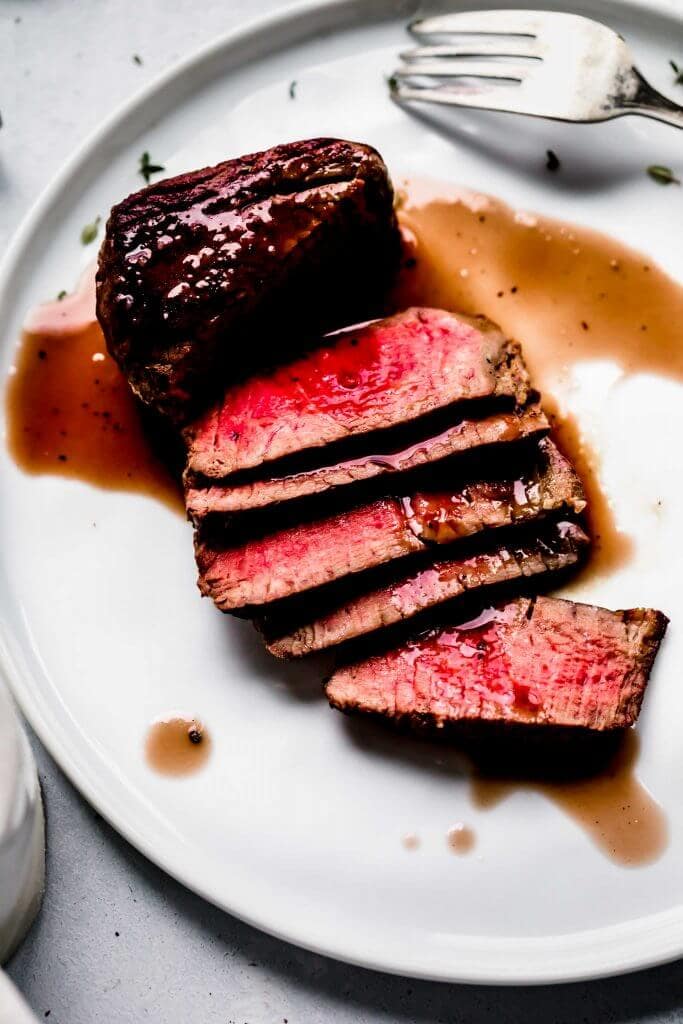
18. Steak with Red Wine Reduction
This dish combines juicy steak with a rich wine sauce. The reduction adds sweet and savory flavors.
Ribeye and New York strip steaks work best for this recipe. Cut them thick, about 1.5 inches, for the best results.
Cook your steak first, then use the same pan to make the sauce. Add butter, shallots, and red wine to the pan drippings.
Let it simmer until it gets thick. The wine sauce pairs perfectly with the steak’s natural flavors.

19. Grilled Tri-Tip with Garlic
Tri-tip steak works great on the grill when paired with garlic. This cut comes from the bottom sirloin and stays tender when cooked right.
Make a simple marinade with olive oil, minced garlic, salt, and pepper. Let the tri-tip sit in this mixture for at least two hours.
Heat your grill to medium-high heat, around 400°F. Grill the steak for about 6-8 minutes per side for medium-rare.
Let the meat rest for five minutes before slicing against the grain.

20. Coffee-Rubbed Flat Iron Steak
Coffee rub transforms flat iron steak into a bold, smoky dish. The coffee grounds create a rich crust when grilled.
Mix ground coffee with brown sugar and your favorite spices. Coat the steak evenly with the rub mixture.
Grill the steak until it reaches 125-130 degrees for medium rare. The coffee and brown sugar will form a flavorful crust.
Let the steak rest for 5-7 minutes before slicing. Cut against the grain for tender bites.

21. Asian Marinated Skirt Steak
Asian marinated skirt steak brings bold flavors to your dinner table. The marinade uses soy sauce, ginger, and garlic to create deep taste.
Marinate the steak for at least 30 minutes. Longer marinating times make the meat more flavorful.
Grill the steak over high heat for about 3 minutes per side. The thin cut cooks quickly, so watch it carefully.
Serve with rice or lettuce wraps for a complete meal. The salty and savory flavors pair well with simple sides.
Expert Tips for Cooking the Perfect Steak
Great steak starts with picking the right cut and using proper seasoning methods. The way you cook it makes the biggest difference between good and amazing results.
Choosing the Best Steak Cuts
Ribeye offers the most marbling and rich flavor. This cut stays tender and juicy even if you cook it a little longer than planned.
Filet mignon gives you the most tender texture. It has less fat than ribeye but melts in your mouth when cooked right.
New York strip balances tenderness with beefy flavor. This cut works well for beginners because it forgives small cooking mistakes.
T-bone and porterhouse give you two cuts in one. You get both strip steak and tenderloin on the same bone.
Look for steaks that are 1 to 1.5 inches thick. Thinner steaks cook too fast and dry out easily.
Check the marbling in your steak. White fat streaks throughout the meat mean more flavor and juiciness.
Choose USDA Prime or Choice grades when possible. These grades have better marbling than Select grade beef.
Essential Seasoning Techniques
Salt your steak 40-60 minutes before cooking. This gives the salt time to pull out moisture, then pull it back in with dissolved salt.
Use coarse kosher salt or sea salt instead of table salt. These salts stick better to the meat surface.
Black pepper goes on right before cooking. Adding pepper too early can make it burn and taste bitter.
Keep seasoning simple for high-quality cuts. Salt, pepper, and garlic powder let the beef flavor shine through.
For cheaper cuts, try a dry rub with paprika, onion powder, and herbs. These stronger flavors help mask any toughness.
Room temperature matters more than fancy seasonings. Take your steak out of the fridge 30-45 minutes before cooking.
Pat the steak completely dry with paper towels. Wet surfaces steam instead of searing and won’t brown properly.
Optimal Cooking Methods for Steak
High heat searing creates the brown crust that adds flavor. Use a cast iron pan or hot grill grates.
Pan-searing works best for thick steaks. Heat oil until it smokes, then add your steak without moving it for 3-4 minutes.
Grilling gives you char marks and smoky flavor. Preheat your grill to high and clean the grates well.
Reverse searing works great for thick cuts. Cook in a 275°F oven first, then sear in a hot pan.
| Doneness | Internal Temperature |
|---|---|
| Rare | 125°F |
| Medium-rare | 130°F |
| Medium | 135°F |
| Medium-well | 145°F |
Use a meat thermometer instead of guessing. Check the thickest part of the steak away from any bones.
Let your steak rest for 5-10 minutes after cooking. This keeps the juices from running out when you cut it.
Don’t flip your steak more than once. Multiple flips prevent proper browning and can make the meat tough.
Serving Suggestions and Flavor Pairings
The right side dishes and sauces can transform a good steak into an amazing meal. Traditional sides like mashed potatoes and fresh vegetables balance the rich meat flavors, while creamy sauces add extra depth.
Classic Side Dishes for Steak
Potato dishes work perfectly with steak because they absorb the meat’s juices. Garlic mashed potatoes offer a creamy texture that complements the steak’s richness.
Roasted potatoes with herbs provide a crispy contrast. Baked potatoes with butter and sour cream create a classic steakhouse experience at home.
Fresh vegetables add color and nutrition to your plate. Asparagus spears roasted with olive oil and garlic pair well with any cut of steak.
Grilled corn on the cob brings sweetness that balances the savory meat. Green beans sautéed with almonds add a nice crunch.
Salad options help cut through the steak’s richness. A simple Caesar salad with crisp romaine lettuce works great.
Mixed greens with balsamic vinaigrette provide a light, fresh contrast.
Sauces to Elevate Your Steak
Butter-based sauces are the most popular choice for steak. Garlic butter melts over hot meat and adds rich flavor without overpowering the beef.
Herb butter made with parsley, thyme, and chives creates a fresh taste. You can make compound butter ahead of time and store it in the fridge.
Classic steak sauces enhance the meat’s natural flavors. Béarnaise sauce offers a creamy, tangy taste that works especially well with filet mignon.
Peppercorn sauce adds a spicy kick that pairs perfectly with ribeye steaks. Mushroom sauce brings earthy flavors that complement any cut.
Simple pan sauces use the steak’s drippings for maximum flavor. Deglaze your pan with red wine and add butter for a quick sauce.
Frequently Asked Questions
These common questions about steak cooking cover everything from temperature control to marinades. The answers will help you cook better steaks at home.
What are the recommended cooking temperatures for different cuts of steak?
Ribeye steaks taste best at medium-rare with an internal temperature of 130-135°F. The fat marbling needs this temperature to melt properly.
Filet mignon works well from rare to medium. Aim for 125°F for rare or 135°F for medium-rare to keep the tender texture.
New York strip steaks are perfect at 130-135°F for medium-rare. This temperature gives you a warm red center with good flavor.
Flank steak should not go past medium-rare at 130°F. Higher temperatures make this lean cut tough and chewy.
Porterhouse combines two cuts in one. Cook it to 130°F so both the tenderloin and strip sides taste their best.
How can I ensure a juicy and tender steak regardless of the cooking method?
Let your steak reach room temperature before cooking. This takes about 30 minutes and helps even cooking.
Salt your steak 30-60 minutes before cooking. The salt draws out moisture, then the steak reabsorbs it with the salt for better flavor.
Don’t flip your steak too often. One flip halfway through cooking gives you the best crust and even cooking.
Rest your cooked steak for 5-10 minutes before cutting. This lets the juices spread back through the meat.
Use a meat thermometer to check doneness.
What are top marinade recipes for enhancing steak flavor?
A basic marinade uses olive oil, garlic, salt, and pepper. Add fresh herbs like rosemary or thyme for extra flavor.
For flank steak, try soy sauce, lime juice, garlic, and cumin. This works great for fajitas and gives a bold taste.
Red wine marinades work well with ribeye. Mix red wine, garlic, rosemary, and olive oil for rich flavor.
Acidic marinades with citrus or vinegar help tenderize tougher cuts. Don’t marinate tender cuts like filet mignon for more than 2 hours.
Marinate thin cuts for 2-4 hours and thick cuts for 4-24 hours.
Can you suggest any side dishes that complement steak well?
Mashed potatoes are a classic choice. The creamy texture balances the meaty steak perfectly.
Roasted vegetables like asparagus, Brussels sprouts, or carrots add color and nutrition. Season them with salt, pepper, and olive oil.
Fresh salads with mixed greens help cut through rich, fatty steaks. Use a simple vinaigrette dressing.
Grilled corn on the cob pairs well with any grilled steak. Brush it with butter and sprinkle with salt.
Baked sweet potatoes offer a sweet contrast to savory steaks.
What are the key differences between dry-aged and wet-aged steaks?
Dry-aged steaks hang in controlled air for weeks or months. This process concentrates flavors and makes the meat more tender.
The outside of dry-aged beef forms a crust that gets trimmed away. This makes dry-aged steaks more expensive.
Wet-aged steaks sit in vacuum-sealed bags for 7-28 days. Most grocery store steaks are wet-aged.
Dry-aged beef has a stronger, nuttier flavor than wet-aged. Some people describe it as earthy or funky.
Wet-aged steaks have a milder, more familiar beef taste. They cost less and are easier to find.
What are the best practices for grilling steak to achieve a perfect sear?
Preheat your grill to high heat for at least 10 minutes. Make sure the grates are very hot when you add the steak.
Clean and oil your grill grates before cooking. This prevents sticking and helps create clean grill marks.
Pat your steak completely dry before grilling. Moisture prevents proper searing and creates steam instead.
Don’t press down on the steak while it cooks. Pressing pushes out juices and prevents good crust formation.
Create two heat zones on your grill. Use high heat for searing, then move the steak to lower heat to finish cooking.