
Hibachi cooking brings the exciting flavors and fun atmosphere of Japanese steakhouse restaurants directly to your home kitchen. The word “hibachi” means “fire bowl,” and this cooking style focuses on preparing tasty meats, seafood, and vegetables on a flat cooking surface with simple ingredients and basic techniques.
You can recreate restaurant-quality hibachi meals at home without paying high restaurant prices. Impress your family and friends with these recipes.
These recipes cover everything from classic chicken and steak dishes to creative seafood options. You’ll also find flavorful fried rice and essential sauces that make hibachi cooking special.
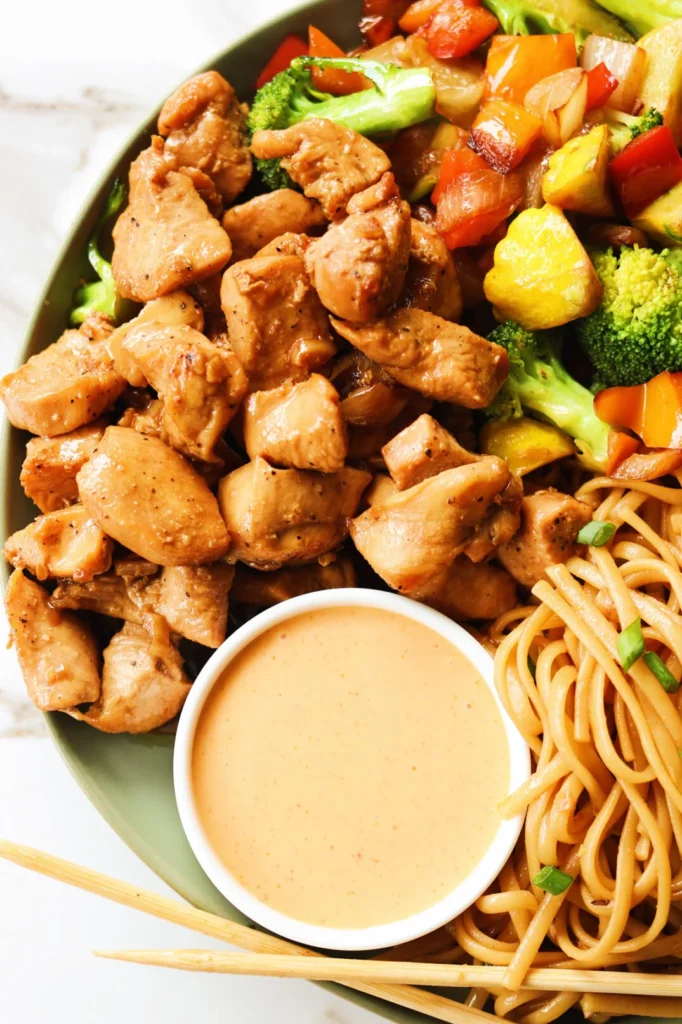
1. Classic Hibachi Chicken with Yum Yum Sauce
You can make restaurant-style hibachi chicken at home in just 30 minutes. Cut chicken breast into bite-sized pieces and cook them in a hot pan with butter.
Season your chicken with soy sauce, garlic, and ginger for authentic flavor. Cook until the pieces are golden brown and cooked through.
The famous yum yum sauce makes this dish special. Make it ahead of time so the flavors blend together well.
Serve your hibachi chicken with fried rice and vegetables for a complete meal.
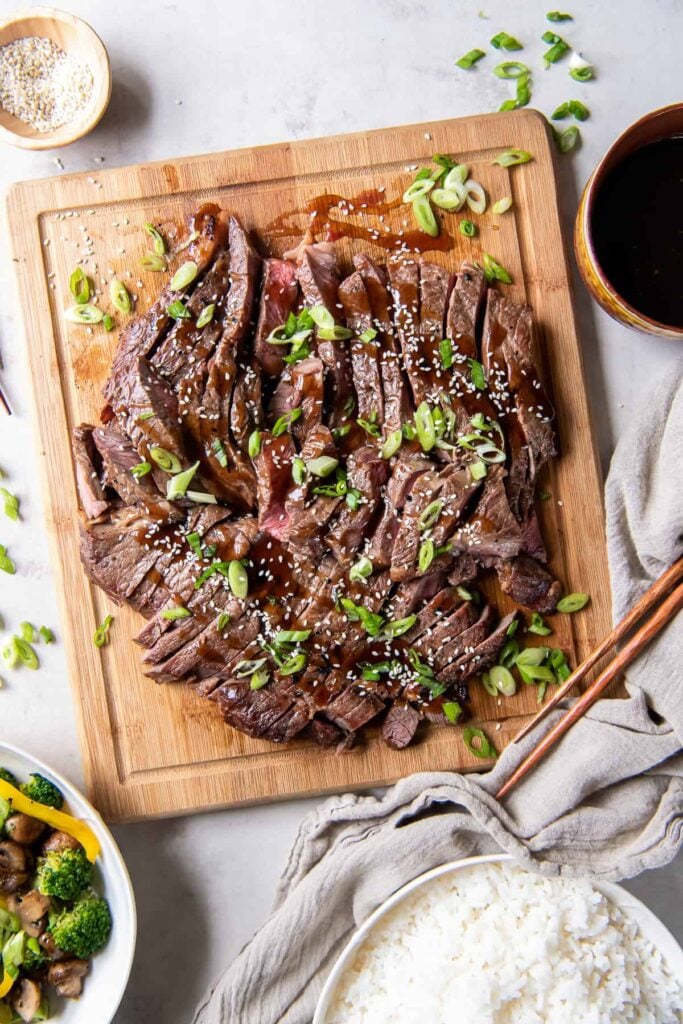
2. Teriyaki Glazed Hibachi Steak
You can make restaurant-quality teriyaki hibachi steak at home in just 15 minutes. Cut your steak into bite-sized pieces for faster cooking.
Cook the steak on high heat with garlic butter and soy sauce. The teriyaki glaze adds sweet and savory flavors.
Unlike thick teriyaki sauce, hibachi marinades are thinner and lighter. This makes them perfect for grilling and gives you cleaner flavors.
Your steak will be juicy and tender when cooked this way.
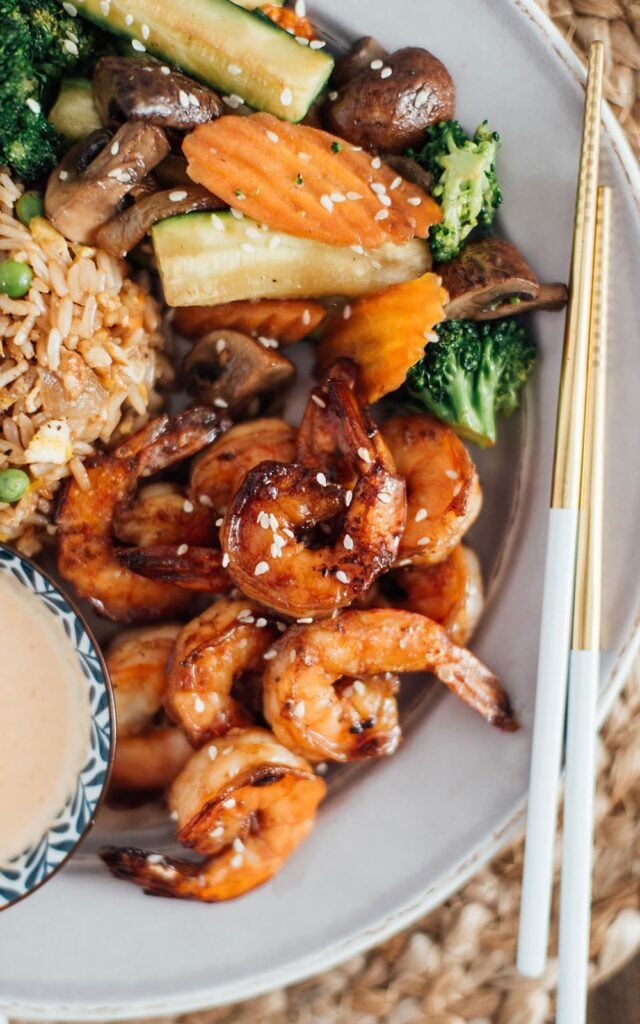
3. Garlic Butter Hibachi Shrimp
You can make restaurant-quality hibachi shrimp at home in under 15 minutes. The secret is using roasted garlic mixed with butter instead of plain minced garlic.
Heat your pan over medium-high heat with safflower oil. Season large shrimp with salt and pepper, then cook for 3 minutes per side.
Toss the cooked shrimp with garlic butter and a splash of soy sauce. Add lemon juice to taste for brightness.
The high heat creates a perfect sear while keeping the shrimp tender inside.

4. Spicy Hibachi Salmon
This fiery salmon dish brings restaurant-style cooking to your kitchen. You’ll love the bold flavors that make each bite exciting.
The recipe uses soy sauce, mirin, ginger, and garlic as the base. Adding chili flakes or sriracha gives it the perfect spicy kick.
Cook your salmon on high heat for that signature hibachi sear. The fish stays tender inside while getting crispy edges outside.
You can make this dish in just 10 minutes. It works great for busy weeknight dinners or special occasions.

5. Vegetable Hibachi Stir-Fry
You can make restaurant-quality hibachi vegetables at home in just 20 minutes. This colorful dish uses zucchini, mushrooms, onions, and other fresh vegetables.
Heat vegetable oil and sesame oil in a large skillet over medium-high heat. Add minced garlic and onions first, cooking for 1-2 minutes until fragrant.
Add your choice of vegetables and stir-fry until tender-crisp. Cook them quickly to keep their bright colors and crunch.
Season with soy sauce, butter, and garlic for that classic hibachi flavor.
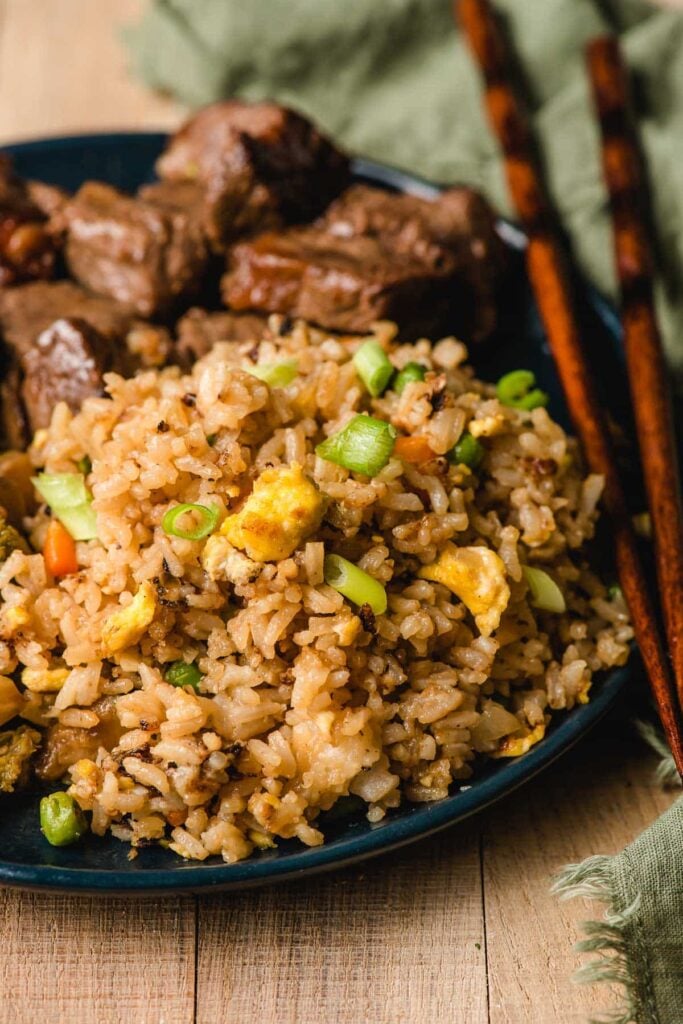
6. Hibachi Fried Rice with Egg and Scallions
This classic hibachi side dish combines day-old rice with scrambled eggs and fresh scallions. You cook everything on high heat with butter for that signature restaurant flavor.
Start with cold, cooked rice from the day before. This prevents sticking and gives you the right texture.
Scramble eggs separately, then add them back to the rice. Green onions go in at the end to keep their bright color and mild bite.
Soy sauce and garlic enhance the savory taste. Cook everything quickly in a hot pan or wok for best results.
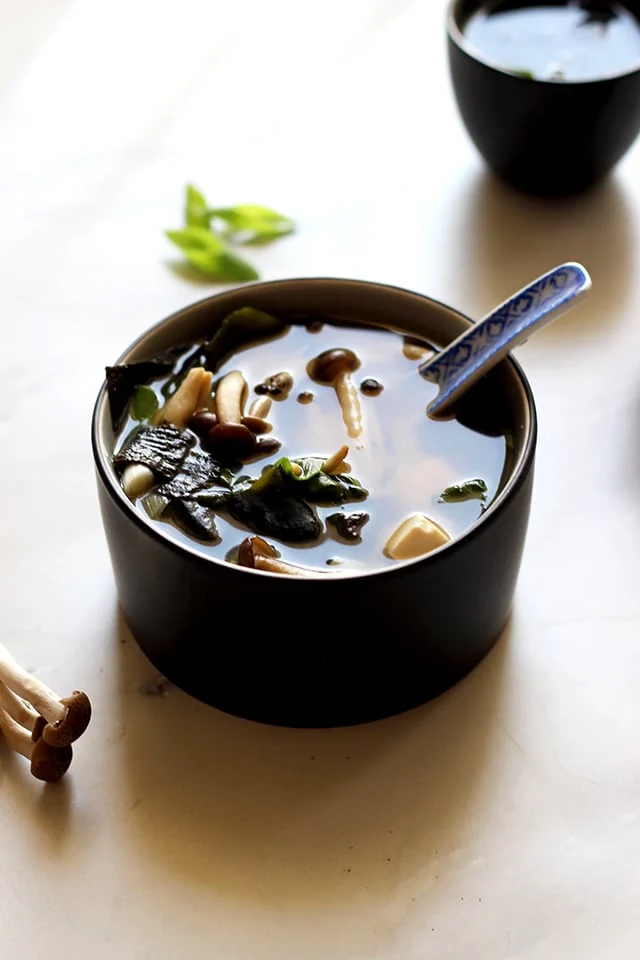
7. Miso Soup for Hibachi Meal Starter
Miso soup makes a perfect starter for your hibachi meal. This traditional Japanese soup uses miso paste made from fermented soybeans.
You’ll need dashi stock, miso paste, and tofu cubes. Green onions add fresh flavor and color to the bowl.
The soup is light and won’t fill you up before the main course. It helps prepare your taste buds for the hibachi dishes that follow.
Miso soup takes only five minutes to make. Simply heat the dashi, whisk in miso paste, and add your toppings.
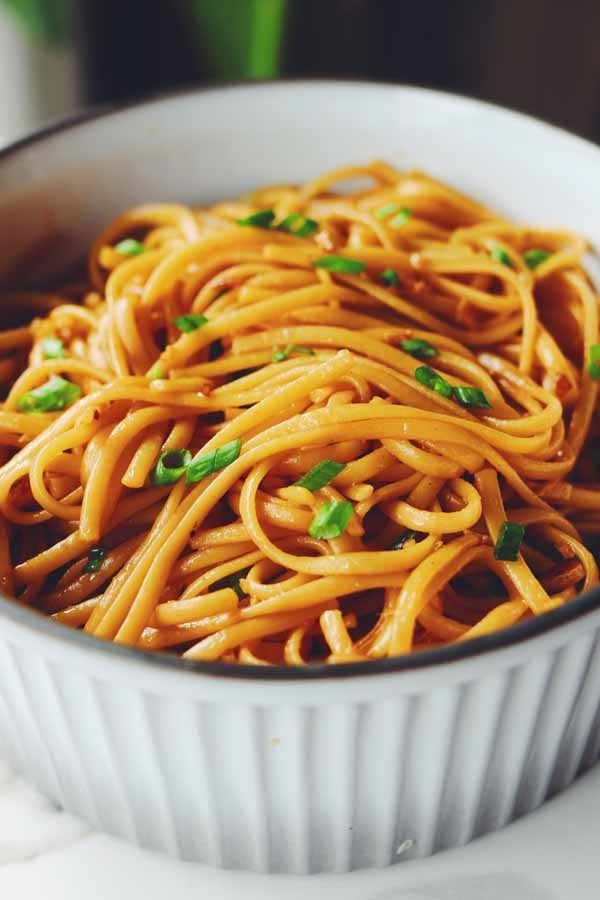
8. Hibachi Noodles with Sesame Seeds
You can make delicious hibachi noodles at home with just a few simple ingredients. These noodles feature a savory garlic-butter sauce mixed with soy sauce and teriyaki flavors.
The sesame seeds add a light crunch and give the dish that classic hibachi restaurant look. A drizzle of sesame oil brings a toasted, nutty aroma.
You can serve these noodles with hibachi-style chicken, steak, or shrimp for a complete meal.

9. Blackstone Griddle Hibachi Chicken Thighs
Chicken thighs work perfectly for hibachi-style cooking on your Blackstone griddle. The higher fat content keeps the meat juicy while developing a crispy exterior.
Season your thighs with soy sauce, garlic butter, and your favorite hibachi seasonings. Let them marinate for 30 minutes before cooking.
Heat your griddle to medium-high heat. Cook the thighs skin-side down first for 6-8 minutes until golden brown.
Flip and cook another 5-7 minutes until cooked through. The flat surface gives you even heat distribution for perfectly cooked chicken every time.
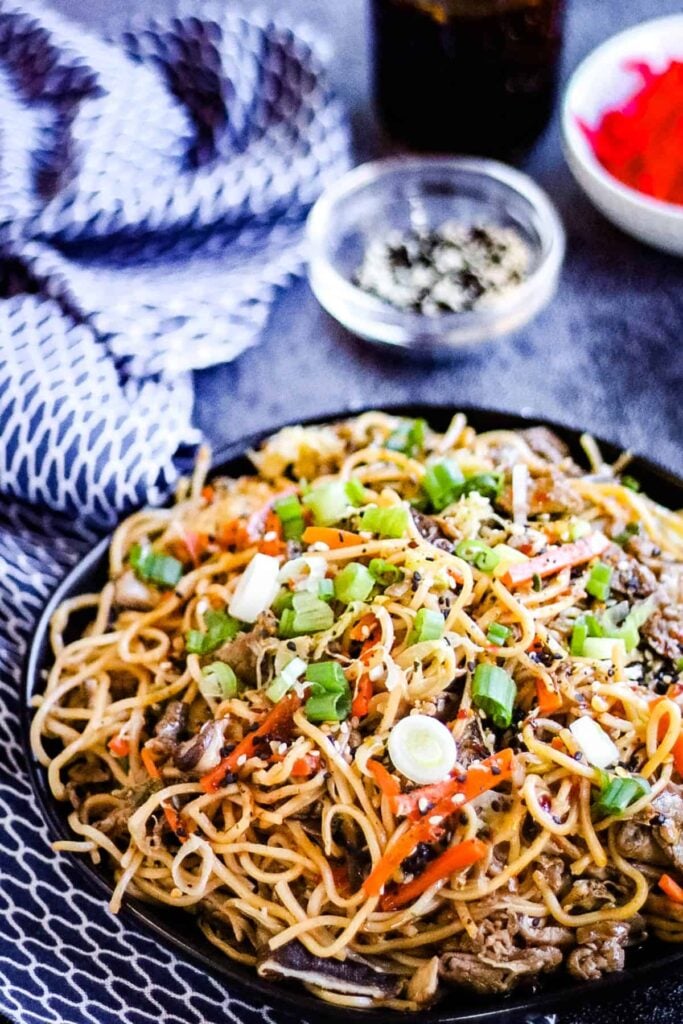
10. Hibachi Beef Yakisoba
Yakisoba is a Japanese take on Chinese chow mein. You use egg noodles that get stir-fried with tender beef and vegetables.
The key is cooking everything on high heat. This gives the noodles that signature hibachi flavor you taste at restaurants.
You toss the noodles in a soy-based sauce with garlic. Add sliced beef, onions, and cabbage for the classic combination.
Cook the beef first until browned. Then add your pre-cooked noodles and vegetables to the same pan.
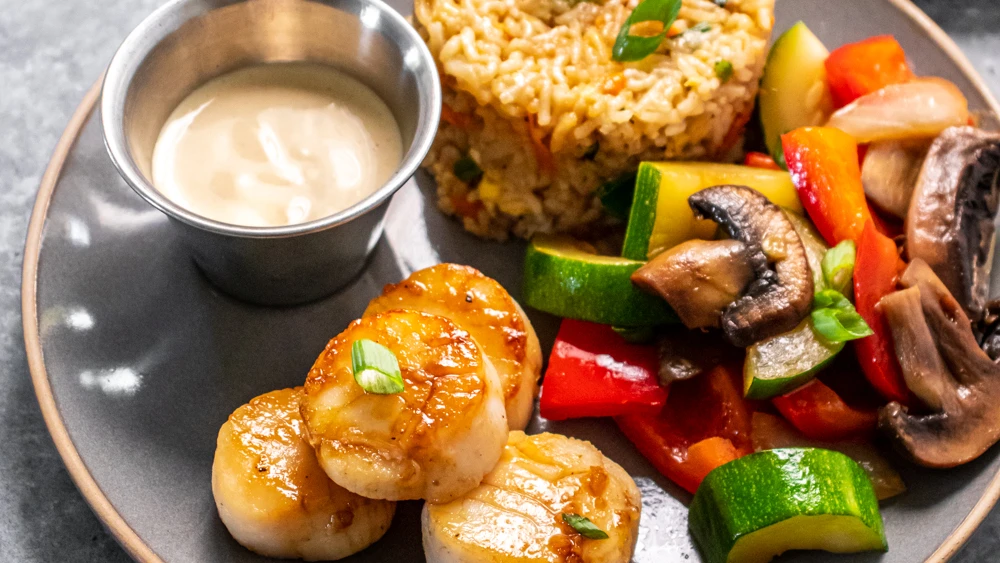
11. Hibachi Scallops with Ginger Soy Sauce
You can make restaurant-quality scallops at home with this simple recipe. The key is using fresh sea scallops and not overcooking them.
Make the sauce by whisking together soy sauce, minced fresh ginger, garlic, and lemon juice. This mixture adds flavor without covering up the scallop’s natural taste.
Heat oil in your pan over medium heat. Sear the scallops for 2-3 minutes on each side until golden.
Add the ginger soy sauce during the last minute of cooking.
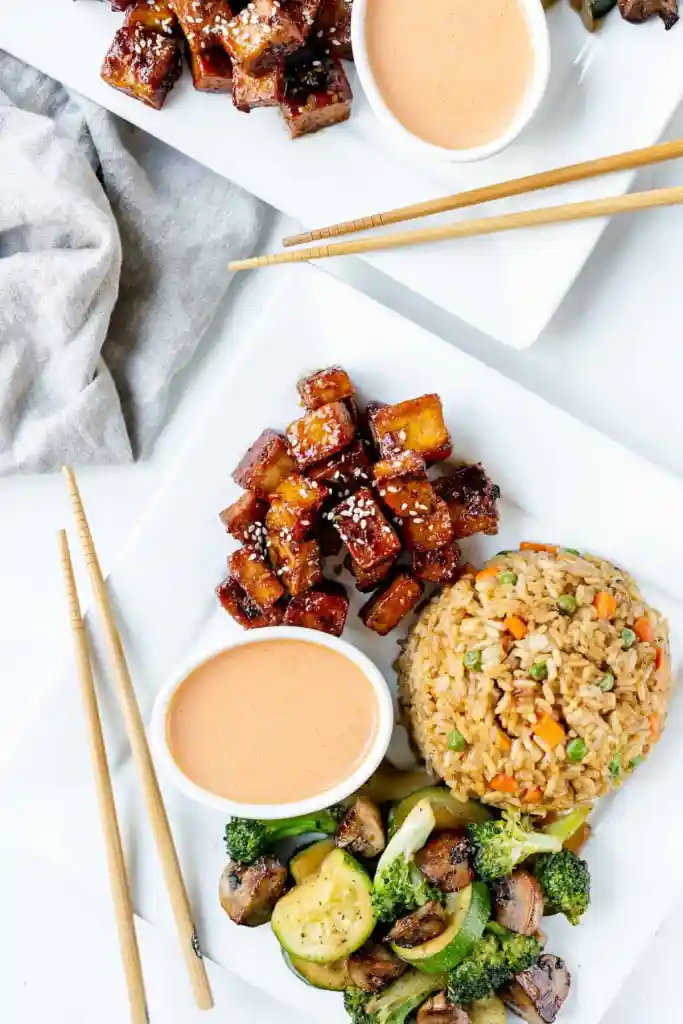
12. Hibachi Tofu with Mixed Vegetables
You can make this protein-packed vegan dish at home in just 20 minutes. Press your tofu to remove water, then cut it into cubes.
Heat your griddle or large skillet over high heat. Cook the tofu until golden on all sides.
Add mixed vegetables like zucchini, onions, and mushrooms to the pan. Toss everything with garlic butter and soy sauce.
The vegetables should stay crisp-tender while the tofu gets a nice sear. Serve with hibachi fried rice.
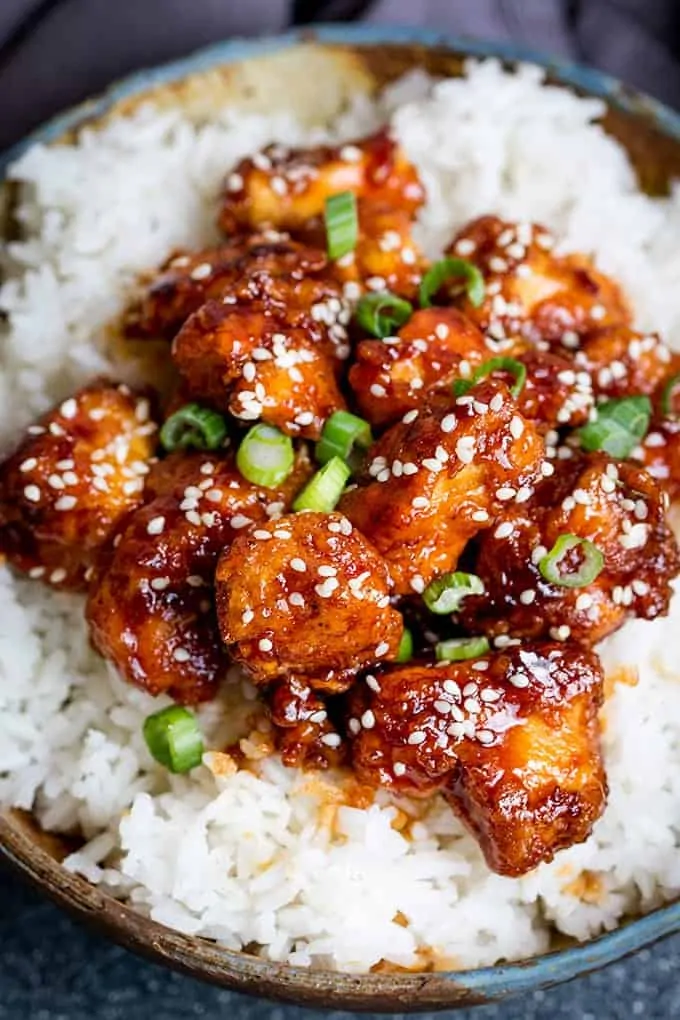
13. Hibachi-style Sesame Chicken
You can make this sweet and savory chicken dish at home with simple ingredients. Cut boneless chicken into bite-sized pieces for quick cooking.
Cook the chicken on high heat in a hot skillet with oil. This creates the crispy edges you want.
Mix soy sauce, brown sugar, and sesame oil for the glaze. Add garlic and ginger for extra flavor.
Toss the cooked chicken with the sauce and sprinkle sesame seeds on top. Serve immediately while hot.

14. Hibachi Lobster Tail with Garlic Butter
This dish brings restaurant-quality seafood to your home kitchen. You’ll need fresh lobster tails and simple ingredients like butter, garlic, and soy sauce.
Start by splitting the lobster tails lengthwise. Mix melted butter with minced garlic and a splash of soy sauce.
Cook the lobster on your hibachi grill for 6-8 minutes. Brush with garlic butter sauce while grilling to keep the meat moist and flavorful.
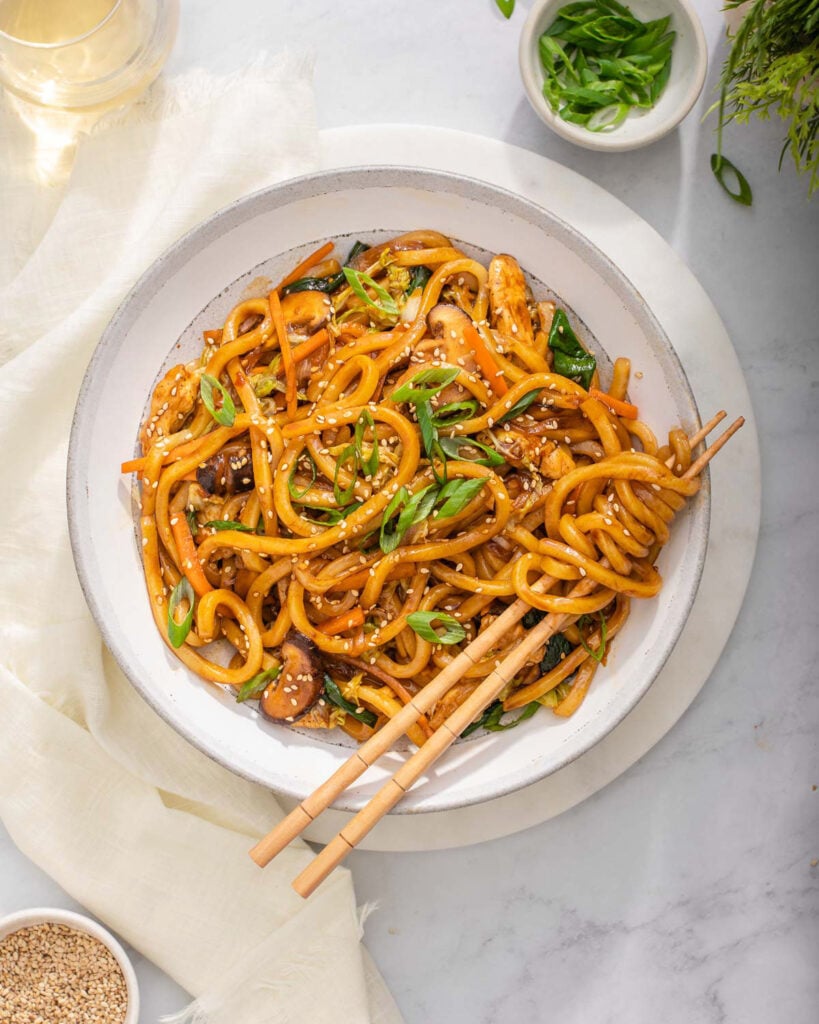
15. Hibachi Fried Udon Noodles
Udon noodles work perfectly for hibachi cooking because of their thick, chewy texture. They hold up well on the hot griddle and soak up all the flavors.
You’ll need sesame oil, soy sauce, and butter as your base ingredients. Add garlic and onions for extra taste.
Cook the udon noodles first, then drain them well. Heat your pan or griddle until it’s very hot.
Toss the noodles with the oils and sauces quickly. The high heat creates that signature hibachi flavor.

16. Shrimp and Vegetable Hibachi Skillet
This one-pan meal brings restaurant flavors to your kitchen. You can make it in about 30 minutes with simple ingredients.
Start by heating oil in a large skillet or cast iron pan. Add garlic and cook for one minute.
Toss in your shrimp and vegetables like broccoli, carrots, and bell peppers. Cook everything together for 5-7 minutes until the shrimp turns pink.
Season with soy sauce, butter, and garlic powder. The vegetables stay crisp while the shrimp becomes tender and flavorful.
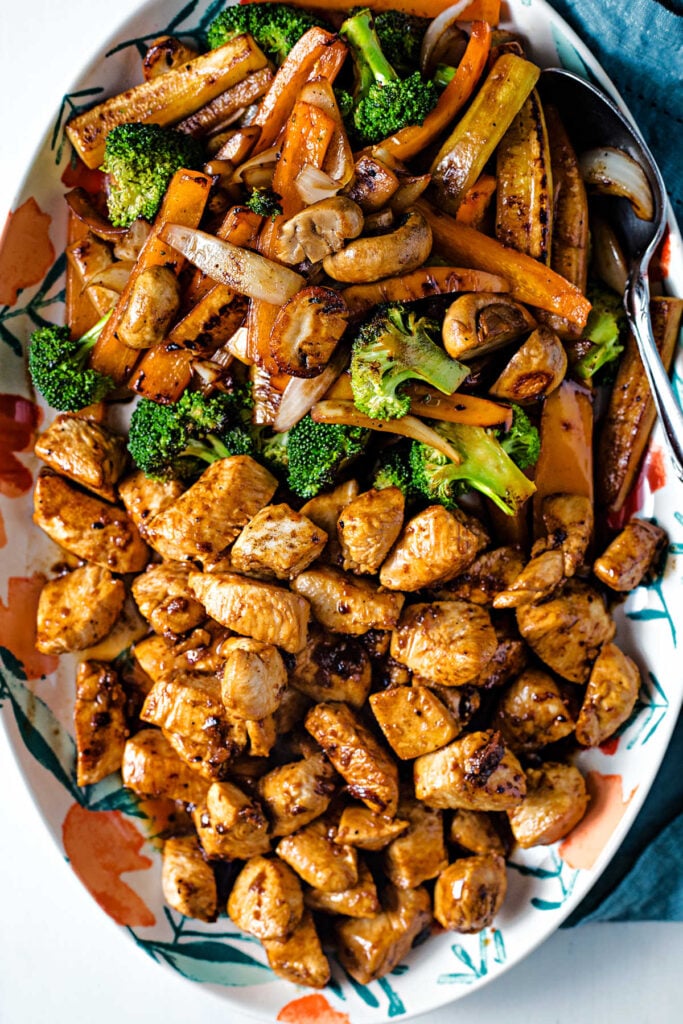
17. Hibachi Chicken and Broccoli Stir Fry
This dish brings restaurant-quality flavors to your kitchen. You’ll combine tender chicken with fresh broccoli in a savory sauce.
The recipe works perfectly for busy weeknights. You can marinate the chicken while cutting vegetables and mixing the stir-fry sauce.
You’ll need simple ingredients like garlic, soy sauce, salt, and pepper. The cooking process takes about 15 minutes once everything is prepped.
This stir-fry pairs well with rice or noodles.
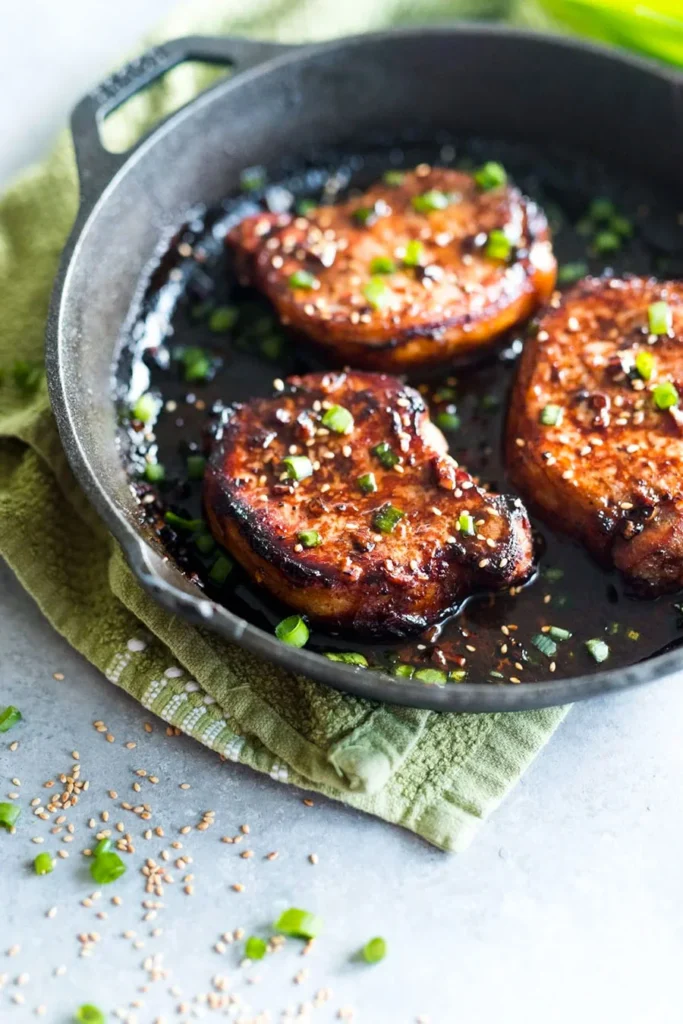
18. Soy Glazed Hibachi Pork Chops
You can create restaurant-quality pork chops at home with this simple hibachi-style recipe. The soy glaze adds rich umami flavor.
Start with bone-in pork chops for the best results. Season them with salt and pepper before cooking.
Mix soy sauce, brown sugar, and ginger to make your glaze. Cook the mixture until it becomes thick and sticky.
Grill your pork chops over medium-high heat for 4-5 minutes per side. Brush the soy glaze on both sides during the last few minutes of cooking.
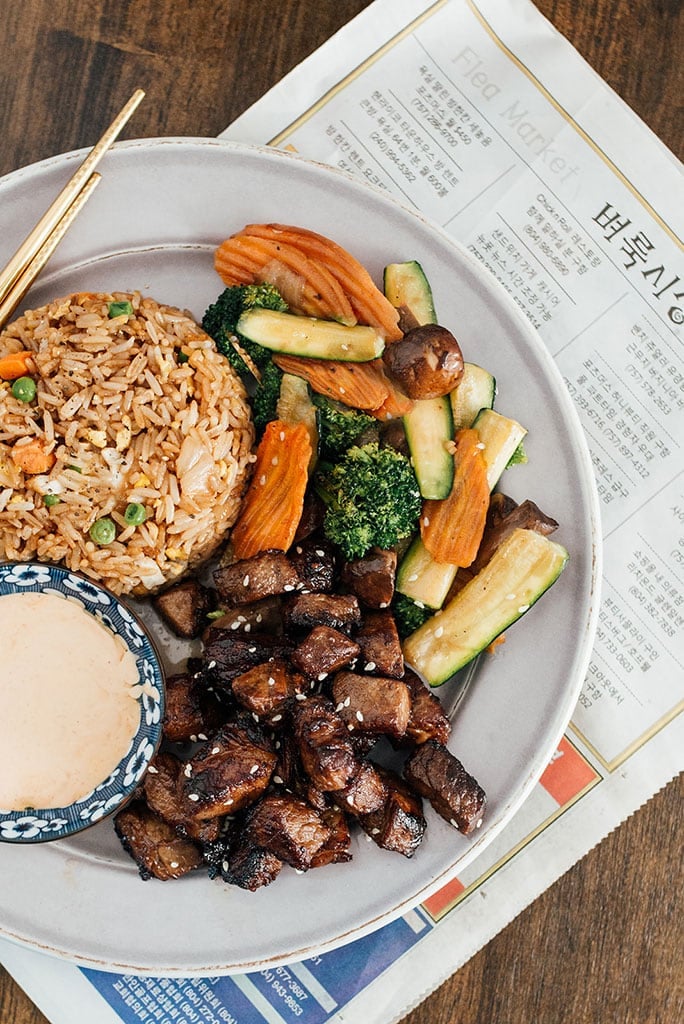
19. Hibachi Ribeye Steak with Garlic Butter
Ribeye steak works perfectly for hibachi cooking because of its natural marbling. The fat keeps the meat juicy and adds rich flavor.
Cut your ribeye into small cubes for faster cooking. This helps create the classic hibachi-style steak bites.
Season the steak with soy sauce, garlic powder, and onion powder. Add salt and pepper for basic seasoning.
Cook the steak over high heat in butter. The garlic butter adds the signature hibachi flavor.

20. Hibachi Vegetable Fried Rice
This meatless version brings all the hibachi flavors you love. You can make it with day-old rice and your favorite vegetables.
Use carrots, peas, corn, and green onions for the best results. Long-grain rice like jasmine works better than short-grain varieties.
Cook your vegetables in vegetable oil first. Add the rice and scrambled eggs next.
Season everything with soy sauce and finish with a drizzle of sesame oil for authentic taste.
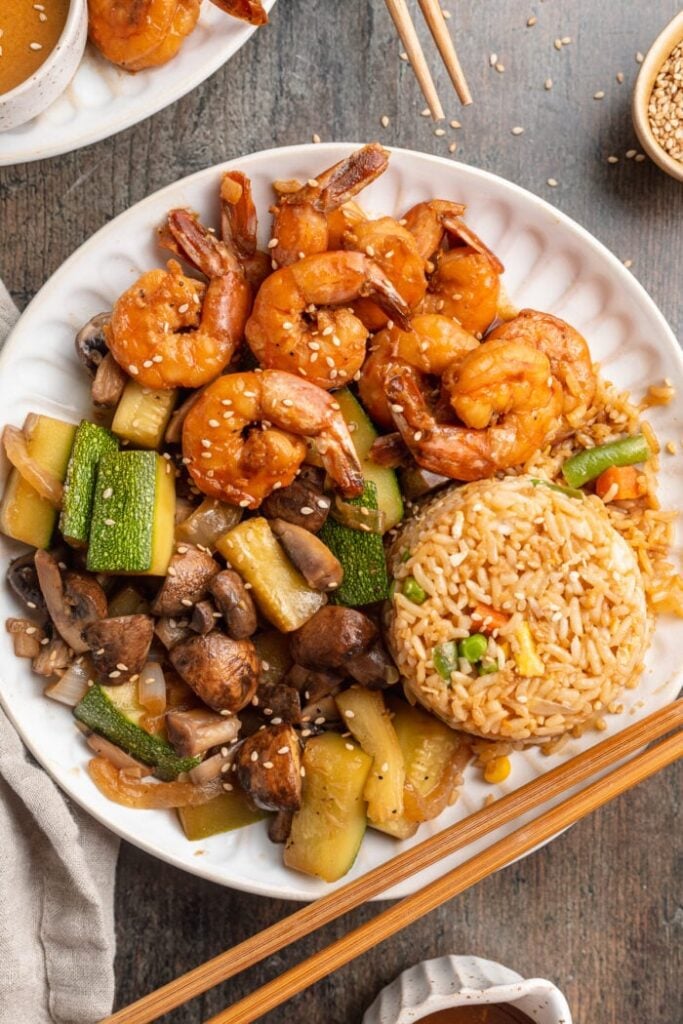
21. Hibachi Shrimp Fried Rice with Pineapple
Add tropical flavor to classic hibachi shrimp fried rice by mixing in fresh pineapple chunks. The sweet fruit balances the savory soy sauce and garlic butter.
Cook your shrimp and rice first using traditional hibachi methods. Add diced pineapple during the last few minutes of cooking.
The pineapple caramelizes slightly on the hot surface. This creates a sweet and smoky taste that pairs well with the seasoned shrimp.
Serve with yum yum sauce for dipping.
Essential Ingredients and Cooking Equipment
Making great hibachi at home starts with the right sauces and basic cooking tools. You don’t need fancy restaurant equipment to get those bold flavors and perfect sear.
Popular Sauces and Marinades
Yum Yum sauce is the most popular hibachi sauce. Mix mayonnaise, tomato paste, rice vinegar, garlic powder, and paprika for this creamy pink sauce.
Teriyaki sauce gives meat a sweet glaze. Use soy sauce, mirin, sugar, and ginger.
You can buy teriyaki sauce or make it fresh. Ginger sauce adds sharp flavor to vegetables and rice.
Blend fresh ginger, soy sauce, rice vinegar, and a touch of oil for ginger sauce. For marinades, keep it simple.
Soy sauce, garlic, and sesame oil work great for chicken and beef. Let meat sit for 30 minutes before cooking.
Sesame oil and butter are key for cooking. Use sesame oil for flavor and butter for that rich restaurant taste.
Must-Have Tools for Hibachi Cooking
You need a flat cooking surface that gets very hot. A cast iron griddle, large skillet, or electric griddle works well.
Avoid non-stick pans since they can’t handle high heat. Metal spatulas are essential.
Get two flat, wide spatulas for flipping and moving food around quickly. A spray bottle filled with water helps control flare-ups and adds steam when cooking vegetables.
Sharp knives cut meat and vegetables into small, even pieces that cook fast. Most hibachi foods are bite-sized.
Small bowls hold your sauces and seasonings so everything stays organized while you cook.
Tips for Perfect Hibachi at Home
Getting restaurant-quality hibachi flavor at home requires high heat cooking and proper safety measures. These two key areas will help you create that signature sizzle and taste while keeping your cooking experience safe.
Achieving the Signature Hibachi Flavor
High heat is the secret to authentic hibachi taste. Use a cast iron skillet, griddle, or flat-top grill that can reach temperatures of 400-500°F.
Preheat your cooking surface for at least 5-10 minutes before adding food. The surface should be hot enough that water droplets sizzle and evaporate instantly.
Essential flavor builders:
- Butter for rich taste and browning
- Garlic for aromatic base
- Soy sauce for umami depth
- Salt and pepper for seasoning
Cook proteins first on the hottest part of your surface. Let chicken, beef, or shrimp sear without moving them for 2-3 minutes to develop a golden crust.
Add vegetables in order of cooking time needed. Onions and carrots go in first, followed by zucchini and mushrooms.
Safe Grilling Practices
Keep raw meats separate from vegetables and cooked foods. Use different cutting boards and utensils for each type of ingredient.
Check internal temperatures with a meat thermometer. Chicken needs 165°F, beef steaks need 145°F for medium-rare, and shrimp should reach 145°F.
Safety checklist:
- Wash hands before and after handling raw meat
- Keep cold ingredients refrigerated until cooking
- Don’t leave cooked food out for more than 2 hours
- Clean all surfaces with hot soapy water
Use long-handled spatulas and tongs to avoid burns from the hot cooking surface. Wear closed-toe shoes and avoid loose clothing near the heat source.
Have a fire extinguisher nearby when cooking at high temperatures. Turn off heat sources immediately after cooking and allow surfaces to cool completely before cleaning.
Frequently Asked Questions
Making hibachi at home involves specific ingredients, cooking techniques, and safety steps. These questions cover the main ingredients you need, how to get restaurant-style flavors, and ways to adapt recipes for different diets and group sizes.
What are the essential ingredients for a traditional hibachi-style meal?
You need soy sauce, garlic, ginger, and sesame oil for authentic hibachi flavors. Butter is key for the signature garlic butter taste that coats vegetables and proteins.
Short-grain rice works best for hibachi fried rice. You’ll also want fresh vegetables like zucchini, onions, and mushrooms.
For proteins, chicken, steak, and shrimp are the most popular choices. Keep mirin and sake on hand for marinades and cooking liquid.
How do you achieve authentic hibachi flavor when cooking at home?
Cook on high heat to get the signature sear and smoky taste. A flat griddle or large skillet works better than a regular pan.
Use plenty of butter and garlic during cooking. This creates the rich, savory flavor that hibachi restaurants are known for.
Season with soy sauce while cooking, not just at the end. Add it gradually so it sizzles and reduces on the hot surface.
What are some popular vegetable and meat combinations for hibachi dishes?
Chicken pairs well with zucchini, onions, and mushrooms. The mild flavors complement each other without overpowering the dish.
Steak works great with broccoli, carrots, and bean sprouts. These vegetables hold up to the bold beef flavor.
Shrimp goes perfectly with snap peas, bell peppers, and cabbage. The light seafood taste balances the crisp vegetables.
Can you give tips for using a hibachi grill safely indoors?
Never use a traditional charcoal hibachi grill indoors. The carbon monoxide risk is deadly in closed spaces.
Use an electric griddle or large skillet instead for indoor cooking. These give similar results without the safety risks.
Keep good ventilation when cooking at high heat. Open windows or use your range hood to clear smoke and cooking fumes.
How can someone adapt hibachi recipes for dietary restrictions such as gluten-free or vegetarian?
Replace soy sauce with tamari or coconut aminos for gluten-free cooking. These alternatives taste very similar to regular soy sauce.
Use tofu, tempeh, or extra vegetables instead of meat for vegetarian options. Season them the same way as you would protein.
Coconut oil works well instead of butter for dairy-free cooking. It still gives rich flavor when combined with garlic and ginger.
What are the steps for preparing a hibachi meal for a large group at home?
Prep all ingredients ahead of time since hibachi cooking happens fast. Cut vegetables, season proteins, and make sauces before you start cooking.
Cook in batches to avoid overcrowding your cooking surface. Keep finished portions warm in a low oven while you cook the rest.
Set up a serving station with rice, proteins, and vegetables in separate dishes. This lets people build their own plates easily.