
Sourdough baking offers endless possibilities beyond the basic loaf of bread.
This collection of 21 sourdough recipes will help you explore everything from breakfast treats to dinner favorites using your sourdough starter.
Whether you want to make fluffy pancakes for morning meals or crispy pizza crust for dinner, sourdough can transform ordinary recipes into something special.
You can use these recipes to make sweet treats like cinnamon rolls and banana bread or savory options like bagels and focaccia.
Each recipe takes advantage of sourdough’s unique tangy flavor and natural fermentation process.
From quick breakfast items to more complex baked goods, these recipes will help you get the most out of your sourdough starter.

1. Classic Sourdough Bread
Classic sourdough bread is the foundation of all sourdough baking.
You get a crispy, golden crust on the outside and soft, chewy texture inside.
The tangy flavor comes from natural fermentation in your sourdough starter.
You need active sourdough starter, flour, water, and salt.
The long fermentation process develops deep flavors and makes the bread easier to digest.
This bread works perfectly for sandwiches, toast, or eating fresh with butter.

2. Sourdough Dinner Rolls
Sourdough dinner rolls bring tangy flavor to your bread basket.
These soft, fluffy rolls work great for family meals and special dinners.
You can make them light and airy using active sourdough starter.
The dough requires basic ingredients like flour, water, salt, and your starter.
Most recipes let you mix, proof, and bake in one day.
The rolls turn out buttery and tender inside with a golden crust.
They pair well with soups, stews, and holiday meals.

3. Sourdough Pancakes
Sourdough pancakes are fluffy and light with a tangy flavor.
You can make them using active starter or sourdough discard.
These pancakes come together quickly in one bowl.
The batter works whether you make it the night before or the same day.
You’ll get tender pancakes with a slight crispiness on the outside.
They pair well with maple syrup and any toppings you have on hand.
This recipe adds variety to your breakfast routine while using up extra starter.

4. Sourdough Pizza Crust
Sourdough pizza crust gives you a crispy outside and chewy inside.
You need an active, bubbly starter for the best results.
This dough uses wild yeast instead of commercial yeast.
The natural fermentation creates a tangy flavor that makes your pizza special.
You can make the dough ahead of time.
The long fermentation makes it easier to digest and adds more flavor.
Bake your pizza in the hottest oven possible.
High heat creates the perfect char and crispy texture you want.

5. Sourdough Cinnamon Rolls
You can make soft, fluffy cinnamon rolls using your sourdough starter.
These rolls have a tangy flavor that pairs well with sweet cinnamon filling.
The dough uses bread flour for better structure.
You’ll need your active starter, milk, sugar, and butter for the base.
Many bakers prefer making these overnight.
This gives the dough time to rise slowly and develop more flavor.
Top your finished rolls with cream cheese frosting or simple powdered sugar glaze.
The contrast between tangy sourdough and sweet toppings creates the perfect balance.

6. Sourdough Pretzels
Sourdough pretzels combine the classic pretzel shape with tangy sourdough flavor.
You can use starter straight from your fridge without feeding it first.
The dough ferments overnight to develop deeper flavors.
This creates soft, chewy pretzels with a golden crust.
You shape the dough into traditional pretzel twists, then dip them in a baking soda bath.
This step gives you that classic pretzel exterior.
Top your pretzels with coarse salt, cinnamon sugar, or cheese before baking.

7. Sourdough Crackers
You can turn your sourdough discard into crispy crackers with just a few simple ingredients.
Most recipes need only flour, salt, and butter plus your leftover starter.
These crackers are thin and crunchy.
You can add seeds, herbs, or cheese for extra flavor.
The dough rolls out easily and bakes in about 10 minutes.
You can store the dough in the fridge if you’re not ready to bake right away.

8. Sourdough Banana Bread
You can make soft, moist banana bread using sourdough starter or discard.
The tangy flavor from the starter balances the sweet bananas perfectly.
Mix overripe bananas with your sourdough discard, butter, flour, and brown sugar.
This creates a fluffy texture that’s better than regular banana bread.
The recipe takes about 10 minutes to prepare.
You get rich banana flavor with a subtle sourdough tang that makes this bread special.

9. Sourdough Waffles
Sourdough waffles are crispy outside and fluffy inside.
They have a mild tangy flavor from the sourdough starter.
You can use sourdough discard to make these waffles.
This means you don’t waste any starter.
The batter can be made the night before or the same day.
Overnight batter often tastes better.
These waffles work great with maple syrup.
You can also use them for savory dishes like fried chicken and waffles.

10. Sourdough English Muffins
Sourdough English muffins are better than store-bought versions.
You can make them overnight for easy morning prep.
These muffins have the perfect nooks and crannies.
They taste tangy and chewy inside with golden brown tops.
You need active sourdough starter for this recipe.
Cook them on low heat in a pan with a lid.
This helps the inside cook evenly without burning the outside.
The muffins work great for breakfast with butter and jam.
You can also use them for sandwiches at lunch.
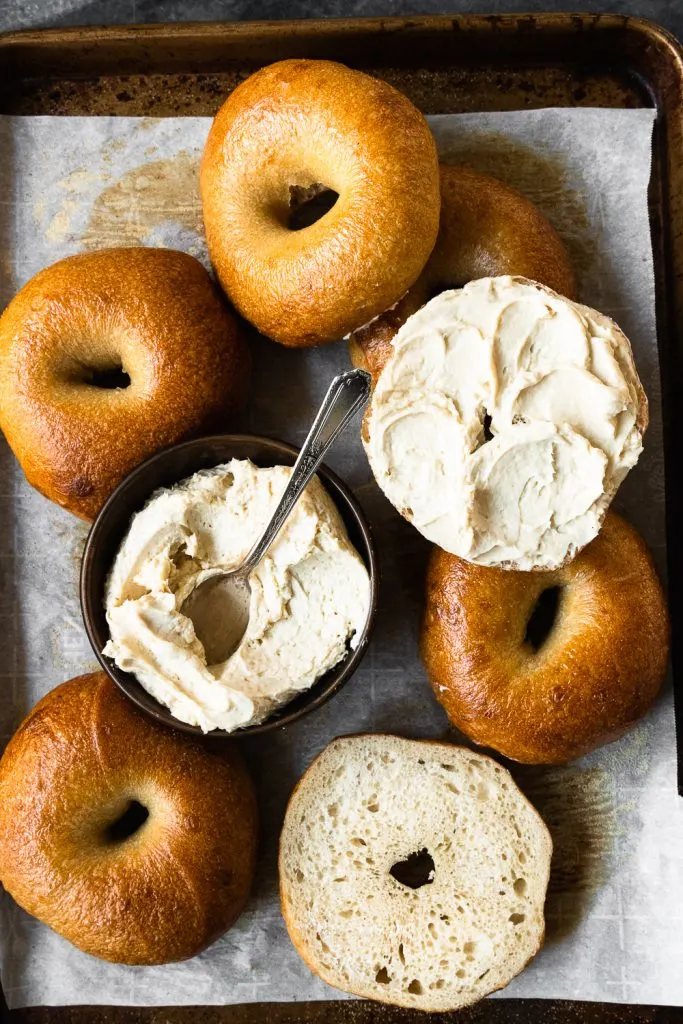
11. Sourdough Bagels
You can make chewy, New York-style bagels using your active sourdough starter.
These bagels need no commercial yeast and develop great flavor through natural fermentation.
Use bread flour instead of all-purpose flour for better texture.
The higher protein content creates chewier bagels that rise properly.
Let your dough bulk ferment for 12 hours.
This long rise builds the tangy sourdough flavor you want.
Boil the shaped bagels before baking for that classic glossy, golden crust.
Top with everything seasoning or keep them plain.

12. Sourdough Focaccia
Sourdough focaccia is a simple bread that uses your starter instead of regular yeast.
You mix flour, water, active starter, olive oil, and salt to make a wet dough.
The dough needs no kneading.
You just fold it a few times during the rise.
Most recipes call for an overnight bulk rise in the fridge.
After rising, you spread the dough in an oiled pan.
Let it rise again for about two hours before baking.

13. Sourdough Brioche
Sourdough brioche combines tangy sourdough flavor with rich, buttery texture.
You get the best of both worlds in this enriched bread.
This bread uses butter, eggs, and milk to create an incredibly soft crumb.
Your sourdough starter adds natural tang that balances the richness perfectly.
The tangzhong method helps keep your brioche extra fluffy.
This technique involves heating flour and milk together before adding to your dough.
You can use sourdough brioche for French toast, sandwiches, or eat it plain.
It stays fresh for several days when stored properly.

14. Sourdough Ciabatta
Sourdough ciabatta combines the tangy flavor of sourdough with the airy texture of traditional Italian ciabatta bread.
You use your sourdough starter instead of commercial yeast to create this delicious bread.
This recipe works with high hydration dough.
The wet dough creates large holes and a chewy texture that ciabatta is known for.
You can make sourdough ciabatta without complex steps.
The long fermentation breaks down gluten and makes the bread easier to digest.
The bread has a crispy golden crust and open crumb structure.
It works perfectly for sandwiches or dipping in olive oil.

15. Sourdough Challah
Sourdough challah combines traditional Jewish bread with tangy sourdough flavor.
You get the best of both worlds in this enriched dough recipe.
The bread has a soft, fluffy texture with a subtle sour taste.
It takes patience since you need active starter and overnight rising time.
You can braid this dough into beautiful loaves.
The golden crust is thin while the inside stays light and airy.
This challah works great for French toast, sandwiches, or eating plain.
The sourdough adds extra flavor depth to the classic recipe.

16. Sourdough Flatbread
You can make delicious flatbread using your sourdough starter or discard.
This versatile bread works for many meals.
The recipe uses simple ingredients.
You mix sourdough starter with flour, water, and salt.
Cook the flatbread in a hot skillet.
No oven is needed for this recipe.
You can use sourdough flatbread for wraps, pizza bases, or sandwiches.
It also works well for dipping into soups or hummus.
The bread comes out soft and chewy.
It has a mild sourdough flavor that pairs well with any toppings.

17. Sourdough Naan
Sourdough naan combines Indian flatbread with tangy sourdough starter.
You can use active starter or discard for this recipe.
The bread comes out soft and chewy.
Yogurt adds extra tang and helps create the tender texture.
You don’t need an oven to make this naan.
Cook it in a pan on your stovetop instead.
This flatbread works great for wrapping meats or dipping in curry.
You can also top it with garlic butter for extra flavor.

18. Sourdough Animal Crackers
You can turn your sourdough discard into fun animal crackers that kids love.
These crackers taste lightly sweet and have a perfect crisp texture.
The basic recipe uses butter, brown sugar, honey, and sourdough discard mixed with flour.
You roll out the dough and cut it with animal-shaped cookie cutters.
These crackers work great as snacks or treats.
You can make them with regular flour or try whole wheat for extra nutrition.

19. Sourdough Churros
You can turn your sourdough discard into crispy, golden churros in just 30 minutes.
These treats have a crunchy outside and soft inside.
The sourdough adds a subtle tang that makes these churros different from regular ones.
You make them using choux pastry mixed with your leftover starter.
Roll the finished churros in cinnamon sugar while they’re still warm.
They taste great with chocolate dipping sauce or Mexican hot chocolate.

20. Sourdough Muffins
Sourdough muffins give you a great way to use your starter or discard.
The tangy flavor makes them taste different from regular muffins.
You can make sweet or savory versions.
Popular options include blueberry, chocolate chip, and banana muffins.
The sourdough starter adds moisture to your muffins.
It also helps break down some proteins that can be hard to digest.
These muffins work well for breakfast or snacks.
You can batch make them and freeze extras for later.

21. Sourdough Biscuits
Sourdough biscuits turn your leftover starter into fluffy, tangy treats.
You can use either active starter or discard for this recipe.
The key ingredients are simple: flour, butter, sourdough starter, and buttermilk.
Some recipes follow an easy 1-2-3-4 ratio by weight.
Keep your butter cold before mixing.
This creates the flaky layers you want in good biscuits.
Mix gently to avoid tough biscuits.
The buttermilk reacts with baking soda to make them rise and become extra fluffy.
These biscuits freeze well for meal prep.
Serve them warm with butter or jam.
What Makes Sdough Unique
Sdough stands apart from regular bread dough through its specific wild yeast fermentation process and simple ingredient list.
The traditional methods used to prepare this dough create its distinctive tangy flavor and chewy texture.
Key Ingredients in Sdough
Your sdough starter forms the heart of every recipe. This living culture contains wild yeast and bacteria that create natural fermentation.
The starter needs only flour and water to stay alive. Feed it regularly to keep the microorganisms active and healthy.
Most sdough recipes use just three main ingredients:
- Active sdough starter
- Flour (usually bread flour or all-purpose)
- Salt
Some bakers add a small amount of water to adjust hydration levels. This simple ingredient list lets the natural fermentation flavors shine through.
The wild yeast in your starter works slower than commercial yeast. This creates the signature sour taste and dense crumb texture you expect from sdough bread.
Traditional Preparation Methods
Traditional sdough preparation takes much longer than regular bread making. Your dough needs 12 to 24 hours for proper fermentation.
Start the process by mixing your active starter into flour and salt. Let the dough sit at room temperature for several hours.
Use folding techniques instead of traditional kneading. Stretch and fold the dough every 30 minutes during the first few hours.
This builds gluten strength without overworking the dough. The long fermentation breaks down proteins and starches.
This makes the bread easier to digest and creates complex flavors. Your final dough should feel slightly sticky and show bubbles throughout.
The slow rise gives sdough its characteristic open crumb structure and tangy taste.
Tips for Success When Making Sourdough
Getting the right texture and keeping your sourdough fresh requires specific techniques. These two areas make the biggest difference between good and great sourdough bread.
Consistency and Texture
Use a kitchen scale to measure all ingredients by weight, not volume. This gives you exact amounts every time.
Bread flour works better than all-purpose flour because it has more protein. The protein helps develop gluten, which creates the chewy texture you want.
Gluten also helps the dough rise properly and hold its shape. Keep your dough at the right temperature during rising.
Room temperature around 70-75°F works best. Cold slows down rising, while heat over 80°F can kill the natural yeast.
Knead the dough until it becomes smooth and elastic. This usually takes 8-10 minutes by hand or 5-6 minutes with a stand mixer.
The dough should stretch without tearing when ready. Let the dough rise until it doubles in size.
This can take 4-8 hours depending on your starter strength and room temperature. Don’t rush this step.
Storage and Freshness
Store finished sourdough bread at room temperature in a paper bag or bread box. Never use plastic bags as they make the crust soft and can cause mold.
Wrap leftover bread in a clean kitchen towel to keep the crust crisp. The bread stays fresh for 3-4 days this way.
Slice only what you need. Keep the rest of the loaf whole to prevent it from drying out too quickly.
Freeze extra bread by slicing it first, then wrapping pieces in foil. Frozen sourdough keeps for up to 3 months.
Toast slices directly from frozen when ready to eat. Keep your sourdough starter in the fridge between baking sessions.
Feed it once a week with equal parts flour and water by weight.
Frequently Asked Questions
What are the essential ingredients for a classic sourdough bread recipe?
Classic sourdough bread needs only four basic ingredients. You need active sourdough starter, bread flour, water, and salt.
The starter acts as your natural yeast and provides the tangy flavor. Bread flour gives structure and strength to the dough.
Water hydrates the flour and creates the dough consistency. Salt controls fermentation speed and adds flavor.
It also strengthens the gluten structure in your bread.
How long should I ferment my sourdough starter before using it in a recipe?
Your starter should double in size and pass the float test before using. This usually takes 4 to 12 hours after feeding at room temperature.
A mature starter will have a dome shape on top. It should smell pleasantly sour and yeasty, not overly acidic.
The timing depends on your kitchen temperature and starter strength. Warmer temperatures speed up fermentation.
Cooler temperatures slow it down.
Can you provide tips for achieving a crisp crust on sourdough bread?
Steam during the first 15 to 20 minutes of baking creates a crisp crust. Place a pan of boiling water in your oven or spray the walls with water.
Bake at a high temperature, around 450°F to 475°F. This helps develop the crust quickly.
Let your bread cool completely on a wire rack. This prevents the bottom from getting soggy and keeps the crust crisp.
What techniques can be used to ensure a good rise and bubble formation in sourdough?
Proper fermentation time is crucial for good rise and bubbles. Allow your dough to bulk ferment until it increases by 50 to 70 percent.
Handle the dough gently during shaping. Rough handling can knock out the air bubbles you worked to create.
Use the stretch and fold technique during bulk fermentation. This builds gluten strength while preserving air bubbles.
Is it possible to make gluten-free sourdough bread, and what modifications are needed?
You can make gluten-free sourdough using a gluten-free flour blend. Rice flour, tapioca starch, and potato starch work well together.
Create a gluten-free starter using your chosen flour blend instead of wheat flour. It may take longer to establish than regular starter.
Add xanthan gum or psyllium husk to provide structure. These ingredients replace the binding properties of gluten.
How can I maintain my sourdough starter for consistent baking results?
Feed your starter regularly with equal weights of flour and water. Daily feeding at room temperature keeps it most active.
Store your starter in the refrigerator if you bake weekly. Feed it once a week and bring it to room temperature before using.
Discard half of your starter before each feeding. This keeps it from becoming too large and maintains the right balance of microorganisms.