
French cuisine represents one of the world’s most celebrated cooking traditions. It combines high-quality ingredients with time-tested techniques to create dishes that are both elegant and satisfying.
From rich wine-braised meats to delicate pastries, traditional French cooking transforms simple elements into memorable meals. You’ll discover hearty stews that warm the soul, fresh seafood preparations from coastal regions, and iconic pastries that showcase French baking skills.
Each recipe connects you to centuries of culinary tradition while teaching you fundamental cooking methods that will improve your skills in the kitchen.
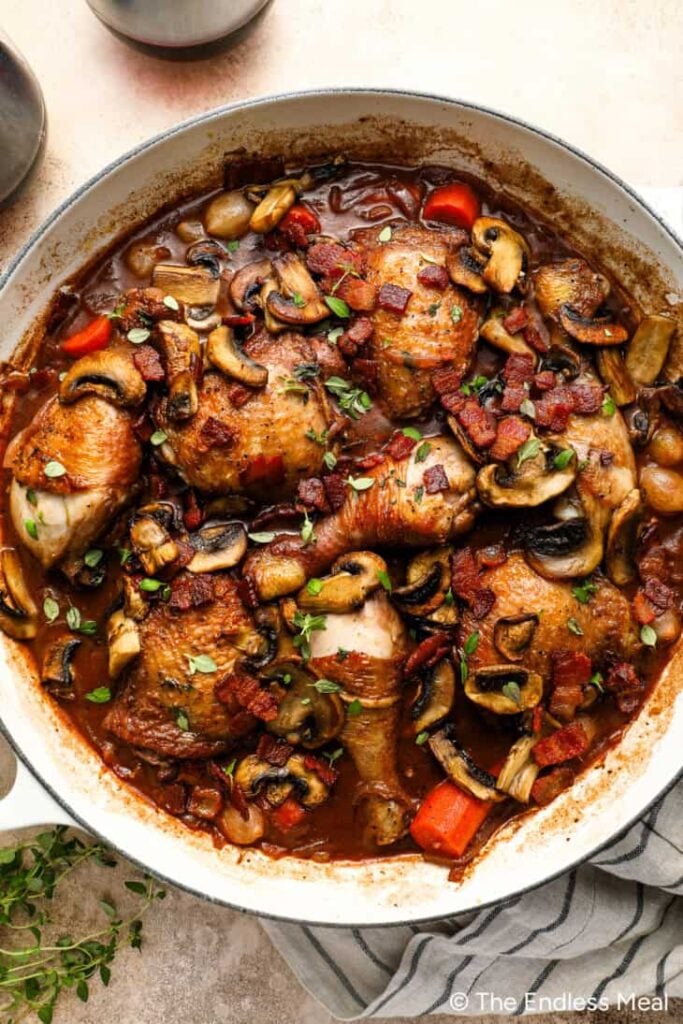
1. Coq au Vin
Coq au Vin is a classic French dish that means “rooster in wine.” You braise chicken pieces slowly in red wine with bacon, mushrooms, and herbs.
This rustic dish comes from French farmhouse cooking. Poor families created it to make tough, old roosters tender and flavorful.
You can use regular chicken instead of rooster today. The wine creates a rich, deep sauce that makes the meat incredibly tender.
You can make it ahead for dinner parties and reheat it when guests arrive.

2. Beef Bourguignon
Beef Bourguignon is a classic French stew from the Burgundy region. You slow-cook tender beef chunks in red wine with vegetables.
The dish includes mushrooms, carrots, and pearl onions. You also add bacon for extra flavor.
The beef becomes fork-tender after hours of cooking. The red wine creates a rich, deep sauce.
You can serve it over mashed potatoes or crusty bread.

3. Ratatouille
Ratatouille is a classic French vegetable stew from Provence. You make it with fresh summer vegetables like tomatoes, zucchini, eggplant, and bell peppers.
The traditional method involves cooking each vegetable separately first. You sauté them to bring out their flavors before combining everything together.
Fresh herbs like thyme and basil add extra taste. The vegetables simmer slowly in a rich tomato sauce until they become tender.
You can serve ratatouille as a side dish or eat it as a light main course.

4. Bouillabaisse
Bouillabaisse is a famous fish stew from Marseille, France. This dish started as a simple way for fishermen to use bony fish they couldn’t sell.
You make bouillabaisse with different types of Mediterranean fish and shellfish. The stew uses a tomato-based broth with saffron, fennel, and garlic.
The dish comes with rouille, a garlic mayonnaise sauce. You serve it with toasted bread on the side.
Traditional bouillabaisse is straightforward to prepare at home.

5. Cassoulet
Cassoulet is a rich, slow-cooked bean stew from southwest France. You’ll find white beans as the main ingredient, paired with duck confit, pork shoulder, and Toulouse sausage.
This hearty dish gets baked slowly in a deep earthenware pot called a cassole. The cooking process creates a signature golden crust on top.
You need to soak dried white beans overnight before cooking. The dish takes time but delivers incredible comfort food flavors.

6. Quiche Lorraine
Quiche Lorraine comes from the Lorraine region in northeastern France. This classic dish started in the 16th century as a simple rustic meal.
You make it with a flaky pastry crust filled with savory egg custard. The traditional recipe uses eggs, cream, and crispy bacon pieces.
The custard filling creates a rich, creamy texture when baked. Some recipes add Gruyère cheese, though authentic versions focus on the bacon and egg base.
You can serve quiche Lorraine warm or at room temperature. It works well for breakfast, lunch, or dinner.

7. Salade Niçoise
This classic salad comes from Nice on the French Riviera. It dates back to the 19th century.
The traditional version uses no cooked ingredients. You arrange fresh tomatoes, cucumbers, radishes, and bell peppers on a plate.
Add canned or jarred tuna, hard-boiled eggs, and black olives. Anchovies give it an authentic salty flavor.
You dress it with simple olive oil and vinegar. Some recipes include capers for extra tang.
This composed salad works perfectly for hot summer days.

8. French Onion Soup
French onion soup is a classic bistro dish that brings comfort to cold nights. You’ll love this rich, savory soup topped with golden cheese.
The recipe centers on perfectly caramelized onions. Yellow onions work best for deep flavor.
You cook them slowly until they turn sweet and golden brown. The soup uses simple ingredients: onions, broth, bread, and cheese.
Many recipes add fresh thyme for extra taste. You top each bowl with crusty bread and melted cheese before serving.
This traditional soup takes time but requires basic cooking skills.

9. Tarte Tatin
Tarte Tatin is France’s famous upside-down apple tart. You caramelize apples in sugar until golden, then top with puff pastry.
After baking, you flip the tart so the caramelized apples sit on top. The pastry becomes crisp and buttery underneath.
This classic dessert comes from two French sisters named Tatin. You need apples, sugar, butter, and puff pastry to make it.
The tart combines sweet caramel flavors with flaky pastry.

10. Croque Monsieur
The croque monsieur is France’s most famous grilled sandwich. It started in Paris cafes as a quick snack.
You make it with ham, Gruyère cheese, and white bread. The sandwich gets topped with creamy béchamel sauce.
Many recipes add Dijon mustard for extra flavor. You bake the sandwich in the oven until the cheese melts and turns golden.
This warm, cheesy sandwich works great for lunch or a light dinner.
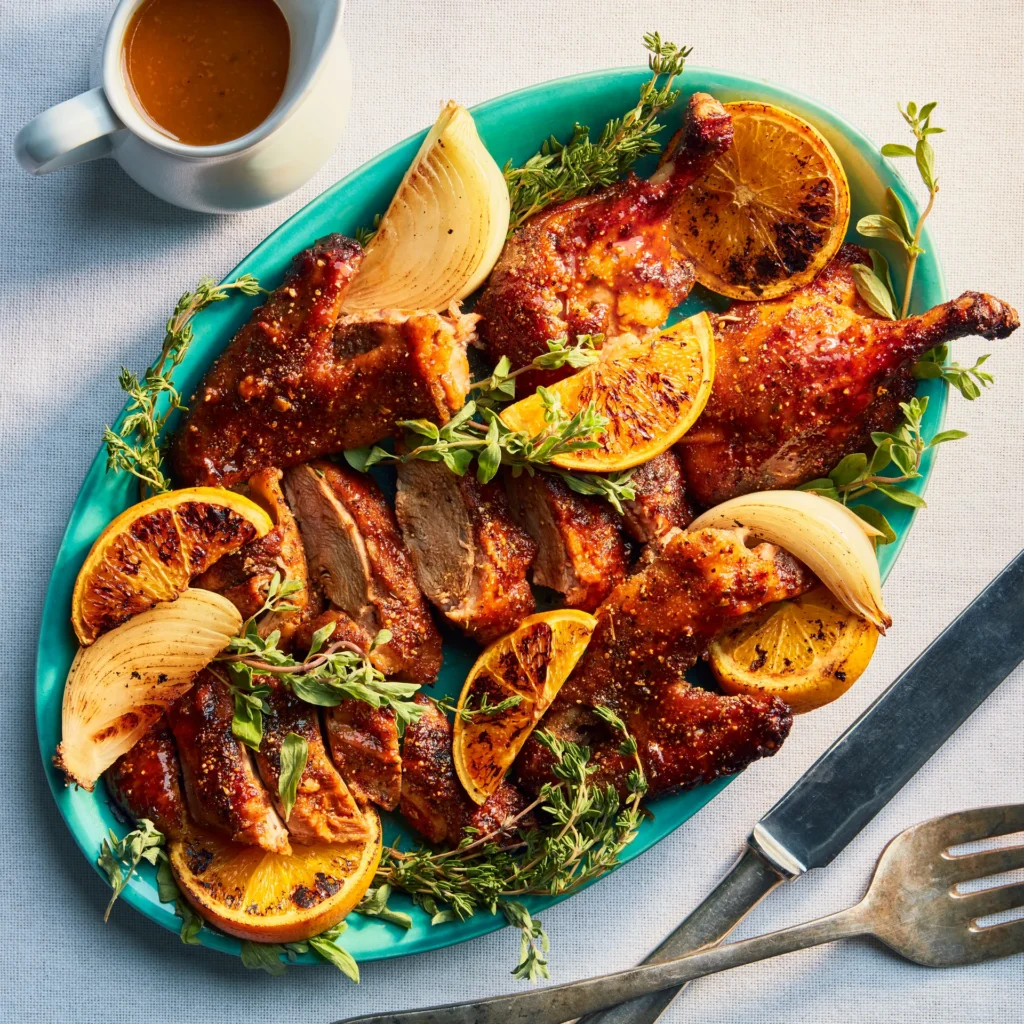
11. Duck à l’Orange
Duck à l’Orange is a classic French dish that combines roasted duck with a sweet and sour orange sauce. This traditional recipe has been popular with French royalty for centuries.
You can make this dish at home using either a whole duck or just duck breasts for faster cooking. The orange sauce typically includes orange juice, orange marmalade, and sometimes Grand Marnier or Cointreau.
Serve your duck with roasted potatoes and green vegetables like haricots verts.

12. Moules Marinières
Moules Marinières is a classic French dish that comes from the coastal regions. You steam fresh mussels in white wine with simple ingredients.
The dish uses butter, shallots, garlic, and white wine as the base. You cook these together before adding the mussels.
First, you clean the mussels and remove any broken ones. Then you steam them in the wine mixture until they open.
The cooking liquid becomes a flavorful broth. You serve the mussels in their shells with the broth and fresh herbs like parsley.

13. Potato Leek Soup (Potage Parmentier)
This classic French soup combines potatoes and leeks into a creamy, elegant dish. You can make it in just 30 minutes with simple ingredients.
The soup gets its name from Antoine-Augustin Parmentier, who made potatoes popular in France. You simmer diced potatoes and sliced leeks in broth until tender.
After cooking, you puree the mixture until smooth. Add cream at the end for richness.
You can serve it hot or cold.

14. Clafoutis
Clafoutis is a simple French dessert that looks fancy but takes little skill to make. You bake fresh fruit in a custard-like batter that puffs up golden around the edges.
Cherry is the classic version, but you can use any summer fruit. The batter has a soft, tender texture that sits between a pancake and custard.
You just mix eggs, milk, flour, and sugar, then pour it over fruit in a buttered dish. It bakes into a rustic dessert.

15. Cheese Soufflé
Cheese soufflé is a classic French dish from the 18th century. You make it with eggs, cheese, and béchamel sauce.
The name comes from the French verb “souffler,” which means to puff or blow. This describes how the dish rises when you bake it.
You can use Gruyère or Comté cheese for the best results. These cheeses melt well and add rich flavor.
The key is beating egg whites properly and folding them in gently. You must bake the soufflé right away or it won’t rise correctly.

16. Boeuf à la Mode
Boeuf à la mode is a classic French pot roast that dates back to the 17th century. You cook beef and carrots slowly in red wine for hours.
The traditional recipe uses a 48-hour marinade. You can use a technique called larding, where you thread pork fat through the meat.
The dish requires about 3 hours of cooking time in the oven. You turn the meat several times while it cooks.
You serve it with braised carrots and onions. Common sides include buttered noodles or parsley potatoes.

17. Croissants
Croissants are France’s most famous breakfast pastry. These buttery, flaky treats have layers created by folding butter into dough multiple times.
You need flour, butter, yeast, milk, and salt to make authentic croissants. The process takes time and patience.
The key technique is lamination. You roll butter into the dough, then fold and roll it several times.
This creates the signature flaky layers. Fresh croissants should be crispy outside and soft inside.
You can eat them plain or fill them with chocolate or ham and cheese.

18. Salmon en Papillote
En papillote means “in paper” in French. You wrap salmon in parchment paper with vegetables and herbs, then bake it.
This cooking method has been popular in France since the 17th century. The paper creates a steam chamber that keeps the fish moist and flavorful.
You can add zucchini, fennel, tomatoes, or other vegetables to your packet. Season with dill, lemon, olive oil, and butter for classic French flavors.
The technique prevents fish from drying out while cooking.

19. Poulet Basquaise
This classic dish comes from France’s Basque region. The chicken is braised in a rich sauce made with bell peppers, tomatoes, and onions.
The dish gets its special flavor from piment d’Espelette, a local Basque chili pepper. You cook the chicken slowly in white wine until it becomes tender.
You can serve poulet basquaise with rice or crusty bread. The colorful red and green peppers make this dish look as good as it tastes.

20. Boeuf en Daube
Boeuf en Daube is a classic French beef stew from Provence. You marinate beef in red wine with herbs and spices before slow cooking.
The dish combines tender beef cuts with red wine, carrots, and onions. You add herbs like bay leaves, thyme, and rosemary for flavor.
You can refrigerate it overnight and reheat after skimming excess fat. You serve it with crusty bread and red wine for an authentic French meal.
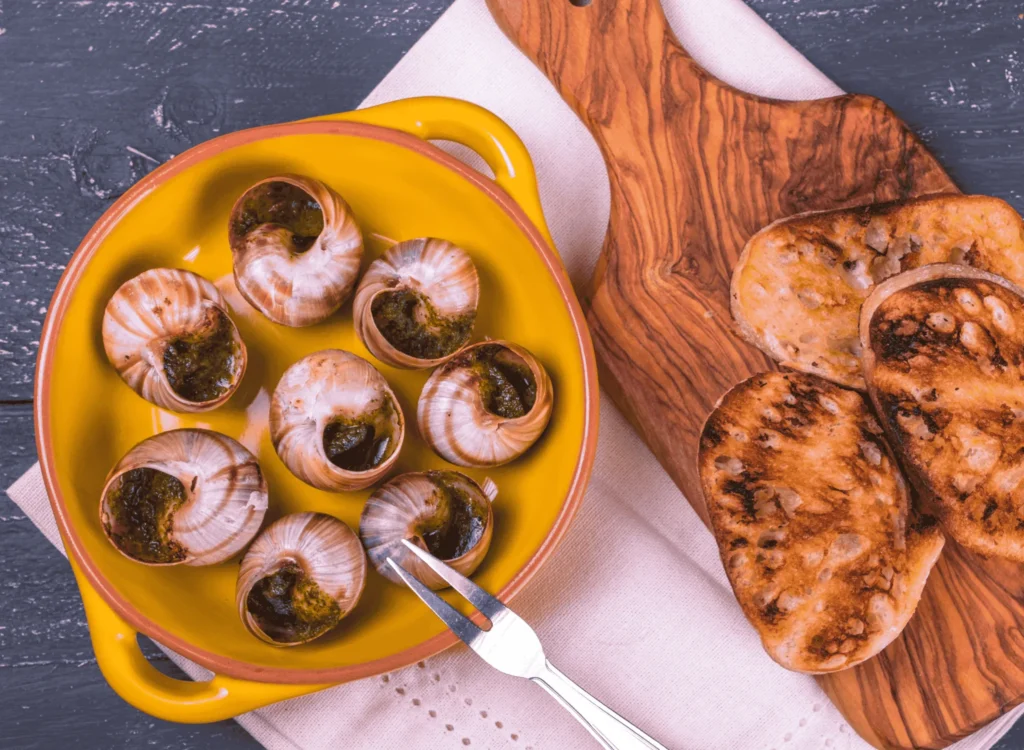
21. Escargots de Bourgogne
You’ll find this classic French dish features Burgundy snails cooked in rich garlic butter. The snails come from the Burgundy region of France.
To make escargots, mix butter with minced garlic, parsley, and shallots. Stuff each snail into its shell and top with the herb butter mixture.
Bake the prepared snails at 375°F for just a few minutes. The butter should bubble and turn golden.
Serve escargots hot as an appetizer with crusty bread to soak up the flavorful butter.
Key Techniques in Traditional French Cooking
French cooking relies on precise methods that transform simple ingredients into extraordinary dishes. These techniques focus on proper knife skills, specific cooking methods, and the art of sauce making.
Classic Preparation Methods
Mise en place forms the foundation of French cooking. This means preparing and organizing all ingredients before you start cooking.
You should master basic knife cuts like julienne (thin strips), brunoise (small dice), and chiffonade (ribbon cuts for herbs). These cuts ensure even cooking and professional presentation.
Sautéing requires high heat and constant movement. Use a wide pan and avoid overcrowding ingredients.
Braising combines both dry and wet heat cooking. Sear meat first, then cook it slowly in liquid.
Confit preserves food by cooking it slowly in fat. Duck confit uses this ancient method.
Blanching involves briefly boiling vegetables, then plunging them into ice water. This keeps vegetables bright and crisp.
Essential Cooking Tools
A sharp chef’s knife is your most important tool. French cooks prefer 8-10 inch blades for most tasks.
Heavy-bottomed pans distribute heat evenly. Stainless steel or copper work best for sauces.
A mandoline slicer creates uniform cuts quickly. Use the safety guard to protect your fingers.
Fine-mesh strainers remove lumps from sauces and stocks. Keep multiple sizes in your kitchen.
Wooden spoons won’t scratch pans or conduct heat. They’re perfect for stirring hot sauces.
A whisk incorporates air and prevents lumps. Balloon whisks work best for cream and egg whites.
Sauce Foundations
French cooking features five mother sauces: béchamel, velouté, espagnole, hollandaise, and tomato. These create hundreds of other sauces.
Roux thickens many sauces. Mix equal parts butter and flour, then cook to remove raw flour taste.
Beurre blanc combines butter with shallots and white wine. Add cold butter pieces slowly while whisking.
Emulsification binds oil and water-based ingredients. Mayonnaise and hollandaise use this technique.
Strain sauces through fine mesh for smooth texture. Season with salt and pepper at the end.
Temperature control prevents sauces from breaking. Keep heat moderate and stir constantly.
French Culinary Traditions and Regional Influences
French cooking varies greatly from north to south and east to west. Each region uses local ingredients and follows cooking methods passed down through generations.
Distinctive Flavors by Region
Northern France brings you rich, hearty dishes with butter and cream. You’ll find classic coq au vin from Burgundy and beef bourguignon that slow-cooks for hours.
The Loire Valley offers lighter fare with fresh river fish and delicate sauces. White wines from this area often appear in the cooking.
Southern France gives you bold Mediterranean flavors. You’ll taste garlic, olive oil, tomatoes, and herbs like thyme and rosemary in dishes like bouillabaisse.
Eastern regions like Alsace blend German influences with French techniques. You’ll discover sauerkraut dishes and heavier stews perfect for cold winters.
Brittany on the coast specializes in seafood crepes and butter-rich pastries. The region’s Celtic heritage shows in simpler, rustic preparations.
Role of Fresh Ingredients
French cooking depends on seasonal, local ingredients. Markets in every French town sell produce picked that morning and fish caught the same day.
You’ll notice French recipes often call for specific ingredients tied to their regions. Provence tomatoes, Normandy apples, and Bresse chicken each bring unique flavors you can’t replicate elsewhere.
Quality over quantity drives French ingredient choices. A simple dish with three perfect ingredients beats complex recipes with average components.
French cooks shop multiple times per week. This ensures maximum freshness and lets them adjust menus based on what looks best at the market.
Frequently Asked Questions
Traditional French cooking brings up common questions about classic dishes like Coq au Vin and Beef Bourguignon, key ingredients, and authentic preparation methods. These answers help home cooks understand what makes French cuisine special.
What are the most popular dishes to try for a traditional French dinner?
Coq au Vin stands out as a classic choice for French dinner. This dish features chicken braised in red wine with mushrooms and bacon.
Beef Bourguignon makes another excellent option. Slow-cook beef in burgundy wine with carrots, onions, and herbs.
Ratatouille offers a vegetable-based alternative. This stew combines eggplant, zucchini, tomatoes, and peppers with fresh herbs.
Bouillabaisse provides a seafood option from southern France. This fish stew includes various Mediterranean fish and shellfish in a saffron broth.
Which French main dishes are considered culinary classics?
Cassoulet ranks among the most famous French main dishes. This hearty bean stew contains white beans, duck, sausage, and sometimes lamb.
Coq au Vin represents classic French cooking techniques. The dish shows how French cooks use wine to create rich, flavorful sauces.
Beef Bourguignon demonstrates traditional braising methods. This dish takes tough cuts of beef and makes them tender through slow cooking.
Duck Confit stands as another classic preparation. Cure duck legs in salt, then cook them slowly in their own fat.
Can you list some must-try French desserts and their origins?
Crème Brûlée comes from French kitchens and features vanilla custard with caramelized sugar on top. This dessert originated in the 17th century.
Tarte Tatin started as an upside-down apple tart from the Loire Valley. The Tatin sisters created this dessert at their hotel in the 1880s.
Macarons trace back to French monasteries in the 8th century. The modern sandwich-style macaron developed in Paris during the 20th century.
Profiteroles combine choux pastry with ice cream and chocolate sauce. French pastry chefs perfected this dessert in the 16th century.
What are the key ingredients commonly used in classic French cuisine?
Butter serves as the foundation for many French dishes. French cooks use it for sautéing, making sauces, and adding richness to recipes.
Wine plays a crucial role in French cooking. Find red wine in Beef Bourguignon and white wine in many fish dishes.
Fresh herbs like thyme, rosemary, and parsley appear frequently. These herbs add flavor without overwhelming the main ingredients.
Shallots and garlic provide aromatic bases for sauces. French cooking often starts with these ingredients sautéed in butter or oil.
Could you suggest a few French recipes that represent the best of French gastronomy?
Bouillabaisse showcases French seafood cooking from Marseille. This dish requires fresh fish, saffron, and traditional cooking methods.
Cassoulet represents rustic French cooking at its best. The dish takes days to prepare properly and shows French patience with food.
Coq au Vin demonstrates classic sauce-making techniques. This recipe teaches you how to build layers of flavor through proper cooking methods.
French Onion Soup shows how simple ingredients become extraordinary. Caramelized onions, good stock, and proper cheese create this bistro favorite.
What are some authentic French food names and their corresponding recipes?
Boeuf Bourguignon refers to beef cooked in Burgundy wine style. You marinate beef overnight, then braise it with vegetables and herbs.
Pot-au-Feu means “pot on the fire” and describes a simple boiled dinner. This dish combines beef, vegetables, and broth in one pot.
Confit de Canard translates to duck preserve. You cure duck legs in salt, then cook them slowly in duck fat.
Soupe à l’Oignon means onion soup in French. To make this dish, you slowly caramelize onions, then add beef stock and Gruyère cheese.