
Vegetable smoothies offer a simple way to boost your daily nutrition while enjoying delicious flavors. These nutrient-packed drinks combine fresh vegetables with fruits and other ingredients to create tasty beverages that support your health goals.
You can easily sneak more vitamins, minerals, and fiber into your diet without dealing with bitter tastes or complicated meal prep. Whether you want to start your morning with energy or need a healthy snack, vegetable smoothies provide endless possibilities.
From leafy greens like kale and spinach to colorful options like carrots and beets, you can create refreshing blends that taste amazing while doing your body good.
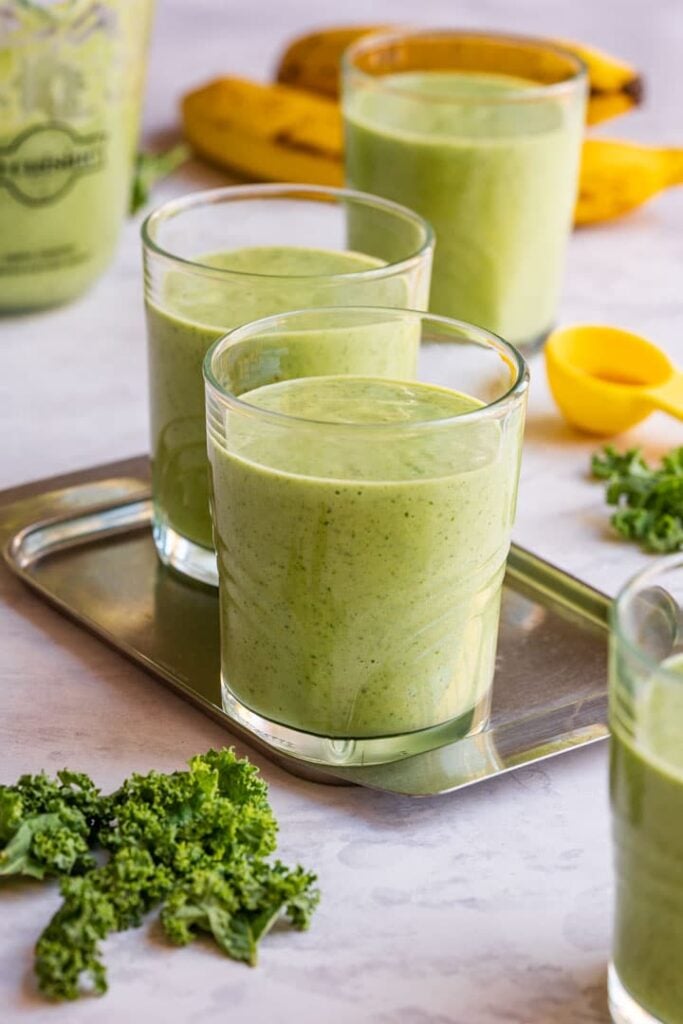
1. Kale Spinach Power Smoothie
This smoothie combines two of the best leafy greens for maximum nutrition. Kale and spinach pack your drink with vitamins and minerals.
You can make this smoothie in just 5 minutes. Add banana and pineapple to sweeten the greens naturally.
The combination gives you an energy boost to start your day. Both fresh and frozen greens work well in this recipe.

2. Carrot Ginger Zing
This bright orange smoothie combines sweet carrots with spicy fresh ginger. The carrots add natural sweetness and fiber to your drink.
Ginger brings a warming kick that wakes up your taste buds. You get vitamin A from the carrots and anti-inflammatory benefits from the ginger.
The smooth texture makes this an easy breakfast or snack option. Blend carrots, ginger, and your choice of liquid in just minutes.
You can add fruits like pineapple or mango for extra sweetness.

3. Avocado Green Detox
Avocado makes your detox smoothie thick and creamy. It adds healthy fats that help your body feel full longer.
Blend avocado with spinach or kale for a green base. Add cucumber for extra hydration and toxin removal.
This smoothie supports your digestion with fiber from the avocado. The healthy fats also help your body absorb vitamins better.
Add lemon juice for flavor without extra sugar. The combination creates a smooth drink that tastes fresh and clean.

4. Beetroot Berry Blast
This smoothie combines raw beets with berries for a vibrant drink. You get plenty of antioxidants from both ingredients.
The mix of sweet berries helps balance the earthy beet taste. Strawberries and blueberries work best in this recipe.
Add a frozen banana for creaminess. Use almond milk or your favorite plant milk as the base.
Throw in hemp seeds for extra protein. This smoothie gives you vegetables without a strong veggie flavor.

5. Cauliflower Creamy Shake
Cauliflower makes smoothies thick and creamy without adding strong flavors. This neutral vegetable blends well with both sweet and savory ingredients.
Use 1 to 1.5 cups of frozen cauliflower florets in your smoothie. The frozen pieces help create a smooth texture.
Pair cauliflower with peanut butter, chocolate protein powder, or tropical fruits like mango. These combinations mask any mild vegetable taste while boosting nutrition and fiber content.

6. Cucumber Mint Refresher
This smoothie combines cucumber and fresh mint for a light, cooling drink. You get hydration from the cucumber and a fresh taste from the mint.
The drink works well on hot days or after workouts. Cucumber provides water content while mint adds flavor without extra calories.
Make this smoothie with coconut water, lime juice, and ice. Some recipes include Greek yogurt for protein.
The blend takes about five minutes to prepare. It’s low in calories and naturally refreshing.

7. Sweet Potato Cinnamon Blend
Sweet potato makes a great smoothie base. It adds natural sweetness and a creamy texture.
This blend tastes like sweet potato pie in a glass. Use cooked sweet potato that you mash first.
Add cinnamon and nutmeg for warm fall flavors. Banana and almond butter make it even creamier.
Try almond milk as your liquid base. Greek yogurt adds protein and makes it thicker.

8. Broccoli Pineapple Boost
This smoothie combines broccoli with sweet pineapple for a nutritious drink. The pineapple masks the broccoli taste completely.
You get plenty of vitamin C and fiber in each glass. The natural sweetness comes from the fruit, so you don’t need added sugar.
Add banana or yogurt for extra creaminess. Fresh or frozen broccoli florets work well in this recipe.

9. Zucchini Apple Smoothie
Zucchini apple smoothie combines mild vegetables with sweet fruit. The zucchini adds creaminess without changing the taste much.
Use raw zucchini in your blender. Remove the skin if you want a smoother drink.
One medium zucchini works well for most recipes. Apples make this smoothie naturally sweet.
Green apples add tartness while red apples taste sweeter. This smoothie has about 116 calories per glass.
Add spinach or other greens for extra nutrition.

10. Tomato Basil Energizer
This savory smoothie combines ripe tomatoes with fresh basil for a unique drink. You get a boost of lycopene and antioxidants from the tomatoes.
The basil adds a fragrant herb flavor that pairs well with tomatoes. Use fresh tomatoes or tomato juice as your base.
Add a handful of fresh basil leaves and blend until smooth. This drink offers more nutrients than regular tomato juice.
It’s refreshing and perfect for warm days.

11. Celery Citrus Cleanser
This bright smoothie combines crisp celery with tangy citrus fruits. You get a refreshing drink that tastes clean and energizing.
The celery adds fiber and nutrients while keeping calories low. Orange juice provides vitamin C to boost your immune system.
Blend celery stalks with fresh orange juice and a splash of lemon. Add a banana for natural sweetness if you prefer.
The citrus flavors balance out the earthy celery taste perfectly.

12. Asparagus Lemon Twist
Asparagus makes a great smoothie base when paired with bright lemon flavor. The vegetable adds vitamins and minerals while staying mild in taste.
Steam your asparagus spears first until they’re tender. This makes them easier to blend and removes any tough texture.
Combine the cooked asparagus with lemon juice, banana, and your choice of milk. The lemon cuts through any earthy taste from the asparagus.
Add honey or dates for sweetness if needed. This green smoothie gives you nutrients in a refreshing drink.

13. Pea Protein Veggie Shake
Pea protein powder adds plant-based protein to your veggie smoothies. It works well for people who avoid dairy products.
This protein has an earthy taste that can be bitter. Mix it with strong flavors like berries or banana to mask this taste.
Pea protein makes smoothies thick and creamy. It won’t make your drink rubbery like some milk-based proteins do.
Mix pea protein with spinach, mango, and coconut milk. Add a handful of frozen pineapple for extra sweetness and tropical flavor.

14. Pumpkin Spice Smoothie
This fall smoothie combines pumpkin puree with warm spices like cinnamon and nutmeg. You get a creamy drink that tastes like pumpkin pie.
Add banana for natural sweetness and almond milk for smooth texture. The pumpkin gives you vitamin A and fiber.
Blend pumpkin puree, banana, milk, and pumpkin pie spice until smooth. This veggie smoothie works great for breakfast or snacks.

15. Swiss Chard Mango Mix
Swiss chard and mango make a winning combination for smoothies. The sweet, tropical flavor of mango masks the earthy taste of swiss chard perfectly.
Use both the leaves and stems of swiss chard in this blend. Start with one cup of packed swiss chard leaves to avoid an overpowering green flavor.
Add frozen mango chunks for natural sweetness and a creamy texture. A splash of coconut milk makes the smoothie even smoother and adds tropical flavor.

16. Baby Spinach Kiwi Cooler
This refreshing smoothie combines sweet kiwi fruit with nutrient-rich baby spinach. The kiwi flavor takes center stage while the spinach adds vitamins without changing the taste much.
Make this cooler with just a few simple ingredients. Blend fresh kiwis, baby spinach, and coconut water with ice until smooth.
The drink provides vitamin C from the kiwi and iron from the spinach.

17. Radish Cucumber Chill
This smoothie combines two crisp vegetables for a refreshing drink. Radishes add a mild peppery taste while cucumbers bring cooling hydration.
Blend these vegetables with fruits like strawberries or bananas. The fruit sweetness balances the radish’s sharp flavor.
This drink works well as a post-workout refresher. Both vegetables have high water content to help you stay hydrated.
Add ice cubes for extra chill factor on hot days.

18. Green Bean Lime Refresher
Green beans add a mild flavor to smoothies without being too strong. You get extra vitamins and fiber in your drink.
The lime makes this smoothie taste fresh and bright. It covers up any veggie taste you might not like.
Mix green beans with lime juice, coconut water, and a little honey. Add some ice to make it cold and refreshing.

19. Collard Greens Pear Blend
Collard greens pair well with sweet pears in smoothies. The fruit helps mask the strong earthy taste of the greens.
This blend gives you lots of vitamins and minerals. Collard greens have vitamin K, vitamin A, and folate.
Use 2-3 large collard green leaves with one ripe pear. Add water or your favorite milk to help it blend smooth.
The pear’s natural sweetness balances the bitter notes from the collard greens. Add a small amount of honey if you want it sweeter.

20. Arugula Pineapple Fusion
This smoothie combines arugula’s peppery taste with sweet pineapple. The tropical fruit balances the sharp flavor of the greens perfectly.
You’ll get cruciferous vegetables in an easy-to-drink form. Arugula belongs to the same family as broccoli and kale.
The basic recipe needs just arugula, pineapple, and liquid like water or juice. Add banana for extra creaminess if you want.
This green smoothie takes about five minutes to make. Blend until smooth and enjoy the unique flavor combination.

21. Brussels Sprouts Citrus Punch
Brussels sprouts pack more vitamin C than oranges. They also contain vitamin K, folate, and antioxidants that your body needs.
When you blend Brussels sprouts, they create compounds called isothiocyanates. These help remove harmful substances from your body.
The citrus in this smoothie masks the bitter taste of Brussels sprouts. You get all the nutrition without the strong flavor.
Start with just one or two Brussels sprouts in your smoothie. Add orange juice, lemon, and your favorite fruits to balance the taste.
Nutritional Benefits of Vegetable Smoothies
Vegetable smoothies provide concentrated doses of essential vitamins, minerals, and fiber that support your body’s daily functions. These nutrient-rich drinks boost your immune system while promoting healthy digestion and overall wellness.
Key Vitamins and Minerals
Dark leafy greens like spinach and kale pack your smoothies with vitamin K, which supports bone health and blood clotting. One cup of spinach gives you over 180% of your daily vitamin K needs.
Vitamin A from carrots and sweet potatoes helps maintain healthy vision and skin. These orange vegetables also provide beta-carotene, an antioxidant your body converts to vitamin A.
Cruciferous vegetables like broccoli and cauliflower add vitamin C to strengthen your immune system. One cup of broccoli provides 135% of your daily vitamin C requirement.
Folate from leafy greens supports cell division and DNA production. This B vitamin is especially important for pregnant women and growing children.
Vegetables like beets and celery provide potassium, which regulates blood pressure and muscle function. Your body needs potassium to maintain proper heart rhythm.
Fiber Content and Digestive Health
Vegetable smoothies contain both soluble and insoluble fiber that support healthy digestion. Soluble fiber from vegetables like carrots dissolves in water and helps lower cholesterol levels.
Insoluble fiber from greens adds bulk to your stool and promotes regular bowel movements. This type of fiber also feeds beneficial gut bacteria.
Most adults need 25-35 grams of fiber daily. A vegetable smoothie with mixed greens, cucumber, and celery can provide 8-12 grams of fiber per serving.
Blending whole vegetables keeps their fiber intact, unlike juicing which removes most fiber content. This helps you feel full longer and prevents blood sugar spikes.
Supporting Immune Function
Antioxidants in colorful vegetables protect your cells from damage caused by free radicals. These compounds strengthen your immune system’s ability to fight infections.
Vitamin C from bell peppers and tomatoes stimulates white blood cell production. These cells form your body’s first line of defense against illness.
Spinach and mushrooms provide zinc, which helps immune cells communicate effectively. Zinc also supports wound healing and protein synthesis.
Phytonutrients give vegetables their vibrant colors and provide anti-inflammatory benefits. Purple cabbage contains anthocyanins, while orange carrots provide carotenoids.
Tips for Making Delicious Vegetable Smoothies
Getting the right mix of sweet and savory flavors makes all the difference in vegetable smoothies. Choose ingredients that work well together and avoid common blending mistakes.
Balancing Flavors and Textures
Start with a 2:1 ratio of fruit to vegetables when you’re new to veggie smoothies. This helps mask any bitter flavors while you get used to the taste.
Sweet fruits like bananas, mangoes, and pineapple work best with leafy greens. Apples and pears pair well with carrots and beets.
Add these flavor boosters:
- 1-2 dates for natural sweetness
- Fresh ginger for warmth
- Lemon juice to brighten flavors
- Vanilla extract for depth
Add frozen fruits instead of ice for smooth textures. Ice can water down your smoothie and create a chunky feel.
Blend leafy greens first with liquid to break them down completely. Then add your other ingredients.
Best Ingredients to Blend
Mild vegetables work best for beginners:
- Spinach (almost tasteless)
- Cucumber (adds freshness)
- Zucchini (creamy texture)
- Carrots (natural sweetness)
Liquid bases that enhance flavor:
- Coconut milk for creaminess
- Orange juice for vitamin C
- Almond milk for nuttiness
- Green tea for antioxidants
Protein additions:
- Greek yogurt
- Protein powder
- Nut butter
- Hemp seeds
Start with 1 cup of liquid and adjust as needed. Too much liquid makes thin smoothies.
Common Mistakes to Avoid
Don’t add too many vegetables at once. Stick to 1-2 types per smoothie to avoid overwhelming flavors.
Cook hard vegetables like raw broccoli or cauliflower before blending them. Raw versions create grainy textures and bitter tastes.
Avoid these combinations:
- Citrus fruits with milk (causes curdling)
- Too much kale without sweet fruits
- Raw onions or garlic
Add a small banana or a few dates if your smoothie tastes bitter. This can save any veggie smoothie.
Blend for at least 60 seconds to get smooth results. Under-blending leaves chunks of vegetables that taste unpleasant.
Frequently Asked Questions
Here are answers to common questions about making vegetable smoothies, from weight loss ingredients to beginner recipes and health benefits.
What are the top vegetables that promote weight loss in smoothies?
Leafy greens like spinach and kale are excellent for weight loss smoothies. They are low in calories but high in nutrients and fiber.
Cauliflower works well because it adds creaminess without many calories. It helps you feel full longer.
Cucumber adds volume and hydration to your smoothie. It has very few calories and helps create a refreshing drink.
Celery is another low-calorie option that adds fiber. It blends well with fruits to mask any bitter taste.
Which fruits pair well with vegetables in a smoothie for balanced flavor and nutrition?
Bananas pair perfectly with green vegetables like spinach and kale. They add natural sweetness and create a smooth texture.
Berries work great with beetroot and other earthy vegetables. Strawberries, blueberries, and raspberries add antioxidants and bright flavors.
Pineapple balances the taste of bitter greens. It also helps with digestion and adds tropical sweetness.
Mangoes blend well with carrot-based smoothies. They provide vitamin A and create a creamy consistency.
Can you provide some simple recipes for raw vegetable smoothies?
Try this basic green smoothie: 1 cup spinach, 1 banana, 1 cup water, and ice. Blend until smooth.
For a carrot smoothie, use 1 large carrot, 1 orange, 1/2 inch ginger, and 1 cup water. Add ice and blend well.
Make a cucumber mint smoothie with 1 cucumber, 1 apple, fresh mint leaves, and coconut water. This creates a refreshing drink.
A simple beet smoothie needs 1 small cooked beet, 1 cup berries, 1 banana, and almond milk. The berries hide the earthy beet taste.
What are some easy recipes for beginners to make a tasty green smoothie?
Start with mild greens like spinach instead of kale. Spinach has a gentle flavor that fruits easily cover.
Use frozen banana as your base. It makes the smoothie sweet and creamy without needing added sugars.
Try this beginner recipe: 1 cup spinach, 1 frozen banana, 1 cup pineapple, and 1 cup coconut water. The pineapple masks the vegetable taste.
Add vanilla extract or cinnamon for extra flavor. These spices make green smoothies taste more appealing to new drinkers.
What are the health benefits of incorporating green smoothies into my diet?
Green smoothies boost your daily vegetable intake quickly. Most people do not eat enough vegetables each day.
They provide high amounts of vitamins A, C, and K. These nutrients support your immune system and bone health.
The fiber in green smoothies helps with digestion. It also helps you feel full and may support healthy weight management.
Green vegetables contain antioxidants that fight inflammation. Regular consumption may help reduce disease risk.
What ingredients make up the healthiest vegetable-based smoothie?
Dark leafy greens form the base of the healthiest smoothies. Use spinach, kale, or a mix of both for maximum nutrients.
Add healthy fats like avocado or chia seeds. These help your body absorb fat-soluble vitamins.
Include protein powder or Greek yogurt for staying power. Protein helps build muscle and keeps you satisfied.
Use water or unsweetened plant milk as your liquid. Avoid fruit juices that add extra sugar and calories.