
Smoking food adds rich flavors that regular grilling cannot match. The slow cooking process breaks down tough meat fibers and creates tender results.
This collection of 21 smoker recipes covers everything from classic beef brisket and pulled pork to creative sides like smoked mac and cheese.
You will learn to smoke various proteins including chicken, turkey, salmon, and lamb. The recipes also include vegetable dishes and cheese options for complete meals.
Each recipe provides clear steps that work with any type of smoker. You can use pellet, electric, or charcoal models.
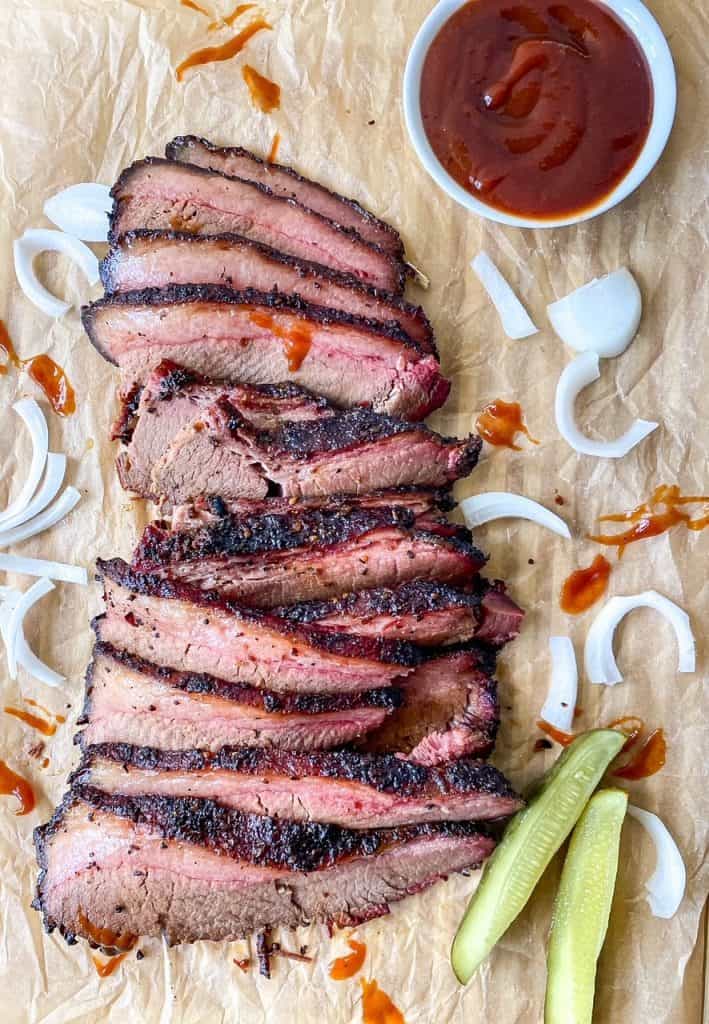
1. Smoked Beef Brisket
Smoked beef brisket is the king of barbecue. This cut requires patience but delivers amazing results.
Start by coating your brisket with a simple rub of salt and pepper. Preheat your smoker to 225-250 degrees.
Place the brisket fat-side down in the smoker. Smoke for 4-6 hours until it reaches 160 degrees inside.
Wrap the brisket in foil with beef broth. Continue cooking until the internal temperature hits 203 degrees.
Let it rest before slicing against the grain.
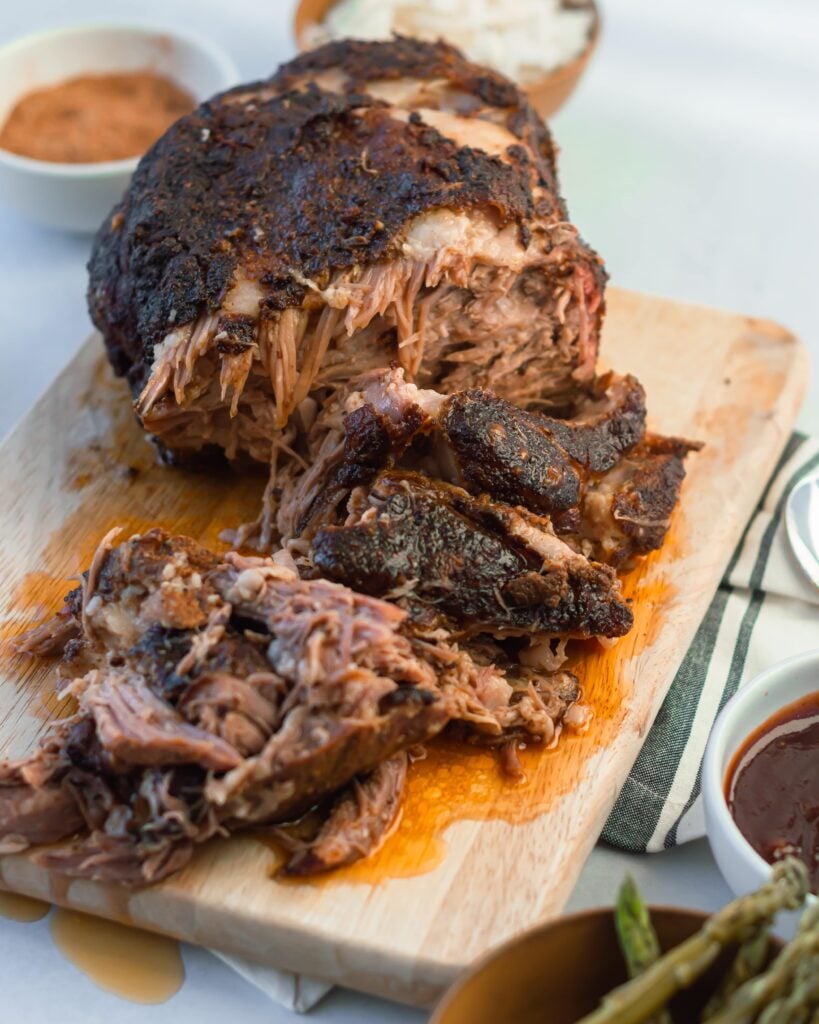
2. Pulled Pork Shoulder
Pork shoulder is perfect for smoking beginners. This cut has enough fat to stay moist during long cooking times.
Cook it low and slow at 225°F. The meat will take about 1.5 hours per pound to reach the right tenderness.
Season your pork shoulder with a simple rub of salt, pepper, and paprika. Let it sit for at least 30 minutes before smoking.
The pork is done when it reaches 203°F internally and shreds easily with a fork.
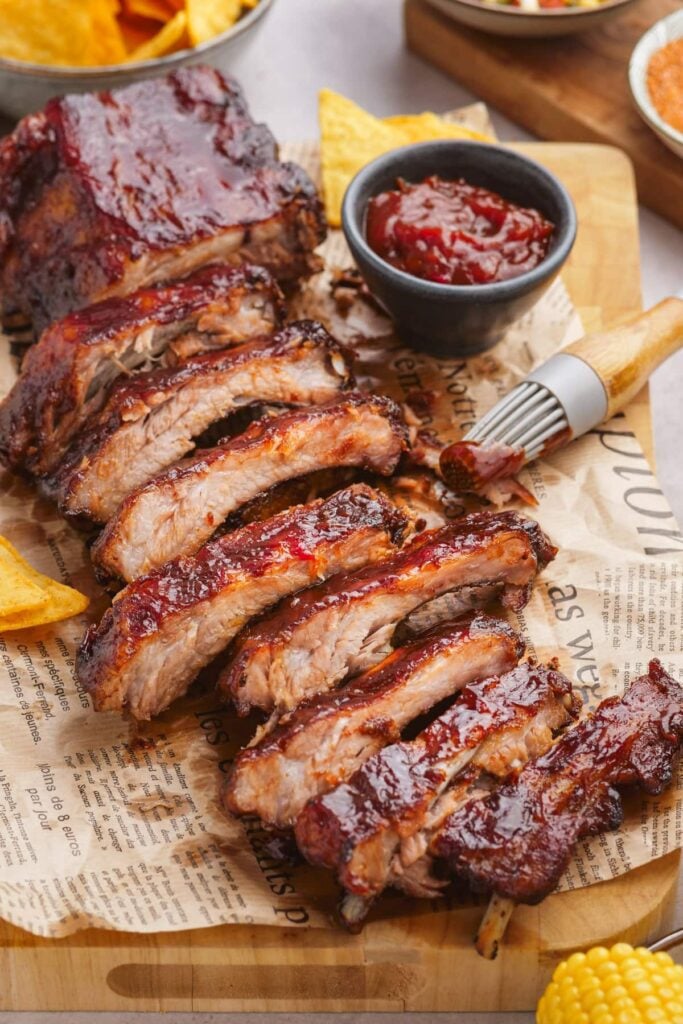
3. Baby Back Ribs
Baby back ribs are perfect for your smoker. They cook faster than spare ribs and taste great.
Use the 2-2-1 method for tender results. Smoke them for 2 hours uncovered, then wrap in foil for 2 hours, and finish with 1 hour uncovered.
Season your ribs with a dry rub before smoking. Cook them at 225°F for best results.
The meat should pull away from the bone easily when done.

4. Smoked Chicken Thighs
Chicken thighs are perfect for smoking because they stay juicy and flavorful. The dark meat holds moisture better than chicken breasts.
Set your smoker to 225°F. Season the thighs with your favorite dry rub about 30 minutes before cooking.
Smoke the thighs for about 2 hours until they reach 165°F internal temperature. You can add wood chips like apple or hickory for extra flavor.
The skin will get crispy and the meat will be tender.

5. Smoked Whole Turkey
Smoking a whole turkey creates juicy meat with crispy skin and rich smoky flavor. You can use any type of smoker or grill for this recipe.
Start by brining your turkey overnight. This keeps the meat moist during the long cooking process.
Apply a dry rub with herbs and spices before smoking. Butter under the skin adds extra flavor and helps create golden, crispy skin.
Smoke at 225°F using hickory or apple wood chips. A whole turkey takes 4-6 hours depending on size.
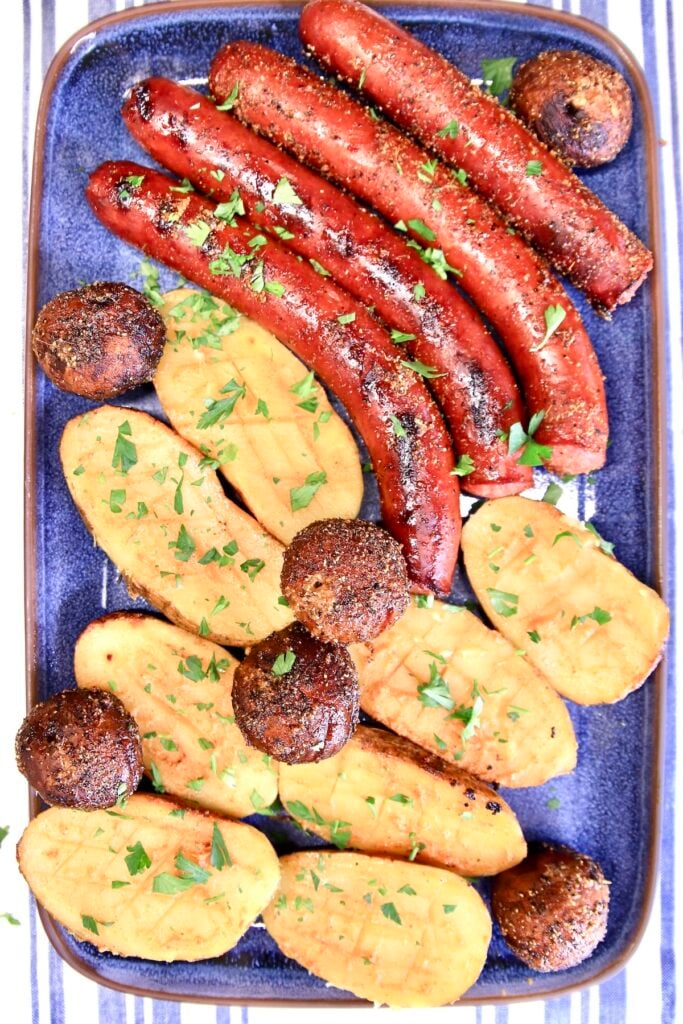
6. Smoked Sausage Links
Smoked sausage links deliver rich flavor with minimal effort. You can use pre-made sausages or make your own from scratch.
Heat your smoker to 225°F. Place the sausage links directly on the grates.
Smoke for 1-2 hours until they reach 160°F internal temperature. Popular varieties include kielbasa, bratwurst, and Italian sausage.
Turn the sausages once halfway through cooking for even browning. Serve them as a main dish or slice them for other recipes.

7. Smoked Salmon Fillets
Smoked salmon fillets deliver rich, smoky flavor that melts in your mouth. You can make this restaurant-quality dish at home with any smoker or even a grill.
Cook your salmon at low heat for the best results. The cooking time depends on how thick your fillets are.
Use a meat thermometer to check doneness. Aim for an internal temperature of 145°F to keep the salmon moist and perfectly cooked.

8. Smoked Pork Belly
Smoked pork belly delivers rich, juicy flavors that make it a barbecue favorite. The high fat content renders slowly during smoking, creating tender meat with crispy edges.
Smoke pork belly at 225°F until it reaches an internal temperature of 165°F. This usually takes about 3 hours depending on thickness.
Season your pork belly with simple salt and pepper, or try more complex rubs with paprika and garlic. The meat works great on its own or in tacos and sandwiches.
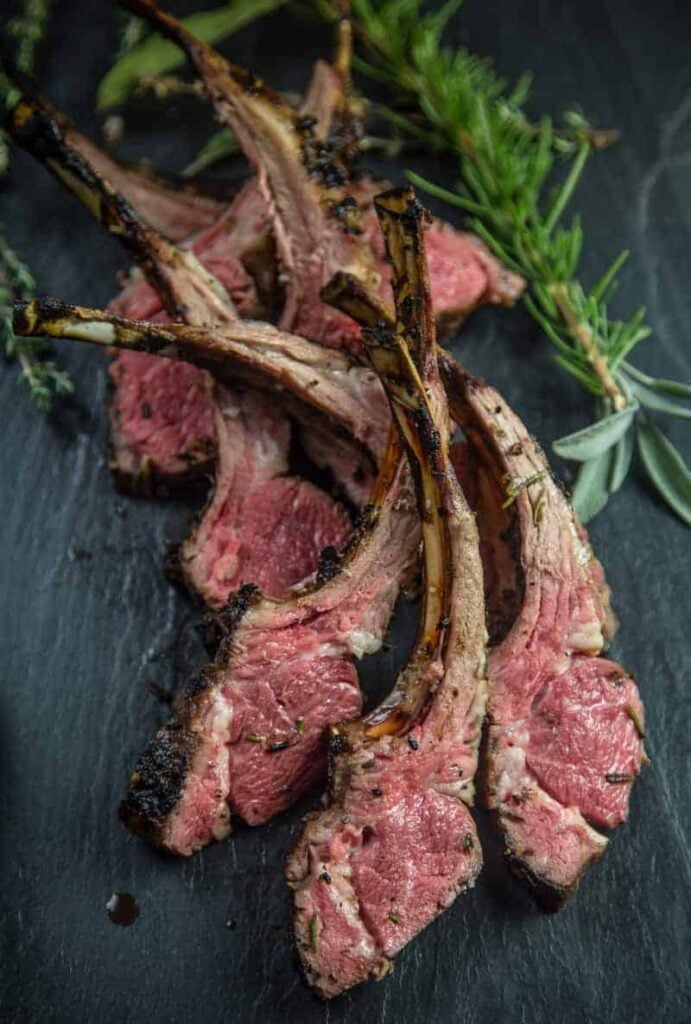
9. Smoked Lamb Chops
Lamb chops are perfect for smoking when you want something special. The low heat makes them tender and juicy.
Start with a simple marinade using garlic, rosemary, and herbs. This adds flavor that works well with smoke.
Set your smoker to 225°F. Smoke the chops for 1.5 to 2 hours until they reach 130°F inside for medium-rare.
The result is restaurant-quality meat with a light smoky taste.
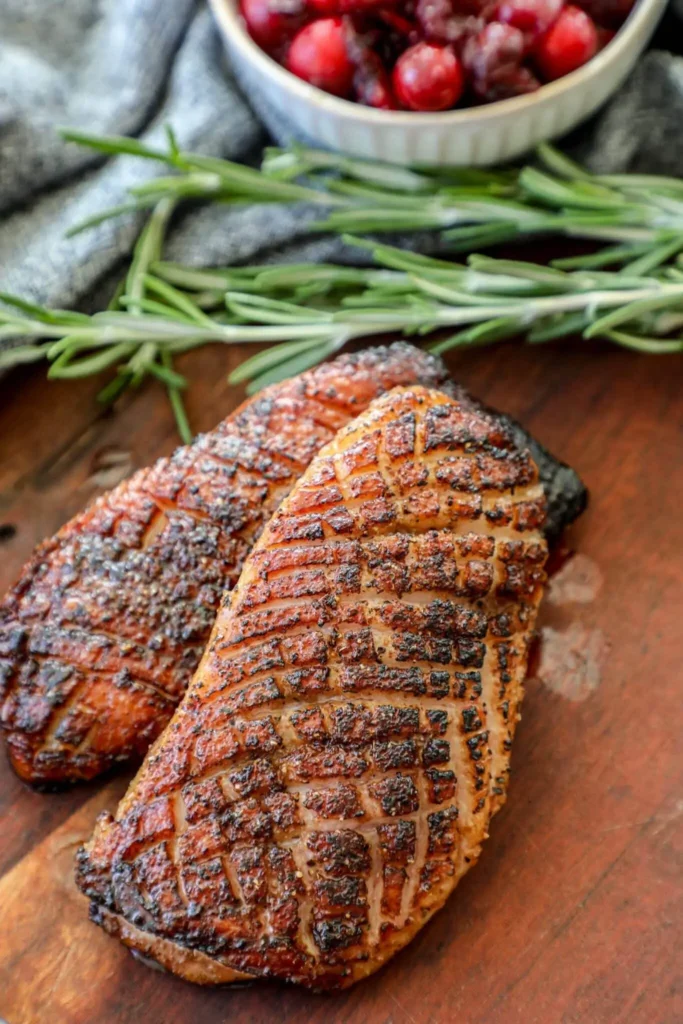
10. Smoked Duck Breast
Duck breast creates a rich, flavorful meal when smoked properly. Cure the meat first with salt, pepper, and herbs for better taste.
Smoke the duck breast skin-side up at low temperature. Cook until the internal temperature reaches 135°F for medium-rare, which takes about 1.5 to 2 hours.
Use apple or cherry wood for mild smoke flavor. The reverse sear method crisps the skin after smoking.
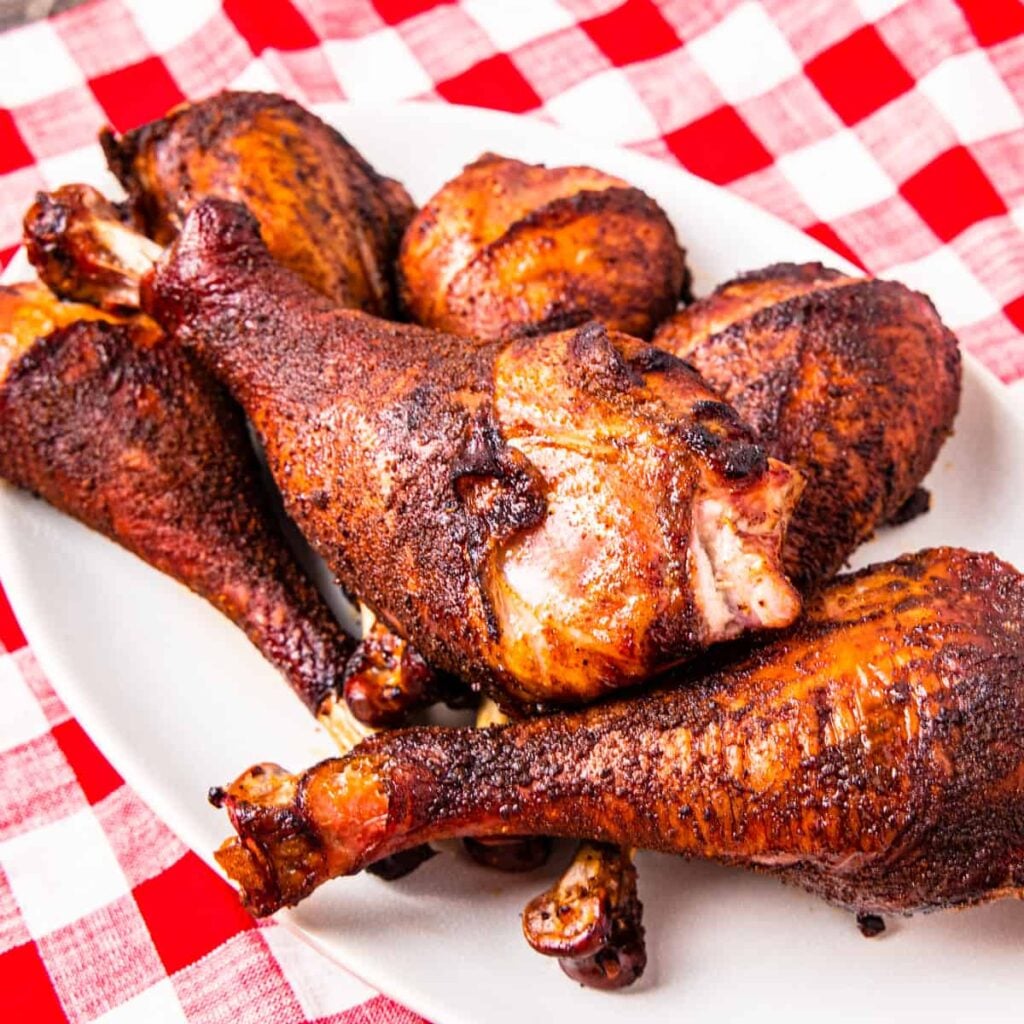
11. Smoked Turkey Legs
Turkey legs make perfect smoker food. They cook low and slow for 4 to 5 hours at steady heat.
Brine the legs overnight for extra flavor. This step helps keep the meat moist during the long cooking time.
Set your smoker to 225°F. The meat needs time to get tender and fall off the bone.
These taste just like fair or theme park turkey legs.

12. Smoked Tri-Tip Steak
Tri-tip steak comes from the bottom sirloin and has a triangular shape. It’s a budget-friendly cut that becomes tender when smoked properly.
Smoke tri-tip in just 2-3 hours, making it much faster than brisket. This cut works well with both strong and mild wood flavors.
Season your tri-tip with a dry rub before smoking at low temperatures. The meat develops a flavorful crust while staying juicy inside.
Apple wood gives a sweet, mild smoke flavor that lets the beef taste shine through.

13. Smoked Beef Short Ribs
Beef short ribs become tender and juicy when you smoke them low and slow. These thick cuts of meat have rich flavor that gets better with smoke.
Season your ribs with salt, pepper, and your favorite BBQ rub. Let them sit for 30 minutes before cooking.
Smoke at 225°F for about 6-8 hours until they reach 203°F inside. The meat should feel soft when you poke it.
Wrap them in foil with beef broth halfway through cooking to keep them moist.
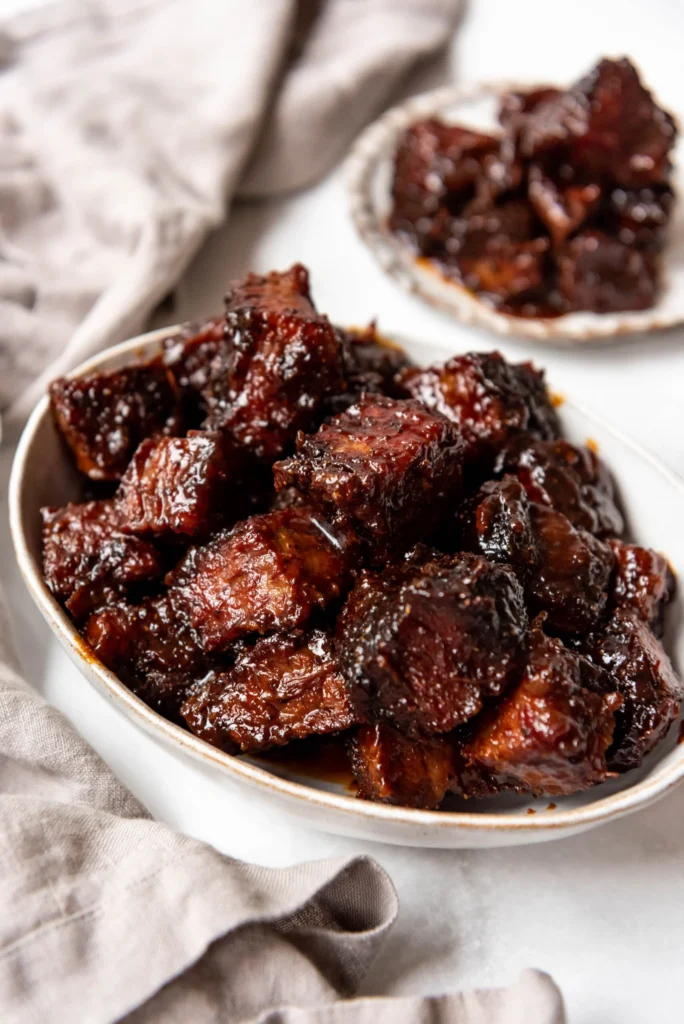
14. Smoked Brisket Burnt Ends
Burnt ends come from the point end of a beef brisket. Cube the smoked brisket point and toss it in BBQ sauce.
Cook these chunks for several more hours in your smoker. The sauce creates a sticky, caramelized coating on the outside.
The meat becomes incredibly tender and flavorful. Many pitmasters call burnt ends “meat candy” because of their sweet and smoky taste.
Serve burnt ends as an appetizer or main dish.

15. Smoked Chicken Wings
Smoked chicken wings offer the perfect mix of smoky flavor and crispy skin. You can make them on any smoker or pellet grill with great results.
Coat your wings with baking powder and salt. This helps create crispy skin while smoking.
Cook the wings at higher temperatures to get both smoke flavor and crispiness. You don’t need a deep fryer or oven to finish them.
These wings work well with many different seasonings and sauces.
16. Smoked Bratwurst
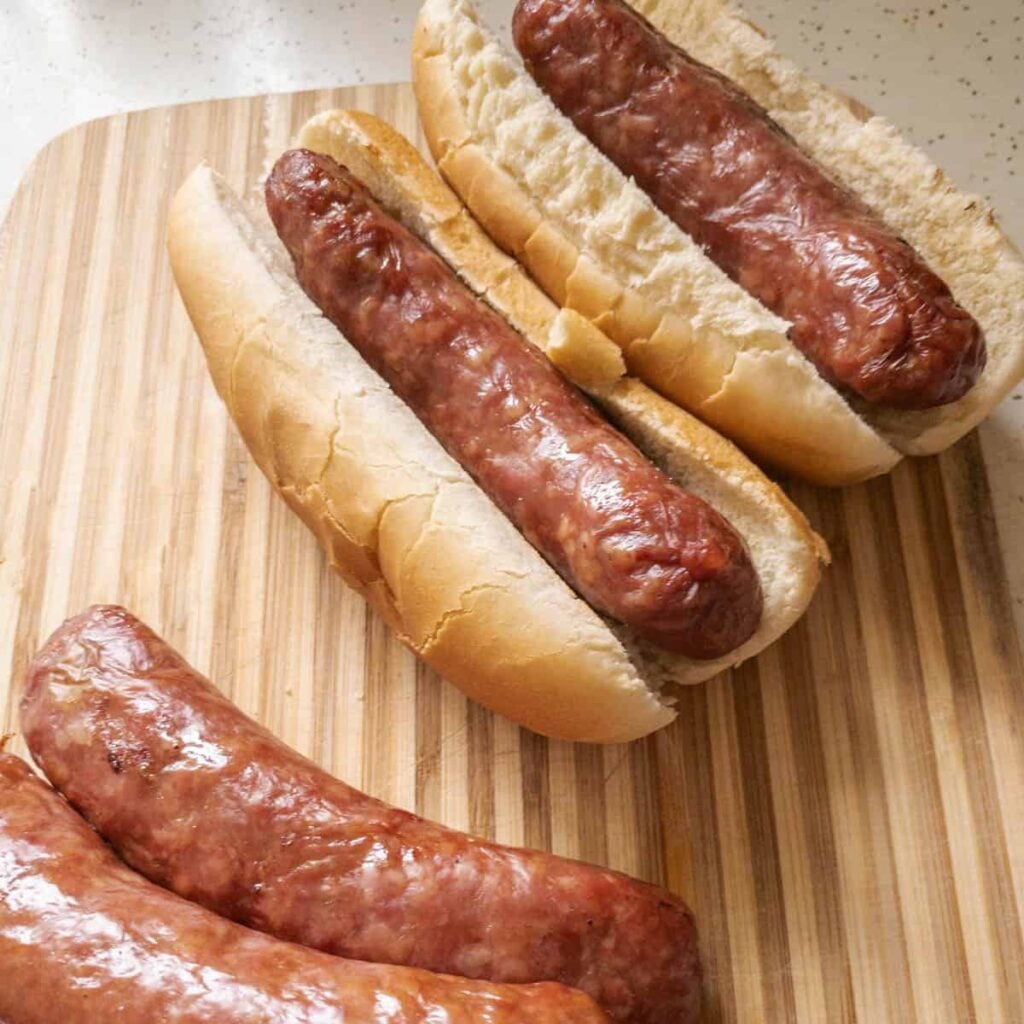
Smoking bratwurst creates juicier sausages with deeper flavor than grilling. The low temperature cooking keeps the meat moist while adding smoky taste.
Smoke brats on any type of smoker in under an hour. No boiling is needed before smoking.
Choose your favorite wood chips for different flavors. Apple and cherry woods work well with bratwurst.
Smoke the brats at 225°F until they reach an internal temperature of 160°F. This usually takes 45-60 minutes.
Serve your smoked bratwurst on buns with mustard and onions for a classic meal.
17. Smoked Venison
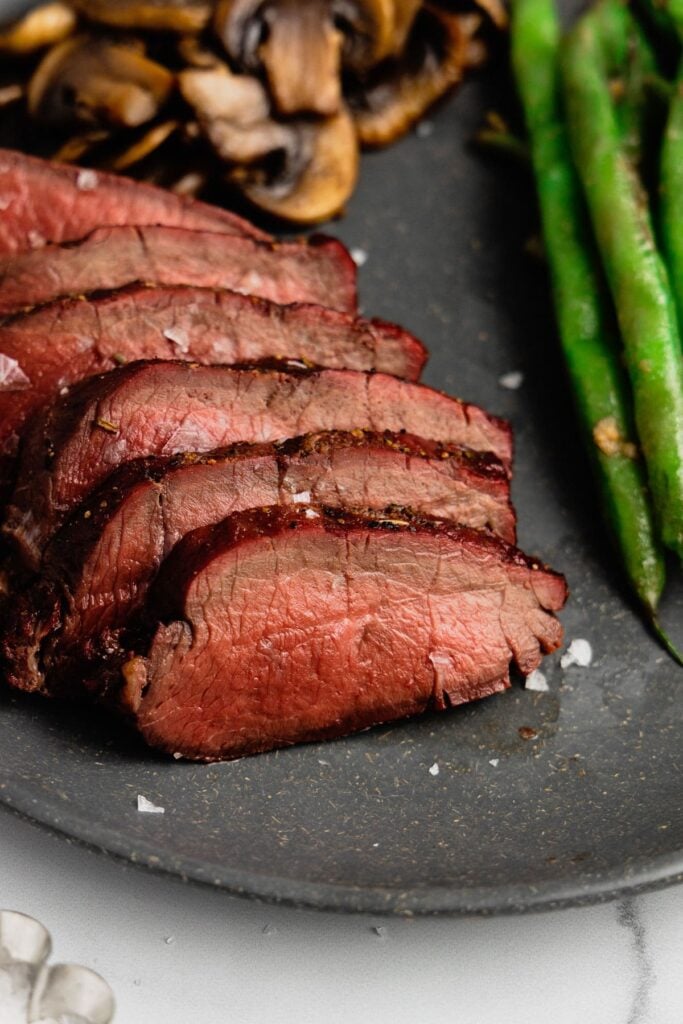
Smoked venison offers rich, earthy flavors that complement wild game perfectly. The low and slow cooking method makes this lean meat tender and juicy.
Prepare your venison roast with proper seasoning or brining beforehand. This helps add moisture to the naturally lean meat.
Set your smoker to 225°F and use wood chips like oak or hickory. Cook until the internal temperature reaches 130-135°F for medium-rare.
The smoking process takes 2-4 hours depending on roast size. Let the meat rest before slicing to keep it moist and flavorful.

18. Smoked Corn on the Cob
Corn on the cob becomes amazing when you add smoke to it. The sweet kernels pick up a rich smoky flavor that beats regular boiled corn.
Smoke corn with or without the husks. Remove the husks and silk for more smoke flavor, or keep husks on if you want the corn to steam while it smokes.
Brush the corn with butter before smoking. Add salt, pepper, or your favorite BBQ rub for extra taste.
Smoke at 225°F for about one hour. The corn is done when the kernels are tender.
19. Smoked Baked Beans
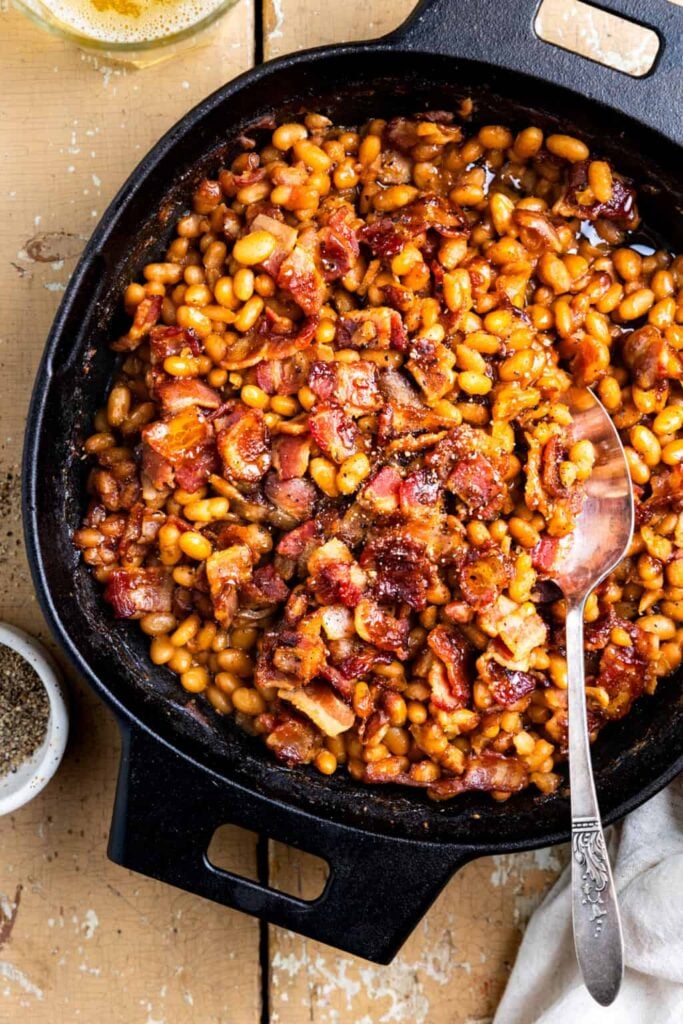
Smoked baked beans make the perfect side dish for any barbecue meal. Start with canned beans to save time and add your own flavors.
The smoker gives beans a rich, smoky taste you can’t get from an oven. Low and slow cooking lets all the flavors mix together well.
Add bacon, onions, and barbecue sauce to boost the flavor. Some people like to include jalapeños for heat.
These beans pair great with ribs, pulled pork, or brisket.
20. Smoked Mac and Cheese
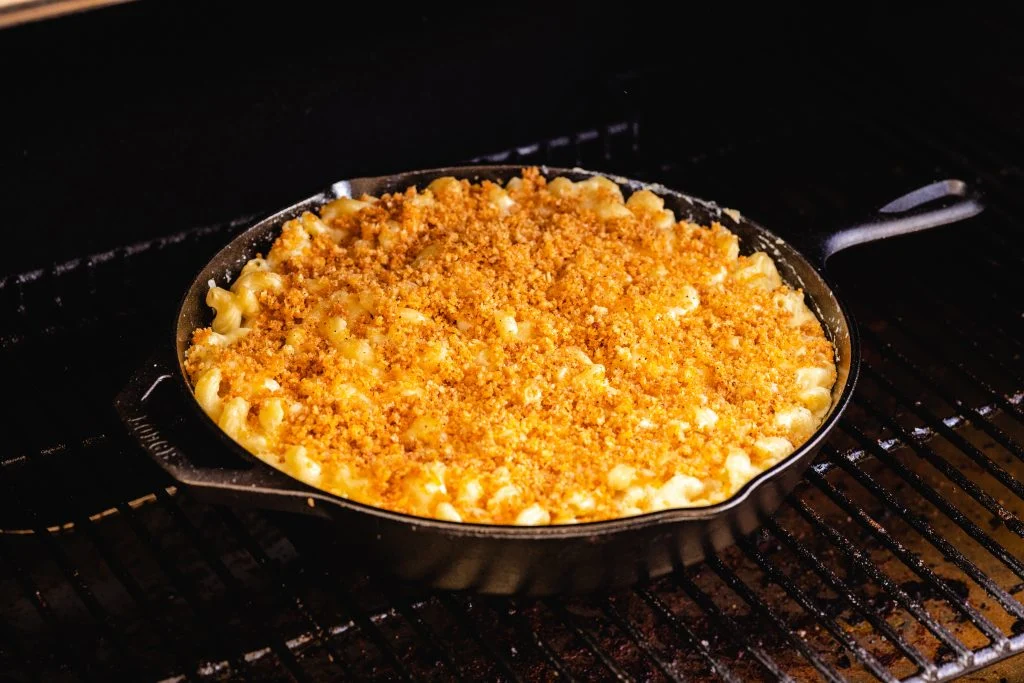
Smoked mac and cheese brings rich, smoky flavor to this classic comfort food. Cook it low and slow at 225-250°F to let the smoke penetrate the pasta.
Most recipes use multiple cheeses like cheddar and pepper jack. The creamy cheese sauce coats every noodle perfectly.
Make it using the dump-and-smoke method where everything cooks in one pan on the smoker. Top it with panko breadcrumbs for extra crunch.
This dish works great as a BBQ side.
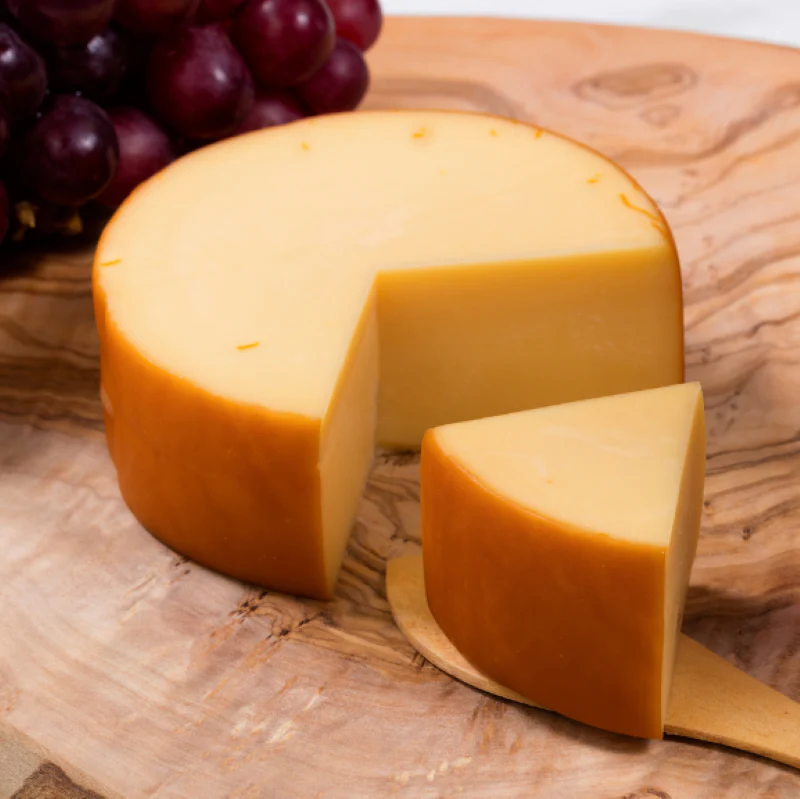
21. Smoked Gouda Cheese
Smoking Gouda cheese creates a rich, creamy treat with deep smoky flavor. You can make this impressive cheese at home using your smoker.
Start with fresh Gouda blocks from the store. Cold smoke the cheese at temperatures below 80°F to prevent melting.
Use mild wood chips like apple or cherry. The smoking process takes 2-4 hours depending on how strong you want the flavor.
Let the cheese rest wrapped in your fridge for at least 24 hours before eating. Your homemade smoked Gouda works great on crackers, in grilled cheese sandwiches, or melted into mac and cheese.
Mastering Smoking Techniques
Success with smoking comes down to three key skills. You need to pick the right wood for the flavor you want, keep temperatures steady while managing smoke flow, and prepare your ingredients properly before they go on the smoker.
Choosing the Right Wood for Flavor
Different woods create different flavors in your smoked food. Fruit woods like apple and cherry give a mild, sweet taste that works well with chicken and pork.
Hardwoods like oak and hickory create stronger flavors. Oak gives a medium smoke flavor that works with most meats.
Hickory has a bold, bacon-like taste that pairs well with ribs and brisket. Mesquite burns hot and creates an intense flavor.
Use mesquite sparingly or mix it with milder woods. It works best with beef.
Avoid soft woods like pine or cedar. They contain resins that make food taste bad and can be harmful.
Soak wood chips for 30 minutes before using them. This helps them smoke longer instead of burning up quickly.
Temperature Control and Smoke Management
Keep your smoker between 225°F and 250°F for most recipes. This low temperature breaks down tough meat fibers slowly and keeps food moist.
Use a digital thermometer with probes. Put one probe in the thickest part of your meat and one in the smoker to monitor air temperature.
Aim for thin, blue smoke. Thick white smoke means your fire is too cool or your wood is too wet.
Thick white smoke creates bitter flavors. Control airflow with your smoker’s vents.
More air makes the fire hotter. Less air cools it down but can put out your fire completely.
Add wood every 45 minutes to keep steady smoke. Don’t open the smoker door too often because this lets heat escape.
Prepping Meat and Vegetables
Trim excess fat from meat but leave about ¼ inch. This fat melts during cooking and keeps meat moist.
Too much fat prevents smoke from getting into the meat. Apply dry rubs 2-24 hours before smoking.
Salt in the rub pulls out moisture first, then gets absorbed back with the spices. Let meat sit at room temperature for 30-60 minutes before smoking.
Cold meat takes longer to cook and can dry out. Score vegetables like eggplant and squash so smoke can get inside.
Cut dense vegetables into smaller pieces so they cook evenly. Oil vegetables lightly before adding seasonings.
This helps spices stick and prevents sticking to grates.
Pairing and Serving Suggestions
The right sides, sauces, and drinks can make your smoked meats taste even better. These pairings help balance the rich, smoky flavors and create a complete meal.
Recommended Sides and Sauces
Classic barbecue sides work best with most smoked meats. Coleslaw cuts through fatty brisket and pulled pork with its crisp texture and tangy dressing.
Mac and cheese adds creamy comfort to any smoky dish. Baked beans pair perfectly with smoked sausages and ribs.
The sweet and savory flavors match the smoky taste well. Fresh salads help balance heavy smoked foods.
Try a simple green salad or potato salad for lighter options. Cornbread soaks up extra sauce and adds a sweet contrast.
Sauce choices depend on your meat. Tangy vinegar-based sauces work well with pulled pork.
Sweet and thick barbecue sauces complement ribs and chicken. Mustard-based sauces pair great with smoked sausages.
Hot sauce adds heat to any smoked dish if you want more spice.
Drink Pairings for Smoked Dishes
Cold beer is the most popular choice for smoked meats. Light lagers work with chicken and fish.
Darker beers like porters match well with beef brisket and ribs. Wine options include bold reds for beef dishes.
Try Cabernet Sauvignon or Zinfandel with brisket. White wines like Riesling pair nicely with smoked chicken or pork.
Non-alcoholic drinks should be refreshing. Sweet tea balances spicy and smoky flavors.
Lemonade cuts through rich, fatty meats. Iced coffee or cola also work well with barbecue dishes.
These drinks help cleanse your palate between bites.
Frequently Asked Questions
New smokers often have questions about cooking times, meat selection, and expanding beyond basic recipes.
What are some easy smoker recipes for first-time users?
Chicken thighs are perfect for beginners because they cook quickly and stay moist. Set your smoker to 275°F and cook for 1.5 to 2 hours.
Pork shoulder is another great choice for new smokers. It’s hard to overcook and gives you plenty of time to learn temperature control.
Baby back ribs need about 5 hours at 225°F using the 3-2-1 method. Smoked sausages take only 2 hours and don’t require much attention.
Just keep your smoker at 225°F.
Can you suggest some unique and less common recipes for smoking?
Smoked mac and cheese creates a creamy side dish with smoky flavor. Cook it in a cast iron pan for 45 minutes at 225°F.
Try smoking tofu for a vegetarian option. Firm tofu absorbs smoke well when marinated first.
Smoked cocktails add unique flavor to drinks. Smoke the glass or ice cubes before making your drink.
Buffalo cauliflower gives you a spicy, smoky vegetable dish. Smoke whole heads at 250°F for 2 hours.
Smoked chocolate adds depth to desserts. Cold smoke chocolate bars for 30 minutes.
What are some quick smoker recipes that take less than two hours?
Chicken wings cook in 1.5 hours at 275°F. They get crispy skin and smoky flavor quickly.
Fish fillets like salmon take only 45 minutes to 1 hour. Keep the temperature at 225°F for best results.
Smoked shrimp cooks in just 30 minutes at 225°F. Use large shrimp for easier handling.
Vegetables like corn on the cob need only 45 minutes. Wrap them in foil with butter.
Bacon takes 1 hour at 200°F. Thick-cut bacon works better than thin slices.
What is the best way to smoke various meats for optimal flavor?
Beef brisket needs 12-16 hours at 225°F. Wrap it in butcher paper when it reaches 160°F internal temperature.
Pork shoulder should cook at 225°F for 1.5 hours per pound. Pull it when the internal temperature hits 203°F.
Chicken needs higher heat at 275°F to get crispy skin. Cook whole chickens to 165°F internal temperature.
Turkey requires 225°F and takes about 30 minutes per pound. Brine it first for better flavor.
Ribs work best with the 3-2-1 method. Three hours unwrapped, two hours wrapped, one hour unwrapped again.
Can you recommend beginner-friendly pellet smoker recipes?
Pellet smokers make temperature control easier for beginners. Start with pork shoulder because it’s forgiving.
Smoked chicken thighs work well on pellet smokers. Set the temperature to 275°F and cook for 1.5 hours.
Try smoked meatloaf on your pellet smoker. It takes 2 hours at 250°F and stays very moist.
Smoked burgers cook quickly at 350°F for 15 minutes per side. Add cheese in the last 5 minutes.
Fish cooks easily on pellet smokers because of steady temperature control. Salmon takes 45 minutes at 225°F.
Aside from meats, what are some other foods that can be prepared in a smoker?
Vegetables like bell peppers, mushrooms, and zucchini take on great smoky flavor. Cook them for 30-45 minutes at 225°F.
You can cold smoke cheese for 2 hours to add smoky taste. Use hard cheeses like cheddar or gouda.
Smoke nuts like almonds and pecans for 30 minutes. Stir them every 10 minutes.
Pizza cooks well in smokers at higher temperatures around 400°F. The crust gets crispy and slightly smoky.
You can smoke salt to create seasoning blends. Spread coarse salt on a pan and smoke for 2 hours.