
Nigerian food offers rich flavors and unique cooking methods that come from the country’s many different cultures and regions. The dishes use fresh ingredients like rice, yams, plantains, and various spices to create meals that are both filling and tasty.
Each region has its own special recipes that families have passed down for many years. These 21 authentic Nigerian recipes will help you cook traditional dishes in your own kitchen, from popular rice dishes to hearty soups and stews.
You’ll learn about classic favorites like Jollof rice and pepper soup, along with traditional ingredients and cooking methods that make Nigerian food special. Whether you’re new to Nigerian cooking or want to expand your recipe collection, these dishes will give you a taste of Nigeria’s diverse food culture.
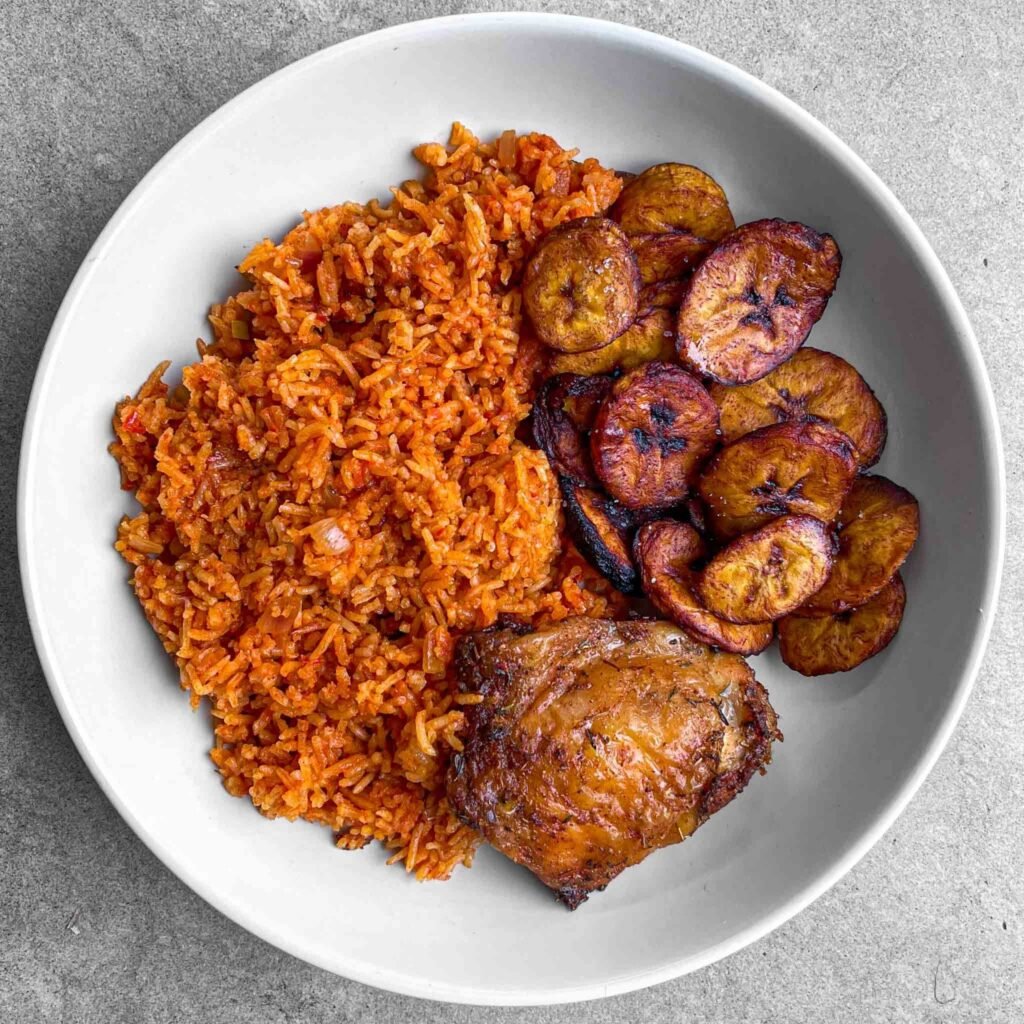
1. Jollof Rice
Jollof rice is Nigeria’s most popular dish. You’ll find it at every party, wedding, and family gathering across the country.
This one-pot meal combines rice with tomatoes, peppers, and spices. The rice cooks slowly in a rich tomato base that gives it a beautiful orange color.
The best jollof rice has a smoky flavor. You can achieve this by using a stainless steel pot or cooking over high heat.
You can serve jollof rice with chicken, beef, or fish. It’s filling, flavorful, and easy to make for large groups.

2. Egusi Soup
Egusi soup is one of Nigeria’s most beloved dishes. You make it using ground melon seeds as the main ingredient.
This rich soup combines meat, fish, and leafy vegetables like spinach. The ground egusi seeds give it a thick, nutty flavor that makes it special.
You can use different proteins like beef, chicken, or goat meat. Many people add dried fish and crayfish for extra taste.
You serve it with rice, pounded yam, or fufu for a complete meal.

3. Pounded Yam
Pounded yam is one of Nigeria’s most popular staple foods. You make it by boiling white yam until soft, then pounding it into a smooth, stretchy dough.
This dish is called “iyan” in western Nigeria. It’s also popular across West Africa with different names.
You can prepare pounded yam the traditional way or use modern methods. Some people use yam flour or food processors to save time.
Pounded yam works best with rich Nigerian soups. You can serve it with egusi soup, bitter leaf soup, or okra soup for a complete meal.
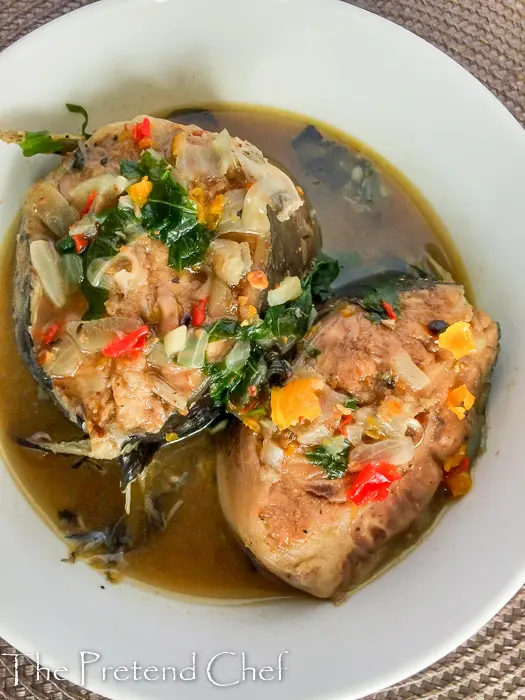
4. Pepper Soup
Pepper soup is one of Nigeria’s most beloved comfort foods. You can enjoy it year-round as a warming dish that fights cold weather and flu symptoms.
This spicy soup combines blended peppers with aromatic spice blends and fresh herbs. You’ll find it served everywhere from street vendors to fancy restaurants across Nigeria.
You can make pepper soup with different meats like goat, beef, chicken, or catfish. The dish works well as an appetizer or a full meal for any occasion.
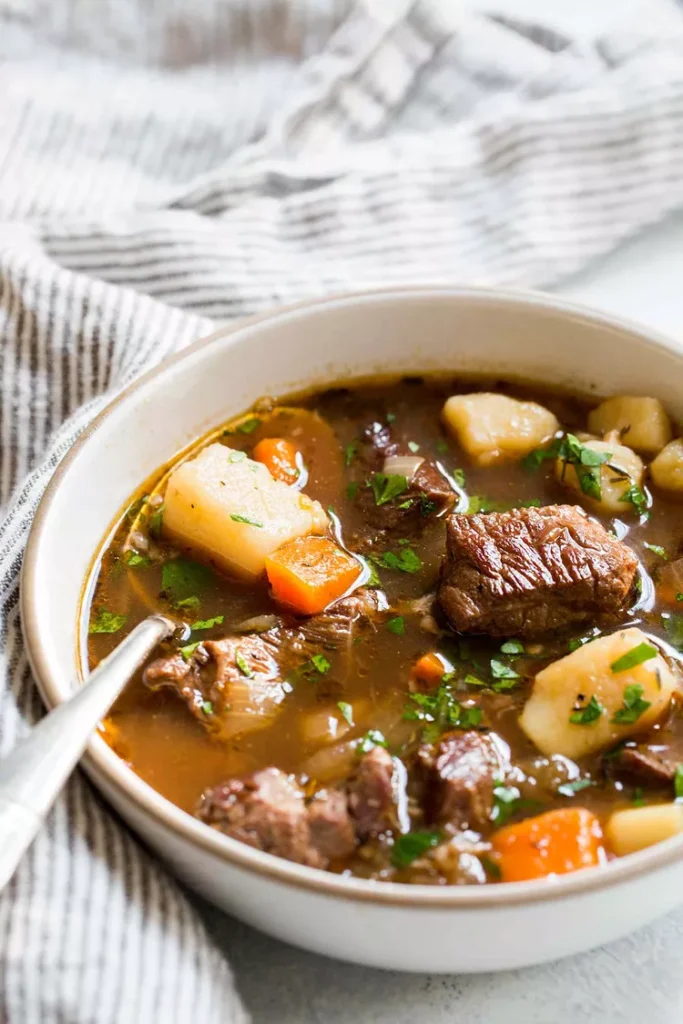
5. Beef Stew
Nigerian beef stew is a rich and flavorful dish that forms the backbone of many meals. You’ll find this tomato-based stew served alongside rice, yams, or plantains.
The best cuts for this stew are tougher, cheaper pieces like chuck roast. These cuts become tender and flavorful after slow cooking.
You should prepare your beef with spices first, then cook it separately before adding to the stew. This gives the meat its own distinct flavor.
The stew gets its signature taste from blended tomatoes, peppers, and onions cooked with beef stock and spices.
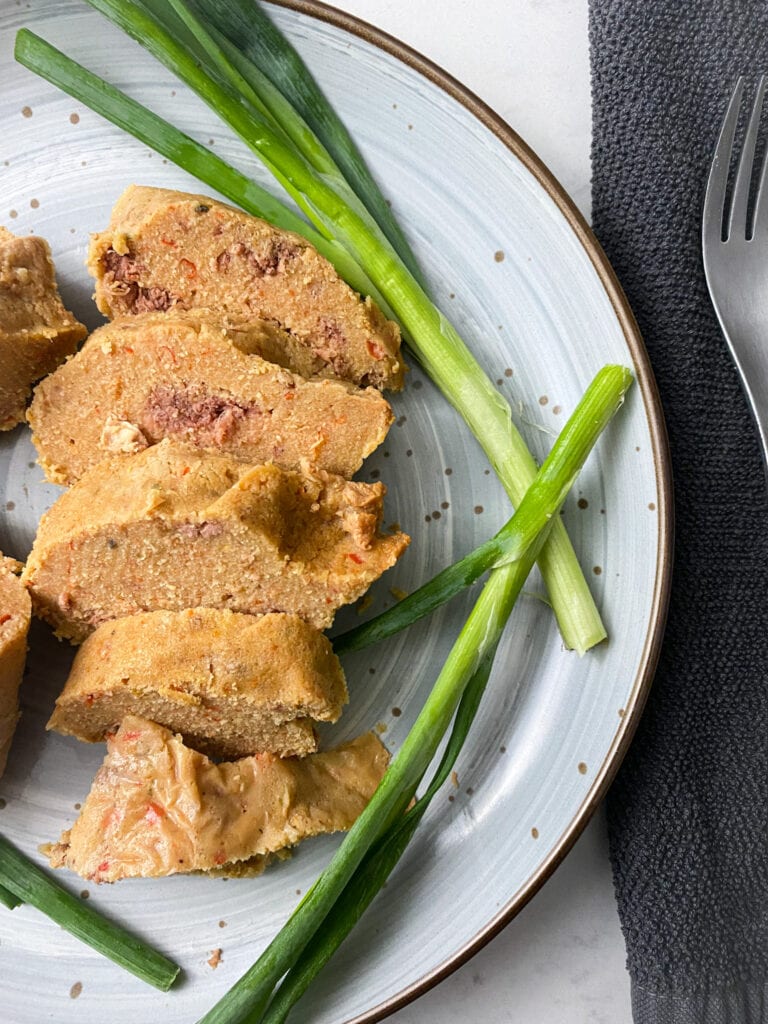
6. Moi-Moi
Moi-Moi is a popular Nigerian steamed bean pudding. You make it with blended black-eyed peas mixed with peppers and onions.
This protein-rich dish works great for breakfast or any meal. You can eat it with pap, custard, or bread.
The beans are peeled, blended smooth, then seasoned with spices. Many people add fish, eggs, or vegetables for extra flavor.
You steam the mixture in containers or leaves until it sets firm. The result is a soft, tasty pudding that fills you up.
7. Amala
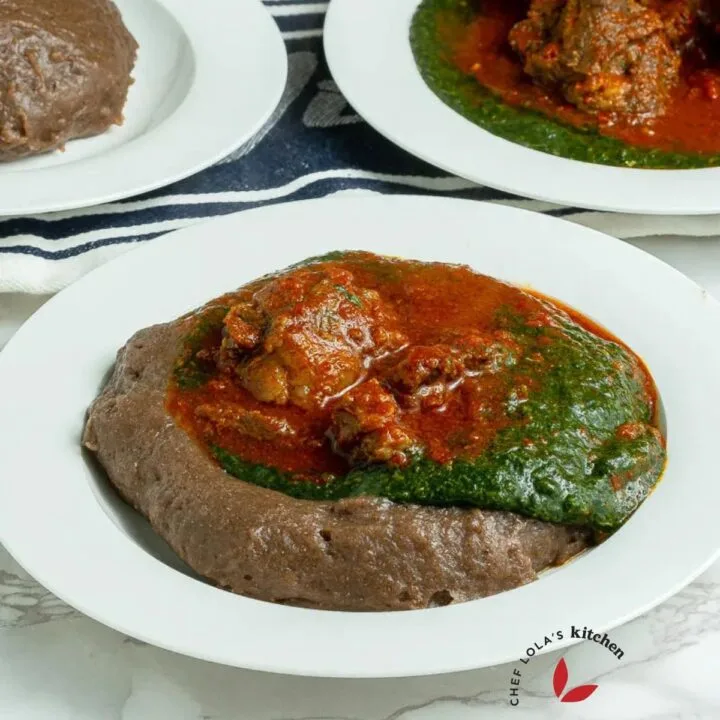
Amala is a traditional Nigerian swallow food popular among the Yoruba people in southwestern Nigeria. You make it using yam flour, cassava flour, or unripe plantain flour.
This dish has a smooth, stretchy texture and brown color. You eat it by pinching small portions with your fingers.
Amala pairs perfectly with Nigerian soups like ewedu, gbegiri, okra soup, and egusi. You can find this staple dish in local restaurants throughout Lagos and Ibadan.
8. Gbegiri Soup
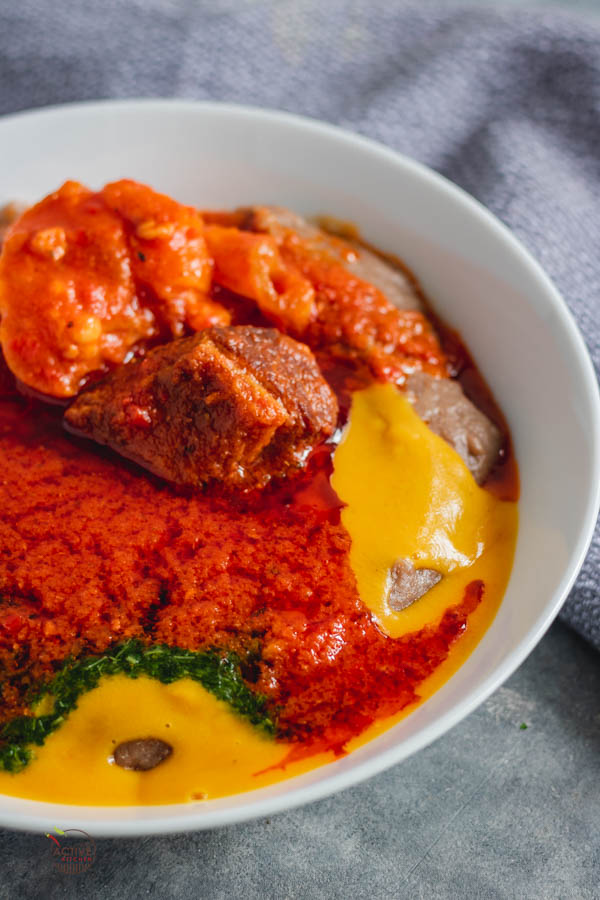
Gbegiri soup is a traditional Nigerian bean soup from the Yoruba people. You make it by cooking and blending brown beans or black-eyed peas into a smooth paste.
This creamy soup has a mild flavor on its own. You typically serve it with ewedu soup and meat stew for a complete meal called abula.
Gbegiri pairs perfectly with Nigerian staples like amala, fufu, or tuwo shinkafa. The soup is easy to prepare and requires minimal ingredients.
9. Ofada Rice and Stew
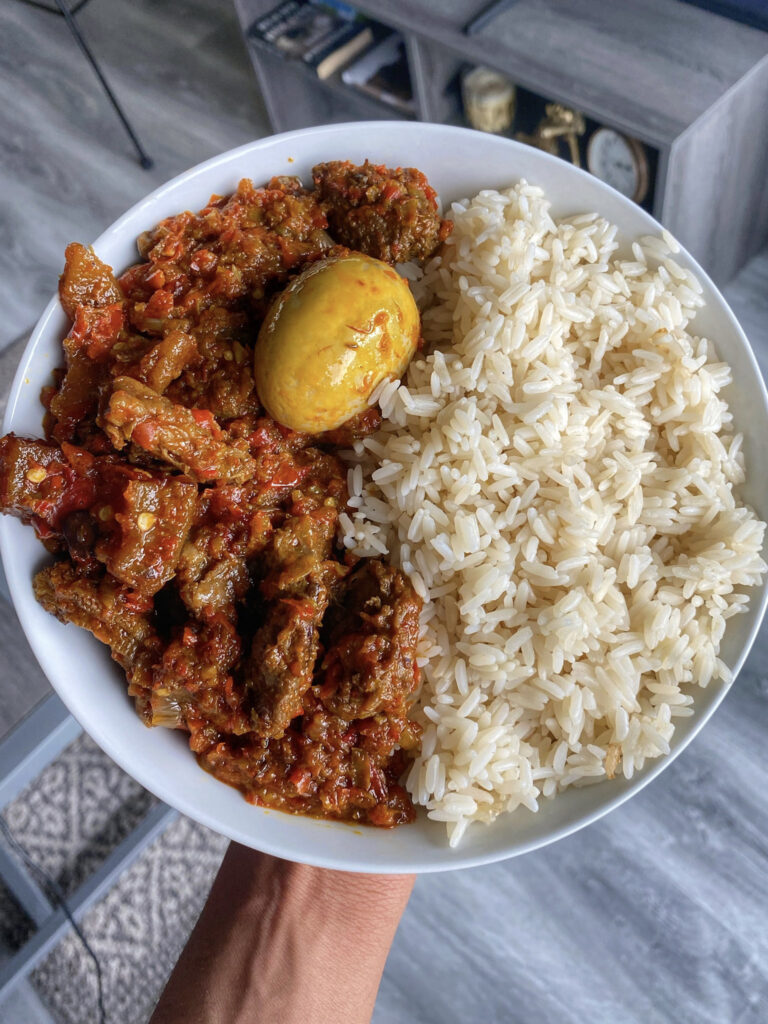
Ofada rice and stew is a traditional Nigerian dish from the Yoruba people in western Nigeria. You’ll find this meal popular throughout Lagos and surrounding areas.
The stew, also called Ayamase, is extremely spicy and hot. It gets its bold flavor from bleached palm oil, fermented locust beans, and smoked dried shrimp.
You can serve this dish with locally grown ofada rice, which has a unique taste and aroma. The unpolished short-grain rice pairs perfectly with the flavorful stew.

10. Fried Rice
Nigerian fried rice combines fluffy long-grain rice with colorful vegetables. You cook the rice separately, then fry it with mixed vegetables like carrots, peas, and green beans.
The dish uses simple spices like curry powder and thyme. You can add chicken, beef, or liver for extra protein.
This one-pot meal works well for parties and family dinners. The vegetables stay crisp while the rice absorbs all the flavors from the seasonings and stock.
11. Efo Riro
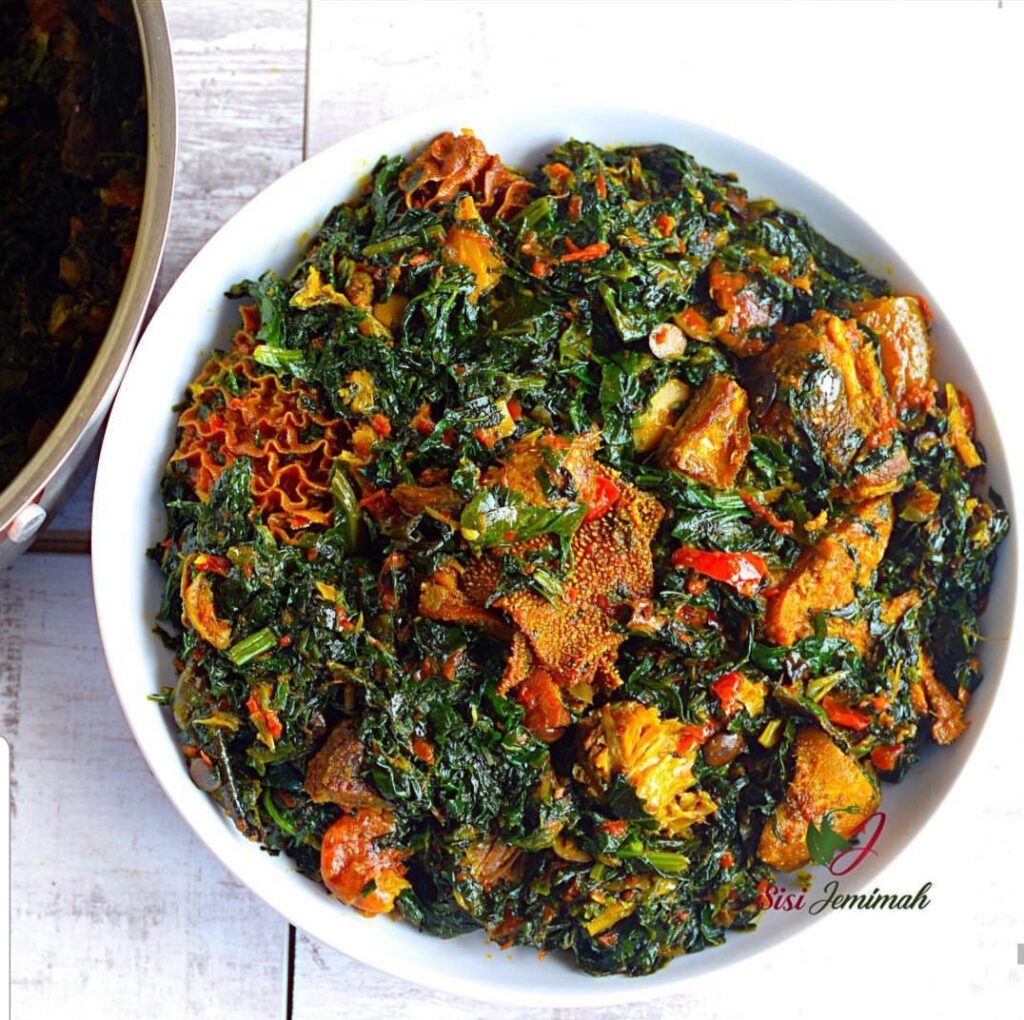
Efo Riro is a popular Nigerian spinach stew from the Yoruba people. The word “efo” means vegetables in Yoruba.
You make this dish with spinach, tomatoes, and red bell peppers. It often includes meat or fish for extra protein.
This green stew is packed with nutrients and bold flavors. The spinach is the main ingredient that gives the dish its color.
You can serve Efo Riro with rice, pounded yam, or amala. It’s one of Nigeria’s most loved vegetable soups.
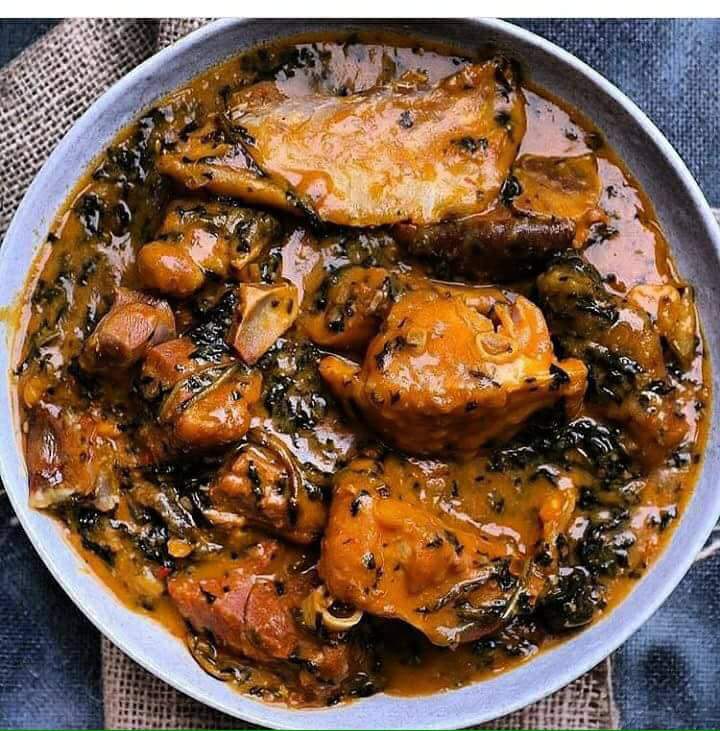
12. Bitterleaf Soup
Bitterleaf soup, called Ofe Onugbu in Igbo, comes from Eastern Nigeria. Despite its name, this soup is not actually bitter when prepared correctly.
You wash and squeeze the bitter leaves until only a slight bitter taste remains. The soup uses cocoyam paste to make it thick and creamy.
You can add different meats like chicken, goat meat, or fish. The bitter leaves balance well with other ingredients to create a rich, flavorful dish.
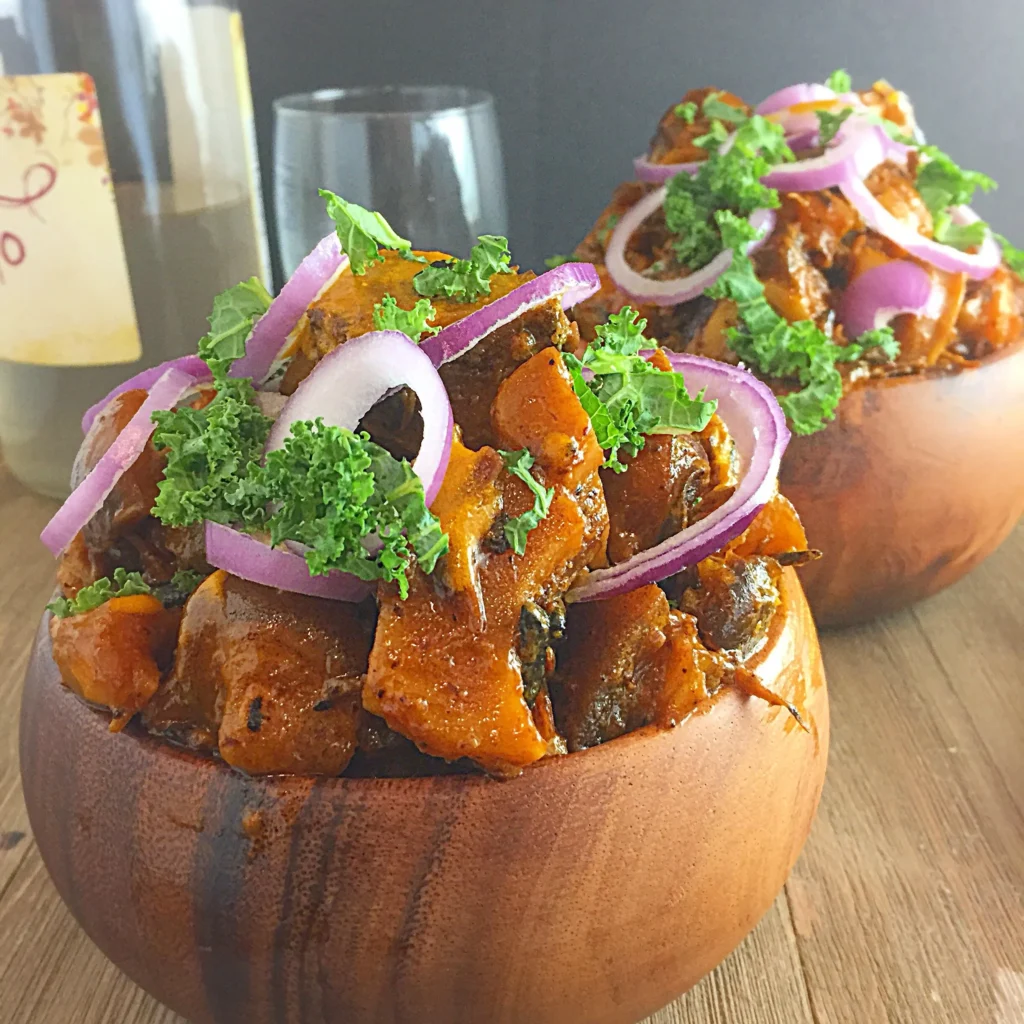
13. Nkwobi
Nkwobi is a spicy Nigerian dish made from cow foot. This popular delicacy comes from the Igbo people of eastern Nigeria.
You cook the cow foot until tender, then serve it in a thick palm oil sauce. The dish gets its kick from spices and peppers.
Many Nigerians enjoy nkwobi at restaurants and beer parlors. You can also make it at home with simple ingredients.
The dish works great for special occasions and gatherings. You typically eat it as a snack with cold drinks.

14. Ofe Nsala (White Soup)
Ofe Nsala is a traditional Nigerian white soup from the Igbo tribe. You make this soup without palm oil, which gives it its white color.
You need goat meat, dried fish, and stockfish as your main proteins. Season the meat with salt and seasoning cubes before cooking.
Add yam to thicken the soup naturally. Fresh pepper, onions, and crayfish give it great flavor.
You can use uyaya spice and ogiri for extra taste. Cook everything together until the meat becomes soft and tender.

15. Suya
Suya is Nigeria’s most popular street food. You’ll find vendors selling these spiced meat skewers at almost every street corner.
This grilled beef dish uses a special spice blend made with peanuts. The meat gets rubbed with spices before cooking over an open flame.
You can make suya with beef, chicken, or other meats. Vendors serve it with sliced onions, tomatoes, and fresh lime juice.
You can recreate this smoky flavor at home using your grill or oven.
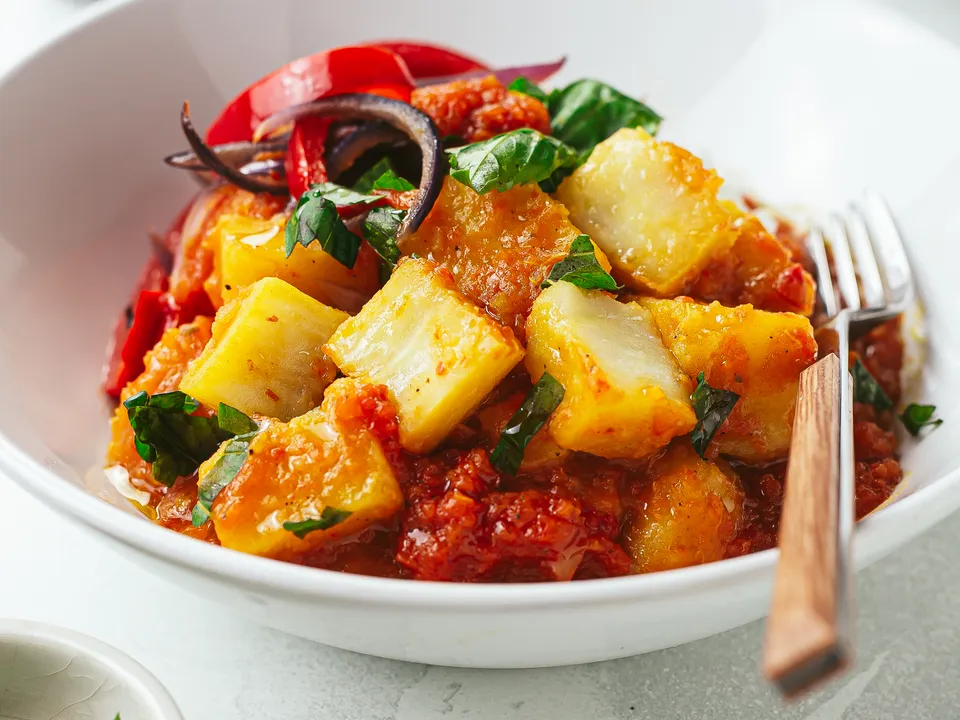
16. Yam Porridge
Yam porridge is a popular Nigerian comfort food you can make in under 30 minutes. You cook soft yam chunks in a rich sauce made with palm oil and peppers.
This dish goes by different names across Nigeria. The Yoruba people call it Asaro, while other regions simply know it as yam porridge.
You can add vegetables, fish, or prawns to make it more filling. The creamy texture of yams mixed with bold flavors creates a satisfying meal for breakfast or lunch.

17. Abacha (African Salad)
Abacha is a popular Nigerian dish from eastern Nigeria. The Igbo people created this tasty salad using cassava flakes as the main ingredient.
You can make this dish in just 15 minutes. The recipe uses shredded cassava, palm oil, and ugba (fermented oil bean seeds).
The salad works as both a meal and a snack. You mix the cassava flakes with palm oil, crayfish, and traditional spices like calabash nutmeg.
This colorful dish has a tangy and spicy flavor. It’s perfect for family gatherings or as street food.

18. Ukodo (Yam Pepper Soup)
Ukodo is a spicy yam pepper soup from the Urhobo people of Delta State. This hearty dish combines yam, unripe plantain, and meat or fish in one pot.
You cook everything together in a spicy broth. The yam and plantain make it thick and filling.
This comfort food works great on cold or rainy days. The spices warm your body and give rich flavors.
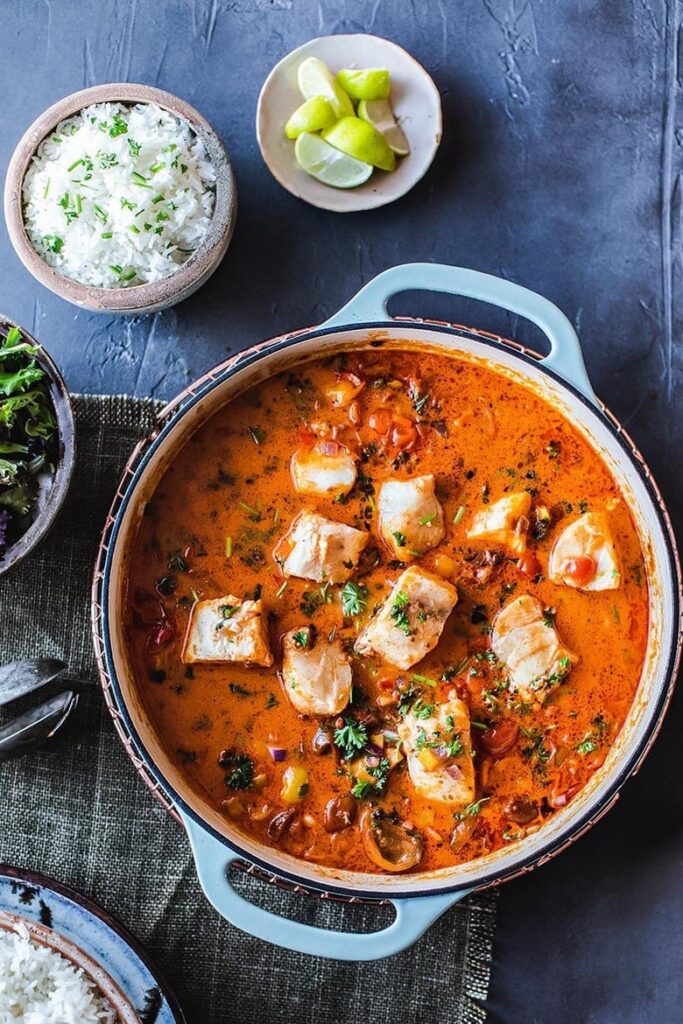
19. Fish Stew
Nigerian fish stew is a rich tomato-based dish that brings bold flavors to your table. You can make it with fresh, fried, or grilled fish like tilapia or hake.
The stew combines fresh tomatoes, peppers, and aromatic spices. You’ll love how the tender fish soaks up all the spicy red sauce.
You can serve this versatile dish with boiled rice, yam, or fried plantains. It also pairs well with Nigerian soups and swallow foods.
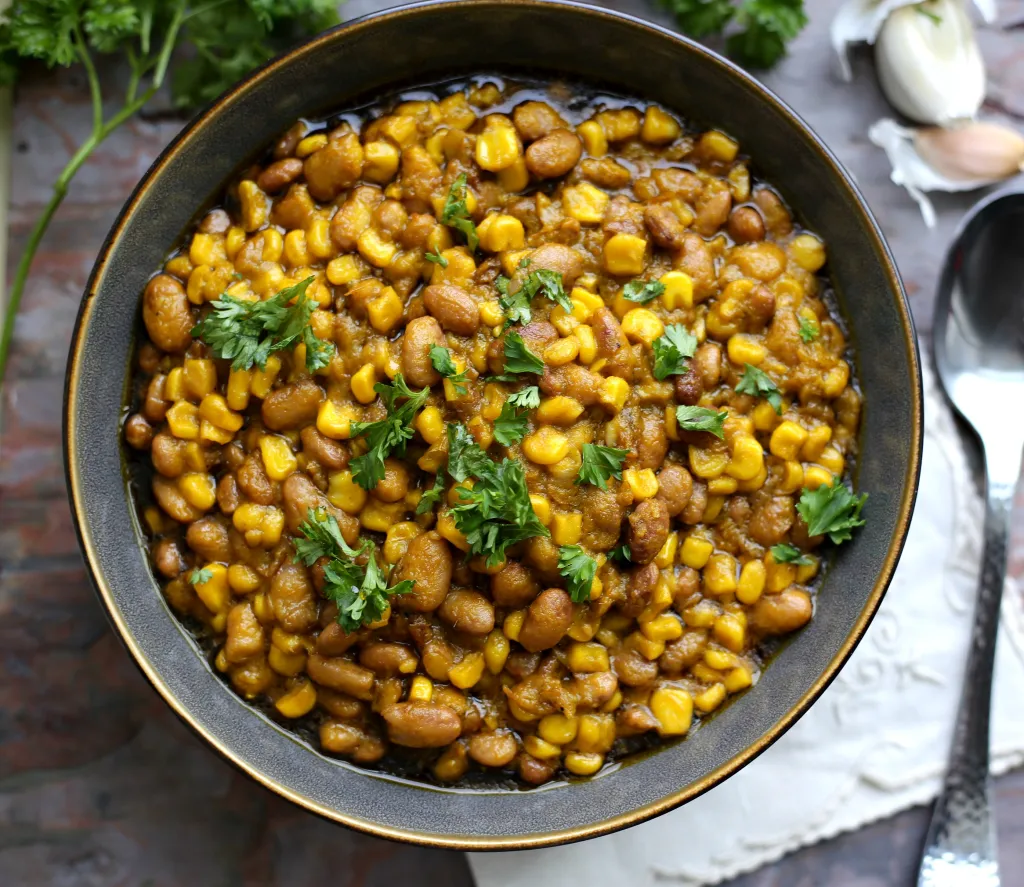
20. Beans and Corn Porridge
Beans and corn porridge is a traditional Nigerian dish known as Adalu in Yoruba. You can also call it “Ewa ati Agbado” in Yoruba or “Agwa na Oka” in Igbo.
This nutritious meal combines beans and corn in one pot. The dish creates a filling and healthy porridge that many Nigerians enjoy.
You cook this dish with simple ingredients like beans, corn, palm oil, and seasonings. The combination gives you protein from beans and carbs from corn.
You can eat beans and corn porridge with garri, bread, or plantain.

21. Okra Soup
Okra soup is a popular Nigerian dish you’ll find across West Africa. You make it with fresh okra, meat, and palm oil.
The soup has a thick texture from the okra. You can add beef, chicken, or fish for protein.
Palm oil gives the soup its rich color and taste. You season it with local spices and vegetables.
You serve okra soup with fufu, pounded yam, or rice.
Traditional Ingredients and Preparation Methods
Nigerian cooking relies on bold spices like scotch bonnet peppers and palm oil, staple foods including yam and cassava, and unique techniques such as smoking and steaming in banana leaves.
Essential Spices and Herbs
Scotch bonnet peppers form the foundation of Nigerian heat and flavor. You’ll find these fiery peppers in most traditional dishes.
They pack serious heat but also deliver fruity notes.
Palm oil gives Nigerian food its signature red color. This oil comes from palm fruit and adds a rich, nutty taste.
You can’t make authentic jollof rice without it.
Locust beans (iru or ogiri) provide deep umami flavors. These fermented beans smell strong but taste amazing in soups and stews.
Curry powder and thyme season many Nigerian dishes. Most cooks use a specific blend that includes turmeric, coriander, and cumin.
Fresh ginger and garlic appear in almost every recipe. You’ll crush these together to make a paste that forms the base for many meals.
Stockfish adds protein and intense flavor to soups. This dried fish comes from Norway but has become essential in Nigerian cooking.
Staple Nigerian Food Components
Yam serves as Nigeria’s most important root vegetable. You can boil it, fry it, or pound it into a smooth dough called pounded yam.
Cassava provides another key starch. Nigerians process it into garri (dried flakes), fufu (smooth paste), or tapioca.
Rice appears in countless Nigerian meals. Long-grain parboiled rice works best for jollof and other traditional dishes.
Plantains offer both sweet and savory options. Green plantains taste starchy while ripe ones become sweet when cooked.
Black-eyed peas create popular dishes like akara (fried bean cakes) and moi moi (steamed bean pudding).
Palm nuts produce both oil and fruit pulp for cooking. The pulp makes banga soup and other regional specialties.
Cooking Techniques Unique to Nigerian Cuisine
Smoking preserves fish and meat while adding deep flavor. Nigerian cooks use wood fires to smoke catfish, mackerel, and beef.
Steaming in leaves creates unique textures and tastes. Banana leaves wrap moi moi and ekpang nkukwo.
Plantain leaves steam other dishes.
Fermentation develops complex flavors in many ingredients. Locust beans ferment for days to create iru.
Palm wine ferments naturally.
Stone grinding breaks down peppers and tomatoes. Traditional grinding stones create smoother pastes than modern blenders.
Clay pot cooking enhances flavors and retains heat well. Many Nigerian families still prefer clay pots for rice and soups.
Parboiling and frying creates the perfect jollof rice texture. You partly cook the rice first, then fry it with spices and stock.
Cultural Significance of Nigerian Cuisine
Nigerian food reflects the nation’s incredible diversity with over 250 ethnic groups contributing unique flavors and cooking methods. Each region brings distinct ingredients and traditions that connect families to their heritage through shared meals and celebrations.
Regional Influences and Specialties
Nigeria’s three main regions each offer distinct culinary traditions that showcase local ingredients and cooking methods.
Northern Nigeria features grains like millet and sorghum. You’ll find dishes like Tuwo Shinkafa (rice pudding) and Suya (spiced grilled meat).
The arid climate shapes their use of dried spices and preserved meats.
Middle Belt regions blend northern and southern influences. Pate combines rice with minced meat and vegetables like spinach and tomatoes.
This area serves as a culinary bridge between different food cultures.
Southern Nigeria relies heavily on root vegetables like yam and cassava. Pounded yam and garri serve as staple foods.
The coastal areas add fresh fish and seafood to their meals.
Each ethnic group within these regions adds their own twist. The Yoruba people created jollof rice.
Igbo communities developed ofe owerri soup. These variations keep Nigerian cuisine rich and diverse.
Role of Food in Nigerian Celebrations
Food plays a central role in every Nigerian celebration and social gathering. You cannot separate Nigerian culture from its food traditions.
Weddings feature elaborate spreads with multiple dishes. Families prepare jollof rice, fried rice, and various soups.
The variety of food shows respect for guests and celebrates the union.
Religious festivals bring communities together through shared meals. During Eid, Muslim families prepare special dishes like masa (rice cakes).
Christian celebrations include traditional favorites alongside modern additions.
Family gatherings revolve around preparing meals together. Women often gather to cook large pots of soup while sharing stories.
This strengthens family bonds and passes recipes to younger generations.
Even funeral ceremonies involve specific food preparations. Communities bring dishes to support grieving families.
This shows how food provides comfort and unity during difficult times.
Nigerian families living abroad recreate these food traditions to maintain their cultural identity. They introduce their heritage to new communities.
Frequently Asked Questions
What are some popular Nigerian dishes for special occasions?
Jollof rice tops the list for Nigerian celebrations and parties. This one-pot rice dish appears at weddings, birthdays, and festivals across the country.
Pounded yam with egusi soup makes another favorite for special gatherings. Families serve this combination during holidays and important events.
Pepper soup often starts formal meals and celebrations. Nigerian cooks prepare it with goat meat, fish, or chicken for guests.
Can you suggest traditional Nigerian soups and how to prepare them?
Egusi soup uses ground melon seeds as the main ingredient. You blend the seeds with palm oil, meat, fish, and leafy vegetables like spinach.
Pepper soup requires dried pepper soup spices, meat or fish, and water. Boil the protein with spices until tender and flavorful.
Okra soup combines fresh okra, palm oil, meat, and seafood. Cook the okra until it becomes thick and slimy in texture.
Which Nigerian street foods should I try, and what makes them unique?
Suya consists of spiced grilled meat on skewers. Street vendors coat beef or chicken with ground peanut spice mix called suya pepper.
Puff puff are sweet fried dough balls. Vendors make them fresh by frying yeasted dough until golden brown.
Boli means roasted plantain sold roadside. Vendors roast ripe plantains over open flames and serve with groundnut sauce.
What are the essential ingredients I need to cook authentic Nigerian meals?
Palm oil gives Nigerian food its signature red color and rich taste. You cannot substitute this oil in traditional recipes.
Nigerian pepper mix includes scotch bonnet peppers, bell peppers, and onions. Blend these together for most stews and soups.
Stock cubes, curry powder, and thyme season most Nigerian dishes. Keep these spices in your kitchen for authentic flavors.
How can I make Nigerian Jollof rice, and what variations exist?
Nigerian jollof rice starts with parboiled long-grain rice. Fry the rice with tomato base, stock, and spices until tender.
Party jollof rice gets cooked over high heat to create smoky flavors. Some cooks add a layer of burnt bottom called “concon.”
You can make jollof rice with chicken, beef, or seafood. Vegetable versions use carrots, green beans, and peas instead of meat.
What vegetarian options are available in Nigerian cuisine?
Moi moi uses black-eyed peas as the main protein. Steam this bean pudding with vegetables and spices in banana leaves.
Plantain dishes like dodo provide sweet vegetarian options. Fry ripe plantains until caramelized and golden.
You can prepare vegetable soups without meat or fish. Add mushrooms, dried fish alternatives, or extra vegetables for protein and flavor.