
Romanian cuisine offers a rich collection of hearty dishes that combine fresh vegetables, tender meats, and bold spices. These recipes come from a culture that values comfort food and family meals.
The cooking style blends influences from neighboring countries while keeping its own special character. Romanian food includes everything from savory soups and grilled meats to sweet desserts and vegetable spreads that you can easily make at home.
You will discover classic dishes like cabbage rolls and cornmeal polenta alongside lesser-known treats like cheese doughnuts and lamb specialties. Each recipe tells a story of Romanian tradition and brings authentic flavors to your kitchen.
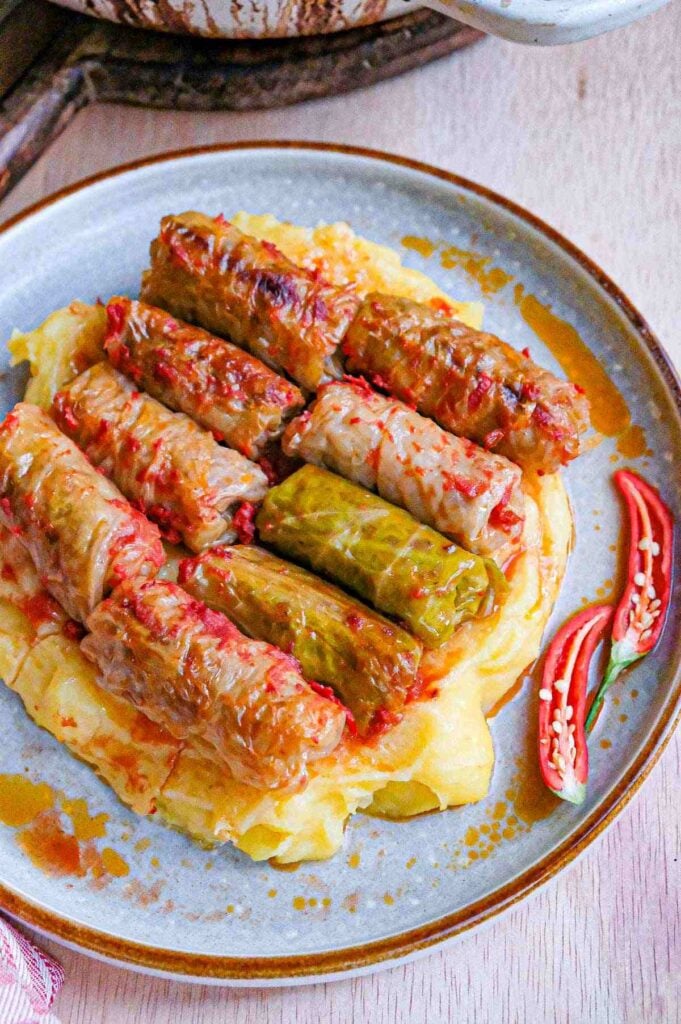
1. Sarmale (Cabbage Rolls)
Sarmale is Romania’s national dish. You make these cabbage rolls with ground pork and rice wrapped in sour cabbage leaves.
The pickled cabbage gives sarmale its unique sour taste. This sets it apart from other cabbage roll recipes you might know.
You cook sarmale slowly in tomato sauce with smoked meat. The long cooking time makes the rolls tender and flavorful.
Romanian families serve sarmale at Christmas dinner and throughout the year. It’s a comfort food that brings people together.

2. Mămăligă (Cornmeal Polenta)
Mămăligă is Romania’s answer to Italian polenta. This simple dish uses just cornmeal, water, and salt.
You cook the cornmeal slowly until it becomes thick and creamy. The process takes about 25 minutes of stirring.
Romanians serve mămăligă with sour cream, fresh cheese, or alongside meat dishes. You can also add butter for extra richness.
This traditional food started as peasant fare but now appears in fine restaurants. The dish works as a side or main course.

3. Ciorbă de burtă (Tripe Soup)
Ciorbă de burtă is Romania’s most famous soup. You’ll find it served at family celebrations and restaurants across the country.
This creamy soup uses beef tripe as the main ingredient. The tripe gets cooked slowly with vegetables and spices.
The soup has a tangy, garlicky flavor. Cooks finish it with sour cream, eggs, and vinegar to create the signature creamy texture.
You need to prepare the tripe carefully. Soak it in water with baking soda for 2-3 hours before cooking.

4. Mici (Grilled Ground Meat Rolls)
Mici are Romania’s beloved grilled meat rolls. These skinless sausages use ground beef, pork, or lamb mixed with garlic and spices.
You shape the meat mixture into small oval rolls. The name “mici” means “small ones” in Romanian.
Grill them at 350 degrees for about 10 minutes per side. The meat should reach a puree-like consistency before shaping.
Serve your mici hot off the grill with mustard and fresh bread. A cold beer makes the perfect pairing for this popular Romanian street food.

5. Papanași (Cheese Doughnuts)
Papanași are Romania’s most beloved dessert. These fried cheese doughnuts use cottage cheese or fresh cow’s cheese in the dough.
You’ll find them shaped like rings with small caps on top. The dough contains cheese, flour, eggs, and a hint of lemon.
After frying until golden, they’re served warm with sour cream and jam. This creates a perfect mix of sweet and tangy flavors.
You can order papanași at almost every Romanian restaurant. They’re crispy outside and soft inside.

6. Cozonac (Sweet Bread with Nuts and Cocoa)
Cozonac is Romania’s beloved sweet bread that families make for Christmas and Easter. This soft, fluffy bread has a rich walnut and cocoa filling swirled throughout.
The dough is similar to brioche or challah but with its own Romanian twist. You’ll find the bread has a gentle sweetness that pairs perfectly with the nutty filling.
Making cozonac takes time and patience. The dough needs proper rising conditions to achieve the light, airy texture that makes this bread special.
Romanian families often serve cozonac at weddings, christenings, and holiday gatherings.

7. Zacuscă (Vegetable Spread)
Zacuscă is Romania’s most popular vegetable spread. You make it by roasting eggplants and red peppers until they’re soft and smoky.
The recipe includes onions, tomatoes, and carrots. These vegetables cook together slowly until they form a thick spread.
You can eat zacuscă on crusty bread or crackers. It also works as a side dish with grilled meats or as a pasta sauce.
This vegan spread has deep, rich flavors from the roasted vegetables. Romanian families often make large batches to preserve for winter months.

8. Tochitură Moldovenească (Pork Stew)
This hearty pork stew comes from the historical region of Moldavia. You’ll find it served in both Romania and Moldova today.
The dish combines different cuts of pork with smoked sausages and bacon. Onions, garlic, and spices add flavor to the mix.
You serve tochitură over polenta with a fried egg on top. Grated cheese and pickled vegetables make perfect sides.
The meat should be tender and juicy when done. This traditional recipe makes a filling main dish for cold days.

9. Salată de Vinete (Eggplant Salad)
You’ll find this smoky eggplant spread on every Romanian table during summer. The dish uses fire-roasted eggplants that get mashed with simple ingredients.
Most recipes include mayonnaise, garlic, and onions. Some cooks use olive oil instead of mayo for a lighter version.
You can serve it as an appetizer with crusty bread. It also works well as a side dish with grilled meats.
The key is properly roasting the eggplant until the skin chars and the flesh becomes creamy.

10. Drob de Miel (Lamb Haggis)
Drob de Miel is Romania’s answer to Scottish haggis. You’ll find this traditional dish on almost every Easter table across the country.
The recipe uses lamb organs like heart and liver mixed with fresh herbs. You combine these with green onions, parsley, and dill for flavor.
Hard-boiled eggs often get added to the mixture. The ingredients are wrapped in caul fat and baked like a meatloaf.
Romanians serve this as an appetizer with fresh vegetables. Each family has their own special recipe that gets passed down through generations.

11. Ciorbă de fasole cu afumătură (Bean Soup with Smoked Meat)
This traditional Romanian soup combines white beans with smoked meat for a hearty meal. You’ll taste the rich, smoky flavors that make this dish special.
The soup uses simple ingredients like dried beans, smoked pork, onions, and carrots. Many families add herbs like thyme and tarragon for extra flavor.
You can make it with smoked bacon, sausage, or pork hocks. The meat cooks slowly to become tender and flavorful.
This comfort food tastes great served hot with fresh bread and green onions on the side.

12. Papanasi cu Smântână și Dulceață (Cheese Pastry with Sour Cream and Jam)
Papanași are Romania’s most beloved fried donuts. You make them with cottage cheese or fresh cow’s cheese mixed into sweet dough.
The traditional shape includes a large round donut with a small ball on top. You fry both pieces until golden brown.
You serve papanași hot with generous amounts of sour cream and jam. Blueberry jam is the classic choice, but you can use your favorite flavor.
These cheese donuts are soft inside and slightly crispy outside. They make a perfect winter dessert for special occasions.

13. Ghiveci (Vegetable Stew)
Ghiveci is a thick vegetable stew that ranks among Romania’s most popular dishes. You can make this hearty meal year-round using seasonal vegetables.
The stew combines fresh vegetables like eggplant, zucchini, bell peppers, carrots, and green beans. Everything simmers slowly in a rich tomato-based sauce with herbs like dill and paprika.
The key to perfect ghiveci is cooking vegetables in the right order. You add potatoes first since they take longer to cook.
Bell peppers go in last to keep their crunch. You’ll often see this dish during Orthodox lent when people avoid meat.
Serve your ghiveci with rice for a complete meal.

14. Plăcintă cu Brânză (Cheese Pie)
You’ll find this cheese pie in homes across Romania. It’s a simple dish made with basic ingredients.
The filling combines feta cheese and cottage cheese. You mix these with eggs and fresh herbs like dill.
You can make two types. The savory version uses feta and scallions.
The sweet version has cottage cheese with raisins. The dough is made with flour, milk, and oil.
Some recipes use puff pastry instead. You bake it until golden brown.
The result is a warm, cheesy pie with soft bread texture.

15. Pasca (Easter Cheese Cake)
Pasca is Romania’s most beloved Easter dessert. You’ll find this sweet treat on every Romanian table during Easter celebrations.
This traditional cake combines sweet bread dough with creamy cheese filling. The cheese used is typically cow’s cheese, which gives it a rich taste.
You can make pasca with ricotta cheese if you can’t find traditional Romanian cheese. Many recipes include raisins in the filling for extra sweetness.
The cake has deep cultural meaning in Romania. Families bake pasca to celebrate Easter after the 40-day fasting period ends.

16. Tocană de vită (Beef Stew)
You’ll love this traditional Romanian beef stew that brings comfort to any meal. The dish uses pan-fried beef cubes cooked slowly with chopped onions and tomato paste.
Paprika gives the stew its signature flavor and color. You add seasonings, water, and simmer everything until the meat becomes tender.
The cooking process takes patience but creates incredibly soft, flavorful beef. You can serve tocană de vită with potatoes, polenta, or pasta for a complete meal.

17. Salată de boeuf (Beef Salad)
You’ll find this popular Romanian salad on holiday tables across the country. It’s served at Christmas and Easter celebrations.
The dish combines cooked beef or chicken with diced potatoes and root vegetables. You add pickles for tang and dress everything with mayonnaise and mustard.
This hearty salad is also called Olivier salad in some regions. You can make it with ingredients you likely have in your kitchen already.

18. Clătite cu Gem (Romanian Crepes with Jam)
Clătite cu gem are thin Romanian crepes filled with sweet jam. You make them with simple ingredients like eggs, milk, flour, and a pinch of salt.
The batter should be smooth and liquid enough to spread easily in the pan. You cook each crepe until golden, then add your favorite jam before folding.
These crepes work great for breakfast or as a sweet snack. You can use any jam flavor you like, though plum jam is especially popular in Romania.

19. Cartofi Țărănești (Rustic Potatoes)
Cartofi țărănești are Romania’s beloved rustic potatoes. You’ll find them served as both a side dish and main course throughout the country.
The recipe combines diced potatoes with sautéed onions and paprika. Many versions include smoked pork or bacon for extra flavor.
You can prepare these potatoes in a pan or bake them in the oven. The cooking process takes about 40 minutes from start to finish.
The potatoes turn golden and crispy on the outside while staying tender inside. You can enjoy them with pickles or a fresh salad.

20. Jumări (Pork Cracklings)
Jumări are traditional Romanian pork cracklings made from pork belly pieces. You fry the fatty pork until it becomes crispy and golden.
These crunchy bites are seasoned with salt or paprika. Romanian families often make them for Sunday meals and holiday gatherings.
You can eat jumări right away while they’re warm and crispy. Many people also preserve them in lard and store them for later use.
They’re a popular street food in Romania that people of all ages enjoy.

21. Saramură de Pește (Grilled Fish in Brine)
Fishermen along the Danube River created Saramură de pește, a traditional Romanian dish. You can make this recipe with different types of fish like carp, perch, or bream.
The cooking method involves grilling the fish first. Some cooks grill it on a bed of salt for extra flavor.
After grilling, soak the fish in a salty brine sauce. This brine gives the dish its name and special taste.
You typically serve this dish with vegetables and polenta on the side.
Key Ingredients and Flavor Profiles
Romanian cooking uses bold ingredients like garlic, paprika, and dill along with staple meats such as pork and beef. Fresh vegetables from local gardens and unique dairy products like telemea cheese create the distinct taste of these dishes.
Traditional Herbs and Spices
Garlic forms the backbone of Romanian cooking. You’ll find it in almost every savory dish, from grilled meats to vegetable stews.
Paprika adds both color and mild heat to many recipes. Sweet paprika is more common than hot varieties in traditional cooking.
Dill appears fresh in summer dishes and dried during winter months. It pairs perfectly with sour cream-based sauces and cucumber salads.
Bay leaves flavor slow-cooked stews and meat dishes. Romanian cooks often use them in cabbage rolls and bean soups.
Other important seasonings include marjoram for meat dishes and thyme in vegetable preparations. Caraway seeds add flavor to cabbage dishes, and black peppercorns are used for general seasoning.
Local Meats and Vegetables
Pork is the most popular meat in Romanian cooking. You’ll use it for sausages, roasts, and traditional dishes like sarmale (cabbage rolls).
Beef appears in hearty stews and grilled preparations. Romanian recipes often call for tougher cuts that become tender through slow cooking.
Chicken is common in pilaf dishes and soups. Romanian cooks prefer whole birds or bone-in pieces for better flavor.
Key vegetables include cabbage for rolls and soups, eggplant for spreads and casseroles, and bell peppers for stuffing. Onions and tomatoes form the base for many sauces.
Root vegetables like carrots, parsnips, and potatoes add substance to winter stews.
Unique Dairy Products
Telemea is Romania’s signature white cheese. This brined cheese has a salty, tangy flavor similar to feta but with a creamier texture.
Smântână is a thick sour cream that’s richer than regular sour cream. You’ll use it in soups, sauces, and as a topping for many dishes.
Brânză de burduf is a strong sheep’s cheese aged in pine bark. It has a sharp, pungent flavor that adds depth to traditional recipes.
Caș is fresh cheese similar to cottage cheese. Romanian cooks use it in sweet and savory preparations, including cheese pies and pancakes.
These dairy products often come from local farms and have stronger flavors than mass-produced versions.
Cooking Techniques and Preparation Tips
Romanian cooking relies on simple methods that bring out natural flavors in ingredients. Clay pot cooking and proper ingredient preparation create authentic taste.
Classic Romanian Cooking Methods
Clay pot cooking is the heart of traditional Romanian cuisine. Use unglazed clay pots for stews and soups. The clay keeps heat evenly and adds earthy flavors to your food.
Slow cooking works best for most Romanian dishes. Cook your sarmale (cabbage rolls) for 2-3 hours on low heat. This makes the flavors blend together well.
Smoking and grilling add deep flavors to meats. Use wood chips like oak or cherry for smoking. Grill meats over medium heat to keep them juicy.
One-pot cooking saves time and makes cleanup easy. Romanian meatball soup takes just one hour to make. You can cook everything in the same pot.
Layering ingredients helps build flavor. Put your meat on the bottom, then vegetables, then spices. Each layer adds to the taste.
Presentation and Serving Suggestions
Serve Romanian dishes family-style on large platters. Put sarmale on a big plate with sour cream on the side.
Garnish with fresh herbs like dill and parsley. Sprinkle them on top of soups and stews right before serving.
Serve bread alongside every meal. Romanian bread soaks up sauces and gravies well. Cut thick slices and put them in a basket on the table.
Keep food warm while serving. Use covered dishes or warming plates.
Save leftovers properly. Most Romanian dishes taste better the next day. Store them in the fridge for up to three days or freeze for later.
Frequently Asked Questions
Romanian cooking can seem complex with dishes like sarmale and ciorbă de burtă. These common questions cover soup basics, party foods, beginner recipes, and classic preparations to help you start cooking Romanian food at home.
What are some traditional Romanian soups and their key ingredients?
Ciorbă de burtă stands as Romania’s most famous soup. It uses beef tripe, vegetables, garlic, and sour cream.
The soup gets its tangy taste from vinegar or fermented wheat bran.
Ciorbă de legume is a vegetable soup made with cabbage, carrots, onions, and tomatoes. You can add beans or potatoes for extra heartiness.
Ciorbă de pui is chicken soup with noodles, vegetables, and fresh dill. It uses chicken pieces, carrots, celery, and onions for the base.
How can one make an authentic Romanian ciorba at home?
Start by making a sour base called borș. You can buy it from Romanian stores or use lemon juice and vinegar as a substitute.
Cook your main ingredient first. For tripe soup, boil the tripe until tender. For chicken soup, simmer chicken pieces with vegetables.
Add the sour base at the end of cooking. Stir in fresh herbs like dill or parsley. Finish with sour cream for richness.
What are the typical dishes served at Romanian parties?
Sarmale takes center stage at Romanian celebrations. These cabbage rolls filled with pork and rice are served with sour cream and polenta.
Mici are grilled meat rolls seasoned with garlic and spices. They appear at almost every Romanian gathering alongside mustard and bread.
Party tables include salată de icre (fish roe spread), salată de boeuf (potato salad with meat), and various pickled vegetables.
Could you provide a list of easy-to-make Romanian dishes for beginners?
Mămăligă is perfect for beginners. You just boil water, add cornmeal, and stir until thick.
Serve it with cheese and sour cream. Ciorbă de legume requires basic chopping skills.
Sauté vegetables, add broth, and simmer until tender. Add lemon juice for the sour taste.
Salată de icre needs only fish roe, oil, and lemon juice. Mix them together and serve on bread as an appetizer.
What is the method for preparing a classic Romanian chicken soup?
Place chicken pieces in a large pot with cold water. Add a whole onion, carrots, and celery stalks.
Bring to a boil and skim the foam. Simmer the chicken for one hour until tender.
Remove the chicken and strain the broth. Shred the chicken meat and return it to the pot.
Add diced vegetables and noodles to the clear broth. Cook for 10 minutes until tender.
Stir in fresh dill and serve hot with lemon juice.
Could you list the names of popular Romanian food items along with their descriptions?
Sarmale are cabbage rolls stuffed with ground pork, rice, and herbs. Cooks prepare them slowly in tomato sauce and serve them with mămăligă and sour cream.
Mici are small grilled sausages made from beef, pork, and lamb. The meat mixture contains garlic, thyme, and coriander for flavor.
Papanași are sweet cheese doughnuts topped with sour cream and jam. The dough uses cottage cheese and people enjoy them as dessert.
Ciorbă de burtă is tripe soup with a creamy, sour taste. It contains beef stomach, vegetables, and garlic, and people serve it with hot peppers and vinegar.