
Asian cooking brings bold flavors and fresh ingredients to your kitchen table. These dishes combine sweet, salty, sour, and spicy tastes in ways that make every meal exciting.
From quick stir-fries to slow-simmered broths, Asian recipes offer something for every skill level and time limit. You can recreate your favorite restaurant dishes at home with simple techniques and ingredients you can find at most grocery stores.
This collection covers popular dishes from countries like Vietnam, Thailand, China, Japan, Korea, India, and the Philippines. You’ll also learn about key ingredients and cooking methods that will help you make authentic-tasting meals in your own kitchen.

1. Vietnamese Pho
Vietnamese pho is a noodle soup with clear, rich broth that takes hours to make. The soup uses rice noodles and tender beef or chicken.
You’ll need beef bones, spices like star anise and cinnamon, and fish sauce for the broth. Fresh herbs, lime, and bean sprouts go on top.
Simmer the broth slowly to create deep flavor. This method makes pho popular worldwide.

2. General Tso’s Chicken
General Tso’s chicken is a favorite Chinese-American dish. You get crispy fried chicken pieces covered in a sweet and spicy sauce.
The sauce combines soy sauce, garlic, ginger, and sugar. Some recipes add rice wine vinegar for extra tang.
You can make this dish at home without deep frying. Pan-frying the chicken works just as well and uses less oil.
The dish is named after a 19th-century Chinese military leader. You’ll often find it served with steamed broccoli at restaurants.

3. Mongolian Beef
Mongolian beef brings restaurant-quality flavor to your kitchen. This Chinese-American dish features tender beef strips in a sweet and savory sauce.
The sauce combines soy sauce, brown sugar, garlic, and ginger. It creates a glossy coating that sticks to the meat perfectly.
You can make this stir-fry in just 30 minutes. Serve it over steamed rice with green onions and sesame seeds on top.

4. Pad Thai
Pad Thai brings together sweet, salty, and tangy flavors in perfect balance. You can make this Thai street food favorite at home in just 30 minutes.
The dish uses rice noodles stir-fried with a homemade sauce. Traditional ingredients include tamarind, fish sauce, and palm sugar.
You’ll find authentic recipes that include bean sprouts, eggs, and peanuts. Many versions work well with chicken, shrimp, or vegetables for different dietary needs.

5. Japanese Ramen
Japanese ramen is a comforting noodle soup that you can make at home. The dish has three main parts: rich broth, fresh noodles, and tasty toppings.
You can choose from different broth styles. Tonkotsu uses pork bones for a creamy base.
Shoyu features soy sauce for a lighter taste. Miso adds fermented soybean paste for deep flavor.
Common toppings include sliced pork, soft-boiled eggs, and green onions. You can also add corn, seaweed, or bamboo shoots.
Making authentic ramen takes time and practice. Start with simple recipes to learn the basics.

6. Korean Bibimbap
Bibimbap is Korea’s famous mixed rice bowl that combines colorful vegetables, marinated beef, and a fried egg. You’ll love how this dish brings together different flavors and textures in one bowl.
The key ingredient is gochujang, a spicy Korean chili paste that adds heat and depth. You can easily customize bibimbap by switching beef for chicken or adding your favorite vegetables.
You just layer seasoned vegetables and protein over steamed rice, then top with the signature fried egg. This nutritious meal is simple to make at home.

7. Thai Green Curry
Thai green curry stands out as one of Thailand’s most famous dishes. You can make this flavorful curry using store-bought green curry paste or create your own from scratch.
The dish combines tender chicken or vegetables with coconut milk and aromatic spices. Fresh basil and Thai chilies add authentic flavor and heat.
You’ll find this curry works well with rice or noodles. It’s naturally gluten-free and easily adapts for vegetarian or vegan diets by swapping protein options.

8. Chinese Dumplings
Chinese dumplings are perfect comfort food you can make at home. They come in many styles like steamed, pan-fried, or boiled.
You can fill them with ground pork, chicken, beef, or vegetables. Popular options include pork and cabbage or shrimp combinations.
Making dumplings is a fun family activity. Many hands make the work go faster when folding the dough.
You can steam them for a soft texture or pan-fry for crispy bottoms. The process takes time but is surprisingly easy to learn.

9. Indian Butter Chicken
You can make this creamy Indian favorite at home in just 30 minutes. The dish features tender chicken pieces in a rich tomato-based sauce.
Butter chicken started in a Delhi restaurant. The chef needed to use leftover tandoori chicken from the night before.
You marinate chicken first, then cook it in a spiced cream sauce. The sauce combines tomatoes, butter, and aromatic spices for deep flavor.
Serve your butter chicken with basmati rice or naan bread to soak up the sauce.

10. Filipino Adobo
Filipino adobo is the national dish of the Philippines. You’ll love its perfect mix of salty, tangy, and sweet flavors.
This one-pot dish uses simple ingredients you likely have at home. Soy sauce, vinegar, garlic, and black peppercorns create the signature taste.
Chicken adobo is the most popular version. The meat becomes tender while soaking up the rich sauce.
You can serve adobo over warm rice for a complete meal. The dish pairs perfectly with steamed vegetables or fried rice.

11. Chinese Char Siu
Char siu is Chinese BBQ pork with sweet and salty flavors. This Cantonese dish has a shiny glaze that makes it look amazing.
You marinate pork in soy sauce, honey, and Chinese spices. The same mixture becomes the glaze while cooking.
You can make authentic char siu in your oven at home. It tastes just like restaurant versions but costs much less.
The pork comes out tender and juicy. You can eat it alone or use it in other Asian dishes.

12. Japanese Sushi Rolls
Japanese sushi rolls bring fresh flavors and textures to your table. You can make these tasty treats at home with sushi rice, nori seaweed, and your favorite fillings.
Start with classic California rolls filled with crab, avocado, and cucumber. Try spicy tuna rolls for more heat.
You can add tempura for crunch or experiment with vegetables like carrots and bell peppers. Making sushi at home lets you customize ingredients to your taste.

13. Korean Kimchi Stew
Kimchi jjigae is Korea’s ultimate comfort food. You make this hearty stew with aged kimchi that’s too sour to eat alone.
The stew cooks in under 30 minutes. You get deep, rich flavors from the fermented kimchi.
You can add pork, tofu, or other proteins. The red broth is spicy, tangy, and warming.
Serve it with rice for a complete meal that satisfies.
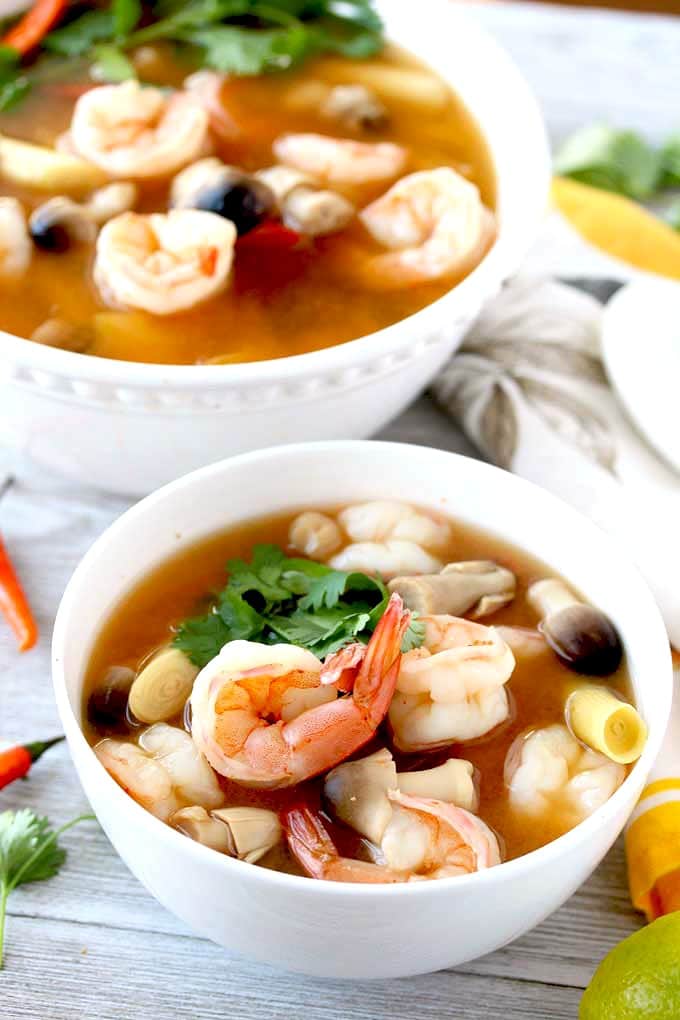
14. Thai Tom Yum Soup
You can make this famous Thai soup at home with simple ingredients. Tom Yum combines spicy, sour, and aromatic flavors in one bowl.
The soup uses lemongrass, kaffir lime leaves, and galangal as its base. You add fish sauce, chilies, and lime juice for the signature taste.
Most versions include shrimp, but you can use mushrooms instead. The soup comes in two styles: clear broth or creamy with coconut milk.
You can prepare authentic Tom Yum in about 30 minutes. This gluten-free soup delivers bold Thai flavors that match restaurant quality.

15. Vietnamese Banh Mi
Banh mi is a Vietnamese sandwich that combines French and Asian flavors. The word “banh mi” means bread in Vietnamese.
You’ll find a crusty baguette filled with savory meats like pork or chicken. The sandwich includes pickled vegetables, fresh herbs, and spicy chili sauce.
The bread should be crispy outside and soft inside. Don’t overstuff your banh mi with meat.
A good ratio is equal parts protein to vegetables for the best balance.

16. Chinese Hot and Sour Soup
This traditional Chinese soup balances tangy and spicy flavors perfectly. You’ll taste the sourness from vinegar and the heat from white pepper.
The soup has a thick, glossy broth. It contains tofu, mushrooms, and sometimes eggs or meat.
You can make this soup quickly at home. It takes about 20 minutes from start to finish.
The dish is both comforting and light. Many Chinese restaurants serve this popular soup as a starter or main dish.

17. Indian Samosas
Indian samosas are crispy triangular pastries filled with spiced potatoes, peas, and onions. The outer shell is made from flour dough that becomes flaky when fried.
You can make the filling by cooking diced potatoes with cumin, coriander, and green chilies. The dough needs flour, oil, salt, and water mixed together.
Roll the dough thin, cut into circles, then fold into cones. Fill with potato mixture and seal the edges.
Fry in hot oil until golden brown and crispy. Serve hot with mint or tamarind chutney for dipping.

18. Filipino Pancit
Filipino pancit is a stir-fried noodle dish that brings families together. You’ll find this colorful meal at birthdays and celebrations across the Philippines.
The dish uses thin rice noodles mixed with vegetables and meat. You can add chicken, pork, or shrimp to make it filling.
Pancit takes about 30 minutes to make. You cook everything in one pan, making cleanup easy.
The noodles symbolize long life in Filipino culture. You’ll taste soy sauce and chicken broth that give pancit its rich flavor.

19. Japanese Tempura
Japanese tempura transforms simple ingredients into crispy golden perfection. You dip fresh vegetables, shrimp, or chicken in light batter and fry them quickly.
The secret is the delicate batter made with cold water and flour. This creates a crunchy coating that stays light, never heavy or greasy.
You can serve tempura with tentsuyu dipping sauce or simple salt. Fresh steamed rice makes the perfect side dish for this classic Japanese comfort food.

20. Chinese Hot Pot
Chinese hot pot is an interactive meal where you cook raw ingredients in simmering broth at the table. You sit around a pot with friends and family to share the experience.
The broth can be spicy Szechuan style or mild Cantonese herbal. You add thin slices of meat, seafood, vegetables, tofu, and noodles to cook quickly in the hot liquid.
You can make hot pot at home easily. It’s cheaper than restaurants and perfect for cold weather gatherings.

21. Korean Japchae
Korean japchae is a classic stir-fried noodle dish that combines sweet potato glass noodles with colorful vegetables. The noodles have a chewy texture that soaks up flavors perfectly.
You’ll find beef, spinach, carrots, onions, and mushrooms mixed throughout. The dish gets its signature taste from a sweet and savory sauce made with soy sauce and sesame oil.
Japchae works well as a main dish or side dish. You can serve it warm or at room temperature, making it perfect for parties and gatherings.
Essential Ingredients for Asian Cooking
Having the right ingredients in your kitchen makes authentic Asian cooking simple and enjoyable. Key items include rice, noodles, soy sauce, sesame oil, garlic, and ginger that appear in dishes across different Asian cuisines.
Staple Pantry Items
Rice forms the base of most Asian meals. Keep jasmine rice for Thai dishes and short-grain rice for Japanese cooking.
Noodles come in many varieties. Stock rice noodles for Vietnamese pho, ramen noodles for Japanese soups, and wheat noodles for Chinese stir-fries.
Oils are essential for cooking. Use vegetable oil for high-heat stir-frying. Add sesame oil at the end for a nutty flavor.
Vinegar brings acidity to recipes. Use rice vinegar in most Asian dishes and black vinegar to add depth to Chinese recipes.
Cornstarch thickens sauces and creates crispy coatings for fried foods. Mix it with water before adding to hot dishes.
Sugar balances flavors in Asian cooking. Use palm sugar for Thai dishes and regular white sugar for most other recipes.
Sauces and Condiments
Soy sauce appears in almost every Asian cuisine. Light soy sauce adds salt without dark color, while dark soy sauce provides rich color and deeper flavor.
Fish sauce gives umami depth to Southeast Asian dishes. Add a little to Vietnamese, Thai, and Filipino recipes.
Oyster sauce adds sweet and salty flavor to Chinese stir-fries. Pair it with beef and vegetable dishes.
Hoisin sauce provides sweet and tangy flavor. Use it in marinades or as a dipping sauce for spring rolls.
Chili garlic sauce adds heat and flavor. Sriracha works as a substitute, so keep both on hand for different spice levels.
Miso paste brings umami to Japanese dishes. White miso tastes mild and sweet, while red miso has stronger, saltier flavor.
Fresh Herbs and Aromatics
Garlic and ginger form the base of most Asian dishes. Buy fresh roots and store them in the refrigerator. Mince them finely for best flavor.
Scallions add mild onion flavor and bright color. Use both white and green parts as garnish or a cooking ingredient.
Cilantro appears in many Southeast Asian dishes. The leaves add fresh flavor to Vietnamese pho and Thai curries.
Thai basil has a different flavor than regular basil. It tastes slightly spicy with hints of anise. Regular basil works as a substitute.
Lemongrass adds citrus flavor to Thai and Vietnamese dishes. Remove tough outer layers and use only the tender inner part.
Lime leaves provide aromatic flavor to Thai curries and soups. Remove the thick center vein before using.
Techniques to Master Authentic Asian Flavors
High heat cooking and proper timing create the foundation of most Asian dishes. The right balance of core flavors transforms simple ingredients into complex, restaurant-quality meals.
Stir-Frying Tips
Heat your wok or pan until it smokes before adding oil. This creates the wok hei or “breath of the wok” that gives authentic stir-fries their distinctive smoky flavor.
Use oils with high smoke points like peanut or vegetable oil. Add sesame oil at the end for flavor rather than cooking.
Cut all ingredients into uniform sizes before you start cooking. Stir-frying happens fast, and uneven pieces cook at different rates.
Cook ingredients in the right order:
- Aromatics (garlic, ginger) first – 10-15 seconds
- Proteins next – until nearly cooked
- Hard vegetables (carrots, broccoli stems)
- Soft vegetables (leafy greens, bean sprouts) last
Keep ingredients moving constantly in the pan. Use a spatula or wooden spoon to toss and flip everything quickly.
Steaming Methods
Set up a bamboo steamer or metal steamer basket over boiling water. Make sure the water does not touch the bottom of the steamer.
Line steamer baskets with cabbage leaves or parchment paper. This prevents food from sticking and adds subtle flavor.
Steam fish and seafood for 8-10 minutes per inch of thickness. Vegetables need 3-5 minutes depending on size.
Stack multiple bamboo steamer levels to cook different foods at once. Place items that need longer cooking times on the bottom level.
Check water levels during longer steaming sessions. Add more hot water if needed to maintain steady steam.
Test doneness with a knife tip or chopstick. Fish flakes easily when done, and vegetables should be bright in color and tender-crisp.
Balancing Sweet, Salty, Sour, and Umami
Start with umami as your base flavor. Use soy sauce, fish sauce, or miso paste to build depth in your dishes.
Add sweetness with palm sugar, brown sugar, or mirin. These create better balance than white sugar and add complexity.
Sour elements come from rice vinegar, lime juice, or tamarind paste. Add these gradually and taste as you go.
Salt levels should enhance other flavors without overpowering them. Use light soy sauce for saltiness while maintaining clean taste.
| Flavor | Common Sources | When to Add |
|---|---|---|
| Umami | Soy sauce, fish sauce, miso | Early in cooking |
| Sweet | Palm sugar, mirin | Mid-cooking |
| Sour | Rice vinegar, lime juice | End of cooking |
| Salty | Light soy sauce | Throughout cooking |
Taste your dish multiple times during cooking. Adjust flavors in small amounts until you achieve the right balance for your preference.
Frequently Asked Questions
These common questions cover pasta fusion techniques, authentic Japanese dishes, and reliable recipe sources.
What are the top Chinese spaghetti twists to traditional Italian recipes?
Chinese-style spaghetti uses soy sauce instead of tomato-based sauces. Add oyster sauce and sesame oil to create an umami-rich base.
Try adding Chinese vegetables like bok choy or snow peas. Use garlic, ginger, and scallions as aromatics instead of basil and oregano.
Black bean sauce creates another popular variation. Mix it with ground pork or beef for a hearty Chinese pasta dish.
How do you prepare an authentic beef sauce for Asian-style pasta dishes?
Marinate thin beef slices in soy sauce and cornstarch to keep the meat tender during cooking.
Heat oil in a wok or large pan over high heat. Cook the beef quickly until just done, then remove it from the pan.
Make your sauce with soy sauce, oyster sauce, and a touch of sugar. Add the beef back to the pan and toss everything together with cooked noodles.
What is the secret to making a flavorful pork gyudon at home?
Use thinly sliced pork belly or shoulder. Cut the meat against the grain for tender bites.
Cook onions until they’re soft and sweet to create the base flavor for your gyudon sauce.
Use a mix of soy sauce, mirin, and sake for authentic taste. Add a little sugar to balance the saltiness.
What variations can you make to gyudon by incorporating cheese into the recipe?
Melted cheese on top creates a fusion-style gyudon bowl. Use mild cheeses like mozzarella or cheddar that won’t overpower the dish.
Add the cheese during the last minute of cooking. This prevents it from becoming tough or stringy.
Some people mix cream cheese into the sauce itself. This creates a creamy texture similar to carbonara pasta.
Can you recommend some beginner-friendly recipes from The Woks of Life blog?
Their fried rice recipes are perfect for new cooks. You only need basic ingredients like eggs, soy sauce, and leftover rice.
Simple stir-fry dishes work well too. Start with chicken and broccoli or beef and snow peas.
Their dumpling recipes include step-by-step photos. This makes the folding process much easier to follow.
What is a simple yet traditional Japanese dish that I can make at home?
Teriyaki chicken is one of the easiest Japanese dishes to master. You only need chicken, soy sauce, mirin, and sugar.
Onigiri rice balls require just rice and simple fillings. Try tuna mayo or pickled plum for authentic flavors.
Miso soup takes less than 10 minutes to make. Use instant dashi powder and miso paste for the quickest version.