
African cuisine offers some of the world’s most exciting flavors and cooking styles. The continent spans many countries, each with its own food traditions passed down through generations.
From spicy West African stews to aromatic North African soups, these recipes showcase the rich diversity found across Africa. You can explore authentic African dishes right from your own kitchen with traditional recipes that bring bold spices, unique ingredients, and time-tested cooking methods to your table.
These foods range from hearty rice dishes and flavorful grilled meats to comforting soups and fermented breads. Each recipe tells a story about the people and culture that created it, giving you a taste of Africa’s culinary heritage.
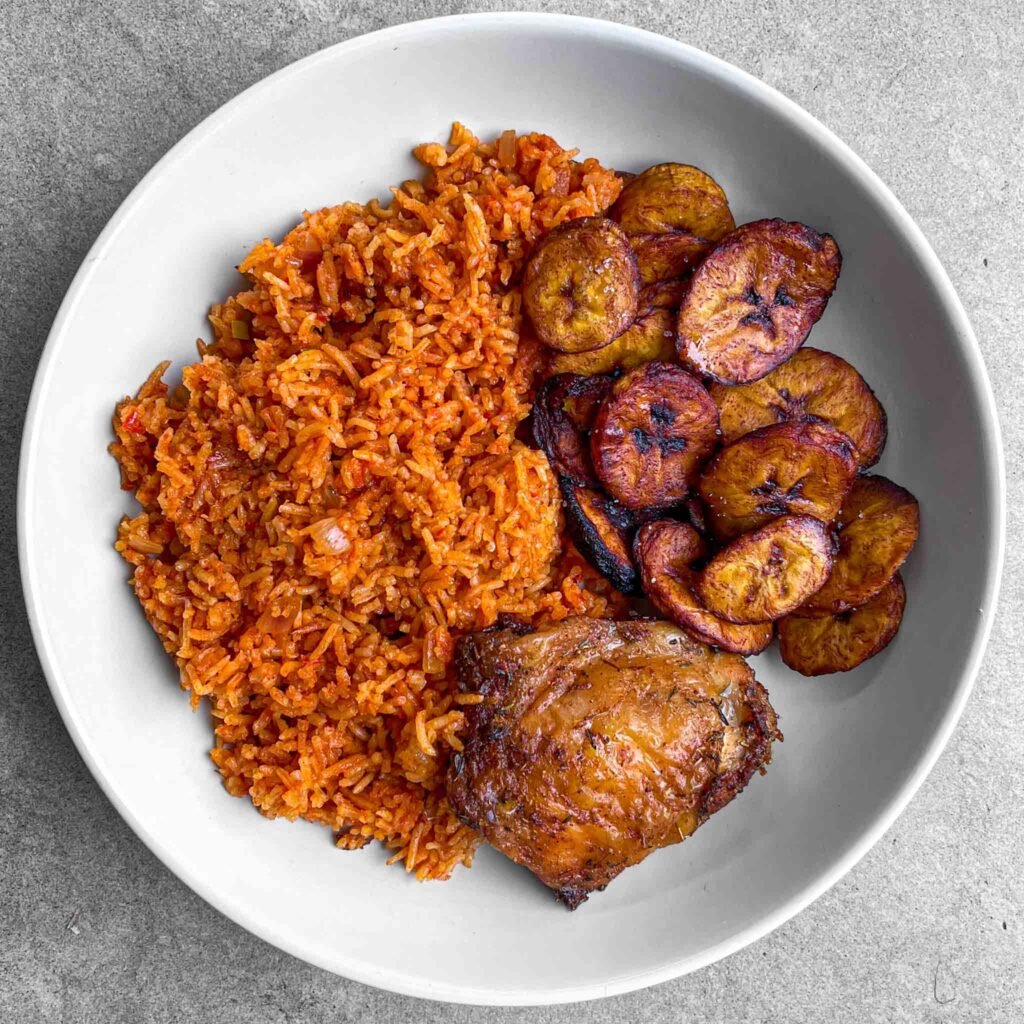
1. Jollof Rice
Jollof rice is West Africa’s most famous dish. You’ll find it at every celebration and family dinner across the region.
This one-pot meal combines rice with tomatoes, onions, and peppers. The rice absorbs rich flavors from these ingredients as it cooks.
Each country has its own version. Nigerian jollof tends to be smokier, while Senegalese versions may include fish or vegetables.
You can serve jollof rice as a main dish or side. It pairs perfectly with fried plantains or fresh salad.
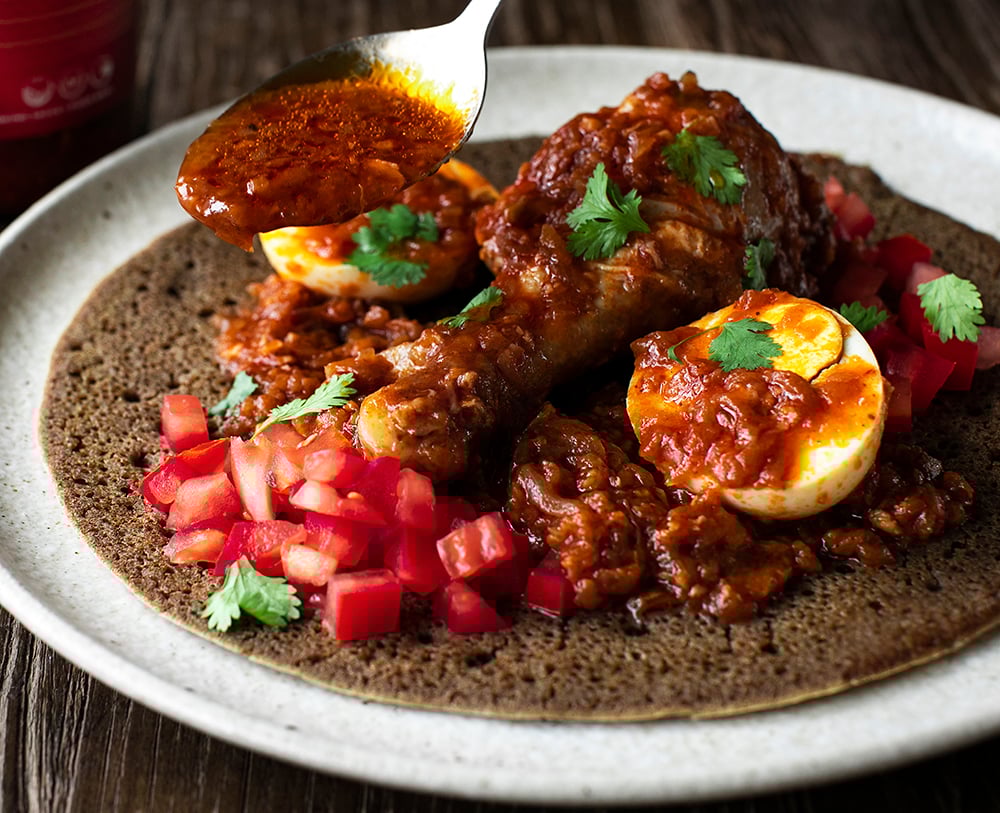
2. Injera with Doro Wat
You’ll discover Ethiopia’s national dish combines two amazing components. Injera is a spongy, sour flatbread made from teff flour that serves as both plate and utensil.
Doro wat is a rich chicken stew cooked with berbere spice blend and onions. The dish includes hard-boiled eggs and takes hours to develop its deep flavors.
You eat this meal with your hands, tearing off pieces of injera to scoop up the stew. Ethiopian families share this dish from one large platter, making it a communal dining experience.
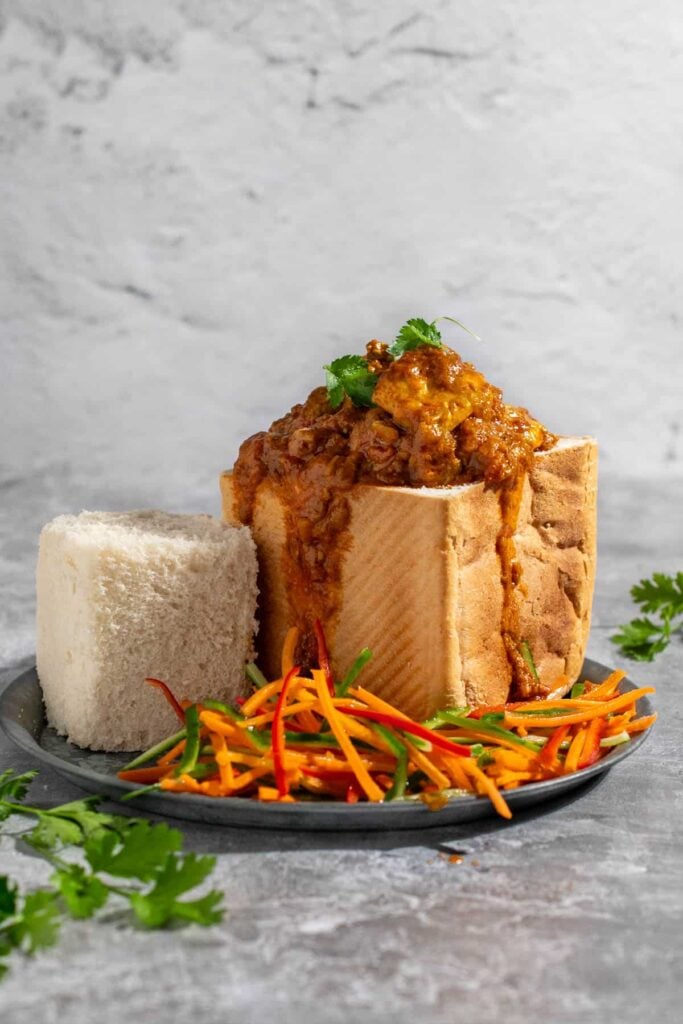
3. Bunny Chow
Bunny Chow is a popular South African street food from Durban’s Indian community. You get a hollowed-out bread loaf filled with spicy curry.
The dish uses beef, chicken, or lamb curry with aromatic spices. Chickpeas and potatoes often join the mix.
You eat it by using the scooped-out bread pieces to mop up the curry. This makes it a complete handheld meal.
The name comes from “bania,” referring to Indian traders, plus “chow” meaning food. It started as convenient takeaway food in the 1800s.
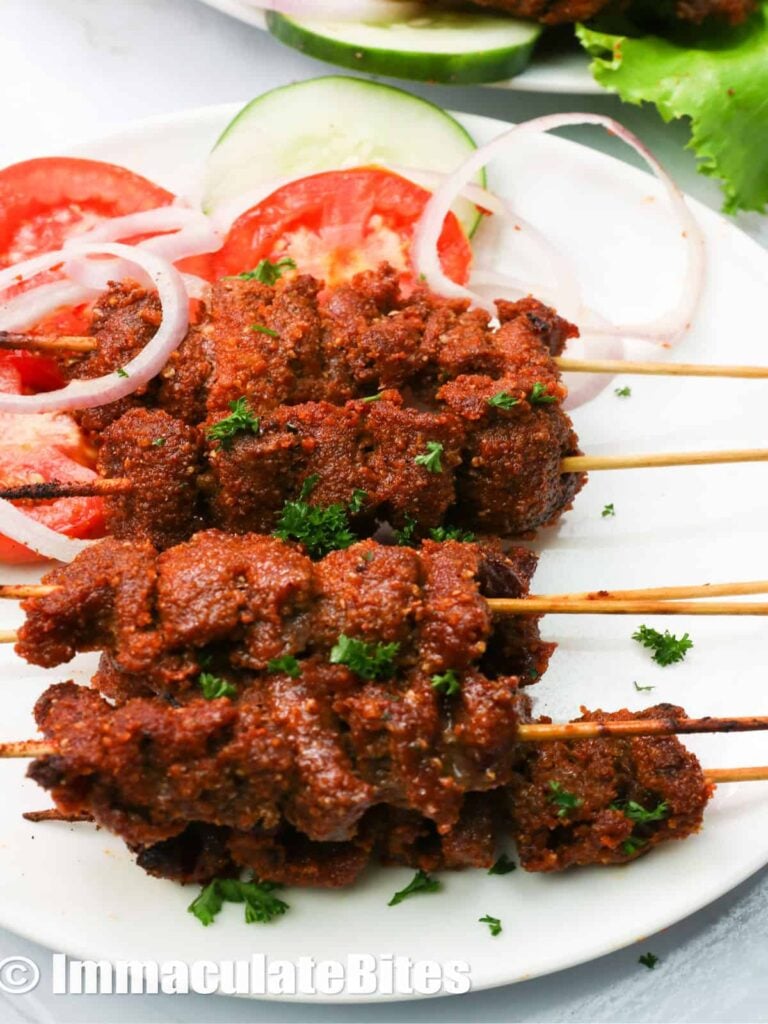
4. Suya
Suya is West Africa’s most beloved street food. You’ll find these spiced beef skewers grilled over open flames by roadside vendors across Nigeria.
The meat gets marinated in a spicy peanut-based sauce called yaji. This creates the dish’s signature smoky and nutty flavor.
You can make suya with beef, chicken, or goat meat. The thin slices cook quickly on skewers over high heat.
Fresh onions, tomatoes, and lime juice are served alongside the grilled meat. This combination makes suya perfect for parties or evening snacks.

5. Tagine
Tagine is a slow-cooked North African dish named after the clay pot it’s cooked in. The pot has a shallow bowl and cone-shaped lid.
You can make tagine with chicken, lamb, beef, or vegetables. The dish combines warm spices like cumin, coriander, and ginger with sweet ingredients like dried fruit and honey.
Steam rises during cooking and flows back down, making the meat tender. You don’t need the special pot to make this dish at home.
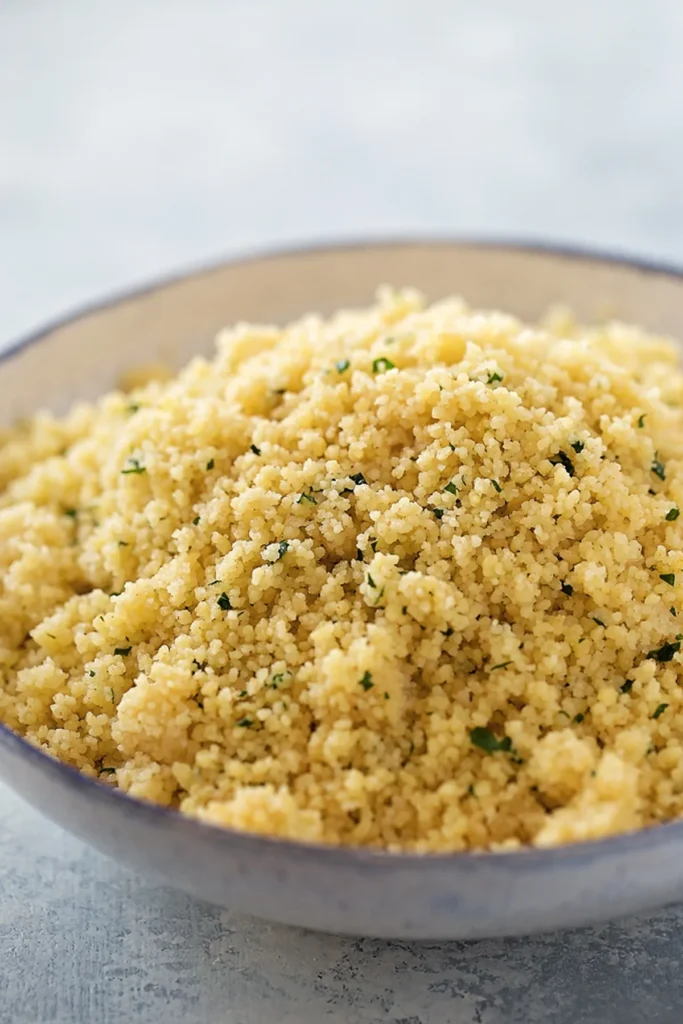
6. Couscous
Couscous is a staple food from North Africa made of small steamed semolina granules. The Berbers created this dish centuries ago.
You’ll find couscous served throughout Morocco, Tunisia, and Algeria. It’s traditionally steamed and served with meat or vegetable stews on top.
The tiny granules have a light, fluffy texture when cooked properly. You can prepare couscous with water or broth for extra flavor.
Most recipes serve couscous in a special pot called a gas’a with sauce ladled over the top.

7. Bobotie
Bobotie is South Africa’s national dish. You’ll find this sweet and spicy casserole on menus around the world.
The dish uses curried ground beef as its base. You add fruits and spices to create a unique flavor.
The top layer is what makes bobotie special. You pour a milk and egg custard over the meat before baking.
Bay leaves and curry powder give bobotie its signature taste. These spices create the perfect balance of sweet and savory flavors.
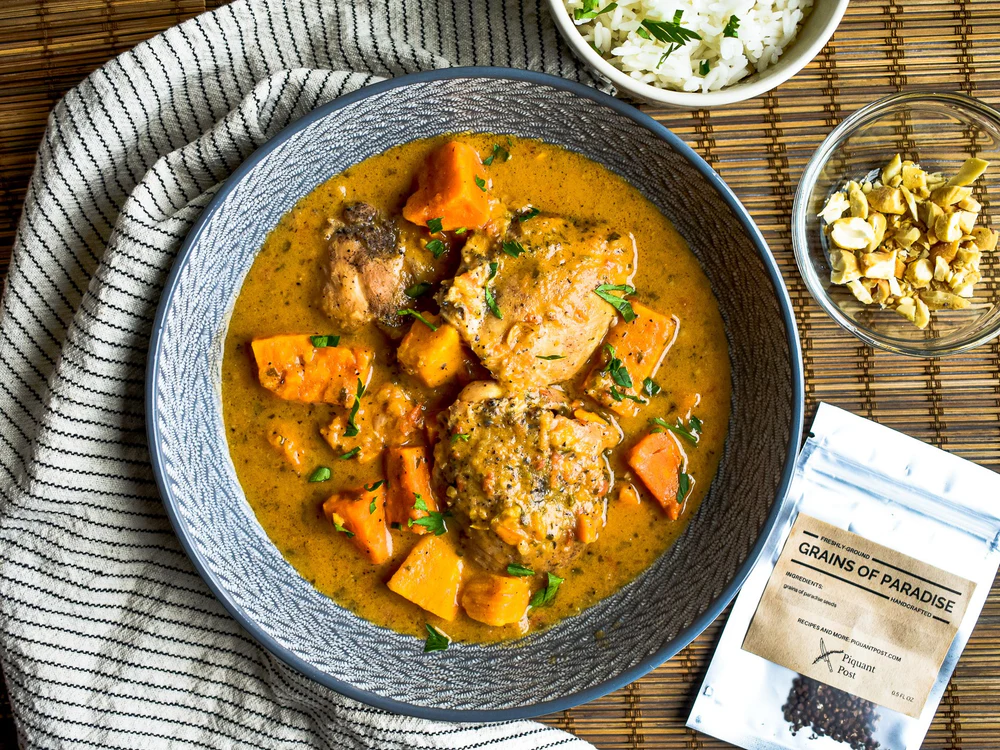
8. Groundnut Stew
Groundnut stew is a beloved dish across West Africa. You’ll find versions in Ghana, Nigeria, Senegal, and Mali.
The stew combines peanut butter with tomatoes and spices. You can add chicken, beef, or vegetables like sweet potatoes.
Start by sautéing onions and peppers. Mix peanut butter with water to make it smooth.
Add your protein, tomatoes, and the peanut mixture to a pot. Let it simmer for at least one hour.
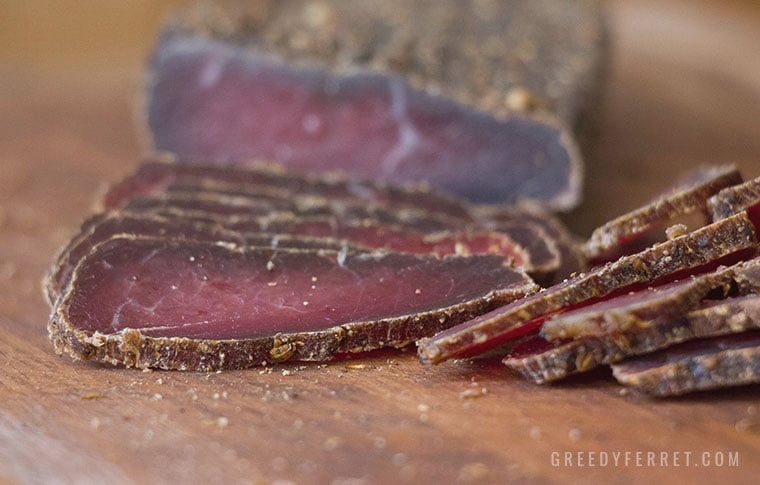
9. Biltong
Biltong is South Africa’s famous dried meat snack. You make it by curing beef strips with salt, pepper, coriander, and vinegar.
The meat hangs to dry for 3-4 days until it reaches your preferred texture. You can make it soft and chewy or dry and brittle.
This traditional recipe uses simple ingredients but creates complex flavors. The coriander gives biltong its signature taste that’s different from regular jerky.
You can make biltong at home using a dehydrator or homemade drying box.

10. Pap and Chakalaka
Pap and chakalaka is a classic South African dish that brings bold flavors to your table. Pap is a creamy maize porridge made from cornmeal and water.
Chakalaka is a spicy vegetable relish with beans, onions, and peppers. You cook it with aromatic spices that give it a zesty kick.
You can serve it as a side dish with grilled meats or enjoy it as a main meal.
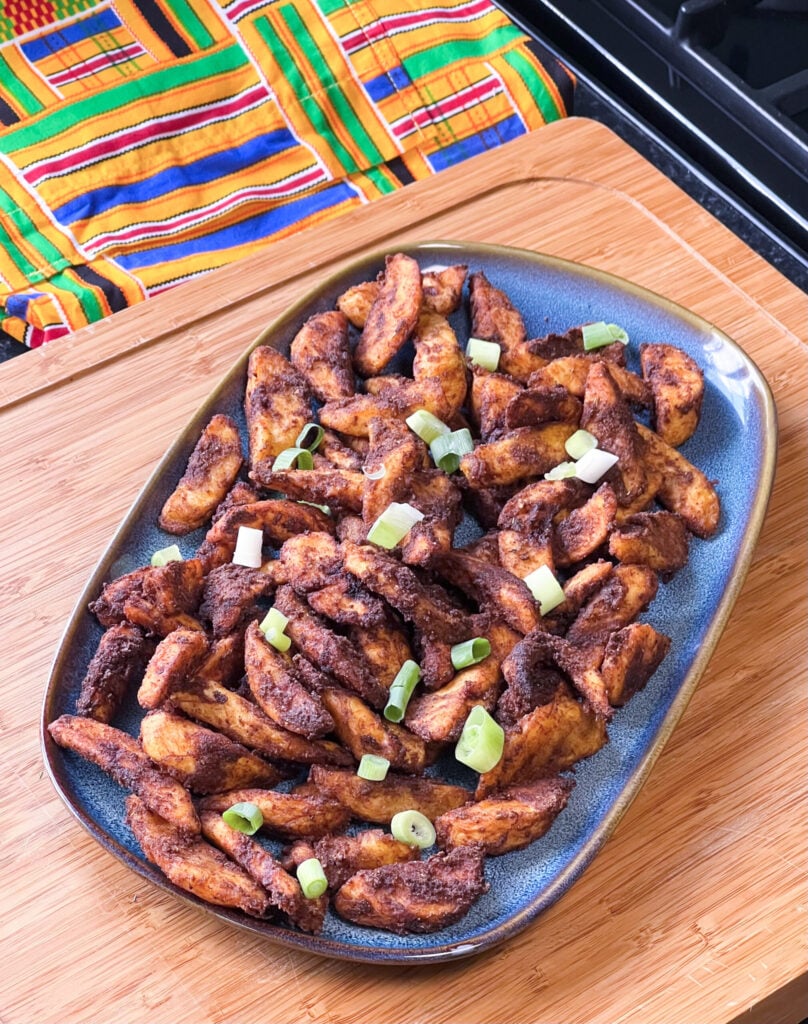
11. Kelewele
Kelewele is Ghana’s most popular street food snack. You’ll find vendors selling this spicy fried plantain dish throughout Ghanaian cities.
The recipe uses ripe plantains cut into cubes and seasoned with ginger, onions, garlic, and hot peppers. The plantains are then fried until crispy outside and soft inside.
You can eat kelewele alone as a snack or serve it alongside rice and bean stew. Street vendors often pair it with roasted peanuts.

12. Fufu with Light Soup
Fufu with Light Soup is a popular West African dish, especially in Ghana. You make fufu by pounding boiled root vegetables like cassava, yam, or plantain until smooth.
The light soup is a spicy tomato and pepper broth. You can add beef, chicken, goat meat, or other proteins to make it filling.
You eat this dish by tearing off small pieces of fufu with your fingers. Then you use the fufu to scoop up the flavorful soup.

13. Chakalaka
Chakalaka is a spicy South African vegetable relish that comes from township cuisine. You can serve it hot or cold as a side dish or condiment.
This colorful dish combines chopped onions, garlic, and carrots with curry powder and other spices. You sauté the vegetables until tender and flavorful.
You can enjoy chakalaka with bread, grilled meats, or stews. It’s especially popular at braais, which are South African barbecues.
The dish is naturally vegan and gluten-free. You can adjust the spice level to match your taste preferences.

14. Ndolé
Ndolé is Cameroon’s most famous traditional dish. This rich stew combines bitter leaves with groundnuts to create a unique flavor.
You make this dish with spinach, bitter leaves, and peanuts. The stew includes protein like beef, shrimp, or fish.
The creamy peanut base gives ndolé its signature taste. Crayfish and garlic add extra flavor to the dish.
You can serve ndolé with rice or other starches.

15. Moroccan Harira Soup
Harira is Morocco’s most beloved traditional soup. You’ll find this hearty dish served throughout the country year-round.
This tomato-based soup combines lentils and chickpeas with warm spices. Traditional recipes often include lamb or beef for extra protein.
Moroccan families use harira to break their fast during Ramadan. The soup provides comfort and nutrition after long days without food.
You can make harira vegetarian by skipping the meat. Fresh herbs like cilantro and parsley add bright flavors to each bowl.

16. Maafe (Peanut Stew)
Maafe is a popular West African stew that combines peanut butter with tomatoes. You can make it with beef, chicken, or vegetables.
The dish uses simple ingredients like onions, garlic, and spices. Sweet potatoes and carrots add sweetness to balance the nutty flavors.
This one-pot meal creates a thick, rich sauce. You’ll find different versions across West African countries, but peanut butter remains the main ingredient.
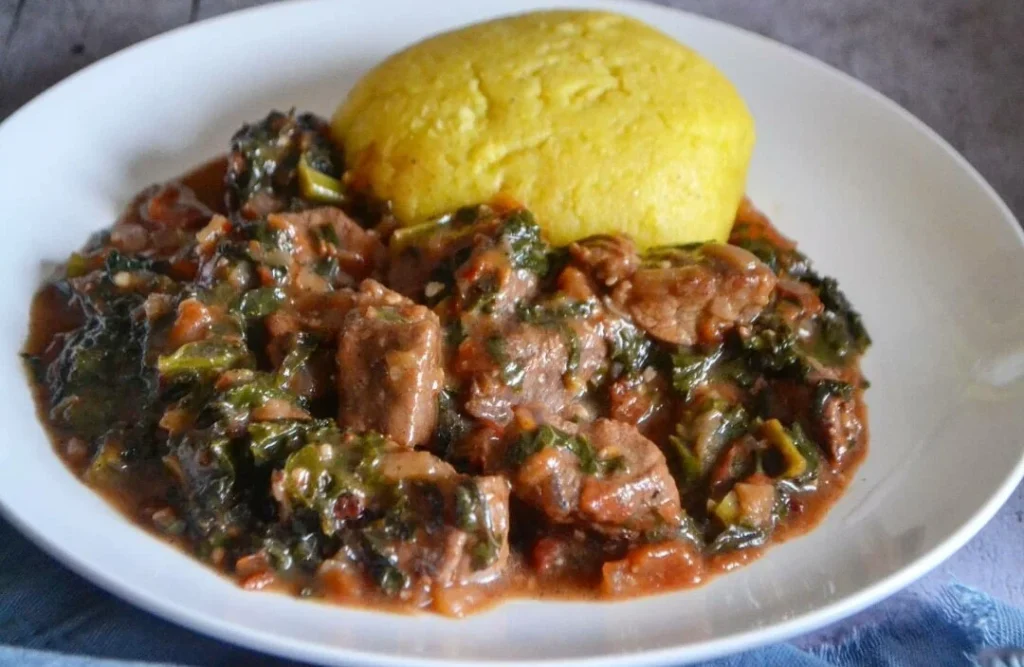
17. Sadza with Nyama
Sadza with nyama is Zimbabwe’s most beloved comfort food. This simple yet satisfying dish combines cornmeal porridge with tender beef stew.
You’ll find sadza served in almost every Zimbabwean home daily. The thick porridge provides the perfect base for soaking up rich meat juices.
The beef stew features slow-cooked meat with onions, tomatoes, and local spices. You can also prepare it with chicken instead of beef.

18. Piri Piri Chicken
Piri piri chicken combines Portuguese and African cooking traditions. Portuguese settlers brought this spicy dish to Angola and Mozambique.
The name “piri piri” means “pepper-pepper” in Swahili. The dish gets its heat from African bird’s eye chilies.
You marinate chicken pieces in piri piri sauce before grilling. The sauce contains chilies, garlic, lemon, and herbs.
The chicken develops a reddish-gold color from paprika and bell peppers in the marinade.

19. Egusi Soup
Egusi soup is a beloved West African dish that comes from Nigeria and other countries in the region. You make it with ground melon seeds called egusi, which give the soup its name.
The soup has a rich, nutty flavor that makes it very satisfying. You cook it with red palm oil, leafy greens, onions, and peppers in one pot.
You can add different meats, fish, or seafood to make it heartier. The soup pairs perfectly with pounded yam, fufu, or rice.

20. Kapenta with Sadza
Kapenta with Sadza is Zimbabwe’s most beloved traditional dish. You’ll find this hearty meal served for dinner across the country.
Kapenta are small freshwater fish from Lake Kariba. They’re usually dried and cooked in a flavorful stew with tomatoes and onions.
Sadza is a thick porridge made from ground maize meal. It serves as the perfect base for the rich kapenta stew.
You can prepare kapenta by simmering it in sauce for about 10 minutes. The dish pairs well with leafy green vegetables called muriwo.

21. Palm Nut Soup
Palm nut soup is a rich West African dish made from palm nut fruit pulp. You can find this soup across many countries like Ghana, Nigeria, and Togo.
The soup uses palm cream as its base. You add marinated meats and smoked dried fish for protein.
Spices and greens make it more flavorful. You can serve palm nut soup with fufu, rice, or banku.
The soup has a nutty taste and thick texture that fills you up.
Key Ingredients And Cooking Techniques
African cooking relies on grains like sorghum, millet, and cassava as daily staples. Most dishes use slow-cooking methods with clay pots and feature spice blends that vary by region.
Staple Grains and Tubers
Cassava serves as the main carbohydrate across West and Central Africa. You can find it prepared as fufu, gari, or boiled whole.
Sorghum and millet grow well in dry climates. People use these grains to make porridge, flatbreads, and fermented drinks in countries like Mali and Sudan.
Plantains appear in both sweet and savory dishes. You can fry, boil, or roast them depending on ripeness.
Yams hold special importance in Nigerian and Ghanaian cooking. Cooks pound them into smooth paste or cut them into chunks for stews.
Rice grows mainly in coastal regions. Jollof rice uses long-grain varieties mixed with tomatoes and spices.
Traditional Sauces and Spices
Berbere spice blend contains up to 20 ingredients in Ethiopian cooking. Chili peppers, fenugreek, and cardamom create its complex heat.
Palm oil gives West African dishes their red color and nutty taste. Cooks use it for frying plantains and cooking stews.
Tamarind adds sour notes to sauces across the continent. You soak the pods in water then strain out the pulp.
Scotch bonnet peppers provide intense heat in many recipes. Remove the seeds to reduce spiciness while keeping flavor.
Peanut butter thickens stews in countries like Ghana and Senegal. Use natural versions without added sugar for authentic taste.
Common Cooking Methods
Clay pot cooking keeps food moist and adds earthy flavors. The porous material allows slow, even heat distribution.
One-pot meals save fuel and blend flavors together. Rice, meat, and vegetables cook in the same container.
Steaming works well for grain dishes like couscous. You place food in baskets over boiling water.
Grilling over open fires creates smoky tastes in meat and fish. Wood choices like baobab add specific flavors.
Fermentation preserves foods and develops tangy notes. Cooks ferment cassava, millet, and vegetables for days before cooking.
Cultural Significance Of Traditional African Food
African food connects families across generations and shows the unique story of each region. These dishes play important roles in celebrations and daily life.
Role in Festivities and Gatherings
Food brings people together during African celebrations and special events. You will find specific dishes served at weddings, religious ceremonies, and community festivals.
Jollof rice appears at West African weddings and parties. Families cook large pots to feed everyone who comes to celebrate.
Doro wat, a spicy Ethiopian stew, is essential for Orthodox Christmas and Easter meals. The dish takes hours to prepare and shows respect for important religious days.
Many African cultures use food to welcome guests. When you visit someone’s home, they will offer you their best dishes as a sign of respect and friendship.
Community cooking happens during harvest festivals. Women work together to prepare meals using fresh crops like yams, cassava, and plantains.
Funeral ceremonies also include traditional foods. Families prepare simple but meaningful dishes to comfort mourners and honor the deceased person’s memory.
Regional Culinary Diversity
Each African region developed different cooking methods based on local ingredients and cultural influences. You can taste the history of trade routes and migration patterns in these dishes.
North African cuisine uses Mediterranean spices like cumin and coriander. Countries like Morocco and Tunisia blend Arab and Berber cooking traditions.
West African food features bold flavors from palm oil, scotch bonnet peppers, and peanuts. Nigeria’s egusi soup and Ghana’s banku show this region’s love for rich, hearty meals.
East African dishes reflect Indian Ocean trade connections. Ethiopian injera bread and Kenyan ugali use local grains like teff and corn.
Southern African cooking combines indigenous ingredients with European influences. South African bobotie mixes local spices with techniques brought by Dutch settlers.
The Sahel region creates dishes that work well in dry climates. Meals often include millet and sorghum grains that grow in areas with little rainfall.
Frequently Asked Questions
These questions cover common concerns about cooking traditional African dishes, from beginner-friendly recipes to essential ingredients and cooking methods.
What are some classic dishes to start with for someone new to African cuisine?
Jollof Rice makes an excellent starting point because it uses familiar ingredients like rice and tomatoes. This West African dish requires basic cooking skills and delivers bold flavors.
Moroccan Tagine offers another beginner-friendly option. You can make it with chicken or vegetables in a simple tomato-based sauce with warm spices.
Suya provides an easy introduction to African street food. You just marinate meat in spice paste and grill it.
Which ingredients are essential to have on hand when preparing traditional African meals?
Stock your pantry with berbere spice blend for Ethiopian dishes like Doro Wat. This mix contains chili peppers, garlic, and ginger.
Keep palm oil, scotch bonnet peppers, and onions for West African cooking. These ingredients appear in many dishes from Nigeria and Ghana.
Store dried beans, lentils, and teff flour for authentic preparations. Teff flour makes traditional injera bread.
Can you suggest popular African recipes that are suitable for vegetarians?
Injera with vegetable stews works perfectly for vegetarians. You can make lentil or chickpea stews with berbere spices.
Moroccan vegetable tagine uses eggplant, zucchini, and carrots. Add dried fruits and nuts for extra flavor.
Jollof Rice becomes vegetarian when you use vegetable stock instead of meat stock. Add vegetables like carrots and green beans.
What are the common cooking techniques used in traditional African food preparation?
Slow cooking appears in many African dishes. Tagines and stews simmer for hours to develop deep flavors.
Grilling over open flames creates the smoky taste in Suya and other barbecued meats. High heat sears the outside while keeping meat tender.
Fermentation plays a key role in bread making. Injera batter ferments for several days before cooking on a clay plate.
How does regional variation influence the diversity of African food recipes?
North African cuisine features Mediterranean influences with olives, preserved lemons, and couscous. Tagines and harissa paste define this region’s cooking style.
West African food relies heavily on palm oil, plantains, and yams. Jollof Rice varies between countries, with each claiming the best version.
East African cooking uses berbere spice blends and injera bread. Ethiopian and Eritrean dishes often include raw or lightly cooked meat.
What are some traditional African desserts or sweet dishes that one should try?
Malva Pudding from South Africa combines sweet sponge cake with apricot jam sauce. You serve it warm with custard or ice cream.
Koeksisters are twisted pastries from South Africa. After frying, you soak them in cold sugar syrup.
Halwa appears across North and East Africa. This sweet treat uses semolina, sugar, and nuts with cardamom flavoring.