
Soup offers one of the best ways to pack vegetables, protein, and nutrients into a single satisfying meal. Whether you want something light and fresh or rich and filling, the right soup can warm you up while supporting your health goals.
These 21 healthy soup recipes provide options for every taste preference, from classic comfort foods made lighter to bold international flavors that keep you full and nourished. You’ll find everything from quick weeknight options to slow-cooked favorites, plus practical tips to make any soup recipe more nutritious.
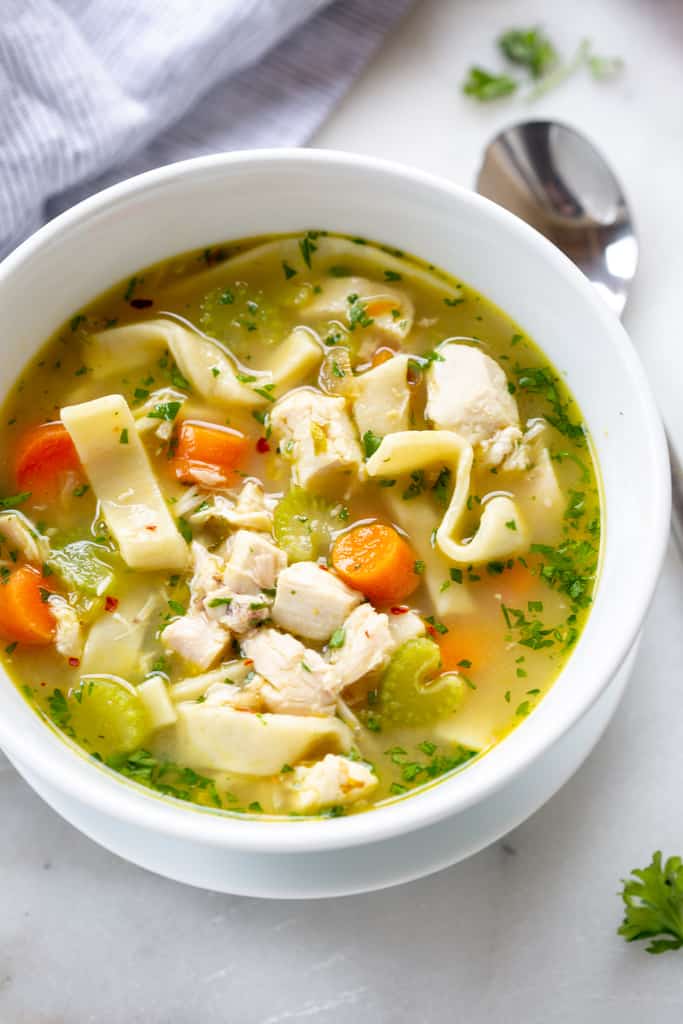
1. Classic Chicken Noodle Soup
Classic chicken noodle soup combines tender chicken, soft vegetables, and egg noodles in a warm broth. This comfort food works well for cold days or when you feel sick.
You can make this soup with chicken breast, carrots, celery, and onions. The vegetables add vitamins and fiber to your meal.
Most recipes take about 30 minutes to prepare. You can use low-sodium broth to reduce salt content while keeping the rich flavor.

2. Hearty Lentil and Vegetable Soup
This protein-packed soup combines tender lentils with fresh vegetables like carrots, celery, and onions. The ingredients simmer together in a flavorful broth.
You can add spinach or kale for extra nutrients. A squeeze of lemon juice brightens the flavors at the end.
This soup works well for vegans and vegetarians. It provides plenty of fiber and protein to keep you full.
The recipe uses simple pantry ingredients you likely already have at home.

3. Creamy Butternut Squash Soup
This soup gives you rich fall flavors without heavy cream. You can make it dairy-free using coconut milk or plant-based milk instead.
Roasting the butternut squash first brings out sweet, deep flavors that make the soup taste amazing. You only need a few simple ingredients.
Butternut squash, onion, garlic, and broth are the main ones. This soup works well for many diets.
It’s naturally gluten-free and can be made vegan easily.

4. Tuscan White Bean Soup
You can make this hearty soup in just 30 minutes using one pot. It features creamy white beans and fresh vegetables in a savory broth.
This soup works well for meal prep since it stores easily. You can make it vegan or add meat like Italian sausage based on your needs.
The recipe uses simple ingredients like cannellini beans, kale, and herbs. Fresh rosemary adds authentic Italian flavor to every bowl.

5. Mexican Chicken Pozole
Mexican chicken pozole is a traditional soup that brings authentic flavors to your table. You’ll love this hearty dish made with tender chicken, hominy corn, and rich spices.
This healthy version uses lean chicken breast instead of fatty cuts. You get all the flavor with fewer calories and less fat.
The soup contains garlic, cumin, and chili peppers for bold taste. Hominy adds a unique chewy texture that makes pozole different from other soups.
You can make this recipe on the stovetop or in a pressure cooker. It’s perfect for meal prep and freezes well for busy weeknights.

6. Minestrone with Seasonal Vegetables
Minestrone soup lets you use whatever vegetables are fresh right now. This Italian classic changes with the seasons.
In spring, add peas and fresh herbs. Summer calls for zucchini and tomatoes.
Fall brings carrots and green beans. You can make this soup with kidney beans and small pasta.
Add vegetables that cook at different speeds at the right times. This hearty soup has only 111 calories per cup.
It’s high in fiber and keeps you full for hours.

7. Thai Coconut Curry Soup
Thai coconut curry soup combines creamy coconut milk with bold spices. You get a perfect mix of sweet, sour, salty, and spicy tastes in one bowl.
The soup uses red curry paste as its flavor base. Fresh herbs like cilantro and lime add brightness to each spoonful.
You can make this soup with chicken, shrimp, tofu, or just vegetables. Common vegetables include bell peppers, carrots, and zucchini.
This soup works well for both meat-eaters and vegans. It’s naturally filling and packed with nutrients from the coconut milk and fresh ingredients.

8. Spicy Black Bean Soup
You can make this nutritious soup using canned black beans for a quick meal. The soup packs plenty of fiber and protein to keep you full.
Smoky flavors come from ingredients like fire-roasted tomatoes and smoked paprika. You can add jalapeños for heat and lime juice for brightness.
This soup works well for meal prep since it stores for up to three days. You might need to thin it with water when reheating as it thickens over time.

9. Moroccan Chickpea and Carrot Soup
This warming soup combines sweet carrots with protein-rich chickpeas. You get all the comfort without any dairy or cream.
The soup uses warm Moroccan spices like cumin, paprika, and cinnamon. These spices give it a rich flavor that tastes complex but stays mild.
You can make this soup in about 20-25 minutes. It works well for busy weeknight dinners when you want something healthy and filling.
The chickpeas provide plant-based protein while carrots add natural sweetness. Many recipes include spinach for extra vitamins and minerals.

10. Roasted Tomato Basil Soup
Roasted tomato basil soup offers rich flavor and healthy ingredients. You roast fresh tomatoes, onions, and garlic to bring out their natural sweetness.
This soup works great with Roma tomatoes from your garden. The roasting process takes about 30 minutes but adds deep flavor you can’t get from canned versions.
You can make it creamy by adding a splash of cream or keep it light for fewer calories. Fresh basil leaves give the soup its signature taste.
The soup pairs perfectly with grilled cheese sandwiches or crusty bread.

11. Slow Cooker Beef and Barley Soup
This soup combines tender beef chunks with chewy pearl barley and mixed vegetables. You get 40 grams of protein per serving.
The slow cooker makes the beef incredibly tender. The barley adds a hearty texture and whole grain nutrition.
You can prep everything in the morning and come home to a ready meal. The long cooking time develops rich, deep flavors in the broth.
This soup works well for meal prep and feeding families.

12. Instant Pot Sweet Potato and Kale Soup
This hearty soup combines sweet potatoes with nutritious kale in your pressure cooker. You can make it vegan with coconut milk or add protein with sausage or ground turkey.
The sweet potatoes become tender quickly in the Instant Pot. Kale adds vitamins and a slight crunch to each bowl.
You can season it with herbs, spices, or curry powder for extra flavor. White beans or chickpeas make it more filling.
This soup is naturally gluten-free and dairy-free. It freezes well for meal prep.

13. Vegetarian Split Pea Soup
Split pea soup delivers comfort without meat. You get plenty of protein and fiber from the split peas alone.
This soup cooks mostly hands-off. You can make it on the stovetop or in an Instant Pot.
The recipe uses simple vegetables like carrots, celery, and onions. Basic herbs and spices add rich flavor.
You won’t miss the ham in this version. The soup tastes hearty and filling on cold days.

14. Cauliflower and Leek Soup
This creamy soup combines tender cauliflower with mild leeks for a healthy meal. You can make it in just 20 minutes on the stovetop or use a crockpot for easy prep.
The soup is naturally low in carbs since it uses no potatoes. You get a smooth, velvety texture when you blend the cooked vegetables together.
Add garlic and vegetable broth for extra flavor. You can keep it vegan or stir in cream for richness.

15. Healthy Chicken Tortilla Soup
This soup combines tender chicken with black beans and fresh vegetables. You get a protein-packed meal under 250 calories per serving.
You can make it in your slow cooker, Instant Pot, or on the stovetop. The recipe uses lean chicken breast and plenty of nutritious ingredients.
Baked corn tortilla strips make a healthier topping than fried chips. They add crunch without extra sodium or oil.
The soup works great for meal prep too. Make a big batch for easy weeknight dinners and lunches.

16. Broccoli and Cheddar Soup Lightened Up
You can enjoy creamy broccoli cheddar soup without all the calories. This lighter version uses low-fat milk instead of heavy cream.
The soup still tastes rich and cheesy. You get the same comfort food feeling with fewer calories.
Most recipes take just 25-30 minutes to make. You can add extra vegetables like cauliflower for more nutrients.
Greek yogurt works well to make the soup creamy. Sharp cheddar cheese gives you the best flavor without needing as much.

17. French Onion Soup with Gruyere
French onion soup can be made healthier without losing its comfort food appeal. You start by caramelizing onions slowly until they turn golden brown.
The key is using rich beef or vegetable broth as your base. Add herbs like thyme for extra flavor.
Top your soup with a small piece of whole grain bread and melted Gruyere cheese. The nutty cheese adds protein while keeping portions reasonable.
This warming soup gives you vegetables and nutrients in every bowl.

18. Zucchini and Potato Soup
This soup combines mild zucchini with creamy potatoes for a smooth, satisfying meal. You can make it with fresh or frozen zucchini.
The potatoes create natural creaminess without heavy cream. This makes the soup lighter but still filling.
You can add herbs like dill or parsley for extra flavor. Garlic and onion work well too.
This soup works great for meal prep. You can store it in the fridge for several days.

19. Cabbage and Sausage Soup
This hearty soup combines smoky sausage with tender cabbage for a filling meal. You can use Italian sausage, kielbasa, or andouille depending on your taste.
The recipe is simple and quick. Cook the sausage first, then add vegetables like onions, celery, and carrots.
Pour in broth and let everything simmer. You can make this soup in under 40 minutes.
It works well for busy weeknights when you need something warm and satisfying.

20. Sweet Corn and Red Pepper Chowder
Sweet corn and red pepper chowder brings together two colorful vegetables in one healthy bowl. You get natural sweetness from fresh corn kernels paired with the mild flavor of red bell peppers.
This chowder works well as a lighter soup option. You can make it vegetarian-friendly by using vegetable broth instead of chicken stock.
The red peppers add vitamin C and bright color to your bowl. Fresh corn provides fiber and natural sugars that make this soup satisfying without heavy cream.

21. Carrot and Ginger Soup
Carrot and ginger soup combines sweet carrots with warming ginger spice. This healthy soup takes about 30-40 minutes to make.
You can prepare it with simple ingredients like fresh carrots, ginger, onion, and vegetable broth. The soup works well for lunch or dinner.
Many recipes include coconut milk or cream for richness. You can make vegan versions using coconut milk instead of dairy.
The soup provides vitamins and has a smooth, creamy texture when blended. Fresh ginger adds warmth without being too spicy.
Nutritional Benefits of Healthy Soups
Healthy soups provide your body with essential nutrients while keeping calories low and supporting digestive health. These liquid meals deliver concentrated vitamins and minerals from vegetables, offer lean protein options, and contain fiber that promotes gut wellness.
Essential Vitamins and Minerals
Vegetable-based soups pack your meals with vitamin A from carrots and sweet potatoes. These orange vegetables support your eye health and immune system.
Leafy greens like spinach and kale add folate and vitamin K to your bowl. Folate helps your body make new cells.
Vitamin K keeps your bones strong. Tomato-based soups give you vitamin C and lycopene.
Vitamin C boosts your immune system. Lycopene may protect your heart.
Key minerals you get from soup include:
- Iron from beans and dark leafy greens
- Potassium from vegetables like potatoes and celery
- Magnesium from whole grains and legumes
- Calcium from dairy-based broths or added yogurt
Bone broth soups provide collagen and amino acids. These nutrients support your joint health and skin.
Low-Calorie and High-Protein Options
Most healthy soups contain 100-200 calories per cup. The high water content fills you up without adding excess calories to your diet.
Protein-rich ingredients boost the nutritional value:
- Chicken breast adds 25 grams of protein per 3 ounces
- Lentils provide 18 grams per cup
- Fish like salmon offers 22 grams per 3 ounces
- Beans contain 15 grams per cup
Broth-based soups naturally hydrate your body. Your body needs this water for basic functions like temperature control and joint lubrication.
The fiber from vegetables and legumes helps you feel full longer. This can prevent overeating at your next meal.
Protein combined with fiber keeps your blood sugar stable. This prevents energy crashes during the day.
Gut Health and Digestive Support
Warm soup is gentle on your digestive system. The heat breaks down cell walls in vegetables, making nutrients easier to absorb.
Fiber-rich ingredients feed good bacteria in your gut:
- Onions and garlic contain prebiotics
- Beans and lentils add soluble fiber
- Vegetables provide insoluble fiber
The liquid format helps your body digest nutrients faster than solid foods. This puts less stress on your digestive organs.
Bone broth contains gelatin that may heal your gut lining. Some people find this reduces digestive discomfort.
Fermented ingredients like miso paste add probiotics to your soup. These good bacteria support your immune system and digestion.
Salt levels in homemade soups stay lower than packaged versions. Too much sodium can cause bloating and water retention.
Tips for Making Healthier Soups
Making soups healthier starts with smart ingredient choices and cooking methods. Focus on loading up with vegetables, using whole grains instead of refined ones, and cutting back on salt while adding flavor through herbs and spices.
Choosing Wholesome Ingredients
Start with a base of fresh or frozen vegetables. These give you vitamins, minerals, and fiber without many calories.
Best vegetable choices:
- Dark leafy greens like spinach and kale
- Colorful peppers, carrots, and tomatoes
- Cruciferous vegetables like broccoli and cauliflower
- Onions, garlic, and celery for flavor
Choose lean proteins like chicken breast, turkey, or fish. Remove skin from poultry before cooking to cut saturated fat.
For vegetarian options, use beans, lentils, or tofu. These add protein and fiber while keeping calories low.
Buy low-sodium or no-salt-added broth. You can also make your own broth using vegetable scraps, bones, and herbs.
Fresh herbs like basil, thyme, and parsley boost flavor without calories. Keep dried herbs on hand when fresh ones aren’t available.
Reducing Sodium and Unhealthy Fats
Most canned soups have too much sodium. Making soup at home lets you control the salt.
Ways to cut sodium:
- Use herbs and spices instead of salt
- Add lemon juice or vinegar for brightness
- Include garlic, ginger, and onions for depth
- Try salt-free seasoning blends
Skip heavy cream and butter. These add calories and saturated fat without much nutrition.
Healthier fat alternatives:
- Use a small amount of olive oil for sautéing
- Add avocado slices as a garnish
- Include nuts or seeds for healthy fats
- Try coconut milk in small amounts
Skim fat from the surface of soup while it cooks. This removes excess grease and calories.
Incorporating Whole Grains and Plant-Based Proteins
Whole grains make soup more filling and add fiber. They help you stay full longer than refined grains.
Good whole grain options:
- Brown rice or wild rice
- Quinoa for complete protein
- Barley for chewy texture
- Whole wheat pasta or noodles
Add grains during the last 20-30 minutes of cooking. This prevents them from getting mushy.
Plant-based proteins work well in most soup recipes. They cost less than meat and provide fiber.
Top protein choices:
- Black beans in Mexican-style soups
- Lentils in vegetable or tomato soups
- Chickpeas in Mediterranean recipes
- Split peas for thick, hearty soups
Rinse canned beans before adding them. This removes extra sodium and improves texture.
Combine different proteins in one soup. Try chicken with white beans or lentils with vegetables for complete nutrition.
Frequently Asked Questions
What are some nutritious ingredients that I can include in my homemade soups?
Lean proteins like chicken breast, turkey, and beans provide essential amino acids. Lentils and chickpeas add both protein and fiber to keep you full longer.
Load your soups with colorful vegetables like carrots, spinach, kale, and bell peppers. These ingredients pack vitamins, minerals, and antioxidants into every bowl.
Whole grains such as barley, quinoa, and brown rice boost fiber content. Sweet potatoes and butternut squash add natural sweetness plus vitamin A.
How can I make a healthy soup that’s also filling and satisfying?
Include protein sources like beans, lentils, or lean meat in every soup recipe. Protein helps you feel full and satisfied for hours after eating.
Add fiber-rich vegetables and whole grains to create bulk and substance. Ingredients like white beans, barley, and root vegetables make soups more filling.
Use healthy fats sparingly through ingredients like avocado or a drizzle of olive oil. These fats help your body absorb nutrients and add satisfaction.
What are some easy-to-follow healthy soup recipes for beginners?
Start with simple vegetable soups that require minimal prep work. Basic lentil soup needs just onions, carrots, celery, and dried lentils.
Chicken noodle soup uses familiar ingredients and basic cooking techniques. You can make it with rotisserie chicken to save time.
One-pot soups work well for beginners since everything cooks together. Turkey bean soup and minestrone are forgiving recipes that taste great even with substitutions.
Can you suggest vegetarian or vegan options for hearty, nutritious soups?
Lentil and vegetable soup provides complete protein when paired with whole grains. Red lentils cook quickly and create a creamy texture naturally.
White bean soup with vegetables delivers protein and fiber in every serving. Add kale or spinach for extra nutrients and color.
Butternut squash soup becomes hearty when you add chickpeas or cannellini beans. Use coconut milk instead of dairy for a vegan version.
What are the best ways to reduce sodium in homemade soups without compromising on taste?
Use low-sodium broth or make your own stock from scratch. Fresh herbs like thyme, rosemary, and bay leaves add flavor without salt.
Add acid through lemon juice or vinegar to brighten flavors naturally. Garlic, onions, and ginger create depth without relying on salt.
Spice blends and dried herbs boost taste significantly. Cumin, paprika, and Italian seasoning make soups flavorful with less sodium.
Which soups are recommended for a high-protein diet?
Chicken-based soups provide lean protein in every serving. Pozole and chicken noodle soup deliver substantial protein amounts.
Bean and lentil soups offer plant-based protein options. Tuscan white bean soup and lentil vegetable soup contain 15-20 grams per bowl.
You can add extra protein through eggs, Greek yogurt, or additional beans. These ingredients boost protein content without changing the soup’s base flavor.