
Eggs are one of the most useful foods in any kitchen. You can cook them in many different ways for breakfast, lunch, or dinner.
They work well on their own or as part of bigger meals. These 21 egg recipes will give you new ways to cook eggs, from simple soft-boiled eggs to fancy dishes like Eggs Benedict.
You will learn basic cooking methods and try recipes from different countries. Whether you want a quick breakfast or a special meal, these recipes will help you make the most of this simple ingredient.
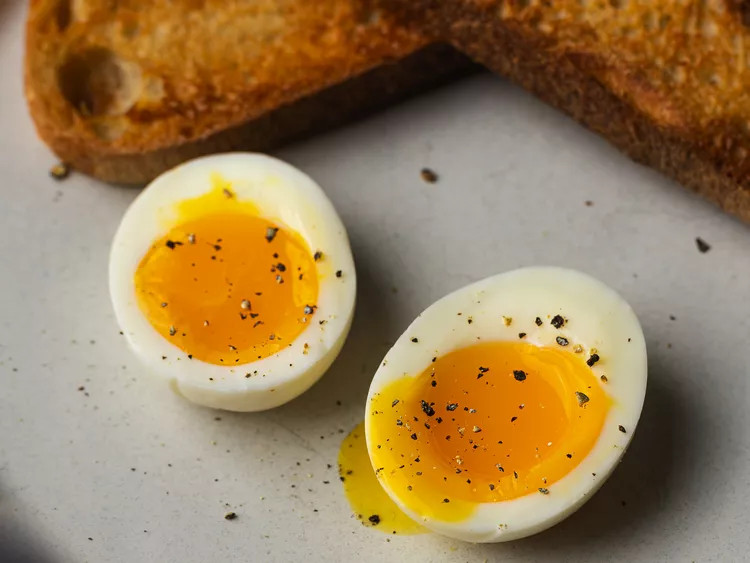
1. Perfect Soft-Boiled Eggs
Soft-boiled eggs have runny yolks with set whites. They make great breakfast dishes or toppings for ramen bowls.
Bring water to a gentle boil in a small pot. Lower your eggs into the water carefully using a spoon.
Cook the eggs for exactly 6-7 minutes for runny yolks. Remove them right away and place in cold water to stop cooking.
Crack the shell gently and peel carefully. The whites should be firm while the yolk stays liquid and warm inside.

2. Classic Deviled Eggs
Classic deviled eggs are perfect for any gathering. You can make them for Easter, potlucks, or holiday parties.
You need hard-boiled eggs, mayonnaise, and mustard. Some recipes add pickle relish for extra flavor.
These eggs are easy to make ahead of time. You can prep them hours before your event.
The creamy filling makes them a crowd favorite. They disappear quickly at every party.

3. Fluffy Scrambled Eggs
Making fluffy scrambled eggs is simple with the right method. You need eggs, butter, and low heat.
Crack your eggs into a bowl and whisk them well. Add a small amount of butter to a cold pan.
Cook the eggs on low heat. Stir them slowly and constantly with a spatula.
Remove the pan from heat when the eggs look almost done. They will finish cooking from the remaining heat in the pan.

4. Baked Egg Muffins
Baked egg muffins are perfect for busy mornings. You can make them ahead of time for quick breakfasts all week.
These protein-packed muffins cook in a standard 12-cup muffin pan. No special tools needed.
You can add cheese, bacon, bell peppers, or spinach to customize them. They work well with whatever vegetables you have in your fridge.
The muffins are gluten-free and low-carb. They stay fresh for several days when stored properly.

5. Shakshuka (Poached Eggs in Tomato Sauce)
Shakshuka comes from North Africa and the Middle East. The name means “mixture” in Arabic.
You cook eggs directly in a spiced tomato sauce with peppers and onions. The eggs poach gently in the hot sauce.
This dish works great for breakfast, brunch, or dinner. You can make it in one pan in about 20 minutes.
The tomato sauce has warm spices that give it flavor. Serve shakshuka right from the cooking pan while it’s hot.
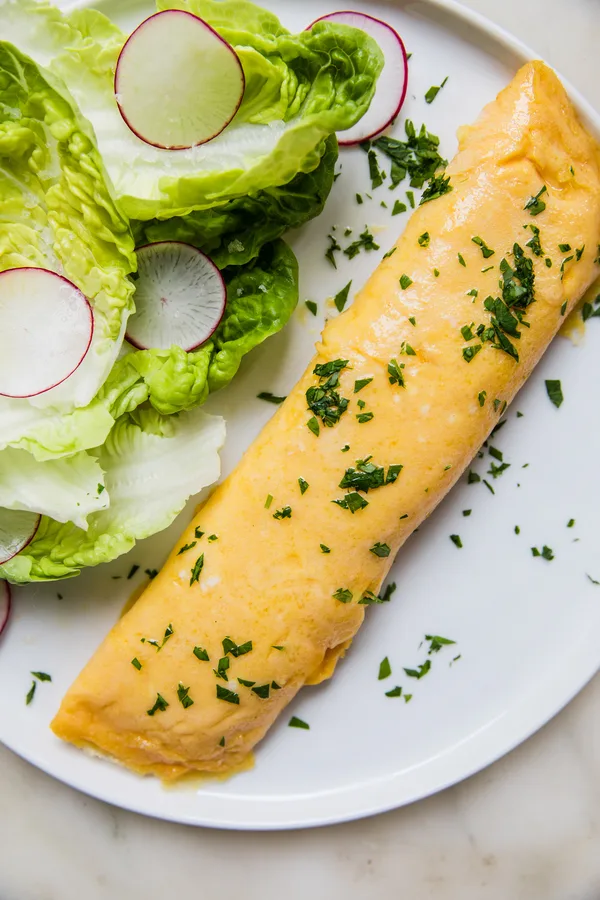
6. French Omelette
A French omelette uses just three basic ingredients: eggs, butter, and salt. You can make this classic dish in under five minutes.
The technique matters more than the ingredients. Beat your eggs well before heating the pan.
Melt butter in a hot pan, then add the beaten eggs. Stir gently as they cook to create a creamy texture.
Fold the omelette in half and slide it onto your plate. The result should be soft and custard-like inside.
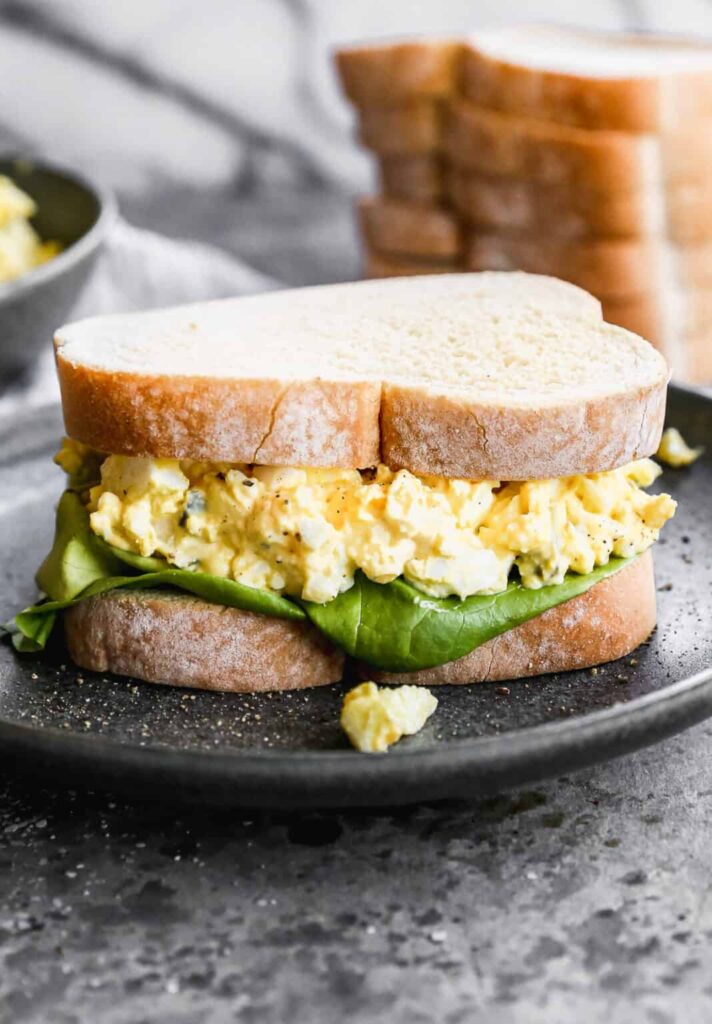
7. Egg Salad Sandwich
You can make this classic sandwich with just a few simple ingredients. Hard-boiled eggs, mayonnaise, and mustard form the base.
Add diced celery for crunch or green onions for extra flavor. Some people like to include pickle relish or chopped dill pickles.
Mash the eggs with a fork and mix in your chosen ingredients. Season with salt and pepper to taste.
Spread the egg salad on bread and enjoy. You can make the filling ahead of time and store it in the fridge.

8. Spinach and Feta Frittata
This egg dish combines creamy feta cheese with fresh spinach for a protein-packed meal. You can make it in just 20 minutes from start to finish.
The frittata starts on your stovetop for about 3 minutes. Then you finish cooking it in the oven.
It works great for breakfast, brunch, or even a light dinner. The tangy feta pairs perfectly with the earthy spinach flavor.

9. Eggs Benedict with Hollandaise Sauce
Eggs Benedict is a classic brunch dish that combines several key ingredients. You build it on a toasted English muffin with Canadian bacon on top.
The star is a perfectly poached egg with a runny yolk. You finish it with creamy hollandaise sauce made from egg yolks and butter.
You need to poach eggs and make sauce at the same time. The dish offers a mix of textures and flavors.
The crispy muffin contrasts with the soft egg and smooth sauce.

10. Pesto Fried Eggs
You can make regular fried eggs more exciting by cooking them in pesto instead of oil. Heat basil pesto in your pan first.
Crack your eggs directly into the warm pesto. Season with salt and pepper.
Cook the eggs slowly until the whites set but yolks stay runny. The pesto will separate slightly from the oil as it cooks.
Eat pesto eggs alone or serve them on toast with cheese and tomatoes.

11. Japanese Tamago (Sweet Rolled Omelette)
Japanese tamago is a sweet and savory rolled omelette that adds elegance to any meal. You make it by cooking thin layers of seasoned eggs and rolling them together.
The eggs are mixed with mirin, soy sauce, and sugar. This creates a perfect balance of sweet and umami flavors.
You cook the egg mixture in thin layers using a rectangular pan. Each layer gets rolled while still warm to form the classic shape.
This dish works great for breakfast, lunch boxes, or as a side dish.

12. Quiche Lorraine
Quiche Lorraine is a classic French tart that combines eggs, cream, and bacon in a flaky pastry crust. This savory dish creates a rich custard filling when baked.
You’ll need eggs, heavy cream, crispy bacon, and cheese like Gruyere or Swiss. Many recipes also include sautéed onions for extra flavor.
The egg mixture forms a creamy custard as it bakes. You can serve quiche Lorraine hot or cold.
It works well for entertaining guests or meal prep throughout the week.

13. Egg Curry
Egg curry combines boiled eggs with a spicy, flavorful sauce made from onions, tomatoes, and aromatic spices. This popular Indian dish takes just 20-30 minutes to prepare.
You can make different styles depending on your taste. North Indian versions use garam masala for heat.
South Indian recipes include coconut and curry leaves for a milder flavor. The creamy, rich gravy pairs perfectly with rice, naan, or roti.

14. Avocado Egg Toast
You can make this breakfast in many ways. Use fried, scrambled, poached, or boiled eggs on top of mashed avocado and toast.
Start with good bread like sourdough or whole grain. Toast it until golden brown.
Mash ripe avocado with a fork. Add salt and pepper to taste.
Spread the mixture on your toast. Cook your egg however you like it.
Place it on top of the avocado. Add hot sauce or green onions for extra flavor.
This meal gives you protein and healthy fats. It keeps you full for hours.
15. Coddled Eggs
Coddled eggs are gently steamed in small cups or ramekins. This cooking method creates tender whites and creamy yolks.
You can make them in special egg coddlers or regular oven-safe cups. Place the cups in a water bath and steam for about 5-7 minutes.
Add butter, herbs, cheese, or bacon before cooking for extra flavor. The gentle heat keeps the eggs soft and delicate.
This method works best with fresh eggs. Fresh egg whites stay compact around the yolk for a better shape.

16. Huevos Rancheros
Huevos rancheros is a classic Mexican breakfast dish. You place sunny-side up eggs on corn tortillas and cover them with spicy tomato salsa.
The dish includes refried beans on the side. You can use corn tostadas for extra crunch or soft tortillas.
Making huevos rancheros takes about 20 minutes. You fry the eggs, warm the tortillas, and prepare the ranchero sauce.
Top your dish with fresh salsa, avocado, cheese, or sour cream. This hearty breakfast fills you up and starts your day with bold flavors.
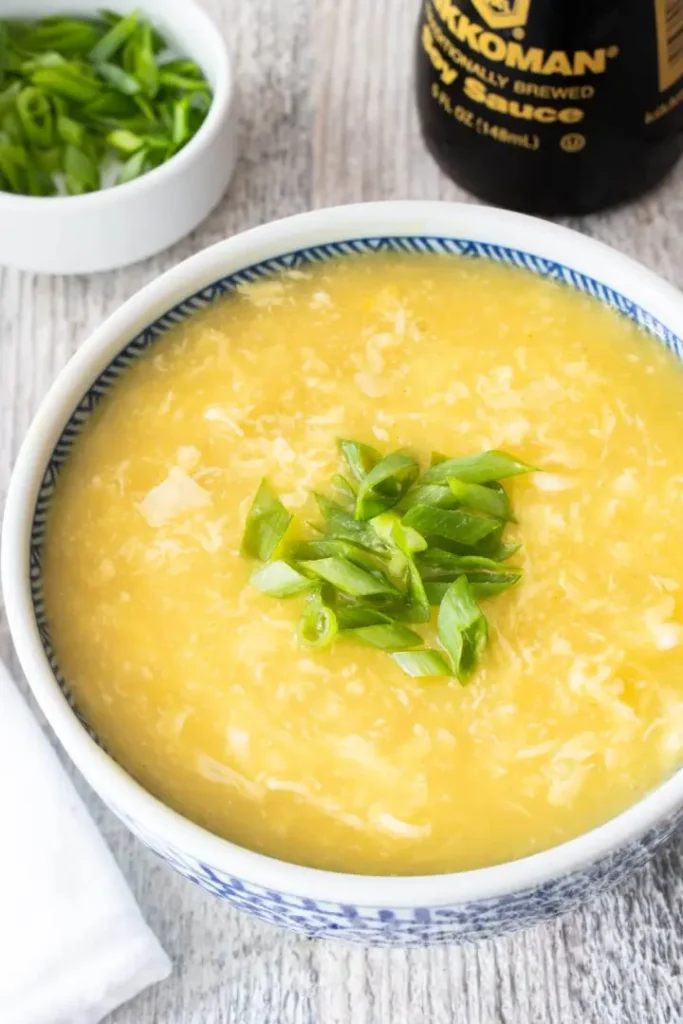
17. Egg Drop Soup
Egg drop soup turns simple ingredients into a comforting meal. You whisk beaten eggs into hot chicken broth to create silky ribbons.
This Chinese soup takes just 15 minutes to make. You need eggs, broth, and cornstarch for thickening.
Add eggs slowly while stirring the broth. This creates the signature egg strands that float throughout the soup.
You can add tofu, green onions, or ginger for extra flavor. Season with salt and white pepper to taste.

18. Russian Salad with Eggs
Russian salad combines hard-boiled eggs with potatoes, carrots, and peas in a creamy mayonnaise dressing. You can add diced ham or pickles for extra flavor.
This hearty dish works as a side or main course. The eggs provide protein while vegetables add texture and nutrients.
To make it, boil eggs for 10 minutes, then chop them roughly. Mix with cooked diced potatoes, carrots, and peas.
Fold everything together with mayonnaise and season with salt and pepper.

19. Scotch Eggs
Scotch eggs are a classic British snack that combines hard-boiled eggs with seasoned sausage meat. You wrap the egg in sausage, coat it with breadcrumbs, then deep-fry until golden brown.
The result is a crispy outer shell with savory meat and a perfectly cooked egg center. You can serve them hot as breakfast or cold for picnics.
These portable treats work great as party appetizers or pub snacks. You’ll find them easy to make with simple ingredients like eggs, sausage, and breadcrumbs.

20. Breakfast Egg Tacos
Breakfast tacos offer a quick and tasty way to start your morning. You can make them in just 5-10 minutes with simple ingredients.
Scramble your eggs until they’re fluffy and creamy. Warm corn or flour tortillas in a pan or microwave.
Fill your tacos with the scrambled eggs and your favorite toppings. Try cheese, bacon, sausage, or fresh vegetables like peppers and onions.
Add salsa, avocado, or hot sauce for extra flavor. These tacos work great for busy weekdays or relaxed weekend mornings.

21. Soufflé Omelette
You can make this fancy breakfast dish easier than you think. A soufflé omelette uses separated eggs to create an incredibly fluffy texture.
Beat the egg whites until they form peaks. Mix the yolks with cream and cheese in a separate bowl.
Fold the whites gently into the yolk mixture. Cook it in a buttered skillet, then finish in the oven.
The result is a light, airy omelette that puffs up beautifully. You can fill it with cheese, herbs, or vegetables for extra flavor.
Tips for Cooking Perfect Eggs
Fresh eggs make all the difference in taste and texture. The right cooking methods and avoiding basic mistakes will help you cook eggs that turn out perfect every time.
Choosing the Right Egg
Fresh eggs give you the best results. Check the date on the carton and pick eggs that are less than a week old.
Room temperature eggs cook more evenly than cold eggs. Take them out of the fridge 15-30 minutes before cooking.
Look at the egg white and yolk when you crack it open. Fresh eggs have thick, clear whites and bright yellow yolks that sit high.
Old eggs have thin, watery whites that spread out.
The size matters for recipes. Most recipes use large eggs.
Using medium or extra-large eggs can change how your dish turns out.
Brown and white eggs taste the same. The shell color comes from the chicken breed, not the egg quality.
Store eggs in the main part of your fridge, not the door. The door gets too warm when you open it.
Essential Cooking Techniques
Use the right heat level for each cooking method. Low heat works best for scrambled eggs and omelets.
Medium heat is good for fried eggs.
Add a small amount of fat to prevent sticking. Butter gives great flavor.
Oil works well too.
For boiled eggs, start with cold water. Bring it to a boil, then lower the heat.
Soft-boiled eggs need 4-6 minutes. Hard-boiled eggs need 10-12 minutes.
When scrambling, stir gently and often. Take the pan off the heat while the eggs are still slightly wet.
They will finish cooking from the heat in the pan.
For poached eggs, add a splash of vinegar to the water. It helps the egg whites stay together.
Create a small whirlpool in the water before adding the egg.
Season eggs at the right time. Add salt to scrambled eggs at the end of cooking.
Salt raw eggs too early and they get watery.
Common Mistakes to Avoid
Don’t use high heat. High heat makes eggs tough and rubbery.
It also causes them to cook too fast on the outside while staying raw inside.
Stop stirring scrambled eggs too much. This breaks them up into tiny pieces.
Gentle stirring gives you bigger, fluffier pieces.
Never skip the fat when cooking eggs. Even non-stick pans need a little butter or oil.
This prevents sticking and adds flavor.
Don’t crack eggs directly into a hot pan. Crack them into a small bowl first.
This lets you check for broken yolks and add them to the pan more carefully.
Avoid cooking eggs straight from the fridge. Cold eggs can crack in hot water or cook unevenly in the pan.
Don’t overcook your eggs. They keep cooking even after you remove them from heat.
Take them off a little before they look done.
Nutritional Benefits of Eggs
Eggs contain all nine essential amino acids your body needs, making them a complete protein source. They also provide important vitamins like vitamin D and choline, plus minerals that support your overall health.
Protein Content and Amino Acids
One large egg gives you about 6 grams of high-quality protein. This protein contains all nine essential amino acids that your body cannot make on its own.
Essential amino acids in eggs include:
- Leucine for muscle building
- Lysine for tissue repair
- Methionine for metabolism
- Tryptophan for mood regulation
The protein in eggs is considered complete because it has the perfect balance of these amino acids. Your body can use this protein very easily compared to other foods.
Egg whites contain most of the protein, while egg yolks have some protein too. If you eat the whole egg, you get the most nutritional benefits.
Vitamins and Minerals in Eggs
Eggs pack many important vitamins and minerals into a small package. Vitamin D helps your bones stay strong and supports your immune system.
Choline is crucial for brain function and memory. One egg provides about 25% of your daily choline needs.
Most people do not get enough choline from their diet.
| Nutrient | Amount per Large Egg | Daily Value % |
|---|---|---|
| Vitamin B12 | 0.6 mcg | 25% |
| Selenium | 15.4 mcg | 28% |
| Iron | 0.9 mg | 5% |
| Folate | 22 mcg | 6% |
Eggs also contain carotenoids like lutein and zeaxanthin. These protect your eyes from damage as you age.
Eggs in a Balanced Diet
You can safely eat up to one egg per day as part of a healthy diet. Eggs work well with many other nutritious foods like vegetables, whole grains, and fruits.
Eggs are naturally low in calories, with only about 70 calories per large egg. They help you feel full longer because of their protein content.
The cholesterol in eggs does not raise blood cholesterol levels for most people. Your liver makes less cholesterol when you eat eggs, keeping your levels balanced.
Adding eggs to meals with vegetables helps your body absorb more nutrients from the vegetables. The healthy fats in egg yolks improve nutrient absorption.
Frequently Asked Questions
Cooking eggs can raise many questions about techniques and recipe variations. These answers cover basic cooking methods, ingredient tips, and ways to make eggs healthier and more flavorful.
What are some easy egg recipes for beginners?
Start with scrambled eggs, hard-boiled eggs, and basic omelets. These recipes need few ingredients and simple techniques.
Baked egg muffins work well for beginners too. You mix eggs with vegetables and cheese, then bake them in muffin tins.
Soft-boiled eggs only require timing and boiling water. Cook them for 6-7 minutes for runny yolks.
How do I make fluffy scrambled eggs?
Use low heat and stir constantly with a rubber spatula. Add a splash of milk or cream to make them extra soft.
Take the pan off the heat while the eggs still look slightly wet. They will finish cooking from the remaining heat.
Beat the eggs well before cooking. This adds air and makes them fluffier.
What is the secret to a perfect omelette?
Use a non-stick pan and medium-low heat. Hot pans will cook the bottom too fast.
Beat 2-3 eggs with a pinch of salt. Pour them into the heated pan with butter or oil.
Let the bottom set for 30 seconds. Then gently push the edges toward the center and tilt the pan so uncooked egg flows underneath.
Add fillings to one half when the top is almost set. Fold the omelette in half and slide it onto your plate.
Fill a medium pot with 3 inches of water. Add 1 tablespoon of white vinegar and bring it to a gentle simmer.
Crack each egg into a small bowl first. Create a gentle whirlpool in the water with a spoon.
Lower the bowl to the water surface and tip the egg into the center of the whirlpool. Cook for 3-4 minutes for runny yolks.
Use a slotted spoon to lift the egg out. Pat it dry on a paper towel before serving.
What are some healthy egg-based breakfast options?
Vegetable scrambles pack nutrition into your morning. Use spinach, bell peppers, onions, and tomatoes.
Egg white omelets reduce calories and cholesterol. Fill them with fresh herbs and vegetables.
Baked egg muffins with vegetables make great meal prep options. You can make a batch on Sunday for the whole week.
Shakshuka provides vegetables and protein in one dish. The tomato sauce adds vitamins and antioxidants.
How can I incorporate eggs into a vegetarian diet?
Eggs provide complete protein that vegetarians often need. They contain all essential amino acids your body requires.
Add hard-boiled eggs to salads. You can also include them in grain bowls.
Use eggs in vegetarian frittatas with seasonal vegetables. Enjoy these for breakfast, lunch, or dinner.
Make egg salad with Greek yogurt instead of mayonnaise. Serve it on whole grain bread or with crackers.