
Mexican desserts offer a rich mix of flavors that blend sweet, spicy, and creamy elements in ways you won’t find anywhere else. These treats come from centuries of tradition, mixing Spanish influences with native Mexican ingredients like chocolate, vanilla, and various fruits.
You’ll discover classic favorites like churros and tres leches cake alongside lesser-known gems like jamoncillo and alegrías. Each dessert tells a story about Mexican culture and brings unique flavors to your table.

1. Tres Leches Cake
Tres Leches Cake is one of Mexico’s most famous desserts. The name means “three milks” in Spanish.
This cake starts with a light sponge cake. You soak it in three different milks: evaporated milk, sweetened condensed milk, and heavy cream.
The milk mixture makes the cake incredibly moist and creamy. You top it with fluffy whipped cream and often a sprinkle of cinnamon.

2. Churros
Churros are crispy fried dough sticks that make a perfect Mexican dessert. You coat them in cinnamon sugar right after frying for the best taste.
These treats have a crunchy outside and soft inside. You can serve them with chocolate sauce, dulce de leche, or cajeta.
Churros work well as both a dessert and snack. You’ll find them at Mexican restaurants and street vendors throughout Mexico.

3. Flan
Flan is Mexico’s most loved custard dessert. You get a silky smooth texture with rich caramel flavor in every bite.
This simple dessert uses just four ingredients: eggs, milk, sugar, and vanilla. Pour the custard into a caramel-coated mold.
Cook flan in a water bath called baño maría. This gentle cooking method creates the perfect creamy texture that melts in your mouth.
The golden caramel sauce on top makes flan both beautiful and delicious.

4. Mexican Wedding Cookies
Mexican wedding cookies are buttery, crumbly treats that melt in your mouth. Their signature powdered sugar coating makes them look like little snowballs.
These cookies use just five basic ingredients: butter, flour, powdered sugar, vanilla, and nuts. Choose walnuts, pecans, or almonds based on your taste.
You might hear them called polvorones or pastelitos de boda in Mexico. They’re perfect for celebrations beyond weddings too.

5. Buñuelos
Buñuelos are crispy fried Mexican treats that taste amazing. Fry thin dough until it turns golden brown.
Cover these sweet desserts in cinnamon sugar. Some people also serve them with honey or piloncillo syrup.
You’ll see buñuelos during Christmas and New Year celebrations. They are a traditional holiday dessert in Mexico.
Roll the dough very thin before frying. This makes the buñuelos light and crunchy when you bite into them.

6. Pastel de Elote (Mexican Corn Cake)
You’ll love this moist Mexican dessert made with fresh sweet corn kernels. The cake gets its rich texture from condensed milk and evaporated milk.
This traditional treat from Jalisco has a unique flavor that’s both sweet and savory. Serve it warm or cold.
Many families enjoy pastel de elote for breakfast with coffee or as dessert after dinner. Top it with powdered sugar, cajeta, or vanilla ice cream for extra sweetness.

7. Sopaipillas
Sopaipillas are light, puffy pastries that puff up when deep-fried. These golden treats have a crispy outside and soft, airy inside.
You can find them served warm at Mexican restaurants across the Southwest. They’re made from simple dough ingredients you likely have in your pantry.
Most people enjoy sopaipillas dusted with cinnamon sugar or drizzled with honey. You can also fill them with savory ingredients like beans or cheese for a different twist.

8. Fried Ice Cream
Fried ice cream brings together hot and cold in one amazing dessert. You get crispy coating on the outside and cold ice cream on the inside.
Most recipes don’t actually fry the ice cream. Instead, coat ice cream scoops with fried cornflakes mixed with cinnamon.
Top it with honey, chocolate syrup, or caramel sauce. This popular restaurant dessert is easy to make at home without any deep frying.
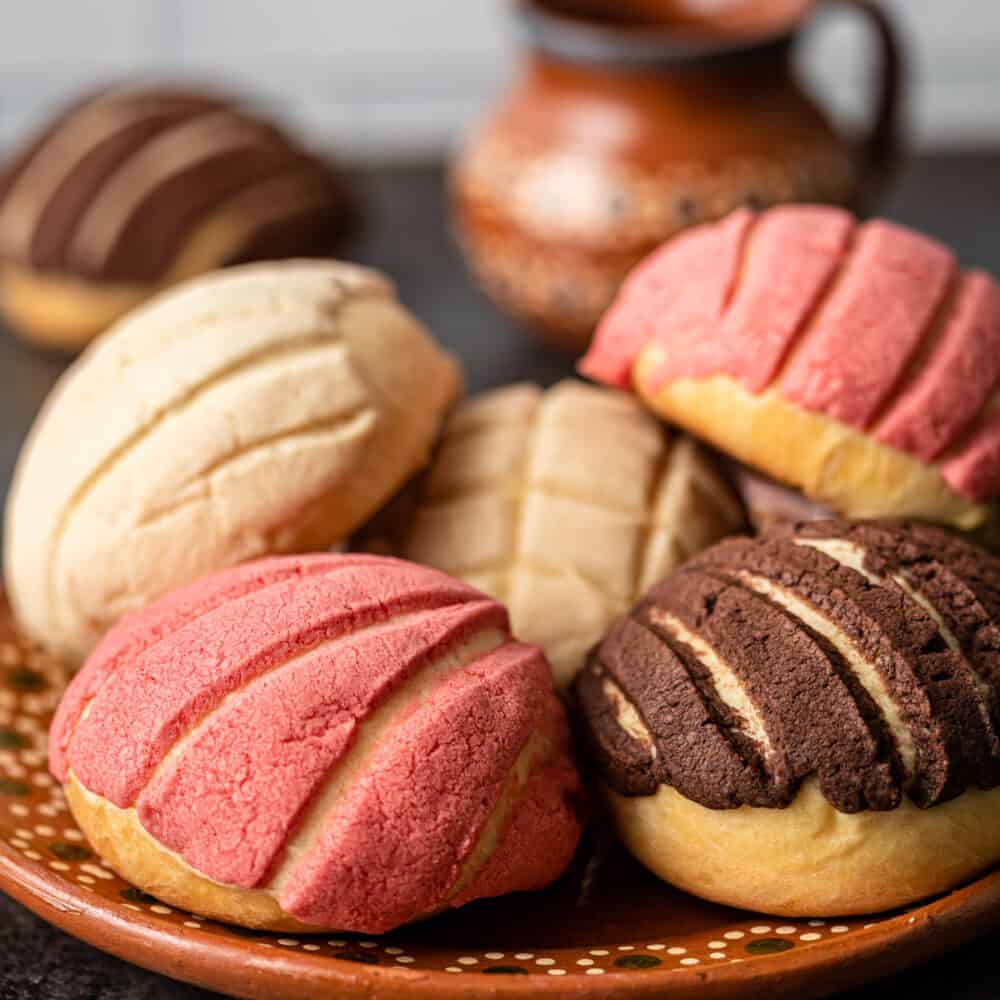
9. Conchas (Mexican Sweet Bread)
Conchas are Mexico’s most popular sweet bread. You’ll find them in every bakery across the country.
The name means “shell” in Spanish. This comes from the shell-like pattern on top of each bread.
These soft breads have a fluffy inside and crunchy topping. The topping is made with sugar, butter, and cocoa or cinnamon.
Enjoy conchas for breakfast with coffee or hot chocolate. They’re also perfect as an afternoon treat.

10. Cajeta (Goat Milk Caramel)
Cajeta is Mexico’s answer to caramel sauce. This thick, sweet treat comes from slowly cooking goat’s milk with sugar until it turns golden brown.
The goat’s milk gives cajeta a tangy flavor that sets it apart from regular caramel. You’ll taste hints of nuttiness in every spoonful.
Simmer the milk for hours until it reduces and caramelizes. Traditional recipes often add vanilla or cinnamon for extra flavor.
Drizzle cajeta over ice cream, cakes, or flan. It’s also delicious eaten straight from the jar.

11. Pan de Muerto
Pan de Muerto is a traditional Mexican sweet bread made for Día de los Muertos celebrations. This soft, buttery bread has a distinctive orange flavor that sets it apart.
The bread features decorative strips on top that represent tears for the deceased. You’ll often find it topped with a sweet orange glaze and sugar coating.
This yeasted bread is part of Mexico’s beloved pan dulce tradition. Enjoy it plain or try creative variations like filling it with Mexican hot chocolate ice cream for a modern twist.

12. Pineapple Empanadas
Pineapple empanadas are sweet Mexican pastries filled with juicy pineapple. You can make them with fresh pineapple or pineapple preserves.
The dough is flaky and crispy when baked. Some recipes use cream cheese dough for extra richness.
These empanadas work great as dessert or afternoon snacks. Serve them warm with vanilla ice cream or Mexican hot chocolate.
The sweet and slightly tart pineapple filling makes these empanadas perfect for anyone who loves fruit desserts.

13. Arroz con Leche
Arroz con leche is Mexico’s version of rice pudding. This creamy dessert combines rice, milk, and sugar into a smooth treat.
You can make it with simple ingredients from your pantry. Most recipes use medium or long-grain rice, milk, vanilla, and cinnamon.
Serve it warm on chilly nights or chilled during summer. The pudding is popular because it’s easy to make and feeds many people.

14. Capirotada (Mexican Bread Pudding)
Capirotada is a warm Mexican bread pudding traditionally eaten during Lent. This sweet dessert combines layers of toasted bread with a rich syrup made from piloncillo and cinnamon.
You’ll find raisins, nuts, and cheese mixed throughout the pudding. The cheese adds a salty contrast to the sweet flavors.
Each ingredient has religious meaning connected to Easter and Lent. The bread represents the body of Christ, while other ingredients symbolize different aspects of the crucifixion story.
Use up stale bread to create this comforting treat.

15. Cocada (Coconut Candy)
Cocada is a beloved Mexican coconut candy made with just a few simple ingredients. You’ll find it throughout Mexico and Latin America as a popular sweet treat.
The basic recipe uses shredded coconut and sweetened condensed milk. Some versions add egg yolks, vanilla, or nuts for extra flavor.
Bake cocadas until they turn golden brown with a chewy texture. They’re soft inside but slightly crispy on the outside.
These candies come in different shapes and colors. Traditional ones are golden brown, but modern versions use food coloring to create colorful varieties.

16. Jamoncillo (Milk Fudge)
Jamoncillo is a traditional Mexican milk fudge with a smooth, creamy texture. You’ll find this sweet candy at dulcerias and from street vendors across Mexico.
This fudge uses just four simple ingredients: milk, sugar, and often includes nuts or cinnamon. Heat milk and sugar until it caramelizes into a thick, light brown mixture.
The candy has a soft, fudgy consistency with a rich caramelized flavor. You might recognize jamoncillo from Mexican restaurants where it’s served alongside tortilla chips or sold individually wrapped in Hispanic markets.

17. Nieve (Mexican Ice Cream)
Nieve means “snow” in Spanish and refers to Mexico’s traditional frozen dessert. You’ll find vendors selling this treat throughout Mexican markets, calling out “¡Nieves!” to attract customers.
This handcrafted ice cream uses real fruit and natural ingredients. Mexican artisans called neveros have passed down these recipes for generations.
You can enjoy nieve in many flavors like mango, coffee, pistachio, and banana. The texture is creamy and smooth, similar to sorbet but richer in taste.

18. Pulparindo (Tamarind Candy)
Pulparindo is a traditional Mexican candy made from tamarind fruit pulp. This treat combines sweet, sour, spicy, and salty flavors in one bite.
The candy mixes tamarind with chili powder, salt, and sugar. You’ll find it sold in small rectangular pieces wrapped in plastic.
Pulparindo comes in different flavors like classic, extra spicy, mango, and watermelon. The candy is gluten-free and contains no artificial colors.
This popular Mexican sweet balances tangy tamarind with heat from chilies.

19. Zacatlán Apple Tart
This apple tart comes from Zacatlán de las Manzanas, a Mexican mountain village famous for its apples. The town is known for making some of the best apple desserts in Mexico.
Make this tart with sweet apples, cinnamon, and a buttery pastry crust. Arrange the apples in neat circles on top of the tart.
Bake the dessert until the crust turns golden brown. Serve it warm or at room temperature with a light dusting of cinnamon on top.

20. Camotes
Camotes are sweet potatoes prepared as a traditional Mexican dessert. Simmer them in piloncillo syrup with warm spices like cinnamon and cloves.
This comfort food creates a rich, sweet treat perfect for fall and winter. The sweet potatoes become tender while absorbing the spiced sugar syrup.
Make camotes enmielados on your stovetop or bake them in the oven. This homestyle dessert often appears during Dia de los Muertos celebrations.
The dish fills your kitchen with earthy, sweet aromas as it cooks.

21. Alegrías (Amaranth Bars)
Alegrías are traditional Mexican candy bars made from puffed amaranth seeds and honey. The name means “joys” in Spanish.
These no-bake treats have ancient roots in Mesoamerican culture. You can find them in markets and street stands across Mexico.
The bars combine amaranth with ingredients like pumpkin seeds, peanuts, and raisins. They offer a sweet, crunchy texture that’s both satisfying and nutritious.
Mix popped amaranth with honey or piloncillo syrup. Press the mixture into bars and let them set.
Cultural Significance of Mexican Desserts
Mexican desserts carry deep cultural meaning that goes back hundreds of years. These sweet treats connect families during holidays and show the blend of indigenous and Spanish influences that shaped Mexico’s food traditions.
Historical Origins and Influences
Mexican desserts tell the story of cultural mixing over many centuries. Before Spanish colonizers arrived, indigenous peoples like the Aztecs and Mayans created sweets using honey, cacao, and native fruits.
Spanish colonization in the 16th century brought major changes. New ingredients arrived from Europe, including sugar, dairy products, and wheat flour.
These additions transformed how Mexican cooks made desserts. Nuns in convents created many classic recipes still used today.
Key Historical Influences:
- Pre-Hispanic Era: Cacao-based drinks, honey sweeteners, fruit-based treats
- Spanish Colonial Period: Introduction of sugar, milk, eggs, and European baking techniques
- Religious Orders: Nuns in convents created many classic recipes still used today
Flan combines Spanish custard techniques with local flavors. Tres leches cake shows how dairy products became part of Mexican baking.
Many families have passed recipes down for generations. Each region developed its own special ways of making these treats.
Traditional Celebrations and Sweet Treats
Mexican desserts play important roles in religious and cultural celebrations. You’ll find specific sweets served at different times of the year based on Catholic traditions and indigenous customs.
Religious Celebrations:
- Day of the Dead (Día de los Muertos): Pan de muerto, sugar skulls, and favorite desserts of deceased family members
- Lent Season: Capirotada (bread pudding) eaten as a symbolic dish
- Christmas: Buñuelos, ponche navideño, and rosca de reyes
Family gatherings always include traditional desserts. Birthdays feature tres leches cake or flan.
Weddings often serve churros or arroz con leche. Making these desserts requires time and skill, so families often cook together.
Grandmothers teach younger generations the exact techniques needed. Regional festivals celebrate local dessert specialties.
Each area takes pride in its unique recipes and preparation methods.
Regional Dessert Variations
Different regions of Mexico have created their own signature desserts based on local ingredients and cultural influences. You’ll taste different flavors and textures depending on where you travel.
Northern Mexico features desserts influenced by ranching culture. Cajeta (goat milk caramel) originated in Celaya, Guanajuato.
The region also makes excellent cheese-based sweets. Central Mexico gave birth to many famous desserts.
Mexico City and surrounding areas created flan, tres leches cake, and churros as you know them today. Southern Mexico uses more indigenous ingredients.
Oaxaca makes tejate from cacao and corn. Chiapas creates unique fruit-based desserts using tropical ingredients.
Coastal Areas incorporate coconut and tropical fruits into their sweets. You’ll find coconut flan and mango-based treats along both Pacific and Gulf coasts.
Each region guards its recipes carefully. Local families often claim their version is the most authentic or delicious.
Key Ingredients and Techniques
Mexican desserts rely on signature ingredients like cinnamon, vanilla, and dulce de leche to create their distinctive flavors. Traditional methods such as frying and slow cooking transform simple ingredients into beloved treats.
Modern bakers add contemporary touches to classic recipes.
Essential Spices and Flavors
Cinnamon appears in nearly every Mexican dessert. You’ll find it sprinkled on churros, mixed into tres leches cake, and stirred into hot chocolate.
Vanilla adds depth to flan and custards. Mexican vanilla beans offer a richer flavor than artificial versions.
Dulce de leche creates the caramel base for many sweets. Cooks slowly cook milk and sugar until golden brown to make this thick sauce.
Cajeta provides a goat milk caramel that tastes different from regular dulce de leche. It has a tangier, more complex flavor.
Condensed milk and evaporated milk make tres leches cake possible. These shelf-stable ingredients create rich, creamy textures.
Piloncillo serves as unrefined brown sugar. This cone-shaped sweetener adds molasses notes to traditional recipes.
Orange zest and lime juice brighten heavy desserts. Citrus cuts through rich flavors and adds freshness.
Common Cooking Methods
Deep frying creates churros, buñuelos, and sopapillas. You heat oil to 350°F and fry dough until golden and crispy.
Slow simmering develops dulce de leche and cajeta. Cooks stir these sauces constantly over low heat for hours.
Steaming cooks flan and other custards gently. You place filled molds in a water bath to prevent curdling.
Caramelizing sugar forms the base layer of flan. Cooks heat sugar in a pan until it melts and turns amber colored.
Whipping incorporates air into tres leches cake and other light desserts. Proper technique creates fluffy textures.
Boiling milk mixtures thickens arroz con leche and other rice puddings. You stir constantly to prevent scorching.
Modern Twists on Classic Recipes
Margarita-flavored desserts add tequila and lime to traditional sweets. Mini margarita cheesecakes and margarita bars offer adult versions of classic treats.
Fusion ingredients like Biscoff cookies appear in updated tres leches recipes. These additions create new flavor combinations while keeping traditional techniques.
Individual portions replace large family-style desserts. Mini flans and personal churro cups work better for parties and portion control.
No-bake versions simplify complex recipes. These shortcuts help home cooks make Mexican desserts without special equipment.
Healthier substitutions reduce sugar and fat content. Some bakers use Greek yogurt in place of heavy cream or natural sweeteners instead of white sugar.
Frequently Asked Questions
People often have questions about Mexican desserts, from traditional recipes to quick options for parties. These answers cover the most popular sweets, easy recipes, and practical tips for enjoying authentic Mexican desserts.
What are some classic traditional Mexican desserts?
Classic Mexican desserts include flan, tres leches cake, churros, and buñuelos. These treats have been made in Mexican homes for generations.
Mexican wedding cookies and sopapillas are also traditional favorites. You can find these desserts at local markets and family celebrations throughout Mexico.
Many of these recipes use simple ingredients like milk, eggs, cinnamon, and sugar. Families have passed the techniques down for decades.
Can you recommend five popular desserts from Mexico?
The most popular Mexican desserts are flan, churros, tres leches cake, Mexican wedding cookies, and buñuelos. These five treats appear on restaurant menus across Mexico and the United States.
Flan is a creamy caramel custard that many consider Mexico’s most beloved dessert. Churros are fried dough sticks rolled in cinnamon sugar.
Tres leches cake gets soaked in three types of milk. Mexican wedding cookies are buttery cookies rolled in powdered sugar.
Buñuelos are crispy fried pastries dusted with cinnamon.
What are some simple Mexican dessert recipes suitable for a potluck?
Mexican wedding cookies work perfectly for potlucks because they travel well and serve many people. You only need butter, flour, nuts, and powdered sugar.
Tres leches cake feeds a crowd and stays moist for hours. The cake uses basic ingredients like eggs, flour, and three types of milk.
Rice pudding with cinnamon is another easy option. It requires just rice, milk, sugar, and spices that most people already have at home.
Which store-bought Mexican desserts are the best for quick treats?
Many grocery stores sell pre-made churros that you can heat at home. Look for frozen churros in the international foods section.
Packaged flan cups are available at most supermarkets. These individual servings taste authentic and save preparation time.
Some bakeries sell fresh tres leches cake by the slice. Mexican markets often have the best selection of traditional sweets ready to eat.
Are there any easy no-bake dessert recipes from Mexican cuisine?
Mexican rice pudding can be made without baking if you cook the rice on the stovetop. Just simmer rice with milk, sugar, and cinnamon until creamy.
Chocolate abuelita mousse requires no baking. You whip together Mexican chocolate, cream, and sugar until thick.
Coconut flan can be made in the refrigerator without an oven. The custard sets when chilled for several hours.
Could you provide a list of typical Mexican dessert names?
Common Mexican dessert names include flan, churros, tres leches cake, and buñuelos.
You will also find sopapillas, empanadas de dulce, and arroz con leche.
Other traditional names are polvorones (Mexican wedding cookies), capirotada (bread pudding), and natillas (custard).
Cajeta and dulce de leche are caramel sauces.
Conchas are sweet breads.
Paletas are Mexican popsicles.
Mazapán is Mexican marzipan made from peanuts instead of almonds.