
Germany has created some of the world’s most beloved desserts through centuries of baking tradition. From rich chocolate cakes topped with cherries to delicate spiced cookies, German sweets offer something for every taste.
These treats combine simple ingredients with careful techniques to create unforgettable flavors.
You’ll discover iconic recipes like apple strudel and Bavarian cream, along with festive treats such as stollen and lebkuchen. Each dessert carries its own story and cultural meaning, making German baking traditions truly special.

1. Black Forest Cake (Schwarzwälder Kirschtorte)
Black Forest Cake is Germany’s most famous dessert. This classic treat comes from the Black Forest region and was invented around 1915.
You’ll find three layers of chocolate sponge cake soaked with Kirsch cherry brandy. Each layer is filled with whipped cream and tart cherries.
The entire cake gets covered in more whipped cream. Chocolate shavings and bright red cherries decorate the top, making it perfect for special occasions like birthdays and anniversaries.

2. Bavarian Cream (Bayerische Creme)
Bavarian cream is one of Germany’s most elegant desserts. You can make this rich custard with just six simple ingredients.
The creamy dessert has royal origins. Queen Isabel of France brought the recipe to Bavaria, making it famous throughout Germany.
You’ll find Bavarian cream served as a standalone dessert with fresh berries. Bakers also use it as a base for cake fillings and other sweet creams.
This vanilla-flavored treat melts smoothly in your mouth. You can serve it in fancy glasses or use it to fill pastries and cakes.

3. Apple Strudel (Apfelstrudel)
Apple strudel is one of Germany’s most famous desserts. You’ll find this flaky pastry filled with sweet, spiced apples in bakeries across the country.
The name “strudel” means whirlpool in German. This refers to the swirling layers of thin pastry that wrap around the apple filling.
You can make apple strudel with phyllo dough or puff pastry. The filling typically includes apples, cinnamon, and raisins.
This dessert pairs perfectly with whipped cream and coffee.

4. German Cheesecake (Käsekuchen)
German cheesecake tastes lighter and fluffier than American versions. You make it with quark cheese instead of cream cheese.
The texture comes out airy and smooth. Most recipes add lemon zest for a fresh taste.
You can substitute Greek yogurt or ricotta if you cannot find quark. The crust is usually sweet and buttery.
This dessert works well for family gatherings or holidays. It bakes without a water bath, making it easier than other cheesecakes.

5. Berliner Donuts (Berliner Pfannkuchen)
You’ll find these sweet treats are Germany’s answer to jelly donuts. Berliners are soft, puffy donuts filled with jam or fruit preserves.
These pastries got their start as Berliner Pfannkuchen in Berlin. They spread across Germany during the 1800s and became popular worldwide.
You can enjoy them for breakfast with coffee or as a dessert. The donuts are traditionally dusted with powdered sugar on the outside.
Different regions call them by different names. In Bavaria, you’ll hear them called “Krapfen.”

6. Stollen (Christmas Fruit Bread)
Stollen is Germany’s most famous Christmas bread. This sweet yeast bread comes from Dresden and has been made for centuries.
You’ll find dried fruits, nuts, and warm spices like cinnamon inside. Many recipes include candied citrus peel and rum-soaked raisins.
Some bakers add marzipan in the center. The bread gets covered with melted butter and powdered sugar.
This creates a sweet white coating that looks like snow. Stollen keeps well for weeks after baking.
You can make it ahead of time for holiday celebrations.

7. Krapfen (German Jelly Donuts)
Krapfen are fluffy German donuts made with yeast dough and fried until golden. You’ll find them filled with jam, custard, or chocolate.
These sweet treats are also called Berliner in some regions of Germany. The dough has a soft, delicate texture that makes them different from other donuts.
You can enjoy Krapfen year-round, but they’re especially popular during Carnival season. They’re topped with powdered sugar and taste just like bakery donuts when made fresh.

8. Lebkuchen (German Gingerbread)
You’ll find Lebkuchen cookies much softer than American gingerbread. These traditional German treats date back to the 14th century.
Catholic monks in Nuremberg first made these sweet cookies. They used honey for sweetness and warm spices for flavor.
You can taste nuts, candied fruits, and special spice blends in each bite. The most famous type is Elisenlebkuchen from Nuremberg.
These cookies stay fresh for weeks thanks to their honey base. You’ll see them covered with thin sweet icing at German Christmas markets.

9. Spritz Cookies (Spritzgebäck)
Spritz cookies are traditional German Christmas treats made from simple ingredients. You can shape them into different designs using a cookie press or piping bag.
These buttery cookies have a light, crisp texture. Many recipes include a hint of almond flavor.
You can decorate spritz cookies with sprinkles, nuts, or chocolate. The piped shapes make them look festive on holiday dessert tables.
Germans typically make Spritzgebäck during Christmas season. However, you can enjoy these sweet cookies year-round.

10. Quark Cheesecake
Quark cheesecake is Germany’s answer to American-style cheesecake. You’ll find it called Käsekuchen in German bakeries.
This dessert uses quark instead of cream cheese. Quark is a light, creamy cheese similar to Greek yogurt in texture.
The result is a fluffier, less dense cheesecake than what you might expect. Many recipes include hints of lemon zest and vanilla.
You can make it with or without a crust. The crustless version highlights the pure, creamy filling perfectly.

11. Rote Grütze (Red Berry Compote)
Rote Grütze is a traditional red berry dessert from Northern Germany. You’ll find it especially popular in regions like Schleswig-Holstein.
This refreshing compote combines red berries like strawberries, raspberries, and currants. The mixture gets thickened with cornstarch or other agents.
You can make this dessert in about 15 minutes using fresh or frozen berries. It’s typically served cold with fresh cream or vanilla sauce on top.
The dessert offers a perfect balance of sweet and tart flavors. It’s ideal for hot summer days when you want something light and fruity.

12. Pfeffernüsse (Spiced Cookies)
These small German spice cookies are a Christmas tradition. The name means “pepper nuts” because they contain black pepper and other warm spices.
You’ll taste cinnamon, cloves, nutmeg, and anise in every bite. The cookies also have molasses for sweetness and depth.
Pfeffernüsse have a chewy texture inside with a crisp outer coating. Many bakers cover them with powdered sugar or sweet glaze.
These cookies taste better after sitting for a few days. The spices blend together and create richer flavors over time.

13. Marzipan
Marzipan is a sweet treat made from ground almonds, sugar, and rose water. This smooth paste creates a rich almond flavor that Germans have loved for generations.
You can eat marzipan on its own or use it in baking. It works well as cake layers, decorative toppings, or molded into shapes.
German bakers often make traditional almond crescents called Mandelhörnchen. These chewy cookies are rolled in sliced almonds and dipped in dark chocolate.
You can make marzipan at home using ground almonds and almond extract.

14. Schwarzwälder Kirschtorte Mini Cupcakes
These mini cupcakes bring the classic Black Forest cake into bite-sized form. You get rich chocolate cake topped with whipped cream and cherries.
The traditional German flavors remain the same. Dark chocolate provides the base while tart cherries add brightness.
Many recipes include a splash of kirsch cherry liqueur. This gives the cupcakes an authentic German taste.
You can layer the cupcakes for extra height. Simply slice each one and add cream and cherries between layers.

15. Bienenstich (Bee Sting Cake)
Bienenstich is a classic German cake with three distinct layers. You get a soft yeast dough base, creamy vanilla filling, and a crunchy honey-almond topping.
The caramelized almond layer gives this cake its golden appearance. The name means “bee sting” in German, though no bees are involved in making it.
You’ll often find this cake served during afternoon coffee time in Germany. The combination of textures makes it special – soft cake, smooth cream, and crispy nuts create the perfect bite.

16. Plätzchen (German Christmas Cookies)
Plätzchen are traditional German Christmas cookies that families bake during the holiday season. The word means “a little place to sit” and you pronounce it as “plehtschyun.”
These cookies use simple ingredients like flour, sugar, and butter as their base. German bakers add spices such as cinnamon, cardamom, and vanilla to create different flavors.
You can find many types of plätzchen including star cookies, crescent cookies, and thumbprint cookies. Some varieties feature jam fillings or almond flavors that make each cookie special.
17. Götterspeise (German Jelly Dessert)
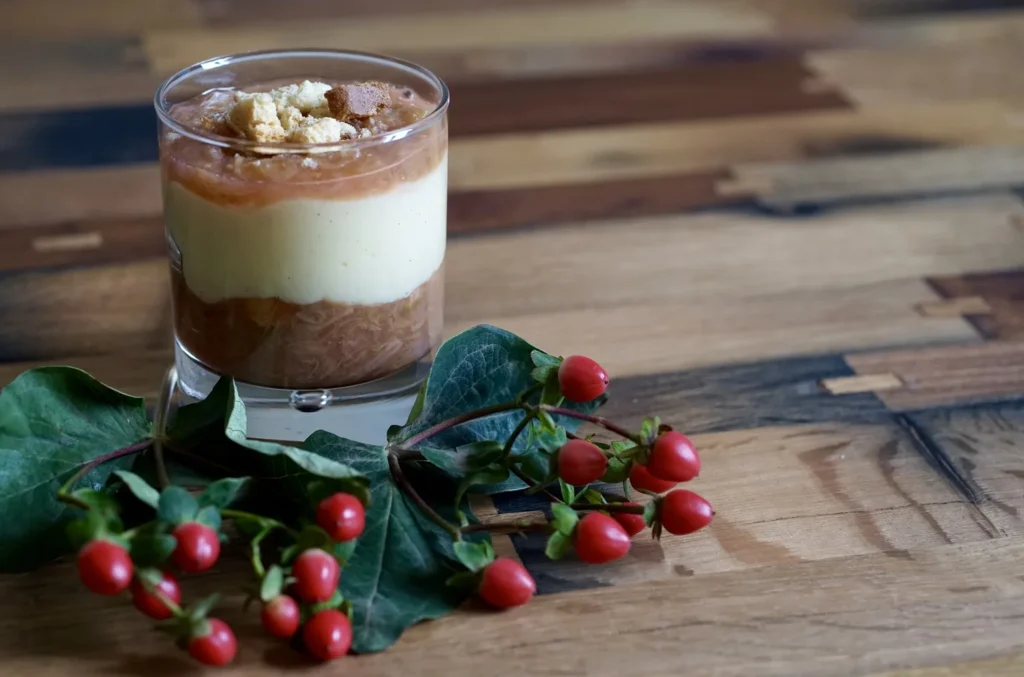
Götterspeise means “food of the gods” in German. This colorful jelly dessert is made with gelatin, sugar, and food coloring.
You can make it as simple layered jello in red, yellow, and green. This version looks like traffic lights in a bowl.
The fancier Swiss style has layers of fruit compote, custard, and biscuits. It’s similar to British trifle but uses zwieback cookies.
This dessert is light and refreshing. You can serve it at parties or family dinners.
18. Herrencreme (Gentlemen’s Cream)
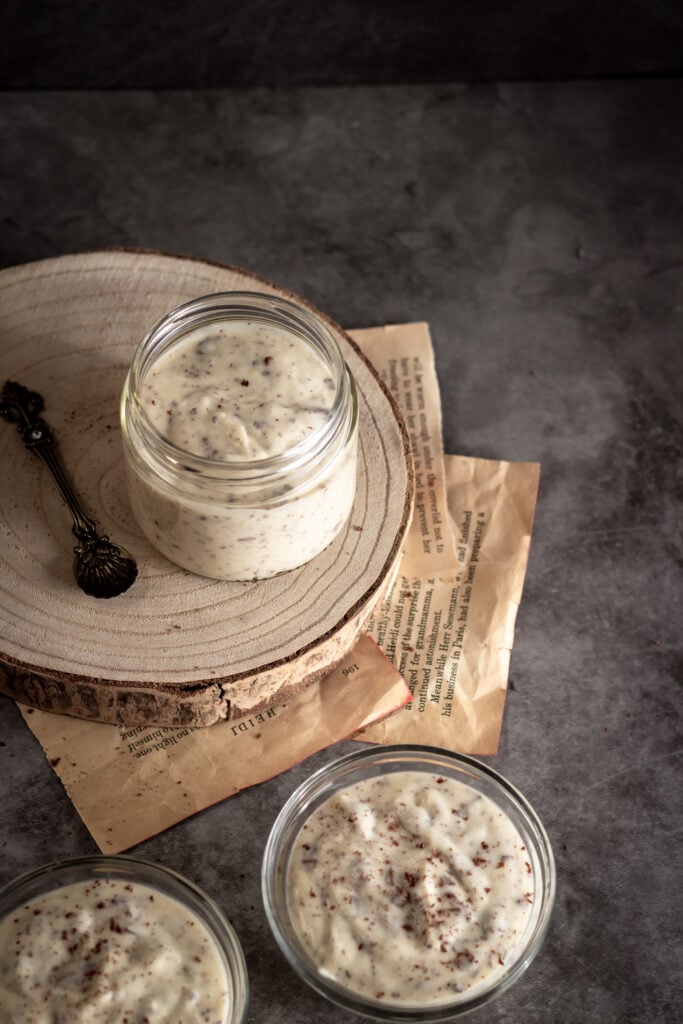
You’ll find this classic German dessert at weddings and special events. The name means “gentlemen’s cream” because it contains less sugar and more alcohol than typical desserts.
This creamy treat combines vanilla pudding with whipped cream and rum. You’ll taste rich flavors of vanilla, dark chocolate, and booze in every bite.
The dessert gets topped with grated dark chocolate or chocolate shavings. You can serve it chilled in cups or small bowls for the best presentation.

19. Zimtsterne (Cinnamon Star Cookies)
These traditional German Christmas cookies have been enjoyed since the 1500s. You’ll find them made with ground almonds and powdered sugar instead of flour.
The star-shaped cookies get their name from cinnamon, which gives them a warm spice flavor. They’re naturally gluten-free because they use almond flour as the base.
You’ll notice these cookies have a chewy texture similar to macaroons. They’re topped with white sugar icing that creates a sweet glaze on top of each star.

20. Rice Pudding (Milchreis)
Milchreis is a beloved German comfort dessert made with short-grain rice cooked slowly in milk. You’ll find it served warm and creamy with a sweet, vanilla flavor.
The dish uses simple ingredients like rice, milk, sugar, and vanilla. Short-grain rice like sushi rice or arborio rice works best for the creamy texture.
Germans traditionally top milchreis with cinnamon sugar or fruit compote. Some families serve it with melted butter and cinnamon instead.
You can enjoy this warm dessert any time of day. Many German families even eat it for dinner as a sweet meal.

21. Baumkuchen (Tree Cake)
Baumkuchen is Germany’s famous “tree cake” made from many thin layers of cake batter. When you slice it, the rings look like a tree trunk.
You build this cake by spreading thin layers of batter and broiling each one. This creates 20 to 30 golden layers that stack on top of each other.
The cake has a rich almond and marzipan flavor. Many recipes include a hint of rum for extra taste.
You can find Baumkuchen in German bakeries year-round, but it’s especially popular at Christmas time.
Role in German Celebrations
German desserts play an essential role in holiday traditions and special occasions. Each celebration includes sweet customs that bring people together.
Christmas brings Lebkuchen (spiced cookies) and Stollen (fruit bread) to German tables. These treats appear at Christmas markets throughout December.
Families pass down recipes for these holiday desserts from parents to children. This tradition keeps cherished flavors alive across generations.
Easter features special breads and cakes shaped like lambs or decorated with spring themes. These desserts mark the end of winter and celebrate new beginnings.
Oktoberfest showcases apple strudel and other fruit-based desserts. Beer gardens serve these sweets alongside traditional German meals.
The desserts balance the hearty flavors of festival foods. Their sweetness complements savory dishes during celebrations.
Birthday celebrations include special cakes made at home. German families often bake elaborate layer cakes for important milestones.
These homemade desserts show care and effort for loved ones. The act of baking together strengthens family bonds.
Regional Influences on Dessert Traditions
Different German regions created their own dessert specialties based on local ingredients and customs. These regional differences reflect the country’s diverse cultural history.
Southern Germany is famous for Black Forest Cake from the Black Forest region. The cake uses local cherries and kirsch (cherry brandy).
Bavaria also created apple strudel and other fruit pastries. These desserts highlight the region’s fruit harvests.
Northern Germany developed treats using ingredients from coastal areas. These regions focus on simple, hearty desserts that match their practical culture.
Eastern regions brought influences from neighboring countries. You’ll find desserts with Polish and Czech flavors in these areas.
These cross-cultural influences created unique German variations. Each region takes pride in its special desserts.
Local bakeries still make traditional recipes that have remained popular for hundreds of years. These bakeries preserve regional dessert heritage.
Ingredients and Techniques Used in German Pastry Making
German pastry making relies on specific ingredients like butter, eggs, and specialized flours that create rich textures. Traditional baking methods and proper tools help bakers achieve authentic results in classic German desserts.
Common Ingredients in Traditional Recipes
Butter forms the base of most German desserts. High-fat European-style butter provides the best flavor and texture.
German bakers use this butter at room temperature for creaming and cold for pastry doughs. This approach creates the right consistency for each type of dessert.
Eggs provide structure and richness. Many recipes require separating eggs to fold in whipped whites later.
This technique creates lighter cakes and tortes. The use of whipped egg whites adds airiness to the batter.
Flour types matter greatly in German baking. Type 405 flour equals all-purpose flour in America.
Type 550 flour has more protein and works well for breads and some pastries. Choosing the right flour affects the dessert’s texture.
Sugar varieties include regular granulated sugar and powdered sugar. Some recipes use pearl sugar or vanilla sugar for extra flavor.
Quark appears in many German desserts. This fresh cheese adds moisture and tang to cheesecakes and pastries.
You can substitute with cream cheese if needed. Quark gives German cheesecakes their distinct texture.
Ground nuts like almonds and hazelnuts replace some flour in many recipes. These create dense, moist textures in tortes and cookies.
Baking Methods and Tools
Creaming butter and sugar requires beating them together until light and fluffy. This process takes 3-5 minutes and creates air bubbles that help cakes rise.
Folding techniques preserve air in batters. You’ll fold whipped egg whites or cream into mixtures using gentle circular motions.
Never stir vigorously or you’ll lose the lightness. Gentle folding keeps cakes and tortes airy.
Springform pans are essential for German tortes and cheesecakes. These removable-bottom pans make it easy to remove delicate cakes without damage.
Kitchen scales ensure accuracy. German recipes measure ingredients by weight rather than volume.
This method gives more consistent results than measuring cups. Accurate measurements lead to better desserts.
Double boilers help melt chocolate and cook custards gently. You can make one using a bowl over simmering water if you don’t have a proper double boiler.
Frequently Asked Questions
German desserts feature rich flavors like chocolate, cherries, apples, and cream cheese. Many recipes use simple ingredients you can find at most grocery stores, while others require specific techniques passed down through generations.
What are some classic German desserts?
Black Forest cake stands out as Germany’s most famous dessert. This chocolate cake layers cherries and whipped cream between sponge cake layers.
Apple strudel is another classic you’ll find across Germany. The thin pastry wraps around spiced apples and gets served warm.
German cheesecake differs from American versions. It uses quark cheese instead of cream cheese, creating a lighter texture.
Bavarian cream appears in many German desserts. This custard-based cream gets flavored with vanilla or fruit.
How do you make a traditional Black Forest cake?
Start by baking chocolate sponge cake layers. You’ll need three round layers for the traditional version.
Soak the cake layers with cherry juice or kirsch liqueur. This adds moisture and cherry flavor throughout the cake.
Layer whipped cream and sour cherries between each cake layer. Fresh cherries work best, but jarred cherries are acceptable.
Cover the entire cake with whipped cream. Top with chocolate shavings and fresh cherries for decoration.
What ingredients are typically used in German dessert recipes?
Butter forms the base of most German baking recipes. You’ll use it in cakes, cookies, and pastry dough.
Apples appear in many traditional desserts. German bakers prefer tart varieties like Granny Smith for baking.
Quark cheese is essential for authentic German cheesecakes. This soft cheese creates the signature texture and mild flavor.
Cherries, especially sour cherries, feature in numerous recipes. They pair well with chocolate and vanilla flavors.
Could you suggest any popular German pastry dishes?
Berliner donuts are filled pastries similar to jelly donuts. They get filled with jam, cream, or custard before serving.
Bee sting cake combines yeast dough with honey-almond topping. The cake gets split and filled with vanilla cream.
Stollen is a Christmas bread filled with dried fruits and nuts. Bakers dust it with powdered sugar before serving.
Dampfnudeln are steamed sweet dumplings. You can serve them with vanilla sauce or plum compote.
What are the origins of the German dessert, Baumkuchen?
Baumkuchen actually originated in Germany despite being popular in Japan today. The name means “tree cake” in German.
German bakers created this dessert by layering thin cake batter on a rotating spit. Each layer creates rings that look like tree growth rings.
The technique requires skill and patience. Bakers must apply each layer evenly while the previous layer bakes.
Today, few German bakeries still make traditional Baumkuchen. The dessert found new popularity in Japan after World War I.
Are there any German desserts that can be prepared quickly and easily at home?
German butter cookies require only basic ingredients. Mix butter, sugar, flour, and eggs to create simple dough.
Apfelkompott features stewed apples and takes 20 minutes to make. Serve it warm with vanilla ice cream or whipped cream.
Quark dessert cups layer the soft cheese with berries and honey. You don’t need to bake this refreshing treat.
Kaiserschmarrn is a torn pancake that cooks in one pan. Dust it with powdered sugar and serve with plum jam.