
Latin American cuisine offers some of the world’s most flavorful and diverse dishes. From the beaches of Peru to the mountains of Mexico, each country brings its own unique cooking style and ingredients to create meals that are both comforting and exciting.
These 21 authentic Latin food recipes will help you bring the vibrant tastes of Latin America directly to your kitchen. You’ll discover hearty stews from Brazil, fresh seafood dishes from coastal regions, and traditional comfort foods that have been passed down through generations.
Each recipe uses ingredients you can find at most grocery stores. This makes it easy to explore new flavors without leaving home.
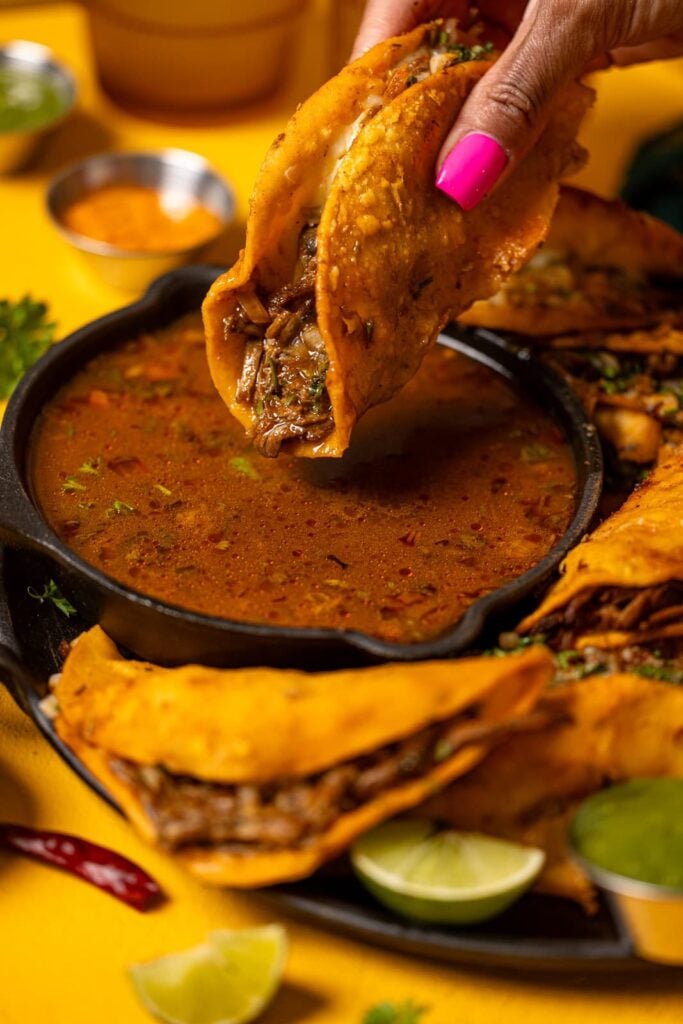
1. Birria Tacos
Birria tacos come from Mexico and feature slow-braised beef in rich spices. You dip corn tortillas in the flavorful cooking broth called consommé before filling them.
The tender meat gets packed into the dipped tortillas with onions and cilantro. You then crisp the tacos on a griddle until golden.
These tacos are served with the warm consommé on the side for dipping. The combination creates a crispy exterior and juicy interior.
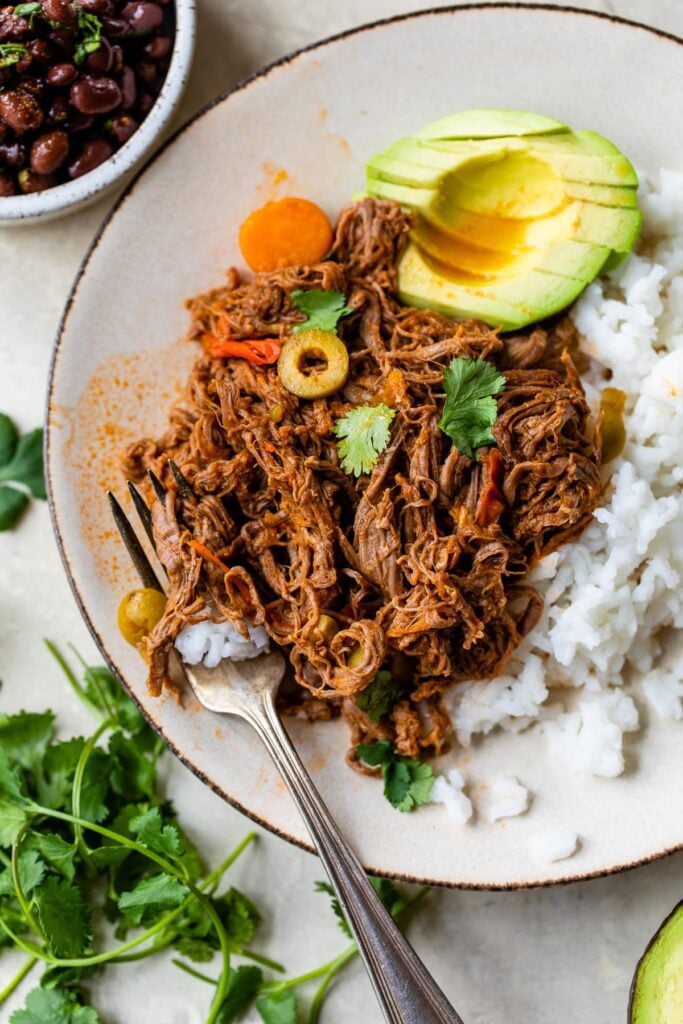
2. Cuban Ropa Vieja
You will love this classic Cuban dish that translates to “old clothes.” The name comes from how the shredded beef looks like torn fabric.
This comfort food features tender beef that cooks slowly in a rich tomato sauce. You add bell peppers, onions, and garlic for extra flavor.
The meat becomes so soft you can shred it easily with a fork. You typically serve ropa vieja over white rice with black beans on the side.

3. Peruvian Ceviche
Peruvian ceviche is Peru’s national dish. You marinate fresh raw fish in lime juice until it “cooks” from the acid.
The basic recipe uses white fish, lime juice, red onions, and ají peppers. You add salt and cilantro for extra flavor.
You should serve ceviche immediately after making it. Traditional sides include sweet potato, corn, and plantain chips.
The lime juice must be fresh and the fish very fresh for the best taste and safety.

4. Argentinian Chimichurri Steak
This classic dish pairs perfectly grilled steak with vibrant chimichurri sauce. The sauce combines fresh parsley, oregano, garlic, red wine vinegar, and olive oil.
You can use flank steak or any cut you prefer. Grill the steak over high heat until it reaches your desired doneness.
The chimichurri sauce is served at room temperature. You can brush it on while grilling or serve it on the side.

5. Mexican Enchiladas
Mexican enchiladas bring comfort food to your dinner table. These corn tortillas get filled with chicken, beef, or cheese, then rolled up tight.
You cover them with red or green enchilada sauce. The sauce makes all the difference in flavor.
Top your enchiladas with Mexican cheese and bake until bubbly. Fresh cilantro and diced onions add the perfect finishing touch.

6. Brazilian Feijoada
Brazilian Feijoada is the national dish of Brazil. This hearty black bean stew combines tender pork and beef with rich spices.
You slow-cook black beans with various cuts of meat for hours. The long cooking time creates deep, smoky flavors throughout the dish.
Brazilians traditionally serve feijoada with white rice and farofa. Farofa is toasted cassava flour that adds a nutty crunch.
You can also add collard greens and orange slices as side dishes. These fresh elements balance the rich, heavy stew.
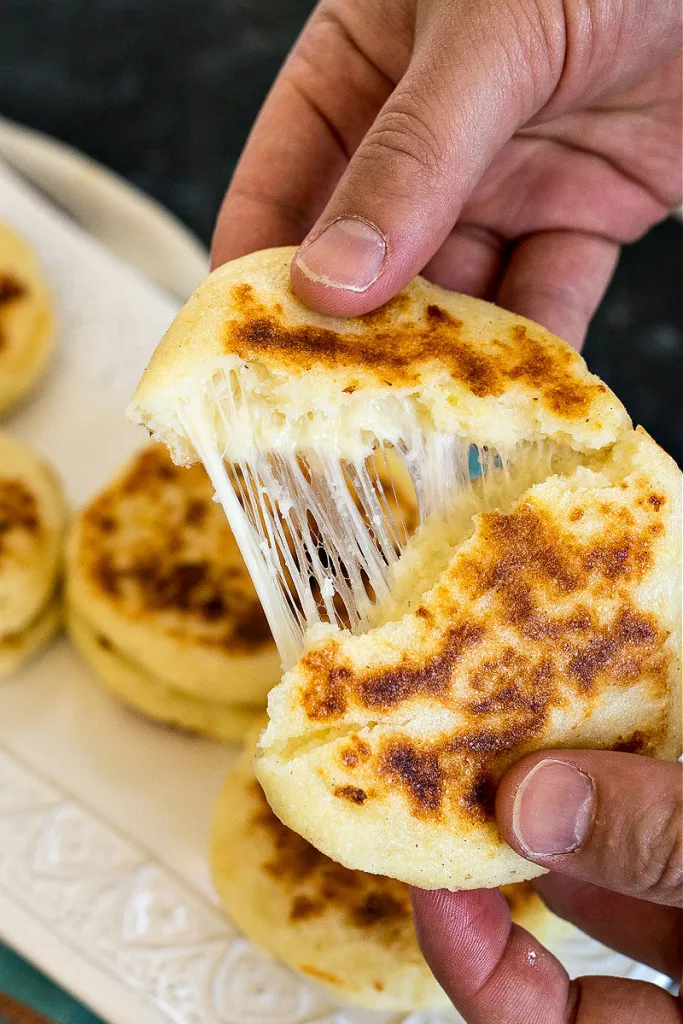
7. Colombian Arepas
Colombian arepas are small round breads made from cornmeal, salt, and water. You can grill or fry them until golden brown.
These versatile cornmeal cakes have a crispy outside and soft inside. You’ll find them served at breakfast or as dinner sides.
The most popular version includes mozzarella cheese mixed into the dough. You can also make plain arepas and stuff them with your favorite fillings.
You cook them on a griddle or pan until both sides turn golden. They’re naturally gluten-free and easy to customize.

8. Dominican Mangu
Dominican Mangu is a beloved comfort food made from mashed green plantains. This creamy dish forms the base of “Los Tres Golpes,” a traditional Dominican breakfast.
You boil green plantains until tender, then mash them with cooking liquid and butter. The result resembles smooth mashed potatoes with rich flavor.
Mangu gets topped with sautéed onions for extra taste. You can serve it with fried cheese, salami, or eggs for a complete meal.
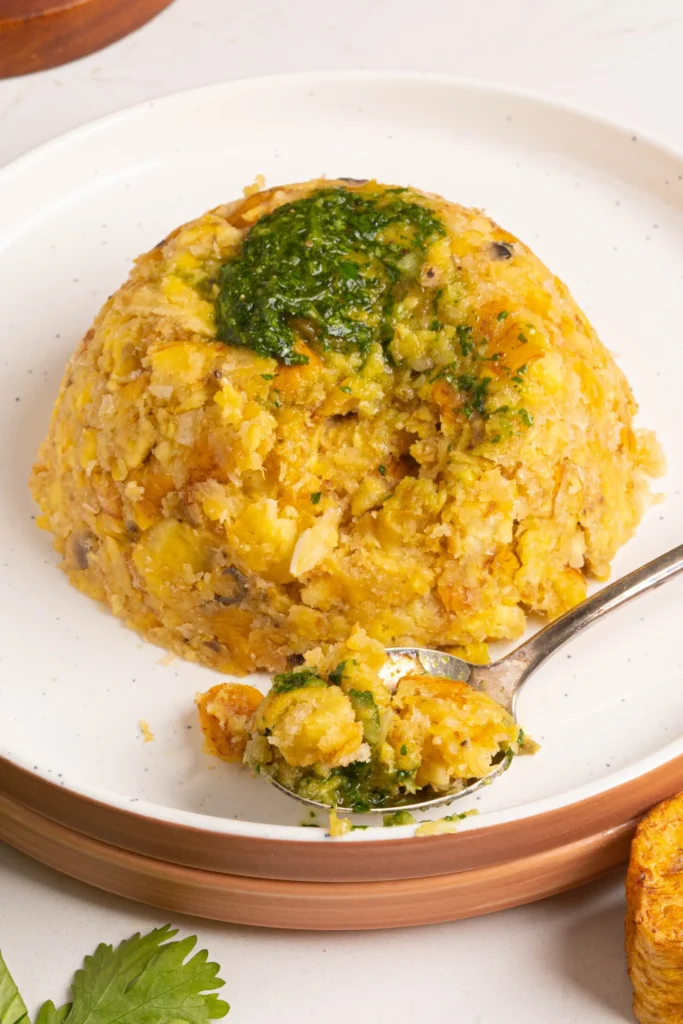
9. Puerto Rican Mofongo
Mofongo brings the bold flavors of Puerto Rico to your table. This traditional dish combines fried green plantains with garlic and crispy pork rinds called chicharrones.
You mash these ingredients together to create a savory, flavorful side dish. The texture is similar to mashed potatoes but with a unique Caribbean twist.
The dish takes about 25 minutes to make at home. You can serve mofongo alongside stews, sauces, or grilled meats.

10. Venezuelan Pabellón Criollo
Pabellón Criollo is Venezuela’s national dish. You’ll find four main parts on your plate.
The dish includes tender shredded beef called carne mechada. Black beans known as caraotas negras add protein and flavor.
White rice provides the base for this hearty meal. Sweet fried plantains called tajadas complete the combination.
This traditional recipe takes time to prepare properly. Each part cooks separately before you bring them together.

11. Chilean Empanadas
Chilean empanadas are filled pastries that many consider the best in South America. You’ll find these golden pockets stuffed with seasoned beef, onions, hard-boiled eggs, and black olives.
The dough is made with wheat flour and rolled thin before folding. You can bake or fry these empanadas until crispy.
These savory treats work perfectly as appetizers or main dishes. You’ll taste why Chileans take such pride in their empanada recipes.

12. Paraguayan Sopa Paraguaya
Sopa Paraguaya is Paraguay’s national dish, but it’s not actually a soup. The name means “Paraguayan soup” in Spanish, yet this dish is a thick, cheesy cornbread.
You’ll find it made with corn flour, cheese, onions, eggs, and milk. The dish comes from Guarani indigenous traditions of cooking corn-based meals wrapped in leaves.
This dense, moist bread tastes rich and savory. You can eat it as a side dish or on its own for any meal of the day.

13. Ecuadorian Llapingachos
Llapingachos are crispy potato patties stuffed with cheese. These traditional Ecuadorian pancakes are made from mashed potatoes and cooked on a hot griddle.
You can serve them with peanut sauce and fried eggs. Many people add avocado slices and tomato curtido on top.
These potato patties work great for breakfast or as a snack. You can also use them as a side dish with other meals.
The cheese melts inside the crispy potato exterior. This creates a perfect mix of textures and flavors.

14. Guatemalan Pepian
Pepian is Guatemala’s national dish. This chicken stew has deep roots in Mayan cooking traditions.
The dish combines tender chicken with a rich tomato-based sauce. You’ll taste roasted pumpkin seeds, sesame seeds, and mild chiles in every bite.
The sauce gets its thick texture from ground seeds. Roma tomatoes add sweetness while spices create warm, earthy flavors.
You can make pepian at home with basic ingredients. It’s similar to Mexican mole but doesn’t include chocolate.

15. Honduran Baleadas
You’ll love these thick, soft flour tortillas filled with simple ingredients. Baleadas are Honduras’ most popular street food.
The basic filling includes refried beans, scrambled eggs, and crumbled cheese. You can add avocado and Honduran cream for extra flavor.
You make the tortillas from scratch using flour dough. Cook them on a griddle until they’re soft and slightly thick.
You can eat baleadas for breakfast, lunch, or dinner. They take just minutes to assemble once you have the tortillas ready.

16. Salvadoran Pupusas
Pupusas are El Salvador’s national dish. These thick corn tortillas come stuffed with cheese, beans, or meat.
You make them with masa harina flour and water. Roll the dough into balls, then flatten and add your filling.
Popular fillings include cheese, refried beans, and chicharrón. Seal the edges and cook on a griddle until golden brown.
Serve your pupusas with curtido and salsa roja. Curtido is pickled cabbage slaw that adds tangy crunch.

17. Costa Rican Gallo Pinto
Gallo Pinto is Costa Rica’s national dish. You’ll find this rice and bean mixture served at breakfast tables across the country.
The dish combines black beans and white rice with onions and bell peppers. Most recipes include cilantro and garlic for extra flavor.
You can make it with canned or dried beans. The key ingredient is Salsa Lizano, a special Costa Rican sauce that gives the dish its unique taste.
Serve your Gallo Pinto with fried eggs and sweet plantains for a traditional breakfast.

18. Uruguayan Chivito
The chivito is Uruguay’s national dish and one of the world’s best sandwiches. This hearty creation features tender grilled steak as its main ingredient.
You’ll find layers of bacon, ham, and a fried egg stacked on top. Fresh lettuce, tomatoes, and melted cheese complete the filling.
The sandwich comes served on a soft, lightly toasted bun. Despite its name meaning “goat” in Spanish, no goat meat is used.
You can order chivito in three ways: al pan (sandwich), al plato (on a plate), or canadiense (Canadian style with additional toppings).

19. Mexican Tamales
Mexican tamales are corn-based pockets filled with meat, cheese, or vegetables. You wrap the masa dough and filling in corn husks before steaming.
These traditional treats date back to ancient Aztec and Mayan civilizations. They served as portable food for warriors and travelers.
You can fill tamales with pork, chicken, beef, beans, or cheese. The masa should be light and fluffy for the best texture.
Making tamales takes time but creates delicious results for special occasions.

20. Cuban Medianoche Sandwich
The Cuban Medianoche sandwich gets its name from the Spanish word for “midnight.” You’ll find this pressed sandwich made with sweet egg bread similar to challah.
Your medianoche includes roast pork, ham, Swiss cheese, pickles, and mustard. The bread makes it different from regular Cuban sandwiches.
You press the sandwich on a griddle until hot and crispy. Serve it with fried plantains and black beans for an authentic Cuban meal.

21. Peruvian Lomo Saltado
Lomo saltado is Peru’s most popular stir-fry dish. You’ll find tender strips of beef mixed with onions, tomatoes, and crispy French fries.
This dish shows Peru’s Chinese influence on local cooking. The recipe uses soy sauce and stir-fry methods from Chinese cuisine.
You serve lomo saltado with white rice on the side. The beef is usually sirloin, cooked quickly over high heat.
The dish includes aji amarillo peppers for mild heat and color. You can make this flavorful meal in about 30 minutes.
Essential Ingredients in Latin Cuisine
Latin cooking relies on bold spices like cumin and paprika, filling grains like rice and beans, and flavorful proteins from chicken to seafood. These core ingredients create the authentic tastes that make Latin dishes so memorable.
Spices and Seasonings
Cumin forms the backbone of many Latin dishes. You’ll find it in everything from Mexican tacos to Cuban black beans.
Paprika adds both color and mild heat to your cooking. Spanish paprika works especially well in rice dishes and meat marinades.
Oregano brings earthy flavor to Latin recipes. Mexican oregano tastes different from regular oregano—it’s more floral and citrusy.
Garlic appears in almost every Latin recipe. Fresh garlic cloves give the best flavor for sofrito and marinades.
Cilantro adds fresh, bright notes to salsas and soups. Some people love it while others don’t, but it’s essential in authentic Latin cooking.
Achiote gives food a red color and nutty taste. You can buy it as seeds or paste for dishes like cochinita pibil.
Lime juice brightens heavy dishes and works as a natural meat tenderizer. Always use fresh lime juice instead of bottled.
Staple Grains and Legumes
Rice serves as the base for countless Latin meals. Long-grain white rice works best for most dishes like arroz con pollo.
Black beans appear on tables across Latin America. They’re protein-rich and pair perfectly with rice and plantains.
Pinto beans show up often in Mexican cooking. You can use them whole in soups or mashed for refried beans.
Corn comes in many forms—fresh kernels, masa flour, and hominy. Masa flour makes tortillas and tamales possible.
Quinoa originally comes from South America. This grain has more protein than rice and works well in salads and side dishes.
White beans work great in hearty stews and soups. They absorb flavors well and add substance to vegetarian dishes.
Popular Proteins
Chicken appears in more Latin dishes than any other meat. Whole chickens cost less and give you dark and white meat options.
Pork shows up in carnitas, pernil, and Cuban sandwiches. Pork shoulder has enough fat to stay moist during long cooking.
Beef works well for dishes like ropa vieja and carne asada. Chuck roast breaks down nicely for braised dishes.
Fish varies by region—cod in Caribbean dishes, sea bass in ceviche. Fresh fish always tastes better than frozen.
Shrimp cooks quickly and takes on Latin flavors well. Buy shell-on shrimp for better taste and texture.
Chorizo adds smoky, spicy flavor to rice dishes and stews. Spanish chorizo is cured while Mexican chorizo needs cooking.
Cultural Influences on Latin Food
Latin American cuisine blends indigenous ingredients with European cooking methods and African techniques. These three cultures created the bold flavors and unique dishes you find across Latin America today.
Indigenous Traditions
Native American groups gave Latin food its foundation. They grew corn, beans, and squash together in a system called the Three Sisters.
Aztecs and Mayans used chocolate in drinks and ceremonies. They also ate tomatoes, avocados, and chili peppers daily.
Incas in Peru grew over 3,000 types of potatoes. They created freeze-drying methods that still work today.
Indigenous people made tortillas from corn and quinoa bowls in the mountains. They used clay pots to steam tamales wrapped in corn husks.
Key Indigenous Ingredients:
- Corn (maize)
- Beans
- Squash
- Tomatoes
- Chili peppers
- Chocolate (cacao)
- Potatoes
- Quinoa
You can taste these original flavors in modern tacos, empanadas, and stews.
European and African Impact
Spanish and Portuguese settlers brought rice, wheat, and pork to Latin America. They also introduced cattle for beef and dairy.
Europeans added garlic, onions, and olive oil to local cooking. They brought frying and baking techniques that changed how people cooked.
African slaves contributed important cooking methods. They used slow-cooking techniques for tough meats.
They also brought plantains and yams from Africa.
Spanish influences include:
- Rice dishes like paella
- Wheat flour for bread
- Pork and beef cooking
- Dairy products
African contributions:
- One-pot cooking methods
- Spice blending techniques
- Plantain preparations
- Slow-braised meats
Frequently Asked Questions
Many home cooks want to know which Latin dishes work best for different situations and how to stock their kitchens properly. These questions cover everything from beginner-friendly recipes to party planning and seasonal cooking.
What are some classic Latin American dishes that are simple to prepare at home?
Birria tacos make an excellent starting point for beginners. You can use a slow cooker to make the meat tender and flavorful.
Mexican enchiladas require basic ingredients like tortillas, cheese, and sauce. Most grocery stores carry everything you need.
Peruvian ceviche needs just fresh fish, lime juice, onions, and peppers. The acid from the lime “cooks” the fish without heat.
Cuban ropa vieja works well in a slow cooker too. Shred the beef after cooking and serve over rice.
Can you recommend a variety of Latin fusion recipes that combine traditional elements with modern twists?
Try birria grilled cheese sandwiches using the traditional birria broth for dipping. This combines Mexican flavors with American comfort food.
Make ceviche tacos by putting the marinated fish in soft tortillas. Add avocado and cilantro for extra flavor.
Turn ropa vieja into quesadillas by adding the shredded beef and cheese between tortillas. Serve with sour cream and salsa.
Create chimichurri pasta by tossing the Argentine herb sauce with noodles and grilled chicken. The fresh herbs work well with Italian-style dishes.
What are the key ingredients to have on hand for authentic Hispanic food recipes?
Stock your spice rack with cumin, chili powder, paprika, and oregano. These appear in many Latin dishes.
Keep fresh cilantro, limes, onions, and garlic in your kitchen. You will use these ingredients often.
Buy different types of dried chiles like ancho, chipotle, and guajillo. They add deep flavor to sauces and stews.
Store corn tortillas, black beans, and white rice in your pantry. These form the base of many meals.
Which Latin American recipes are suitable for a quick lunch but still packed with flavor?
Ceviche takes about 30 minutes to prepare. The lime juice does most of the work for you.
Make quesadillas with leftover ropa vieja or any cooked meat. They cook in just a few minutes per side.
Prepare simple tacos with store-bought rotisserie chicken and fresh toppings. Add salsa and lime for instant flavor.
Cuban sandwiches work well if you have the ingredients ready. Press them in a pan until the bread gets crispy.
What are the top Latin American dishes that can be served during the summertime?
Ceviche makes a perfect summer dish since it requires no cooking. The cold, fresh fish tastes great in hot weather.
Grilled chimichurri steak works well for barbecues. The herb sauce stays fresh and bright in warm temperatures.
Cold gazpacho soup from Spain provides a refreshing start to summer meals. Serve it chilled with crusty bread.
Make agua frescas with fresh fruit for cooling drinks. Popular flavors include watermelon, cucumber, and hibiscus.
Could you provide some popular Latin potluck recipes perfect for large gatherings?
Birria tacos work great for crowds. You can make large batches of meat and set up a taco bar with various toppings.
Cuban ropa vieja feeds many people easily. Serve it over rice with black beans on the side.
Make large trays of enchiladas ahead of time. They reheat well and satisfy big groups.
Prepare empanadas with different fillings for variety. People can grab them easily without utensils.