
Caribbean cooking brings together bold spices, fresh ingredients, and cooking methods passed down through many generations. The islands have created unique dishes that mix African, European, and native flavors into something special.
Each island has its own food traditions, from Jamaica’s spicy jerk seasoning to Cuba’s hearty stews. The recipes include popular dishes from Jamaica, Cuba, Trinidad, Puerto Rico, Haiti, and other Caribbean islands.
These 21 recipes will help you make real Caribbean dishes in your own kitchen, covering everything from main courses like curry goat and ropa vieja to sides like festival bread and sweet treats like black cake. You’ll learn about the key spices and cooking tips that make Caribbean food taste authentic.

1. Jerk Chicken
Jerk chicken brings bold Caribbean flavors to your dinner table. This Jamaican dish uses a spicy marinade with scotch bonnet peppers and warm spices.
The marinade combines soy sauce, allspice, nutmeg, and fiery peppers. You can grill or bake the marinated chicken for best results.
This recipe creates juicy meat with a crispy, flavorful crust. The spicy-sweet flavors make it perfect for family dinners or gatherings.

2. Cuban Ropa Vieja
Cuban Ropa Vieja is a classic comfort dish made with slow-cooked shredded beef. You braise flank steak for hours until it becomes tender and falls apart easily.
The beef cooks in a rich tomato sauce with onions, bell peppers, and garlic. You add Spanish olives and capers for extra flavor.
Common spices include cumin, allspice, and adobo seasoning. Some recipes use achiote oil for color and taste.
You serve this hearty dish over white rice with black beans on the side.

3. Trinidadian Doubles
Doubles is Trinidad’s most famous street food. You get two soft, fried flatbreads called bara filled with spicy curried chickpeas known as channa.
This popular snack comes from Trinidad’s East Indian community. The bread is light and fluffy while the chickpeas are seasoned with curry and spices.
You can find doubles sold by street vendors throughout Trinidad. It’s cheap, filling, and fits perfectly in your hand for easy eating.
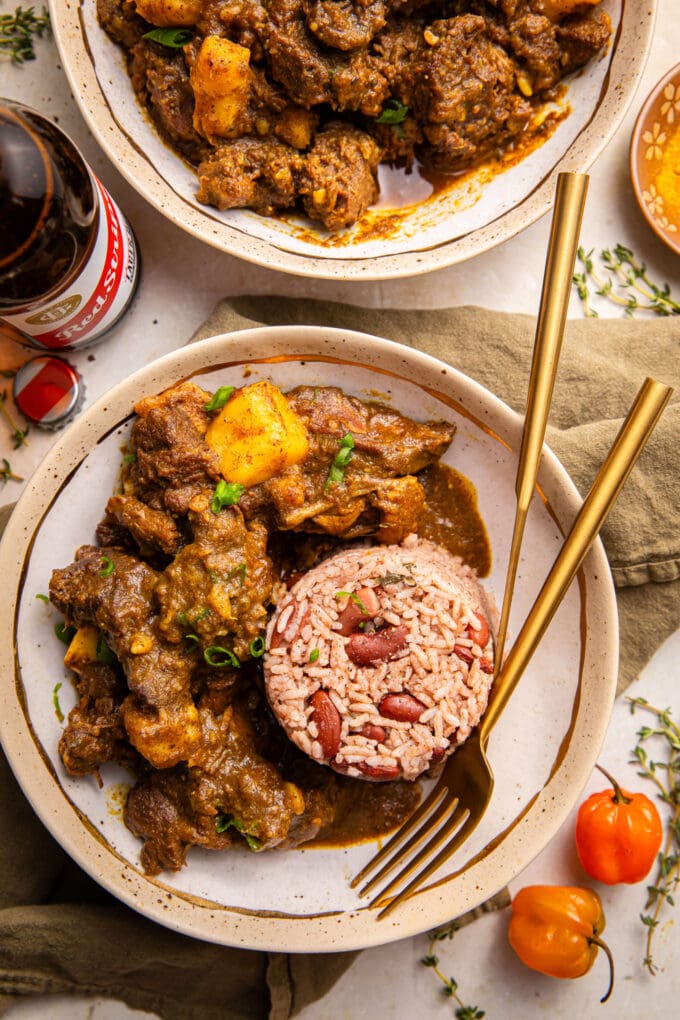
4. Jamaican Curry Goat
Jamaican curry goat is a slow-cooked stew that features tender goat meat in rich curry sauce. The meat is marinated with traditional spices like scallion, garlic, ginger, and thyme.
You can find goat meat at specialty butcher shops, Caribbean grocery stores, or farmers’ markets. Many large supermarkets also carry it.
The dish uses scotch bonnet peppers for heat and Jamaican curry powder for authentic flavor. You cook the meat slowly until it becomes fork-tender and falls off the bone.

5. Puerto Rican Mofongo
Mofongo is a classic Puerto Rican dish made from fried green plantains. You mash the plantains with garlic, salt, and crispy pork cracklings called chicharrones.
The dish has a rich, savory flavor that makes it perfect comfort food. You can serve mofongo as a side dish or main course.
Making mofongo takes about 25 minutes. You fry the plantains until golden, then mash them in a wooden bowl called a pilón with the other ingredients.

6. Haitian Griot
Haitian Griot is one of Haiti’s most loved dishes. This crispy fried pork uses pork shoulder cut into chunks.
The meat gets marinated in citrus juice, garlic, and herbs. After marinating, you boil the pork until tender.
Then you fry the pieces until they turn golden brown and crispy. The result is juicy meat with a crunchy outside.
You can serve Griot with pikliz, which is spicy pickled vegetables. Fried plantains also make a great side dish.

7. Bahamian Rock Lobster
Bahamian rock lobster brings the taste of the Caribbean to your kitchen. This sweet, tender seafood works well in many dishes.
You can grill the lobster tails with butter and lemon juice for a simple meal. Cut them in half lengthwise and cook over medium-high heat.
Rock lobster also makes great salads and creamy dishes. The meat pairs well with bold Caribbean spices and fresh herbs.
This lobster has a rich flavor that tastes great on its own or mixed with other ingredients.

8. Barbadian Cou-Cou and Flying Fish
This dish is the national food of Barbados. You get tender flying fish with creamy cou-cou made from cornmeal and okra.
The fish is seasoned with local spices. It’s often cooked in a spicy tomato sauce that brings out Caribbean flavors.
Cou-cou has a smooth texture that pairs well with the fish. The combination shows off the island’s mix of African, British, and Caribbean cooking styles.
You can find this dish throughout Barbados at local restaurants and food stands.

9. Jamaican Ackee and Saltfish
Ackee and saltfish is Jamaica’s national dish. You’ll find this hearty meal combines ackee fruit with salted cod.
The ackee fruit came from West Africa in the 1700s. It has a creamy texture that pairs well with salty fish.
You can make this dish with canned ackee for convenience. Add onions, peppers, and spices for full flavor.
Jamaicans typically eat this for breakfast or brunch. You can serve it with rice, bread, or fried plantains.

10. Cuban Picadillo
Cuban picadillo brings bold flavors to your kitchen with ground beef as the star. You’ll love how this dish combines savory meat with olives, capers, and raisins.
The recipe takes just 30 minutes to make in one pan. You cook the beef with onions, garlic, and traditional Cuban spices.
What makes picadillo special is the mix of sweet and salty ingredients. The raisins add sweetness while olives and capers bring a tangy kick.
You can serve this over rice for a complete meal. It also works great as filling for tacos or empanadas.

11. Trinidadian Callaloo
Trinidadian callaloo is a beloved dish made with taro leaves, okra, and coconut milk. You’ll find it served as both a soup and side dish depending on who makes it.
This green dish includes crab, salt meat, onions, and scotch bonnet peppers. Fresh herbs like thyme add extra flavor.
You’ll typically eat callaloo during Sunday lunch in Trinidad. It pairs perfectly with white rice, macaroni pie, and stewed chicken.

12. Tobagonian Crab and Dumplings
This dish is the official national dish of Tobago. You’ll love the rich curry sauce made with coconut milk and warm spices.
The crabs are seasoned with curry powder, salt, and local green seasoning. They marinate for hours to soak up all the flavors.
You cook the crab in coconut oil with cumin seeds and curry leaves. The sauce becomes thick and creamy from the coconut milk.
The dumplings are light and soft. They soak up the curry sauce perfectly and make the meal more filling.

13. Jamaican Pepperpot Soup
This green soup brings comfort to your kitchen with its rich flavors. You’ll use callaloo as the main ingredient, which tastes like a mix of spinach and kale.
The soup combines meats like salted pork or beef with vegetables. You can add okra, yam, and dumplings for extra heartiness.
Coconut milk gives the soup its creamy texture. Scotch bonnet peppers add the signature Caribbean heat you expect.
You can make this soup in about 90 minutes using one pot. It’s perfect for cold days when you want something warming.

14. Dominican Sancocho
Dominican Sancocho is the country’s national dish and ultimate comfort food. This hearty stew combines multiple meats with root vegetables and bold Caribbean seasonings.
You’ll find pork, chicken, and beef mixed with starchy vegetables like yuca, plantains, and sweet potatoes. The traditional version uses seven different meats.
Dominican families often make this dish on rainy days or for special gatherings.

15. Trinidadian Black Cake
Trinidadian black cake is a rich, dense fruit cake that holds deep meaning in Caribbean culture. You’ll find this boozy dessert at Christmas celebrations, weddings, and other special occasions.
The cake gets its dark color from rum-soaked dried fruits and browning. You soak the fruits in rum or wine for weeks before baking.
Each family has their own recipe with different fruit combinations and alcohol choices. The texture is moist and heavy from the generous amount of alcohol used.
This festive treat originated from British figgy pudding but evolved into something uniquely Caribbean.

16. Cuban Black Beans and Rice
Cuban black beans and rice is a classic dish found throughout the Caribbean. This traditional recipe combines tender black beans with perfectly cooked rice.
The dish gets its rich flavor from onions, garlic, and bell peppers. These ingredients create a tasty base called sofrito.
Many recipes also include cumin and bay leaves for extra taste. You can make this meal vegetarian or add meat if you prefer.
The beans are usually simmered for hours to develop deep flavors. Some cooks add red wine vinegar at the end for brightness.
This hearty dish works as a main course or side dish.

17. Jamaican Festival Bread
Festival bread is Jamaica’s beloved fried bread. You make it with flour, cornmeal, sugar, baking powder, salt, and butter.
The dough should be stiff but easy to work with. You roll small pieces into long, thin ropes about 10 inches long.
When you fry them, they get golden brown and crispy outside. The inside stays soft and fluffy.
Festival bread pairs perfectly with jerk chicken or other Caribbean dishes. You can also enjoy it as a snack on its own.

18. Haitian Akra Fritters
Haitian Akra fritters are crispy, golden appetizers made from malanga root. You’ll love these savory bites that pack bold Caribbean flavors.
The main ingredient is malanga, a starchy root vegetable. You grate it and mix it with garlic, scallions, and hot peppers.
Some recipes add eggs to bind the mixture. You can also make akra with taro root or cassava.
Many cooks add shredded cod or herring for extra flavor. These fritters are deep-fried until golden brown and crunchy outside.

19. Puerto Rican Pasteles
You’ll discover one of Puerto Rico’s most treasured dishes in pasteles. These steamed delights feature savory meat fillings wrapped in plantain-based masa.
The traditional filling combines pork with adobo seasoning. You wrap each pastel in banana leaves before steaming.
Puerto Rican families gather during Christmas to make pasteles together. You can fill them with beef, chicken, or vegetarian options.
The masa uses green plantains and other root vegetables. You’ll need patience since making pasteles takes time and effort.

20. Barbadian Pepperpot
Barbadian Pepperpot is a hearty stew that brings together bold Caribbean flavors. This traditional dish combines multiple meats like beef, pork, and chicken in one pot.
The key ingredient is cassareep, a dark sauce made from cassava. You’ll also add warm spices like cinnamon and cloves to create depth.
Hot peppers give this stew its signature kick. Scotch bonnet or habanero peppers work best for authentic heat.
This one-pot meal cooks slowly to blend all the flavors together.

21. Jamaican Escovitch Fish
This Caribbean dish features crispy fried fish topped with spicy pickled vegetables. You fry red snapper until golden, then cover it with a tangy sauce.
The sauce combines vinegar, onions, carrots, and hot peppers. Scotch bonnet peppers give it serious heat.
Allspice berries add extra flavor. You can serve escovitch fish with bammy, a traditional cassava flatbread.
It also pairs well with fried plantains or festival bread. Many families enjoy it during Easter celebrations across Jamaica.
Understanding Caribbean Flavor Profiles
Caribbean cooking builds on four main tastes: sweet, savory, spicy, and aromatic. These flavors come from three main cultural influences that shaped island cooking over hundreds of years.
Signature Herbs and Spices
Allspice forms the base of Caribbean cooking. You’ll find this warm spice in jerk seasoning and many meat dishes.
Scotch bonnet peppers bring intense heat and fruity flavor. These small peppers pack more punch than jalapeños.
Thyme adds earthy notes to stews and marinades. Fresh thyme works better than dried for most recipes.
Key spices include:
- Cumin – earthy and warm
- Coriander – citrusy and fresh
- Nutmeg – sweet and nutty
- Cinnamon – warm and sweet
Fresh herbs like cilantro, parsley, and green onions brighten heavy dishes. Garlic and ginger add sharp, pungent flavors.
Bay leaves go into rice dishes and stews. Curry powder creates the base for many chicken and goat dishes.
Influences from African, European, and Indigenous Cuisines
African cooking brought one-pot stews, rice dishes, and bold spice blends. Enslaved Africans used local ingredients to recreate familiar flavors.
European colonizers introduced dairy, wheat, and preservation methods. Spanish, French, British, and Dutch settlers each left their mark on island food.
Indigenous Taíno people contributed cassava, sweet potatoes, and cooking techniques. They taught newcomers to use local peppers and herbs.
Curry came from Indian workers but uses local spices. Sofrito blends Spanish techniques with island peppers and herbs.
Coconut milk appears in many dishes. African stews, European custards, and indigenous fish dishes all use coconut.
Tips for Cooking Authentic Caribbean Dishes
Mastering Caribbean cooking requires understanding specific techniques like slow braising and proper spice layering. Knowing smart ingredient swaps helps you create authentic flavors when certain items aren’t available.
Essential Cooking Techniques
Marinating time matters most in Caribbean cooking. Let meats sit in spice rubs for at least 2 hours, but overnight works better.
Jerk seasoning needs time to penetrate properly. Cook low and slow for stews and braised dishes.
Oxtail, curry goat, and similar dishes need 2-3 hours of gentle simmering. This breaks down tough fibers and builds deep flavor.
Layer your spices correctly. Toast whole spices like cumin and coriander in oil first.
Add ground spices next, then wet ingredients. This prevents burning and creates complex taste.
Use the right cooking fats. Coconut oil works well for curries.
Vegetable oil handles high heat for frying plantains and festivals. Don’t rush the browning step.
Brown meat properly before adding liquids. This creates the base flavor for stews and curries.
Common Ingredient Substitutions
Scotch bonnet peppers can be hard to find. Use habaneros instead, but add less since they’re hotter.
Start with half the amount called for. Replace coconut milk with whole milk mixed with coconut extract if needed.
Use 1 cup milk plus 1 teaspoon extract for each cup of coconut milk. All-purpose seasoning substitutes include: 2 parts garlic powder, 2 parts onion powder, 1 part paprika, 1 part black pepper, and salt to taste.
Green seasoning can be made with cilantro, parsley, green onions, garlic, and ginger blended together. Store it in your freezer for up to 3 months.
Cassava flour works in place of regular flour for thickening. Use slightly less since it absorbs more liquid.
Frequently Asked Questions
What are some popular ingredients used in Caribbean cuisine?
Scotch bonnet peppers bring heat to many Caribbean dishes. Plantains appear in both sweet and savory preparations.
Coconut milk adds richness to curries and stews. Allspice berries give jerk seasoning its distinctive flavor.
Cassava and yuca serve as starchy bases for many meals. Fresh thyme, garlic, and ginger appear in most marinades.
Rum often flavors desserts and marinades. Lime juice brightens heavy dishes and tenderizes meat.
Can you suggest traditional Caribbean dishes for a family dinner?
Jerk chicken offers a spicy main dish that pairs well with rice and beans. Cuban ropa vieja provides tender shredded beef in a tomato-based sauce.
Jamaican curry goat delivers rich flavors but can be made with lamb or beef instead. Puerto Rican mofongo combines fried plantains with garlic and pork cracklings.
Trinidadian doubles serve as a filling appetizer or light meal. Rice and peas work as a side dish for any Caribbean main course.
How can I adapt Caribbean cooking methods to a home kitchen?
Use your oven to replicate outdoor jerk cooking by setting it to 375°F and cooking marinated meat slowly. A grill pan can create char marks similar to traditional grilling methods.
Slow cookers work well for stews and curry dishes. Let tough cuts of meat cook on low heat for 6-8 hours until tender.
Cast iron skillets distribute heat evenly for frying plantains and making doubles. Marinate meats overnight in the refrigerator for best flavor development.
What are the staple spices and herbs in Caribbean recipes?
Allspice forms the base of jerk seasoning blends. Fresh thyme appears in most meat marinades and stews.
Scotch bonnet or habanero peppers provide authentic heat levels. Ground cumin and coriander add earthy flavors to curry dishes.
Bay leaves enhance slow-cooked stews and rice dishes. Fresh ginger and garlic create aromatic bases.
Paprika adds color and mild pepper flavor. Cinnamon and nutmeg appear in both sweet and savory preparations.
Could you provide tips for making authentic Caribbean marinades and sauces?
Blend fresh ingredients instead of using dried spices when possible. Scotch bonnet peppers, fresh thyme, and garlic create the most authentic flavors.
Add citrus juice to tenderize meat and brighten heavy flavors. Let marinades work for at least 4 hours or overnight for best results.
Balance heat with sweetness using brown sugar or fruit juices. Soy sauce adds depth to jerk marinades.
Oil helps distribute flavors and prevents burning during cooking.
What are some vegetarian options for Caribbean-style meals?
Plantain dishes work well as main courses when paired with rice and beans.
Callaloo offers a nutritious green vegetable stew made with leafy greens.
You can make curry vegetables using potatoes, carrots, and chickpeas for filling meals.
Stuff fried plantains with black beans and cheese.
Coconut rice adds richness without meat.
Vegetarian doubles use only chickpea curry as filling.
Grill vegetables with jerk seasoning to provide smoky flavors.