
A food processor can transform your cooking routine by making meal prep faster and easier. This versatile kitchen tool handles tasks that would normally take much longer by hand.
From creamy dips and sauces to fresh dough and chopped vegetables, your food processor can create dozens of delicious recipes with minimal effort.
The recipes in this guide cover everything from quick appetizers to complete meals. You’ll discover how to make classic favorites like hummus and pesto alongside creative dishes like energy bites and vegetable fritters.
Whether you’re new to using a food processor or want to expand your recipe collection, these dishes will help you get the most from this useful kitchen appliance.
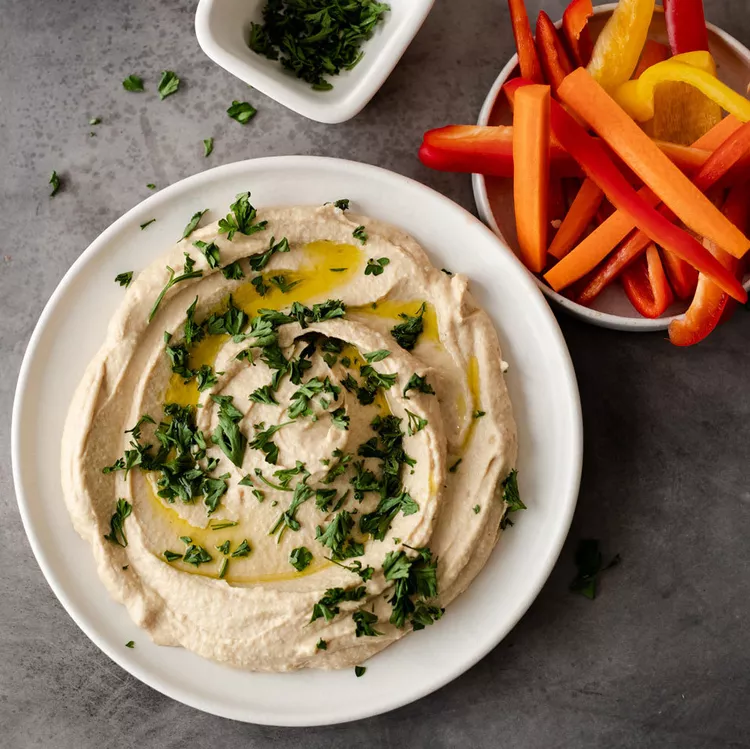
1. Classic Hummus
Classic hummus is perfect for your food processor. You need canned chickpeas, tahini, lemon juice, garlic, olive oil, and salt.
Add all ingredients to your food processor. Blend until smooth and creamy.
Add cold water slowly if you need a thinner texture. Use soft chickpeas for the smoothest result.
Process for several minutes until completely smooth. Serve with vegetables or pita chips.
Store leftover hummus in your refrigerator for up to five days.

2. Spinach and Artichoke Dip
Your food processor makes this party favorite quick and easy. You can chop the artichoke hearts and mix all ingredients in minutes.
Start with canned artichoke hearts and fresh spinach. Add cream cheese, sour cream, and shredded mozzarella for the creamy base.
Pulse the artichokes first to break them into smaller pieces. Then blend with spinach, garlic, and your dairy ingredients until smooth.
You can serve this dip cold or bake it until bubbly and golden on top.

3. Pesto Sauce
Making pesto in your food processor takes just minutes. You get smooth, restaurant-quality results every time.
Start by processing garlic, pine nuts, and salt into a paste. Add fresh basil leaves one handful at a time.
Process after each addition. With the motor running, slowly drizzle in olive oil.
This creates the perfect creamy texture. Stir in grated Parmesan cheese at the end.
Your homemade pesto works great on pasta, sandwiches, or as a marinade.

4. Almond Butter
Making almond butter in your food processor is simple and rewarding. You need only raw almonds to start.
Add two cups of almonds to your food processor. Process for 2-3 minutes until they form a coarse meal.
Continue processing for another 5-8 minutes. The almonds will turn into a smooth, creamy butter.
Stop to scrape down the sides as needed. Your homemade almond butter contains no additives or extra oils.
Store it in an airtight container for up to three weeks.

5. Cauliflower Rice
You can make healthy cauliflower rice in just 15 minutes with your food processor. This low-carb alternative works great for meal prep.
Start by washing and drying a head of cauliflower. Remove the greens and cut it into smaller pieces.
Use the grater attachment on your food processor to grate the cauliflower into rice-sized pieces. Push down the cauliflower with the food pusher for best results.
Your fresh cauliflower rice is ready to cook or store for later use.

6. Pie Crust
Making pie crust in your food processor is quick and easy. The cold metal blades cut butter into flour perfectly.
Add flour, salt, and sugar to your food processor. Pulse a few times to mix.
Add very cold butter pieces and pulse until the mixture looks like coarse crumbs. Slowly add ice water while pulsing.
Stop when the dough just comes together. Your food processor keeps ingredients cold, which makes flaky crust.
This method saves time and creates less mess than making crust by hand.

7. Chocolate Truffles
Your food processor makes perfect chocolate truffles in minutes. Simply pulse chopped chocolate until finely ground, then blend with heated cream and butter.
Add vanilla or other flavors while blending. Roll the mixture into balls once cooled.
Coat them in cocoa powder or chopped nuts for finishing touches. These homemade truffles taste like they came from a candy store.

8. Tomato Sauce
Making tomato sauce with your food processor is quick and easy. You don’t need to peel fresh tomatoes first.
Cut your tomatoes into quarters. Put them in the food processor bowl.
Pulse a few times until you get the texture you want. Pour the tomato puree into a large pot.
Repeat with more tomatoes if needed. Bring the sauce to a boil in the pot.
You can make several batches in one afternoon.

9. Vegetable Fritters
Your food processor makes vegetable fritters simple and fast. Use the grating attachment to shred zucchini, carrots, and onions in seconds.
Mix the shredded vegetables with flour, eggs, and herbs. The processor saves you time on all the chopping work.
These fritters turn out crispy and golden when you pan-fry them. They work great as snacks or side dishes.
You can use any vegetables you have on hand. Popular choices include zucchini, carrots, and sweet corn for the best flavor.

10. Guacamole
Your food processor makes perfect guacamole in under 30 seconds. You get smooth, creamy results without hand chopping.
Add ripe avocados, lime juice, garlic, and cilantro to your processor. Include diced onions and jalapeños for flavor.
Pulse until you reach your desired texture. You can make it as smooth or chunky as you want by controlling the pulse time.

11. Energy Bites
Your food processor makes energy bites quickly and easily. These no-bake snacks pack nutrients into bite-sized treats.
Add oats, nut butter, dates, and honey to your food processor. Pulse until the mix sticks together well.
You can add seeds, dried fruit, or protein powder for extra nutrition. The food processor blends everything smoothly.
Roll the mixture into small balls with your hands. Store them in the fridge for up to one week.

12. Mashed Potatoes
You can make creamy mashed potatoes quickly using your food processor. This method saves time and effort compared to mashing by hand.
Start with russet potatoes. Peel and cut them into chunks, then boil until tender.
Drain the potatoes well before adding them to your food processor. Add butter, milk, and seasonings.
Pulse the mixture carefully. Don’t over-process or your potatoes will become gummy.
The food processor creates smooth, restaurant-quality mashed potatoes in seconds.

13. Carrot Ginger Soup
Your food processor makes quick work of this warming soup. Pulse carrots, onions, and fresh ginger until finely chopped.
Cook the vegetables in oil until soft, about 10 minutes. Add chicken or vegetable broth and simmer until carrots are tender.
Use your food processor again to puree the cooked soup until smooth. Return to the pot and stir in cream or half-and-half for richness.
Season with salt, pepper, and a pinch of cinnamon for extra warmth.

14. Falafel
Your food processor makes perfect falafel every time. You need dried chickpeas, not canned ones, for the best texture.
Soak dried chickpeas overnight. Add them to your food processor with herbs like parsley and cilantro.
Include onion, garlic, cumin, and salt. Pulse until you get a coarse mixture that holds together.
The mixture should not be smooth. You want small chunks for the right texture.
Form into balls and fry in oil until golden brown and crispy.

15. Hash Browns
Your food processor makes perfect hash browns in seconds. Wash and peel your potatoes, then use the shredding disc to grate them quickly.
After shredding, remove excess moisture by pressing the potatoes with paper towels. This step helps create crispy hash browns.
Heat oil in a hot skillet and add your shredded potatoes. Cook until golden brown and crispy on both sides.

16. Chimichurri Sauce
Your food processor makes quick work of this fresh herb sauce. Add parsley, garlic, oregano, and shallot to the bowl.
Pulse until roughly chopped, not smooth. You want to keep the rustic texture.
Slowly drizzle in olive oil while pulsing to create the perfect consistency. Add vinegar and seasonings to taste.
This versatile sauce works great on grilled meats, chicken, or vegetables. You can also use it as a marinade or bread dipping sauce.

17. Banana Bread Batter
Your food processor makes banana bread batter in minutes. Start by processing ripe bananas until smooth and creamy.
Add eggs, sugar, and oil through the feed tube while the motor runs. This creates a well-mixed base.
Stop the processor and add your dry ingredients. Use quick on-off pulses to mix the flour in.
Don’t over-process or your bread will be tough. You can add nuts or chocolate chips with a few final pulses.

18. Chili Con Carne
Your food processor makes chili con carne prep much faster. You can grind whole spices for better flavor than pre-ground versions.
The processor quickly chops onions, garlic, and peppers to the right size. Some recipes let you pulse beef chunks instead of buying ground meat.
You can blend sun-dried tomatoes and chiles with oil to make a rich paste. This adds deep flavor to your chili base.
The chopping blade handles all vegetables in seconds. This saves you lots of knife work for this hearty dish.

19. Coleslaw
Your food processor makes perfect coleslaw in minutes. Use the slicing disc to shred cabbage and carrots into thin, even pieces.
Add your vegetables to a large bowl. Mix in mayonnaise, vinegar, and seasonings like celery seed or black pepper.
The processor creates uniform texture that’s hard to achieve by hand.

20. Red Pepper Sauce
Your food processor makes red pepper sauce in just five minutes. Add roasted red peppers, garlic, and olive oil to the bowl and blend until smooth.
You can customize the flavor by adding herbs like basil or parsley. Some recipes include almonds or sun-dried tomatoes for extra richness.
This sauce works well on pasta, rice bowls, or as a dip. Store it in your fridge for up to one week or freeze it for longer use.

21. Pumpkin Muffins
Your food processor makes pumpkin muffin prep incredibly easy. You can quickly blend all wet ingredients together in seconds.
Start by processing pumpkin puree, eggs, oil, and brown sugar until smooth. The processor creates a perfect base mixture.
Add your dry ingredients like flour, baking powder, cinnamon, and nutmeg. Pulse just until combined to avoid overmixing.
Fold in chocolate chips or nuts by hand after processing. This keeps them evenly distributed without breaking them apart.
The result is moist, fluffy muffins with minimal cleanup and effort.
Tips for Choosing the Right Food Processor
The right food processor depends on your kitchen space, cooking habits, and budget. Key factors include bowl size, motor power, attachment variety, and how easy it is to clean after use.
Size and Capacity Considerations
Food processor bowls range from 3 cups to 16 cups. A 7-cup model works well for most families of four people.
Small processors (3-4 cups) are good for making dips, chopping herbs, or grinding spices. They take up less counter space but can’t handle big batches.
Medium processors (7-9 cups) can make pizza dough, chop vegetables for dinner, and blend sauces. These models balance size with function well.
Large processors (11+ cups) work best if you cook for big groups or meal prep often. They need more storage space and counter room.
Check the motor power too. Look for at least 600 watts for regular use.
More powerful motors handle tough jobs like kneading bread dough or chopping hard vegetables without slowing down.
Blade and Disc Attachments
The S-shaped metal blade comes with all food processors. It chops, mixes, and purees most foods.
Essential discs include:
- Slicing disc – cuts vegetables into even slices
- Shredding disc – grates cheese and vegetables quickly
- Dough blade – mixes bread and pizza dough without overworking
Some models offer extra attachments like julienne discs for thin strips or citrus juicers. Only buy these if you’ll actually use them.
Look for dishwasher-safe attachments made from stainless steel. Plastic discs can dull faster and may not cut as cleanly.
Store attachments in the bowl or buy a separate storage case. Loose blades can get damaged in drawers.
Ease of Cleaning
Simple designs clean faster than complex ones. Fewer parts mean less washing time after cooking.
Look for dishwasher-safe bowls, lids, and blades. Hand-washing every piece gets old quickly with regular use.
Easy-clean features:
- Wide bowl opening for better access
- Smooth surfaces without deep grooves
- Removable parts that come apart easily
Avoid models with lots of small crevices where food gets stuck. The feed tube should be wide enough to fit whole vegetables.
Some processors have special cleaning modes that help remove stuck food. The bowl should nest easily for compact storage when not in use.
Key Techniques for Food Processor Success
Success with a food processor depends on three main factors: preparing ingredients correctly before processing, knowing when to pulse versus run continuously, and following safety rules to avoid injuries.
Proper Ingredient Preparation
Cut large ingredients into 1-2 inch pieces before adding them to your food processor. This helps the blades work better and gives you even results.
Remove pits, seeds, and tough stems from fruits and vegetables. These can damage your blades or create bitter flavors in your final dish.
Temperature matters for different tasks:
- Use cold butter for pie crusts and pastry dough
- Room temperature ingredients work best for dips and spreads
- Frozen fruits create smoother textures in desserts
Don’t overfill the bowl. Fill it only halfway for dry ingredients and one-third full for wet mixtures.
Pat wet ingredients dry with paper towels when making items like hash browns or veggie burgers. Extra moisture can make your final product soggy.
Pulse Versus Continuous Processing
Use pulsing for:
- Chopping nuts, vegetables, and herbs
- Making breadcrumbs
- Mixing pie dough
- Creating chunky textures
Pulse in 1-2 second bursts. Check your progress between pulses to avoid over-processing.
Use continuous processing for:
- Making smooth dips like hummus
- Creating nut butters
- Blending sauces
- Making smooth purees
Stop every 30 seconds during long processing to scrape down the sides. This ensures all ingredients get processed evenly.
For thick mixtures, add liquid slowly through the feed tube while processing. This helps create the right texture without making things too thin.
Safe Operation Practices
Always use the pusher tool when adding ingredients through the feed tube. Never put your fingers near the opening while the machine runs.
Make sure the lid locks completely before turning on your food processor. Most models won’t start without proper lid placement.
Follow these safety steps:
- Turn off and unplug before changing blades
- Wait for blades to stop spinning completely
- Handle blades by their plastic centers, not the sharp edges
- Store blades in a safe place away from children
Clean your food processor right after use. Food stuck on blades becomes harder to remove and can harbor bacteria.
Check that all parts are dry before storing. Moisture trapped in the motor base can cause electrical problems or rust.
Frequently Asked Questions
What are some quick and healthy recipes you can make with a food processor?
You can make cauliflower rice in under five minutes by pulsing raw cauliflower florets until they reach rice-like consistency. This creates a low-carb substitute for regular rice that works in stir-fries and grain bowls.
Homemade almond butter takes just 10 minutes of processing whole almonds until smooth and creamy. You control the salt and sweetness levels unlike store-bought versions.
Fresh pesto sauce blends in two minutes using basil leaves, garlic, pine nuts, and olive oil. This provides a nutrient-rich sauce without preservatives found in jarred versions.
Energy balls made from dates, nuts, and seeds process quickly into bite-sized snacks. These give you natural energy without added sugars.
Which food processor recipe book offers a wide variety of dishes?
Several cookbooks focus specifically on food processor recipes with diverse dish categories. “The Complete Food Processor Cookbook” covers appetizers, main dishes, desserts, and sauces in one volume.
“Food Processor Perfection” by America’s Test Kitchen includes tested recipes for everything from pie crusts to soups. The book explains which blade to use for each technique.
Online recipe collections from sites like EatingWell and Good Housekeeping offer 20-40 tested food processor recipes. These include both beginner-friendly and advanced options.
Can you suggest some food processor recipes that are suitable for Indian cuisine?
Green chutney processes fresh cilantro, mint, green chilies, and ginger into a bright condiment. This pairs well with samosas, pakoras, and grilled meats.
Coconut chutney blends fresh coconut, green chilies, and curry leaves for South Indian dishes. The food processor creates the perfect smooth texture.
Spice pastes for curries start with processing ginger, garlic, and onions until smooth. This creates the flavor base for many Indian gravies and sauces.
Date and tamarind chutneys process sweet and sour ingredients into thick sauces. These complement fried snacks and street foods.
How can you utilize a mini food processor for meal preparation?
Mini food processors work best for small batches of garlic paste, herb oils, and spice blends. The smaller bowl processes these ingredients more efficiently than full-size models.
You can make single servings of hummus or nut butters when you don’t need large quantities. This prevents waste and keeps ingredients fresh.
Chopping small amounts of nuts, herbs, or vegetables becomes easier with mini processors. The compact size takes up less counter space during prep work.
Baby food preparation works well in mini processors since portion sizes match infant needs. You can puree small amounts of fruits and vegetables to the right consistency.
What are Jamie Oliver’s most recommended recipes for a food processor?
Jamie Oliver recommends using food processors for quick pestos with different herb combinations like basil, parsley, or arugula. He emphasizes using good quality olive oil for the best flavor.
His food processor hummus variations include roasted red pepper, beetroot, and herb versions. Oliver suggests adding tahini gradually while processing for smooth texture.
Breadcrumb recipes feature prominently in his food processor methods. He uses day-old bread processed into crumbs for coating meats and topping gratins.
Oliver’s salsa verde combines parsley, capers, anchovies, and garlic in the food processor. This creates a bright sauce for grilled fish and vegetables.
Where can I find food processor recipes curated by BBC?
BBC Good Food website features a dedicated food processor recipe section with tested recipes from their kitchen team. These include both basic techniques and creative applications.
BBC Food programmes often showcase food processor techniques in their online recipe collections. You can search by ingredient or cooking method to find relevant recipes.
The BBC’s seasonal recipe collections frequently include food processor methods for preserving and preparing seasonal ingredients. These collections change throughout the year based on available produce.
BBC cookery books published in partnership with their television shows include food processor adaptations of popular recipes. These books combine television techniques with detailed written instructions.