
Ethiopian cuisine offers bold flavors and unique cooking methods that make it one of Africa’s most exciting food traditions. This ancient cooking style uses special spice blends and fermented ingredients to create dishes unlike anything you’ll find elsewhere.
Learning to cook authentic Ethiopian recipes at home lets you explore everything from spicy stews and tangy flatbreads to traditional drinks and snacks. You’ll discover how to work with ingredients like berbere spice, injera bread, and various legumes.
These recipes range from simple vegetable dishes to complex meat preparations that feed large groups of people.

1. Doro Wat (Spicy Chicken Stew)
Doro Wat is Ethiopia’s national dish. This spicy chicken stew combines tender chicken with rich, bold flavors.
The dish starts with caramelized onions cooked slowly. You add berbere spice blend, which gives the stew its deep red color and heat.
Niter kibbeh, a spiced clarified butter, adds richness to the sauce. Hard-boiled eggs are often included in the stew.
You serve Doro Wat over injera, Ethiopia’s spongy sourdough flatbread. The tangy bread balances the spicy, flavorful stew.

2. Injera (Fermented Flatbread)
Injera is Ethiopia’s most important bread. You make it using teff flour and water.
The batter must ferment for several days. This creates a sour taste like sourdough bread.
When cooked, injera has a spongy texture with small holes. It looks like a large, soft pancake.
You use injera as both food and a utensil. It soaks up stews and sauces perfectly.
Teff flour gives injera a nutty flavor. This ancient grain is naturally gluten-free and rich in iron.
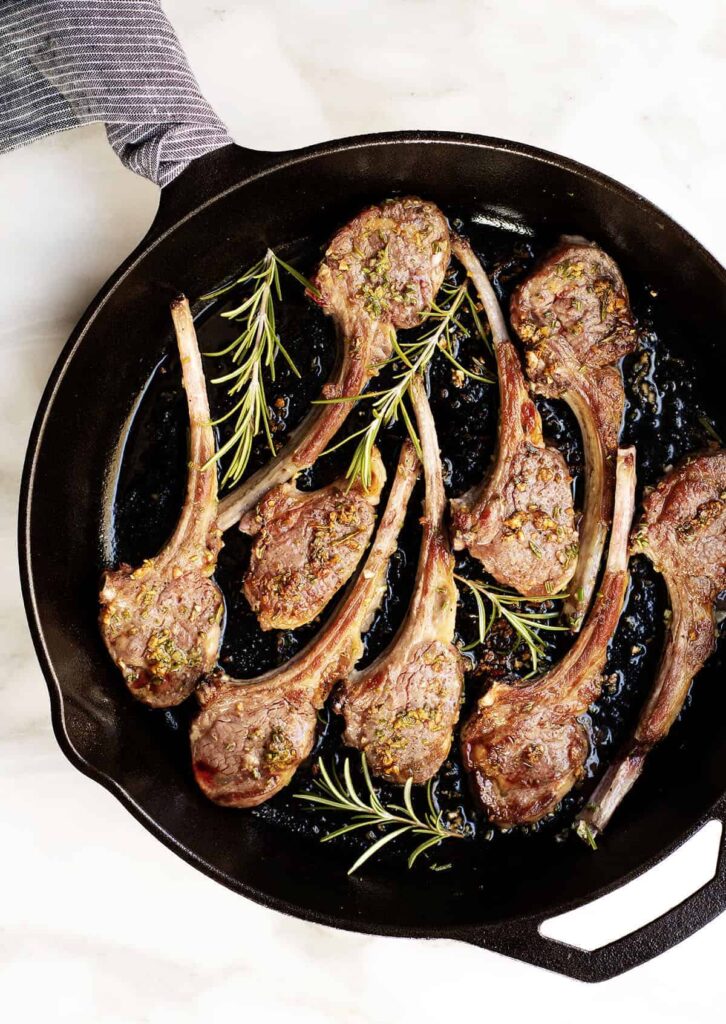
3. Tibs (Pan-fried Beef or Lamb)
Tibs is one of Ethiopia’s most popular dishes. You make it by stir-frying beef or lamb with butter, garlic, and onions.
The key ingredient is berbere spice. This blend gives tibs its bold flavor and heat.
You need to cook tibs on high heat for a quick sear. This keeps the meat tender and locks in flavor.
Ethiopians serve tibs with injera bread. You use the bread as a utensil to scoop up the meat.
The dish comes together fast. Have all ingredients ready before cooking.

4. Shiro Wat (Chickpea Stew)
Shiro wat is one of Ethiopia’s most popular vegetarian dishes. You’ll find this creamy stew made from ground chickpea flour and bold spices.
The dish gets its rich flavor from berbere spice blend and niter kibbeh. You can make it with chickpea flour or ground dried chickpeas.
This protein-packed stew takes about 45 minutes to prepare. You’ll often eat it with injera bread for an authentic Ethiopian meal.
Shiro wat is naturally vegan and gluten-free.

5. Kitfo (Ethiopian Steak Tartare)
Kitfo is Ethiopia’s version of steak tartare. You make it with high-quality raw beef that’s finely minced.
The dish gets its bold flavor from mitmita spice blend. This spicy powder contains cayenne peppers, cloves, and cardamom.
You’ll also need niter kibbeh, which is Ethiopian spiced butter. This adds rich flavor to the raw meat.
Use only the best cuts like tenderloin or sirloin for safety. The beef must be very fresh and properly handled.
Serve kitfo with injera flatbread on the side. Many people enjoy it at special celebrations and family gatherings.
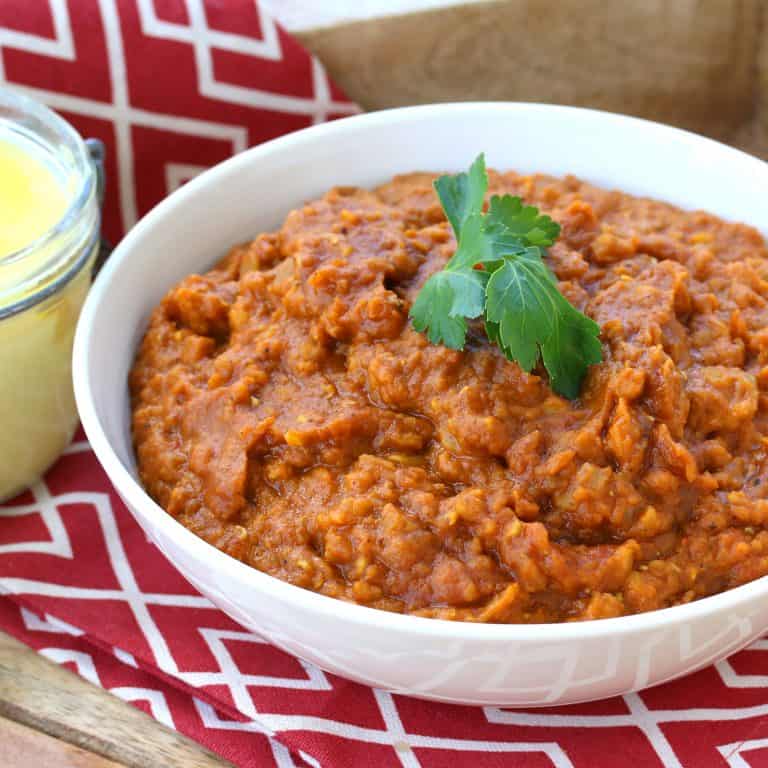
6. Misir Wat (Spiced Lentil Stew)
Misir Wat is one of Ethiopia’s most popular vegetarian dishes. This red lentil stew combines simple ingredients with bold flavors.
You’ll cook red lentils with berbere spices, onions, and garlic. The berbere spice blend gives the dish its signature heat and deep flavor.
This nutritious stew takes about 30 minutes to make. You can serve it with injera bread or rice for a complete meal.
The dish is naturally vegan and gluten-free.
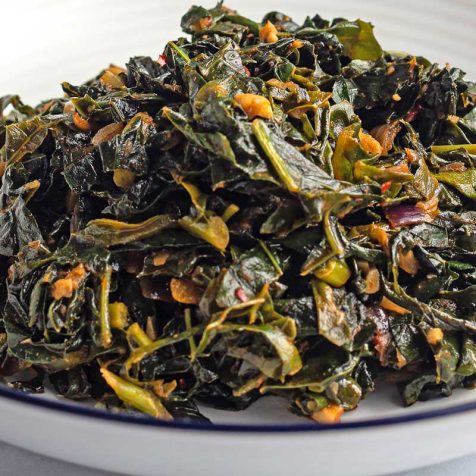
7. Gomen (Ethiopian Collard Greens)
Gomen is a staple Ethiopian dish made with collard greens. You can also use kale or spinach instead.
The greens are braised with Ethiopian spices and aromatics. This creates a flavorful and nutritious side dish.
You’ll find gomen served at most Ethiopian restaurants. It pairs well with meat dishes like doro wat and vegetarian options like misir wat.
The dish is naturally vegan and gluten-free. You can serve it as a main dish or hearty side.
Gomen is traditionally eaten with injera, the spongy Ethiopian flatbread.

8. Firfir (Injera Salad Stir-fry)
Firfir turns leftover injera bread into a tasty breakfast dish. You tear the spongy bread into small pieces and mix it with berbere spice sauce.
This traditional Ethiopian comfort food has a simple base but rich flavors. The injera soaks up the spiced sauce, creating a soft texture with bold taste.
You can make firfir with vegetables like tomatoes or onions. The dish works well for vegans and vegetarians.

9. Atakilt Wat (Vegetable Stew)
Atakilt Wat is a simple Ethiopian vegetable stew made with cabbage, potatoes, and carrots. The name means “cabbage stew” in Amharic.
You cook the vegetables with warm spices like turmeric, cumin, and ginger. This creates a mild, flavorful dish that takes about 30 minutes to make.
The stew is vegan and gluten-free. You can serve it as a side dish with spicy Ethiopian meat dishes or as a main meal with injera bread.

10. Dulet (Spiced Tripe Dish)
Dulet is a traditional Ethiopian dish made with finely chopped tripe and liver. You cook these organ meats with onions, garlic, and Ethiopian spices.
The dish features berbere spice blend as its main seasoning. You add cumin, coriander, and other warm spices for extra flavor.
You prepare dulet by sautéing the meat until browned and cooked through. The result is a hearty, spicy dish with rich textures.
This comfort food holds special meaning in Ethiopian culture. You often find it served during celebrations and family gatherings.
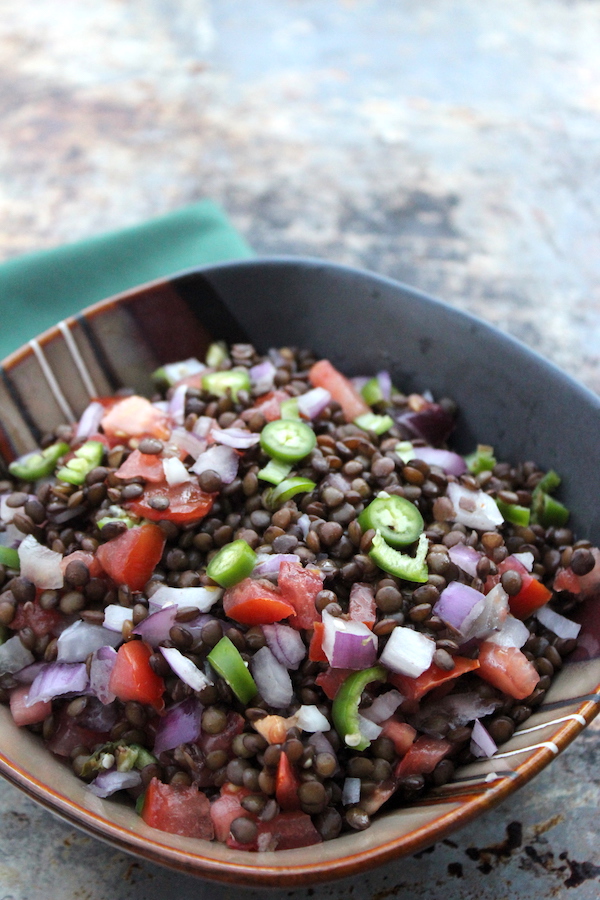
11. Azifa (Lentil Salad)
Azifa is a cold Ethiopian lentil salad that you serve as a light dish or side. You make it with green lentils, lime juice, and mild peppers.
This dish is popular during Lent when people avoid meat. You cook the lentils until soft, then mix them with spices and seasonings.
The salad has a fresh, tangy taste that balances heavier Ethiopian stews. You can serve it on warm days as a refreshing meal or snack.
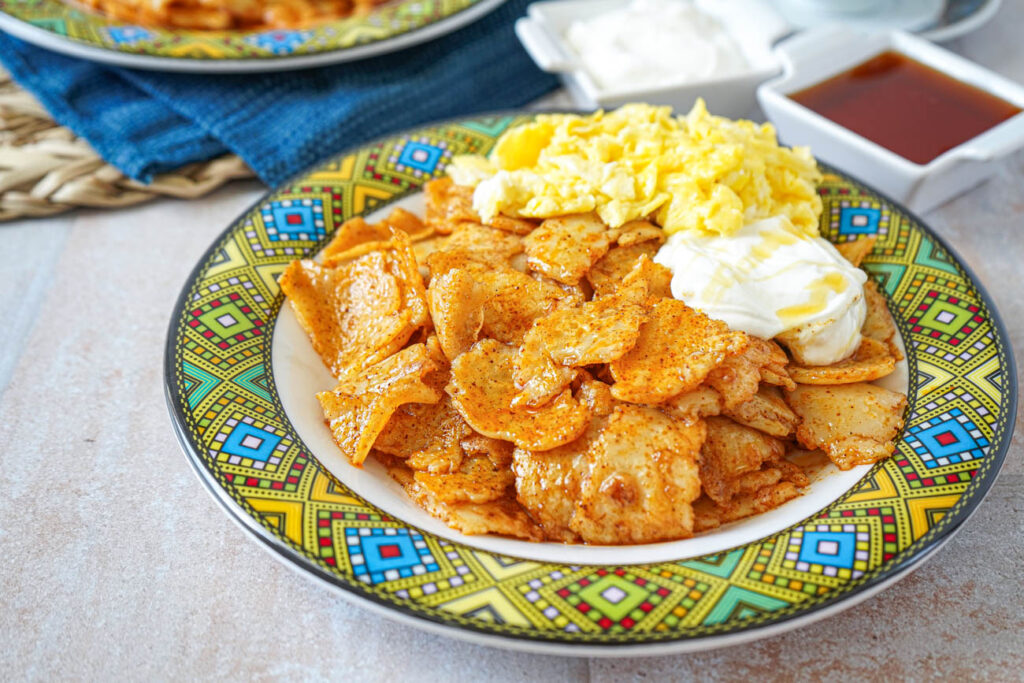
12. Chechebsa (Ethiopian Breakfast Flatbread)
Chechebsa is a popular Ethiopian breakfast dish from the Oromia region. You make it by tearing flatbread into small pieces.
The torn bread gets mixed with spiced butter called niter kibbeh. You also add berbere spice for heat and flavor.
Many recipes include honey for sweetness. This creates a perfect balance of spicy and sweet tastes.
The word “chechebsa” means shredding in Afan Oromo. This describes how you prepare the flatbread by tearing it apart.
You can make this comforting breakfast dish easily at home. It offers bold flavors to start your day.

13. Fuul (Stewed Fava Beans)
Fuul is a hearty Ethiopian breakfast dish made with fava beans. You cook red onions, garlic, and tomatoes together first.
Then you add the fava beans with spices. The dish uses berbere spice blend and sometimes niter kibbeh.
This gives fuul its rich, spicy flavor. You can use canned or fresh fava beans.
You mash some of the beans to make the stew thicker. People often eat fuul with fresh bread.
It’s filling and packed with protein for breakfast.

14. Tej (Ethiopian Honey Wine)
Tej is Ethiopia’s traditional honey wine that tastes similar to mead. You make it with honey, water, and gesho leaves or sticks.
Gesho is a plant like hops that gives tej its unique flavor. The drink ferments naturally over several weeks.
You serve tej from a special vase called a berele during celebrations and festivals. It has cultural importance in Ethiopian society.
The wine has a sweet taste and golden color. You can find tej at Ethiopian restaurants or make it at home with the right ingredients.

15. Kik Alicha (Mild Split Pea Stew)
You’ll find this creamy yellow split pea stew to be one of Ethiopia’s most comforting dishes. Kik Alicha uses simple ingredients like turmeric, ginger, and onions.
The stew cooks quickly in under an hour. You can make it with just six basic ingredients.
This mild dish works perfectly for people who prefer less spicy food. You serve it traditionally with injera bread or over rice.
The yellow split peas create a thick, satisfying texture. This vegan-friendly stew provides plenty of protein and fiber for a complete meal.

16. Duqqa (Spiced Nut and Herb Mix)
Duqqa is an Egyptian spice blend that adds nutty flavors to your meals. You make it by combining toasted nuts, seeds, and warm spices.
The mix typically includes sesame seeds, hazelnuts or almonds, and ground coriander. Cumin and black pepper add extra taste.
You can sprinkle duqqa on bread with olive oil or use it as a coating for vegetables. It works well on salads and roasted meats too.
Toast all ingredients separately before grinding them together. This keeps the mixture coarse and crunchy.

17. Sanbusa (Ethiopian Samosa)
These crispy triangular pastries are filled with spiced ingredients. Ethiopian sanbusa is similar to Indian samosas but has its own unique flavors.
The most popular filling uses red lentils mixed with Ethiopian spices like berbere. You can also find versions stuffed with seasoned ground beef or vegetables.
You can make the dough from scratch or use wonton wrappers as a shortcut. The pastries are deep-fried until golden and crispy.
Sanbusa works perfectly as an appetizer or snack. Ethiopians often serve them during special occasions and religious celebrations.

18. Beyaynetu (Mixed Platter)
Beyaynetu means “mixed” in Amharic. This traditional vegetarian platter shows off Ethiopian cooking at its best.
The dish comes on injera bread as your base. You get several different vegetable stews and sides on one plate.
Each small portion has its own spices and flavors. You might find lentil stews, cabbage, potatoes, and greens.
The berbere spice blend gives many dishes their signature taste. You eat everything with pieces of injera bread using your hands.
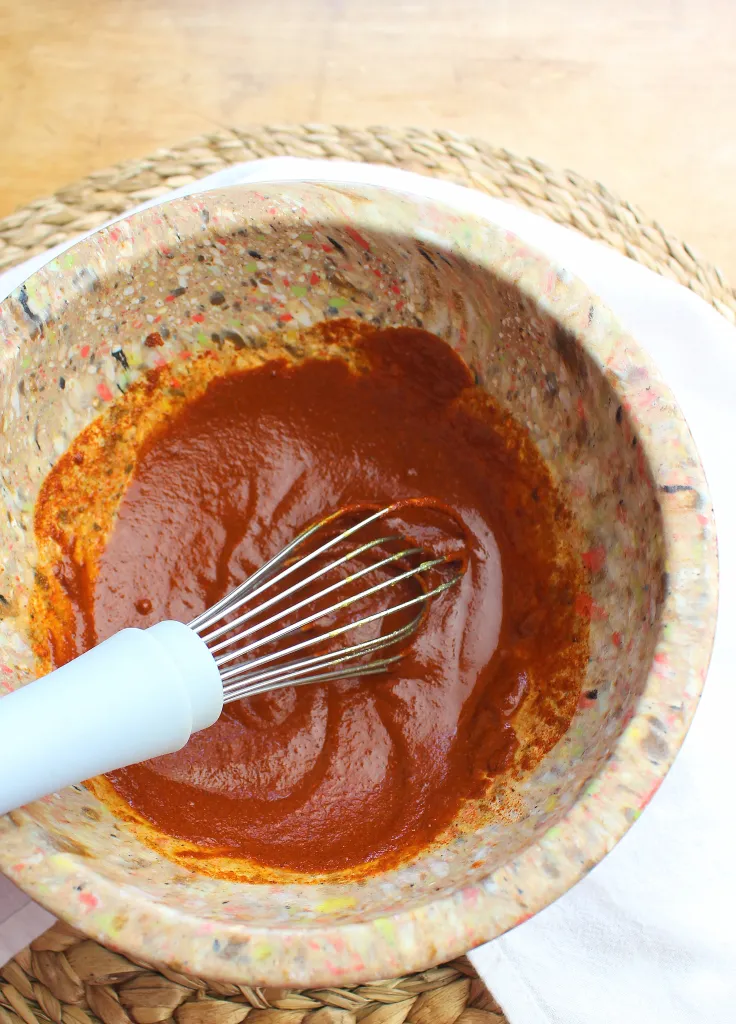
19. Awaze (Spicy Chili Paste)
Awaze is a fiery Ethiopian chili paste that brings intense heat to your meals. You make it with berbere spice blend, ground hot peppers, and honey mead.
This red paste combines sweet and spicy flavors. You can use it as a dipping sauce for raw meat dishes or spread it on bread.
The paste includes garlic, ginger, and traditional Ethiopian spices. You’ll find it pairs well with grilled meats and vegetable stews.

20. Dabo Kolo (Ethiopian Snack)
Dabo Kolo is a crunchy Ethiopian snack that you can enjoy any time of day. These small, bite-sized treats are made from simple ingredients like wheat flour and spices.
The snack gets its flavor from berbere spice mix, which gives it a warm, spicy kick. You can also find versions made with cardamom, cinnamon, and other aromatic spices.
Ethiopians often eat Dabo Kolo during festivals and coffee ceremonies. The name means “bread” (dabo) and refers to roasted grains (kolo).
These little bites are crispy and addictive.

21. Atayef (Ethiopian Sweet Pancakes)
Atayef are delicate pancakes made with yeast and baking powder. You create the batter without eggs or dairy.
These sweet treats get filled with nuts, cheese, or cream. After adding your chosen filling, you fold them into small pockets.
You can serve atayef soft or fry them until crispy. Then, soak the pancakes in simple syrup flavored with rose water.
The texture is light and fluffy on the outside. Your filling adds richness and sweetness to each bite.
Essential Ingredients in Ethiopian Cuisine
Three core ingredients form the foundation of authentic Ethiopian cooking. Berbere spice blend provides the signature heat and complexity.
Niter kibbeh adds rich buttery flavor. Injera fermentation creates the essential sourdough flatbread that accompanies every meal.
Berbere Spice Blend
Berbere is the heart of Ethiopian cuisine. This complex spice mixture contains 15-20 different spices and herbs.
The base ingredients include dried chilies, fenugreek, coriander, and cardamom. You’ll also find ginger, nutmeg, cinnamon, and allspice in most blends.
Each family has their own recipe. Some versions are hotter while others focus more on aromatic spices.
Key spices in berbere:
- Dried red chilies (primary ingredient)
- Fenugreek seeds
- Ethiopian cardamom
- Coriander seeds
- Ginger powder
- Sweet paprika
You can buy berbere pre-made or toast and grind your own spices. Freshly made berbere has more flavor than store-bought versions.
Store berbere in an airtight container away from light. It stays fresh for up to one year when stored properly.
Niter Kibbeh
Niter kibbeh is spiced clarified butter used in most Ethiopian dishes. It adds rich flavor and helps carry the taste of spices throughout the food.
You make it by slowly heating butter with spices until the milk solids separate. Common spices include cardamom, cinnamon, cloves, and ginger.
Simmer the butter for about an hour with the spices. Strain out all the solids to get clear, golden liquid.
Typical niter kibbeh spices:
- Cardamom pods
- Cinnamon sticks
- Whole cloves
- Fresh ginger
- Turmeric
- Fenugreek seeds
Niter kibbeh keeps at room temperature for weeks. You can also store it in the refrigerator for several months.
This spiced butter is different from regular butter or oil. It gives Ethiopian food its unique taste and aroma.
Injera Fermentation
Injera is the spongy flatbread that serves as both plate and utensil in Ethiopian meals. It’s made from teff flour through a fermentation process.
Teff is a tiny grain native to Ethiopia. The flour ferments for 2-3 days to develop its sour taste and bubbly texture.
Mix teff flour with water to make a thin batter. The natural yeasts in the flour start fermentation without adding anything else.
As the batter ferments, it bubbles and develops a tangy smell. This creates the signature sour flavor of injera.
Fermentation steps:
- Mix teff flour with water
- Let sit at room temperature 2-3 days
- Batter becomes bubbly and sour
- Cook on a clay griddle called mitad
Some recipes add a starter from previous batches to speed up fermentation. The longer fermentation creates more complex flavors.
Traditional injera uses only teff flour. Some modern versions mix in other flours.
Pure teff gives the most authentic taste and texture.
Traditional Cooking Methods and Serving Customs
Ethiopian cooking relies on clay pots that create unique flavors through slow heat distribution. Meals are shared from one large platter using injera bread as both plate and utensil.
Clay Pot Cooking Techniques
Mitad is the most important cooking tool in Ethiopian kitchens. This flat clay plate cooks injera bread over an open flame.
The clay gives the bread its tangy flavor. You need a berbere spice blend that cooks slowly in clay pots.
The clay holds heat evenly. This makes stews cook without burning.
Mukecha jebena are small clay pots for making coffee. The clay adds earthy taste to the beans.
You roast green beans in these pots first. Large clay vessels called shakla dist cook wat stews.
The thick walls keep food warm for hours. You can serve directly from these pots.
Season clay pots before first use. Soak them in water for 24 hours.
Heat them slowly with oil to seal the surface.
Family-Style Dining Etiquette
Ethiopian meals happen on one large platter called siga. Everyone sits around this shared plate.
You eat with your right hand only. Injera bread works as your spoon and fork.
Tear off small pieces to scoop up stews. Never touch food with your left hand.
The oldest person starts eating first. Wait for them to take their first bite.
Gursha means feeding someone else by hand. You place food in another person’s mouth.
This shows friendship and love. Wash your hands before and after eating.
Someone pours water over your hands from a pitcher. A towel gets passed around the table.
Never refuse food when offered. Take at least a small bite to be polite.
Leaving food on the plate means you enjoyed the meal.
Frequently Asked Questions
Ethiopian cuisine offers many options for both vegetarians and meat lovers, with dishes like doro wat and shiro being popular starting points.
Most recipes use common spices and techniques that you can easily master at home.
What are some authentic Ethiopian vegetarian dishes and their recipes?
Shiro wat stands out as one of the most popular Ethiopian vegetarian dishes. You make it with ground chickpeas, onions, garlic, and berbere spice blend cooked into a thick stew.
Domen wat is another excellent choice using collard greens or other leafy vegetables. You cook the greens with onions, garlic, and ginger until tender.
Misir wat uses red lentils as the main ingredient. Simmer the lentils with berbere spice, onions, and garlic until they break down into a rich stew.
Where can I find easy-to-follow recipes for traditional Ethiopian cuisine?
Many cooking websites offer step-by-step Ethiopian recipes with detailed instructions. Look for sites that focus on authentic ethnic cuisines and include ingredient substitutions.
Ethiopian cookbooks provide comprehensive guides with background information about each dish. These books often explain traditional cooking methods and spice combinations.
Food blogs written by Ethiopian cooks share family recipes and personal tips. These sources often include helpful photos showing each step of the cooking process.
Which Ethiopian dishes are considered must-try for someone new to the cuisine?
Doro wat serves as the perfect introduction to Ethiopian flavors. This spicy chicken stew showcases the complex berbere spice blend that defines Ethiopian cooking.
Injera is essential to experience since it serves as both plate and utensil. The sour, spongy flatbread complements every Ethiopian meal.
Tibs offers a milder option with pan-fried meat and vegetables. This dish helps you ease into Ethiopian spices without overwhelming heat.
How do I prepare a typical Ethiopian meal for a family gathering?
Start by making injera several days ahead since it needs time to ferment properly. You can also buy pre-made injera from Ethiopian markets or online.
Plan to make 3-4 different stews or dishes to create variety. Include both meat and vegetarian options like doro wat, shiro wat, and vegetables.
Serve everything on a large platter lined with injera. Place small portions of each dish on top and provide extra injera pieces for scooping.
Could you list common ingredients in Ethiopian cooking?
Berbere spice blend forms the foundation of most Ethiopian dishes. This mixture contains chili peppers, fenugreek, coriander, and many other spices.
Mitmita is another key spice blend that adds heat to dishes like kitfo. It contains bird’s eye chili peppers, cardamom, and cloves.
Niter kibbeh is spiced clarified butter used for cooking. You make it by heating butter with ginger, garlic, turmeric, and other aromatics.
Doro wat features chicken drumsticks simmered in berbere sauce with hard-boiled eggs. You slow-cook onions until they caramelize, then add the spices and chicken.
Kitfo is Ethiopian steak tartare seasoned with mitmita spice and niter kibbeh. You serve it raw or lightly warmed with ayib cheese and greens.
Tibs combines cubed meat with onions, peppers, and rosemary. You cook everything quickly in a hot pan to keep the meat tender and vegetables crisp.