
Ramen noodles have become one of the most loved comfort foods around the world. You can transform simple ingredients into rich, flavorful bowls that satisfy any craving.
Whether you prefer traditional Japanese styles or creative fusion dishes, ramen offers endless possibilities for delicious meals. You’ll discover how to make traditional broths, creative vegetarian options, and quick stir-fry dishes.
With the right ingredients and techniques, you can create restaurant-quality ramen in your own kitchen.
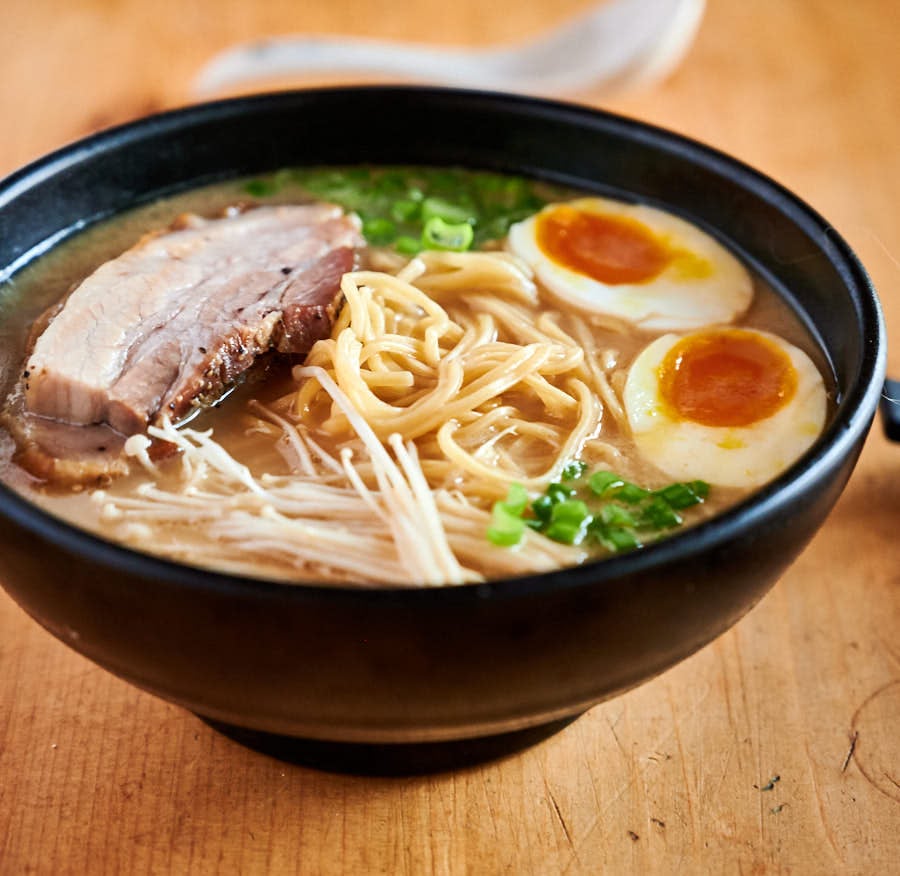
1. Classic Tonkotsu Ramen
Tonkotsu ramen features a rich, creamy pork bone broth. The broth gets its white color from boiling pork bones for many hours.
Simmer the bones for at least 12 hours. This long cooking time breaks down the collagen and creates the thick texture.
The milky broth coats the noodles perfectly. Traditional toppings include sliced pork, green onions, and soft-boiled eggs.

2. Shoyu Ramen with Braised Pork
Shoyu ramen features a clear, soy sauce-based broth that delivers rich umami flavor. The broth is lighter than other ramen styles but still packed with taste.
Simmer chicken or pork bones with vegetables to make the base. This creates a savory stock that forms the foundation of your soup.
Slowly cook braised pork belly, called chashu, in soy sauce and mirin. This tender meat becomes the star topping for your bowl.
Add soft-boiled eggs, green onions, and nori seaweed as traditional toppings.

3. Miso Ramen with Corn and Butter
This Hokkaido-style ramen combines rich miso broth with sweet corn and butter. The corn adds natural sweetness while butter creates a creamy texture.
Use fresh or roasted corn kernels. The butter melts into the hot broth for extra richness.
White miso works best for this recipe. It has a milder flavor that pairs well with the corn’s sweetness.
Add the butter and corn just before serving. This keeps the corn tender and prevents the butter from separating.

4. Spicy Tantanmen Ramen
Tantanmen is Japan’s take on Chinese Dan Dan noodles. This spicy ramen features a rich sesame broth that’s both creamy and flavorful.
Combine thick ramen noodles with ground pork and spicy seasonings. You’ll taste the nutty sesame flavor mixed with heat from chili oil.
Most recipes take under 30 minutes to make at home. The broth gets its creaminess from sesame paste and sometimes soy milk.
Top your bowl with green onions and bok choy for extra flavor and texture.

5. Shio Ramen with Chicken
Shio ramen uses a clear, salt-based broth instead of heavy pork bone soup. This makes it lighter and cleaner tasting than other ramen styles.
Build the broth with chicken stock and dashi. The salt seasoning creates a simple but flavorful base that lets other ingredients shine.
Top your bowl with sliced chicken, soft-boiled eggs, and bamboo shoots. The clear broth shows off the colorful toppings nicely.

6. Vegetarian Mushroom Ramen
This recipe brings together earthy mushrooms and rich broth for a filling meal. Use shiitake, cremini, or oyster mushrooms for the best flavor.
Sauté sliced mushrooms in oil until golden. Add miso paste to create depth in your broth.
The mushrooms absorb all the savory flavors. Cook your ramen noodles separately and add them to the mushroom broth.
Top with green onions and soft-boiled eggs if desired.

7. Seafood Ramen with Shrimp and Scallops
This seafood ramen brings ocean flavors to your bowl. Use fresh shrimp and scallops for the best taste.
Start with chicken or seafood stock as your base. Add miso paste and soy sauce for depth.
Season your seafood with salt and pepper. Cook shrimp until pink and scallops until firm.
Add cooked ramen noodles to bowls. Pour hot broth over noodles.
Top with your cooked seafood and chopped green onions for a complete meal.

8. Beef and Kimchi Ramen
This Korean-inspired ramen combines tender beef with tangy kimchi for bold flavors. Use ground beef or sliced steak depending on your preference.
Cook your beef in a hot pan. Add kimchi and let it warm through for extra flavor.
Prepare your ramen noodles according to package directions. Save the seasoning packet to boost your broth.
Combine everything in a rich beef broth. Top with green onions and a soft-boiled egg.

9. Curry Ramen with Coconut Milk
This creamy ramen combines rich coconut milk with spicy curry paste. You can make it in just 20-30 minutes for a quick weeknight meal.
Use full-fat coconut milk for the best texture. Red curry paste works well and gives good heat and flavor.
Add pan-fried vegetables and tofu for extra nutrition. Soft-boiled eggs make a great topping.
You can easily make this recipe vegan by skipping the eggs.

10. Cold Ramen Salad with Sesame Dressing
Cold ramen salad turns instant noodles into a refreshing summer dish. Cook the ramen quickly and let it cool completely.
The sesame dressing makes this salad special. It combines soy sauce, sesame oil, and ginger for bold flavor.
Add crisp vegetables like cabbage, carrots, and bell peppers. These give the salad crunch and color.
This salad works great for potlucks and picnics. Make it ahead of time since it tastes better after the flavors mix.

11. Kimchi and Pork Belly Ramen
This Korean-style ramen combines spicy fermented cabbage with rich pork belly. The kimchi adds tangy heat to the broth while the pork belly provides savory richness.
Use standard packaged ramen noodles for this recipe. Brown the pork belly slices in a skillet until crispy, about 1-2 minutes per side.
Top your bowl with green onions, bean sprouts, and a soft-boiled egg for extra flavor and texture.

12. Garlic Butter Ramen
This simple dish turns basic ramen into comfort food in under 10 minutes. Cook the noodles and toss them with butter and minced garlic.
Use 4 tablespoons of unsalted butter with 5-6 cloves of fresh garlic. Skip the seasoning packet for better flavor control.
The rich, buttery sauce coats each noodle perfectly. Add soy sauce or red pepper flakes for extra taste.
This recipe works with any instant ramen brand.
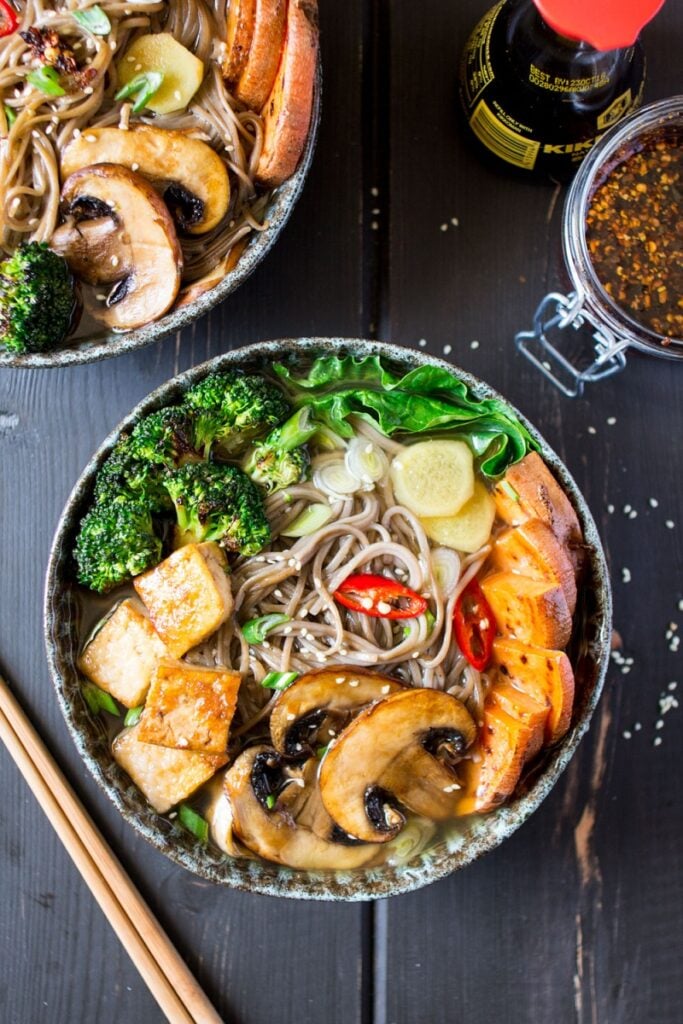
13. Vegan Ramen with Tofu and Spinach
This plant-based ramen combines creamy broth with protein-rich tofu and fresh spinach. Use silken tofu for a soft texture or pan-fry it for crispiness.
The spinach adds iron and vitamins to your bowl. It wilts quickly in the hot broth, so add it near the end of cooking.
Traditional ramen noodles work well since they’re made from wheat flour, water, and salt. Make this dish in 30 minutes using simple ingredients like miso paste and vegetable broth.

14. Chicken and Ginger Ramen
This warming bowl combines tender chicken with fresh ginger for bold flavor. Start by cooking chicken in broth with garlic and ginger until it’s fully cooked.
Shred the chicken and add it back to the pot. Fresh mushrooms and soy sauce boost the taste even more.
Use instant ramen noodles without the seasoning packet. The dish takes about 30 minutes from start to finish.
Add sesame oil at the end for extra richness.

15. Peanut Butter Ramen Sauce
Turn basic instant ramen into a rich meal with peanut butter sauce. This sauce combines creamy peanut butter with soy sauce and a touch of sweetness.
Mix two tablespoons of peanut butter with one tablespoon each of soy sauce, chili garlic sauce, and brown sugar. Whisk until smooth.
Cook your ramen noodles without the seasoning packet. Drain them and toss with the peanut sauce while hot.
The result is creamy, slightly spicy noodles with sweet and salty flavors.

16. Spicy Miso Ramen with Ground Pork
This ramen combines rich miso broth with seasoned ground pork for a hearty meal. The broth gets its depth from miso paste, garlic, and ginger.
Add heat with chili bean paste or chili oil. The ground pork cooks quickly and absorbs the flavors well.
Top your bowl with soft-boiled eggs and green onions.

17. Ramen Stir-Fry with Vegetables
Transform instant ramen into a healthy meal by making stir-fry. Cook the noodles until slightly firm, then drain them. Skip the flavor packet.
Heat oil in a pan and add your favorite vegetables. Cabbage, carrots, and bell peppers work well.
Cook until the vegetables are tender but still crisp. Add the cooked noodles to the pan with the vegetables.
Toss everything together with soy sauce or your preferred stir-fry sauce.

18. Ramen Noodle Soup with Soft-Boiled Egg
This classic ramen combines rich broth with perfectly cooked noodles and a creamy soft-boiled egg. The egg yolk adds richness when mixed into the hot soup.
Use any ramen base like miso, shoyu, or tonkotsu. Cook your soft-boiled egg for 6-7 minutes for the ideal jammy texture.
Top your bowl with sliced green onions, bean sprouts, and sesame oil. Halve the soft-boiled egg to show the golden yolk center.

19. Ramen Carbonara Fusion
This dish combines Italian carbonara with Japanese ramen noodles. You get creamy cheese sauce with crispy bacon over chewy ramen.
The recipe takes about 20 minutes to make. Cook the ramen noodles and mix them with eggs, parmesan cheese, and bacon.
Add peas or other vegetables for extra flavor and nutrition.

20. Ramen with Crispy Fried Chicken
This dish combines two comfort food favorites into one satisfying meal. Cook ramen noodles in a flavorful broth and top them with crispy fried chicken pieces.
The chicken gets a golden crust from frying. Use chicken thighs, breasts, or wings depending on your preference.
Prepare your ramen broth first. Add vegetables like green onions or corn for extra flavor and nutrition.
Fry the chicken until it’s golden and crispy on the outside. Place the hot chicken pieces on top of your prepared ramen bowl and serve right away.

21. Ramen with Bok Choy and Mushrooms
This recipe combines fresh vegetables with rich broth for a healthy meal. You can make it vegetarian or add protein as needed.
Start by slicing shiitake mushrooms. Slice baby bok choy as well.
Heat oil in a large pot. Cook the mushrooms until golden.
Add miso paste, soy sauce, and vegetable broth to create the base. Make sure the broth tastes savory and well-balanced.
Cook your ramen noodles according to package directions. Add the bok choy during the last two minutes of cooking.
Serve hot with sliced green onions on top.
Essential Ingredients for Ramen Noodles
The perfect bowl of ramen relies on three key elements: a flavorful broth that serves as the foundation, carefully selected toppings that add texture and taste, and the right noodles that complement your chosen style.
Traditional Broth Bases
Your broth determines the entire character of your ramen bowl.
Tonkotsu creates the richest base by simmering pork bones for 12-20 hours until the liquid turns milky white.
Shoyu uses soy sauce as its foundation. This clear, brown broth offers a lighter taste than tonkotsu.
You can make shoyu broth with chicken or vegetable stock.
Miso broth combines fermented soybean paste with stock. White miso creates a mild flavor, while red miso adds stronger, saltier notes.
This style works well with corn and butter toppings.
Shio means salt in Japanese. This clear broth relies on salt for seasoning rather than soy sauce or miso.
It has the cleanest, most delicate flavor of all broth types.
Each broth requires different cooking times. Tonkotsu needs the longest preparation, while shio takes the least time to prepare.
Toppings and Garnishes
Chashu pork belly provides the classic protein topping. Braise it slowly in soy sauce, mirin, and sake until tender.
Slice it thick for the best texture.
Soft-boiled eggs add richness to every bowl. Cook them for exactly 6-7 minutes, then marinate in soy sauce and mirin overnight.
Nori seaweed sheets add ocean flavor. Use one or two sheets per bowl.
Bamboo shoots give a crunchy texture that contrasts with soft noodles.
Green onions brighten the dish with fresh flavor. Slice them thin and sprinkle on top just before serving.
Corn kernels work especially well with miso broth. Bean sprouts add crunch and fresh taste to any ramen style.
Choosing the Right Noodles
Fresh ramen noodles contain kansui, alkaline mineral water that gives them their chewy texture and yellow color. These noodles cook in 1-2 minutes.
Thick noodles pair best with rich broths like tonkotsu. They can hold up to heavy, creamy liquids without breaking apart.
Thin noodles work better with lighter broths such as shio or shoyu. They cook faster and absorb delicate flavors more easily.
Wavy noodles trap more broth than straight ones. This makes them perfect for any soup-based ramen recipe.
Store fresh noodles in the refrigerator for up to three days. Freeze them for longer storage, but use them within one month for best results.
Tips for Perfecting Ramen at Home
Great ramen depends on balancing rich broths with proper noodle texture and using smart prep techniques to build complex flavors.
Balancing Flavors and Textures
Your broth needs three key flavor elements: salt, fat, and umami. Salt comes from soy sauce, miso, or sea salt.
Fat adds richness through pork fat, butter, or sesame oil. Umami depth develops through ingredients like kombu seaweed, dried shiitake mushrooms, and fermented bean paste.
Start with small amounts and taste as you go.
Cook fresh ramen noodles for 1-2 minutes in boiling water. They should be firm but not crunchy.
Instant noodles need 3-4 minutes. Watch them closely to avoid mushy noodles.
Serve broth at 160-180°F so it stays hot when you add cool toppings. Warm your bowls first by filling them with hot water for 30 seconds.
Prep and Cooking Techniques
Build your broth base 1-2 days ahead. This gives flavors time to blend and develop.
Store it in the fridge and reheat gently before serving.
Make tare (seasoning base) separately from your broth. Mix 2-3 tablespoons of tare per bowl, then add hot broth.
This method gives you better control over salt levels.
Prepare all toppings before you start cooking. Ramen assembly happens fast once noodles hit the water.
Slice green onions, soft-boil eggs, and portion out other garnishes.
Cook noodles last and serve immediately. Have your bowls ready with tare and hot broth waiting.
Add noodles straight from the pot to each bowl.
Time multiple portions carefully. Cook noodles in small batches so everyone gets hot, properly textured noodles instead of overcooked ones.
Frequently Asked Questions
Making great ramen involves understanding broth basics, protein choices, and noodle preparation.
What are the key ingredients to make an authentic ramen broth?
The foundation of authentic ramen broth starts with bones, aromatics, and time. For tonkotsu broth, you need pork bones boiled for 12-18 hours until creamy white.
Shoyu broth combines chicken or pork stock with soy sauce and miso paste. Add kombu seaweed and dried shiitake mushrooms for deeper umami flavor.
Miso broth requires white or red miso paste mixed with chicken stock. Garlic, ginger, and green onions are essential aromatics for any broth type.
How can I incorporate chicken into a ramen noodle dish?
Shredded chicken breast works best for ramen bowls. Cook the chicken in your broth for 20-30 minutes until tender, then shred it with forks.
Chicken thighs stay more moist than breast meat. Season them with salt and pepper before adding to simmering broth.
Grill chicken separately and slice it thin. Place the sliced chicken on top of your finished ramen bowl as a garnish.
What variations can I make to the classic miso ramen recipe for added flavor?
Add corn kernels and a pat of butter to miso ramen for sweetness and richness. This combination is popular in Hokkaido-style ramen.
Mix different miso types together for complex flavor. Combine white miso with red miso for balance between sweet and salty.
Stir in tahini or peanut butter for nutty depth. Add chili oil or kimchi for heat and fermented tang.
What are some healthy alternatives to traditional ramen noodles?
Shirataki noodles made from konjac root contain almost no calories or carbs. They absorb broth flavors well but have a different texture.
Zucchini noodles work as a low-carb option. Spiralize fresh zucchini and add it to hot broth just before serving.
Whole wheat ramen noodles provide more fiber and protein. Rice noodles or kelp noodles offer gluten-free choices.
How can I make my ramen spicy without compromising the original taste?
Chili oil adds heat without changing the broth’s base flavor. Start with one teaspoon and add more as needed.
Gochujang Korean chili paste brings sweet heat and depth. Mix it directly into miso or shoyu broth.
Fresh sliced jalapeños or serrano peppers give clean heat. Add them as toppings so people can control spice levels.
What is the secret to achieving the perfect texture in homemade ramen noodles?
Use bread flour or add vital wheat gluten to all-purpose flour for chewiness. The higher protein content creates better texture.
Knead the dough thoroughly for at least 10 minutes. This develops gluten for the right bounce and chew.
Let the dough rest for 30 minutes before rolling. Cook fresh noodles for only 2-3 minutes in boiling water to maintain firmness.