
Puerto Rican cuisine brings together Spanish, African, and Caribbean flavors to create dishes that are both comforting and bold. The island’s cooking uses simple ingredients like rice, beans, plantains, and pork to make meals that have fed families for generations.
These 21 recipes will help you make authentic Puerto Rican dishes in your own kitchen, from classic rice and beans to crispy fried plantains.
You’ll discover how to make traditional main dishes like slow-roasted pork and chicken stew. The recipes include both everyday comfort foods and special occasion dishes that showcase the rich flavors of Puerto Rican cooking.
Whether you want to try making mofongo for the first time or perfect your rice and beans, these dishes will give you a true taste of the island.

1. Arroz con Gandules
Arroz con Gandules is Puerto Rico’s national rice dish. You combine rice with pigeon peas called gandules to create this staple meal.
The dish gets its flavor from sofrito, a blend of garlic, onions, and peppers. Olive oil, bay leaves, and sazon seasoning add depth.
Many cooks add pork chunks or ham for extra protein. Olives and tomato sauce complete the traditional recipe.
This yellow rice dish works perfectly for family gatherings. Serve it alongside Puerto Rican roast pork for an authentic meal.

2. Mofongo
Mofongo is a beloved Puerto Rican dish made with fried green plantains. You mash the plantains with garlic and salt to create this flavorful meal.
The dish often includes pork cracklings or bacon for extra taste. Add different meats or seafood on the side to make it your own.
The combination of crispy plantains and garlic creates a satisfying dish. Serve mofongo as a main course or side.

3. Pollo Guisado
Pollo Guisado is a classic Puerto Rican chicken stew that brings comfort to any table. This dish combines tender chicken with rich sofrito and tomato sauce.
The stew includes potatoes, carrots, and olives for extra flavor. Fresh cilantro adds a bright finish to each bite.
Use bone-in chicken for the best taste. Serve it over white rice for an authentic Puerto Rican meal.
This recipe works great in a slow cooker too.

4. Lechón Asado
Lechón Asado is Puerto Rico’s most beloved holiday dish. You roast a whole pig or pork shoulder over charcoal for many hours.
The secret is in the marinade called “mojo.” You blend garlic, oregano, cumin, and adobo seasoning with citrus and oil.
Marinate the pork overnight to let the flavors soak in. Then slow-roast it until the meat becomes tender and the skin turns crispy.
You’ll often find it served at celebrations and family gatherings throughout the island.

5. Tostones
Tostones are twice-fried green plantain slices that create a crispy outside and soft inside. Fry plantain rounds once, then smash them flat and fry again.
Green plantains work best because they are starchy and less sweet than ripe ones. You can find them at most grocery stores.
These golden treats make perfect appetizers, side dishes, or snacks. Serve them with mayo-ketchup sauce or eat them plain with just salt.
6. Asopao de Pollo
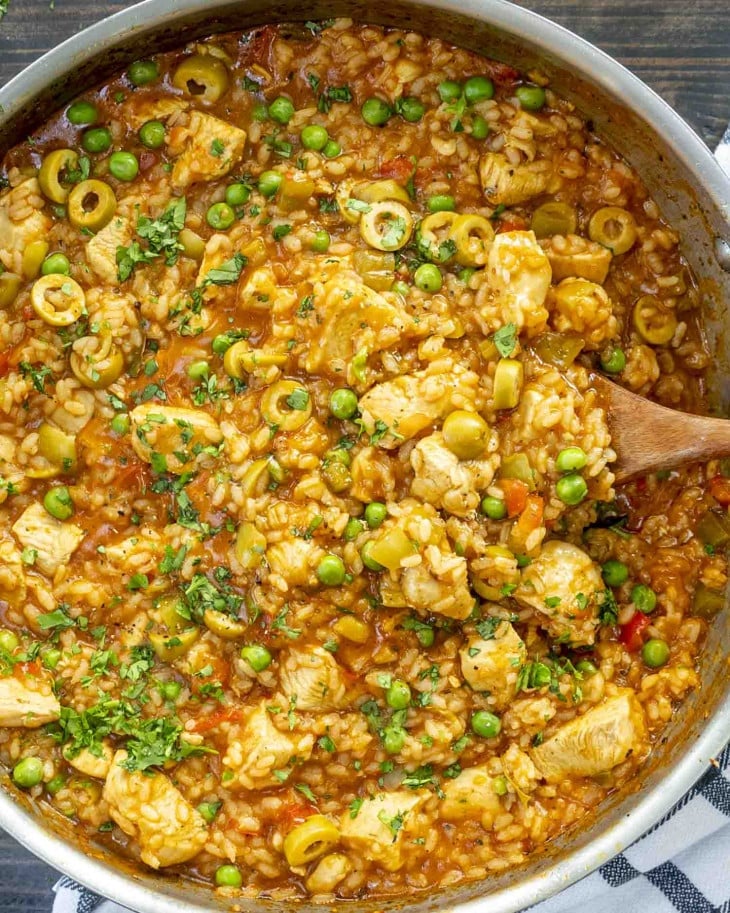
Asopao de Pollo is Puerto Rico’s beloved chicken and rice stew. This hearty dish combines tender chicken with rice in a rich, flavorful broth.
You’ll taste the signature flavors of sofrito and adobo seasoning in every spoonful. Green olives add a briny touch that balances the savory elements.
This one-pot meal works great when you’re feeling sick or want comfort food. The rice absorbs all the delicious chicken flavors as it cooks.
Serve asopao with sliced avocado and tostones for a complete Puerto Rican meal.

7. Empanadillas
Empanadillas are Puerto Rico’s version of empanadas. These fried turnovers have golden, flaky dough that holds tasty fillings inside.
You can stuff them with seasoned ground beef, chicken, cheese, or even pizza toppings. The most popular filling is picadillo-style beef with potatoes.
Sofrito gives the filling its unique Puerto Rican taste. This blend of peppers, onions, and herbs sets it apart.
You can also call them pastelillos. They work great as appetizers or snacks.

8. Pastelón
Pastelón is Puerto Rico’s version of lasagna. You layer sweet plantains instead of pasta with ground beef and cheese.
This dish mixes sweet and savory flavors perfectly. The plantains give it a tropical taste.
Fry plantain slices until golden. Then layer them with seasoned ground beef and cheese in a baking dish.
The beef filling uses sofrito and spices like adobo. This creates a rich, flavorful meat layer.
Pastelón works great for family dinners or potlucks. It feeds many people and always impresses guests.

9. Alcapurrias
Alcapurrias are crispy Puerto Rican fritters that make perfect street food. You make the dough from green plantains and yautía (taro root) mashed into a smooth paste.
The filling uses seasoned ground beef called picadillo. You can also stuff them with chicken, pork, or seafood like shrimp.
Shape the dough around the meat filling and deep fry until golden brown. The outside becomes crispy while the inside stays soft and flavorful.
These fritters are popular at festivals and food stands across Puerto Rico.

10. Sorullitos de Maíz
These Puerto Rican corn fritters are crispy outside and soft inside. You make them with cornmeal, water, and cheese.
The dough is simple to prepare. Add cheese for extra flavor or keep them plain.
Fry the fritters until they turn golden brown. They cook in about 20-30 minutes total.
Sorullitos work great as appetizers or snacks. Serve them with dipping sauces like mayoketchup.

11. Arroz con Dulce
Arroz con dulce is Puerto Rico’s beloved rice pudding dessert. Its creamy texture comes from coconut milk and warm spices.
This sweet treat combines rice with cinnamon and cloves. Many families add raisins for extra sweetness.
You’ll often find this dessert served during holidays and special occasions. It’s a traditional recipe passed down through generations.
The coconut milk gives it a rich flavor that’s different from regular rice pudding. Dust the top with cinnamon before serving.

12. Habichuelas Guisadas
These Puerto Rican stewed beans bring comfort to every meal. Habichuelas guisadas are red or pinto beans cooked in a rich tomato-based sauce.
Sofrito and sazon seasoning give the beans their deep, savory flavor. Serve them over white rice as a side dish.
Many families also enjoy them as a main course for easy weeknight dinners. The beans simmer with potatoes and herbs until tender.

13. Chicharrón de Pollo
Chicharrón de Pollo brings you crispy Puerto Rican fried chicken with bold island flavors. You marinate chicken pieces in adobo seasoning, sazon, garlic, and citrus juices.
Dark meat chicken thighs work best for this dish. Keep the skin on and bone in for maximum flavor and crispiness.
Fry the chicken twice to create the perfect crunchy texture. Coat the marinated pieces in flour before frying until golden brown.
This popular comfort food appears on tables across Puerto Rico. Serve it with rice, tostones, or lime wedges.

14. Pernil
Pernil is Puerto Rico’s signature slow-roasted pork shoulder. Marinate the meat overnight with garlic, sofrito, adobo, and oregano.
The cooking process takes about 8 hours at low heat. This creates tender, fall-apart meat with crispy skin on top.
You’ll find pernil at every major Puerto Rican celebration. Serve pernil with arroz con gandules and pasteles for an authentic Puerto Rican feast.

15. Pescado Frito
Pescado Frito is Puerto Rico’s classic fried fish dish. You’ll find this popular meal served throughout the island, especially along the coast.
Red snapper is the most common fish used. Marinate the whole fish in adobo seasoning before frying.
The result is crispy skin on the outside and flaky, moist meat inside. Serve it with rice, beans, or plantains for a complete meal.

16. Tembleque
This creamy Puerto Rican coconut pudding deserves a spot on your dessert table. You make it with just coconut milk, sugar, and cornstarch.
The pudding gets its name from how it jiggles when served. Cook the ingredients for about 15-20 minutes, then chill it in molds.
Most recipes include a sprinkle of cinnamon on top. Make it in one large dish or individual servings for your guests.

17. Flan de Queso
Flan de Queso combines traditional custard with cream cheese for a rich twist. This popular Puerto Rican dessert tastes like a mix between flan and cheesecake.
You need just six basic ingredients: eggs, cream cheese, evaporated milk, condensed milk, vanilla, and sugar for caramel. The cream cheese adds tangy flavor that balances the sweetness.
Make sure all ingredients reach room temperature before mixing. This prevents lumps and creates smooth custard.
Bake the dessert in a caramel-lined pan and chill until serving.

18. Alcapurria
Alcapurria is a popular Puerto Rican fritter you can find at street stands across the island. You make it with green bananas and taro root mashed into a dough.
Stuff the dough with seasoned ground beef or pork called picadillo. You can also fill it with chicken, shrimp, or turkey.
Shape the filled dough and deep fry it until golden brown. The outside becomes crispy while the inside stays soft and flavorful.

19. Bacalaítos
Bacalaítos are crispy Puerto Rican codfish fritters that make perfect appetizers or snacks. These golden treats combine salted cod with a seasoned flour batter.
You’ll find them at beach kiosks and street vendors across Puerto Rico. They’re also popular at family gatherings and festivals.
The fritters have a crunchy exterior and light, airy interior packed with flaky codfish. Many recipes include sofrito and spices for extra flavor.
Serve bacalaítos as appetizers, side dishes, or snacks on their own.

20. Carne Guisada
This Puerto Rican beef stew brings comfort to your table. You make it with chunks of beef and vegetables cooked in sofrito sauce.
The meat becomes very tender after slow cooking. Season it with sazon, adobo, and garlic for rich flavor.
Add potatoes, carrots, and olives to make it heartier. The stew cooks in a tomato-based sauce with onions and peppers.
Let the beef simmer until it falls apart easily with a fork.

21. Sancocho
Sancocho is Puerto Rico’s ultimate comfort food. This hearty stew combines tender beef with root vegetables in a rich broth.
You’ll find yuca, plantains, pumpkin, and corn simmering together. The dish gets its deep flavor from sofrito and traditional seasonings.
Many families call it “Seven Meat Soup” because it can include different meats. The stew works perfectly on cold or rainy days.
Serve it with bread to soak up the flavorful broth.
Understanding Puerto Rican Cuisine
Puerto Rican cooking blends Caribbean, Spanish, West African, and American flavors through key ingredients like sofrito, plantains, and rice. This unique fusion developed over centuries of cultural exchange and colonization.
Essential Ingredients in Puerto Rican Cooking
Sofrito forms the base of most Puerto Rican dishes. This aromatic blend contains cilantro, onions, garlic, and peppers.
You’ll find sofrito in rice dishes, stews, and beans. It infuses meals with a distinctive flavor.
Rice and beans appear in almost every Puerto Rican meal. The beans are usually red kidney beans or pigeon peas called gandules.
These provide protein and fiber. They form a staple combination in Puerto Rican cuisine.
Plantains come in two forms. Green plantains get fried into tostones or boiled.
Sweet yellow plantains become maduros when fried until caramelized. Both types add variety to meals.
Pork is the most popular meat. Pernil (roasted pork shoulder) and chicharrones (pork rinds) are favorites.
Chicken and seafood also feature heavily. These proteins appear in many classic dishes.
Adobo seasoning contains garlic powder, oregano, salt, and pepper. This spice blend seasons almost everything.
You can buy it or make your own. Adobo adds depth to meats and vegetables.
Coconut appears in many desserts and drinks. Fresh coconut milk enriches rice puddings and flans.
Coconut adds tropical sweetness to traditional recipes. It brings a unique flavor to Puerto Rican sweets.
Historical Influences on Puerto Rican Dishes
Spanish colonizers brought rice, pork, and cattle starting in the 1500s. They introduced frying techniques and wheat flour.
Many cooking methods come from Spain. Spanish influence shaped the island’s culinary foundation.
West African slaves contributed plantains, yams, and okra. They brought slow-cooking methods for tough cuts of meat.
Their influence shows in hearty stews and bean preparations. African heritage remains strong in Puerto Rican food.
Indigenous Taíno people provided cassava, sweet potatoes, and tropical fruits. They used clay pots for cooking.
Their grilling and seasoning methods survived colonization. Taíno traditions persist in many dishes.
American influence grew after 1898 when the U.S. took control. Canned goods, processed foods, and new cooking equipment changed traditional recipes.
Modern Puerto Rican food mixes old and new styles. The cuisine continues to evolve.
Tips for Authentic Puerto Rican Recipes
Making real Puerto Rican food means using the right cooking methods and having the proper tools. These time-tested techniques and essential kitchen items will help you create dishes that taste just like they do on the island.
Traditional Cooking Techniques
Sofrito forms the base of most Puerto Rican dishes. You make this by blending cilantro, onions, garlic, and peppers into a paste.
Store it in your fridge for up to a week. This makes meal prep easier.
Always sauté your sofrito first. Heat oil in your pan and cook the sofrito for 2-3 minutes before adding other ingredients.
This releases the flavors. It builds a strong foundation for your dish.
Low and slow cooking works best for meats like pernil and stews. Cook pork shoulder at 300°F for 4-6 hours.
This makes the meat tender and juicy. Patience brings out the best texture.
Season generously with adobo seasoning. Puerto Rican food uses bold flavors.
Don’t be afraid to add salt, garlic powder, and oregano. Proper seasoning is key.
Fry twice for perfect tostones. First fry green plantains for 3 minutes, then smash them flat and fry again until crispy.
This double-frying creates the signature crunch. Serve them hot for the best taste.
Recommended Kitchen Tools
A tostonera helps you make perfect smashed plantains. This wooden tool flattens fried plantains evenly.
You can also use a plate if you don’t have one. Even pressure ensures crispy results.
Large heavy pots work best for rice dishes and stews. Cast iron or enameled pots hold heat well and prevent burning.
A food processor makes sofrito preparation much easier. Hand-chopping works too, but takes much longer.
Mortar and pestle (pilón) crushes garlic and spices better than a knife. This traditional tool releases more oils from the ingredients.
Keep wooden spoons for stirring rice. Metal spoons can scratch your pots and don’t feel right in your hand when making traditional dishes.
Frequently Asked Questions
Many home cooks have questions about ingredients, cooking techniques, and finding authentic recipes when starting their Puerto Rican cooking journey. These common questions cover traditional dishes, recipe sources, quick meal preparation, desserts, specific cooking instructions, and helpful online resources.
What are some traditional dishes to try when exploring Puerto Rican cuisine?
Start with arroz con gandules, which many consider Puerto Rico’s national dish. This rice and pigeon peas dish uses sofrito and sazon for authentic flavor.
Mofongo is another must-try dish made from fried plantains mashed with garlic and chicharrones. You can serve it as a side or stuff it with meat or seafood.
Pernil is slow-roasted pork shoulder seasoned with garlic and herbs. It’s a holiday favorite that takes hours to cook but delivers incredible flavor.
Try alcapurrias and bacalaitos for popular street food options. These are fried fritters made with different batters and fillings.
Where can I find authentic recipes for Puerto Rican dishes?
Look for cookbooks by Puerto Rican authors who grew up on the island. These writers often share family recipes passed down through generations.
Online cooking blogs run by Puerto Rican chefs offer step-by-step instructions. Many include personal stories about the dishes and their cultural importance.
Ask family members or friends with Puerto Rican heritage for their favorite recipes. Home cooks often have the most authentic versions of traditional dishes.
How can I make easy and quick Puerto Rican meals at home?
Stock your pantry with essential seasonings like sazon packets and adobo. These pre-made spice blends save time while adding authentic flavor.
Make your own adobo seasoning ahead of time for better taste than store-bought versions. Mix garlic powder, oregano, salt, and pepper.
Start with simple dishes like pollo guisado or tostones. These require fewer ingredients and less cooking time than complex dishes.
Prepare sofrito in large batches and freeze it in ice cube trays. This base sauce works in many Puerto Rican recipes.
What are the most popular desserts from Puerto Rico?
Tembleque is a coconut pudding that’s creamy and light. You make it with coconut milk, sugar, and cornstarch, then chill until set.
Arroz con dulce is Puerto Rican rice pudding made with coconut milk and warm spices. It’s especially popular during holidays.
Flan is a caramel custard that’s smooth and sweet. While common throughout Latin America, Puerto Rico has its own version.
Tres leches cake soaks sponge cake in three types of milk. It’s moist and rich with a light texture.
Can you provide step-by-step instructions to prepare Mofongo?
Peel and slice green plantains into thick rounds. Fry them in hot oil until golden brown on both sides.
Season the fried plantains with salt while they’re still hot. Let them cool slightly before the next step.
Mash the plantains in a wooden mortar called a pilón. Add minced garlic and crispy pork skin pieces while mashing.
Form the mixture into a bowl shape using the mortar. You can fill it with shrimp, chicken, or other proteins.
Are there any online resources with photos to help in cooking Puerto Rican food?
Food blogs with step-by-step photos show each stage of cooking. These visual guides help you know what each step should look like.
YouTube cooking channels offer video tutorials for Puerto Rican dishes. You can watch techniques like proper plantain frying or sofrito making.
Puerto Rican cooks run social media accounts that share quick tips and photos. Instagram and TikTok have many short cooking videos.
Online recipe sites often include user photos of finished dishes. These show how your food should look when done correctly.