
Nigerian food offers some of the most flavorful and diverse dishes in West Africa. Rice-based meals, hearty soups, and traditional stews make up the heart of this rich cooking style.
Nigerian recipes use fresh ingredients and time-tested cooking methods to create bold flavors that satisfy any appetite.
These 21 authentic Nigerian recipes will help you bring the taste of Nigeria to your own kitchen. You’ll discover popular dishes like Jollof rice and Egusi soup alongside regional favorites such as Banga soup and Nkwobi.
Each recipe uses ingredients you can find at most grocery stores. Exploring this exciting cuisine at home is easy.
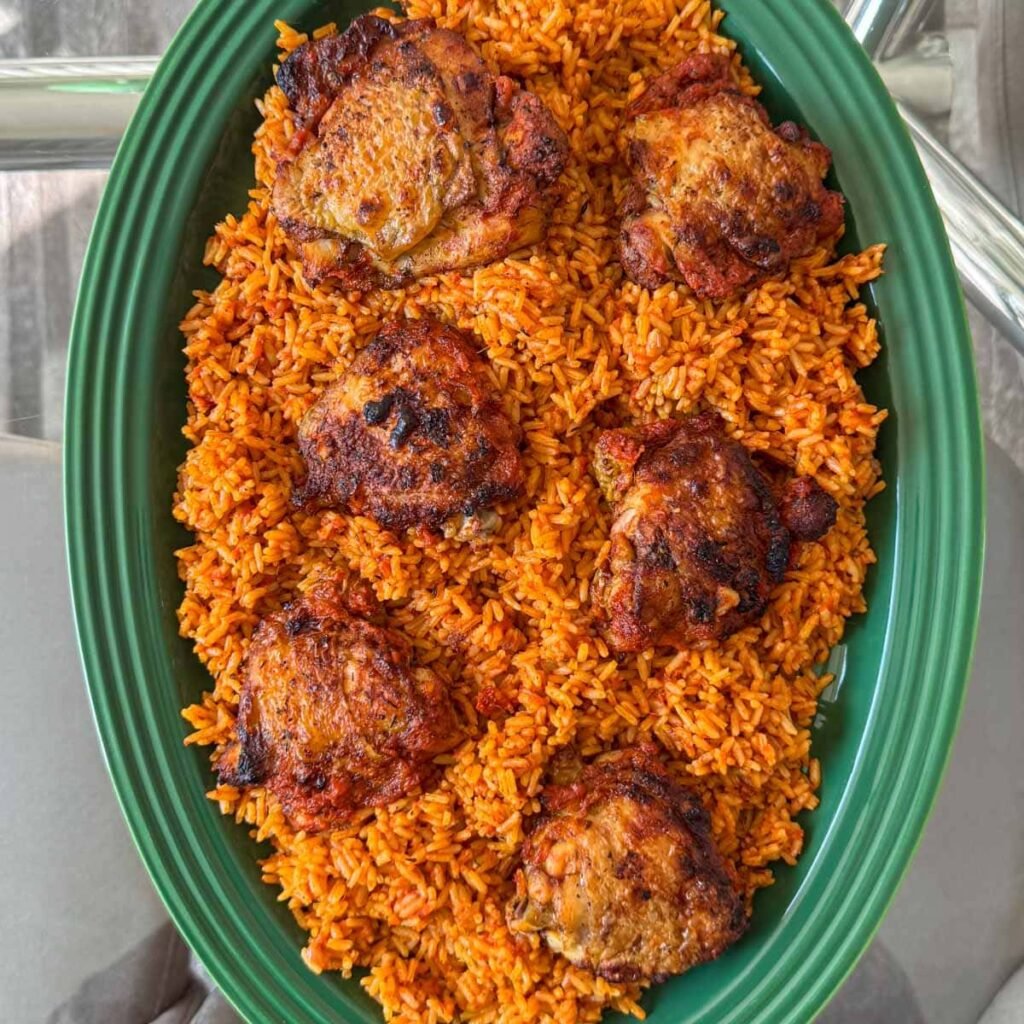
1. Jollof Rice
Jollof rice stands as Nigeria’s most famous dish. This one-pot meal combines rice with tomatoes, onions, and peppers.
You’ll find this staple in most West African households. The dish originated from the Wolof tribe and spread across the region.
The rice gets its signature smoky and spicy flavor from careful seasoning. Serve it with fried meat, plantain, or vegetable salad.
This versatile dish works for both weeknight dinners and special occasions. The rich, savory taste makes it perfect as a main dish or side.

2. Egusi Soup
Egusi soup is one of Nigeria’s most beloved dishes. You make it with ground melon seeds, vegetables, and meat or fish.
This rich soup offers deep, nutty flavors. You can prepare it easily, yet it tastes amazing every time.
You’ll find different versions across Nigeria. Some include leafy greens like spinach or bitter leaf.
Serve egusi soup with pounded yam, rice, or other Nigerian staples.

3. Pounded Yam
Pounded yam is a classic Nigerian dish made from boiled yams. You create a smooth, stretchy dough that serves as a staple food.
To make it, peel and slice yams, then boil them for 15-20 minutes until soft. After cooking, pound the yams until they become smooth and stretchy.
Serve pounded yam with various Nigerian soups like egusi or vegetable soup.

4. Pepper Soup
Pepper soup is a spicy Nigerian broth that warms you up instantly. You make it with meat or fish and special local spices.
This soup works great as a starter or main dish. Many people drink it when they feel sick or cold.
You can use different meats like beef, goat, or chicken. Fish versions with catfish are also popular.
Use the right pepper soup spice mix for its unique taste and smell.

5. Beef Stew
Nigerian beef stew is a cornerstone of the country’s cooking. You’ll find this tomato-based dish in most Nigerian homes, especially on Sundays.
The stew uses tender beef pieces cooked with tomatoes, peppers, and spices. Chuck roast works best because it becomes soft after slow cooking.
Serve this rich, red stew over rice or use it as a base for jollof rice.

6. Ofada Rice and Stew
Ofada rice and stew is a traditional Nigerian dish from the Yoruba people in southwestern Nigeria. The rice is locally grown and has a unique flavor and aroma.
The stew, also called Ayamase, is very spicy and hot. You make it with bleached palm oil, bell peppers, and fermented locust beans.
The dish uses smoked dried shrimp and crayfish for deep flavors. Serve it with boiled eggs for extra protein.
This meal is popular in Lagos and surrounding areas.

7. Moi Moi
Moi Moi is a popular Nigerian steamed bean pudding. You make it from ground black-eyed peas or brown beans mixed with peppers and onions.
This dish works well for breakfast or lunch. You can eat it with bread, garri, or ogi.
Blend the beans into a smooth paste with spices. Steam the mixture until it becomes firm like a cake.
Many people add extras like hard-boiled eggs, fish, or corned beef.

8. Amala and Ewedu Soup
Amala and ewedu soup is a classic Nigerian dish from the Yoruba people. You make amala from yam flour or cassava flour mixed with hot water.
The result is a smooth, stretchy food with a dark brown color. Ewedu soup comes from jute leaves that you blend or mash into a slimy, green soup.
You can use a blender or traditional broom sticks to prepare the leaves. Serve these two dishes together for a complete meal.

9. Nigerian Fried Rice
Nigerian fried rice is a colorful party favorite that tastes like continental cuisine. You can make this dish at home with simple ingredients and basic cooking skills.
The recipe uses basmati rice mixed with fresh vegetables like carrots, green beans, and bell peppers. Add protein like chicken, shrimp, or liver for extra flavor.
Season the rice with spices and cook everything together in one pan. Nigerian families serve this dish at special events and gatherings.

10. Okra Soup
Okra soup is one of Nigeria’s most loved dishes. You make it with fresh okra as the main ingredient.
The soup has a thick texture that comes from the okra. Cook it with palm oil, meat, and fish for rich flavor.
Add different spices to enhance the taste. Many people serve it with fufu or pounded yam.
This soup is healthy and filling.

11. Gbegiri Soup
Gbegiri soup is a traditional Nigerian bean soup from the Yoruba people. You make it with peeled brown beans or black-eyed beans that are cooked and blended smooth.
The soup has a creamy texture and mild flavor on its own. Serve it with ewedu soup and meat stew for a complete meal called abula.
You can enjoy gbegiri with Nigerian staples like amala, tuwo, or fufu.
12. Banga Soup
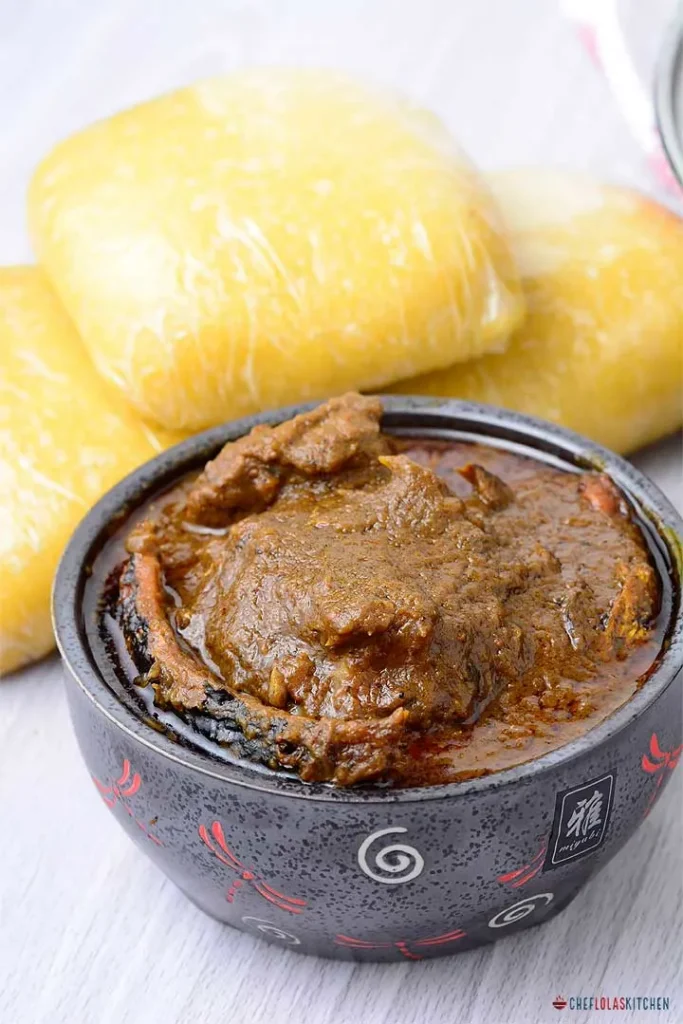
Banga soup is a rich Nigerian dish made from palm fruit extract. You’ll find this flavorful soup popular in the Niger Delta region.
The soup combines palm nuts with meat, fish, and special local spices called banga spices. These spices give it a unique taste and smell.
Serve banga soup with starch, pounded yam, eba, or fufu. Use fresh palm nuts and quality meat for the best results.

13. Nkwobi
Nkwobi is a spicy Nigerian dish made from cow foot. This popular delicacy comes from the Igbo people and is often served in restaurants and beer parlors.
Cook the cow foot until tender, then mix it with a thick sauce made from palm oil and spices. The dish has a rich, spicy flavor that makes it perfect for special occasions.
Serve nkwobi as an appetizer or main dish. It pairs well with cold drinks.

14. Abacha (African Salad)
Abacha is a popular Nigerian dish from the eastern region. It comes from Igbo culture and uses cassava flakes as the main ingredient.
Make this colorful salad with shredded cassava, palm oil, and spices. The dish also includes ugba, which are fermented oil bean seeds.
The flavors are tangy and spicy. Prepare abacha in about 15 minutes once you have all the ingredients.
This dish works as both a meal and a snack.

15. Yam Porridge
Yam porridge is a popular Nigerian comfort food that you can make in under 30 minutes. This one-pot dish uses simple, natural ingredients without artificial colors or spices.
Prepare this soupy yam meal with vegetables like spinach, ugwu, or kale. The dish has a creamy texture and rich flavor.
Yam porridge is especially common in Igbo cuisine, where yam is a staple crop.

16. Nigerian Shawarma
Nigerian shawarma is a popular street food that came from Lebanese immigrants. It has become one of Nigeria’s favorite snacks.
Wrap marinated chicken or beef in flatbread with fresh vegetables. Season the meat with local Nigerian spices.
Make it at home using a frying pan or oven. Marinate your protein well and add the right sauce.
Serve it with cabbage, carrots, cucumber, and a creamy sauce.

17. Efo Riro
Efo riro is a popular Nigerian spinach stew from Yorubaland in Western Nigeria. The word “efo” means vegetables in Yoruba.
Make this rich vegetable soup with Lagos spinach or African spinach. Regular spinach works well if you cannot find these types.
The stew combines fresh leafy greens with tomatoes, red palm oil, and meat or fish. Ground crayfish adds extra flavor.
This healthy soup is packed with nutrients and bold African spices.

18. Oha Soup
Oha soup is a traditional Nigerian dish from the Igbo people of Eastern Nigeria. You make this rich soup using fresh oha leaves as the main ingredient.
The soup contains cocoyam paste as a thickener. Add assorted meats and fish for protein and flavor.
Oha soup tastes similar to bitterleaf soup but uses different leaves. Fresh oha leaves work best, though you can find dried versions in African stores.
Serve oha soup hot with Nigerian swallows like pounded yam, fufu, or eba.
19. Isi Ewu
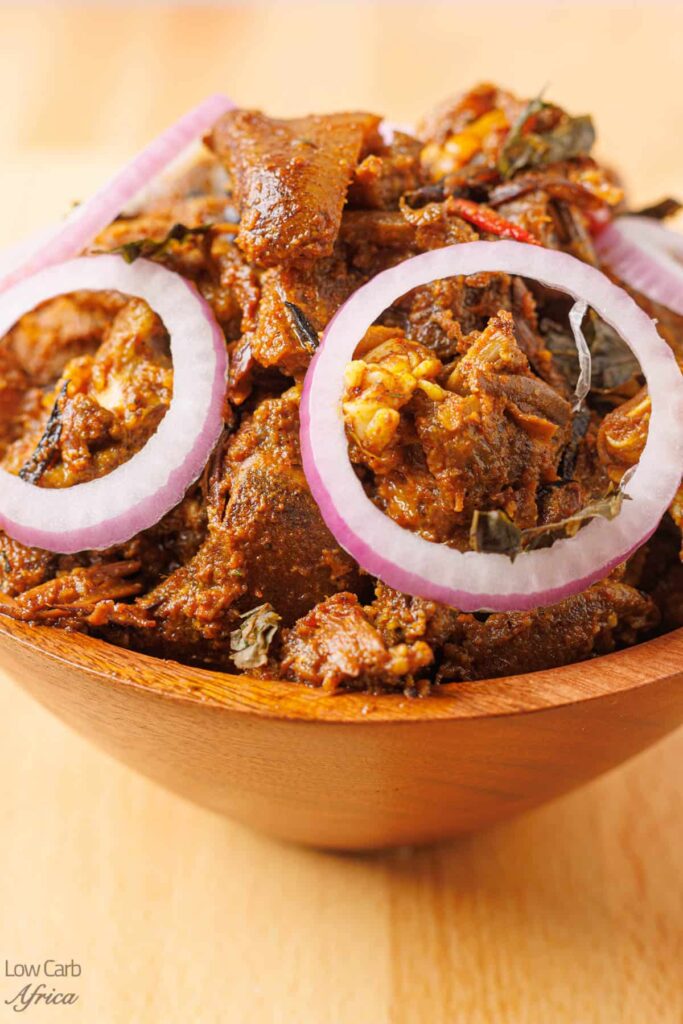
Isi Ewu is a popular Nigerian dish made from spicy goat head. This traditional delicacy comes from eastern Nigeria and the Igbo culture.
Cook the goat head until tender, then mix it with palm oil and spices. The dish tastes similar to Nkwobi but uses different meat parts.
Many Nigerian restaurants serve Isi Ewu as a special meal.

20. Beans and Corn Porridge
Beans and corn porridge, known as Adalu in Yoruba, combines two nutritious ingredients into one satisfying meal. You get protein from beans and energy from corn in every bite.
This traditional Nigerian dish uses simple ingredients like beans, corn, palm oil, and pepper. Prepare it with fresh or dried corn depending on what you have available.
Boil beans and corn together until tender. Add seasonings like crayfish, pepper, and onions for extra flavor.
Many Nigerians enjoy this hearty porridge as a complete meal.

21. Fish Pepper Soup
Fish pepper soup is a spicy Nigerian dish that warms you up on cold days. You cook fresh fish in a peppery broth with local herbs and spices.
This soup uses scotch bonnet peppers for heat. The herbs give it a special taste that makes it different from other soups.
Make this soup when you feel sick or want comfort food. Nigerian families often eat it during rainy season or at celebrations.
The soup is light but filling. Use fresh fish, peppers, and traditional spices to make it right.
Key Ingredients in Nigerian Cuisine
Nigerian cooking uses bold spices like scotch bonnet peppers and curry powder. Staple grains such as rice and yam, and proteins including beef, chicken, and dried fish, create the rich flavors and hearty textures that define authentic Nigerian dishes.
Essential Spices and Seasonings
Scotch bonnet peppers bring heat and flavor to Nigerian food. You’ll find these small, fiery peppers in almost every traditional recipe.
They provide both spice and a unique fruity taste. Curry powder and thyme add depth to rice dishes, stews, and meat preparations.
Most Nigerian cooks keep both in their spice cabinet. Ginger and garlic work together in many recipes.
Fresh ginger adds warmth and helps with digestion. Garlic brings a sharp, savory note to soups and stews.
Onions serve as a base ingredient in most Nigerian cooking. You’ll use them in everything from jollof rice to pepper soup.
They provide sweetness and body to sauces. Native spices like locust beans (iru) and African nutmeg (ehuru) give dishes their authentic taste.
These ingredients connect modern cooking to traditional Nigerian flavors.
Traditional Grains and Tubers
Rice dominates Nigerian meals as the most popular grain. You’ll prepare it as jollof rice, coconut rice, or plain white rice.
It serves as the foundation for many complete meals. Yam stands as Nigeria’s most important tuber crop.
You can boil, fry, or pound it into fufu. Fresh yam provides filling carbohydrates and works with any sauce or stew.
Cassava offers versatility in Nigerian cooking. You’ll use it fresh, dried as garri, or processed into flour.
It makes excellent fufu and serves as a rice alternative. Plantains bridge the gap between sweet and savory.
Green plantains work well in stews, while ripe ones make sweet sides. You can boil, fry, or roast them.
Maize appears in various forms across Nigerian cuisine. You’ll find it as corn flour, dried kernels, or fresh corn.
It thickens soups and makes filling side dishes.
Popular Proteins Used
Beef remains the most common meat in Nigerian dishes. You’ll use it in pepper soup, stews, and rice dishes.
Both fresh and dried beef add rich, meaty flavors to meals. Chicken appears in special occasion foods and everyday meals.
Nigerian recipes often call for whole chickens cut into pieces. It cooks well in spicy sauces and tomato-based stews.
Fish provides protein in both fresh and dried forms. Dried fish adds intense flavor to soups without overpowering other ingredients.
Fresh fish works well in pepper soup and light stews. Goat meat offers a traditional protein choice for celebrations.
It has a stronger taste than beef and pairs well with bold Nigerian spices. You’ll find it in special occasion dishes.
Beans serve as an affordable protein source. Black-eyed peas and brown beans appear in dishes like moi moi and akara.
They provide filling nutrition and work with many flavor combinations.
Cooking Techniques and Regional Influences
Nigerian cuisine uses specific cooking methods that vary by region. Northern areas favor grilling and roasting, while southern regions focus more on steaming and boiling.
Modern cooking blends traditional techniques with global influences. This creates new versions of classic dishes.
Methods of Preparation
Nigerian cooking relies on several key techniques that bring out rich flavors. Boiling forms the base for many dishes like rice, yams, and plantains.
Frying creates crispy textures in foods like plantain chips and akara (bean cakes). You’ll use palm oil or vegetable oil for deep frying.
Steaming keeps vegetables and fish tender. Many cooks wrap food in banana leaves or foil before steaming.
Grilling over open flames gives meat and fish a smoky taste. This method works well for suya (spiced meat skewers) and grilled fish.
Stewing combines ingredients slowly over low heat. Popular stews include tomato-based sauces that simmer for hours.
The pounding technique uses a mortar and pestle to make yam flour or crush spices. This creates smooth textures in dishes like pounded yam.
Cultural Variations
Different regions in Nigeria use distinct cooking styles based on local ingredients and traditions. Northern states like Kano and Kaduna focus on grilled meats and millet-based foods.
The Yoruba people in the southwest prefer steamed foods and use lots of palm oil. They make dishes like moin moin (steamed bean pudding) and efo riro (vegetable stew).
Igbo cuisine from the southeast features more vegetables and fish. They use techniques like fermenting to make foods like ogiri (locust bean seasoning).
The Middle Belt region mixes northern and southern methods. They combine grilling with steaming and use both palm oil and groundnut oil.
Coastal areas rely heavily on seafood preparation methods. They smoke fish and use coconut in many recipes.
Modern Twists on Traditional Recipes
Today’s Nigerian cooks blend old methods with new techniques. Pressure cooking speeds up traditionally slow dishes like beans and tough meats.
Oven baking replaces some frying methods for healthier versions of favorites. You can now find baked plantain instead of fried.
Food processors make quick work of grinding peppers and onions that cooks once chopped by hand. This saves time while keeping authentic flavors.
Fusion cooking combines Nigerian spices with international dishes. Examples include jollof risotto or suya pizza.
Many recipes now include healthier substitutions. Cooks use less oil and add more vegetables to traditional meat dishes.
Air fryers create crispy textures without deep frying. This works well for making healthier versions of chin chin (fried pastry) and plantain chips.
Frequently Asked Questions
These common questions cover traditional dishes you can make at home, recipe resources, budget planning tips, beginner-friendly meals, essential ingredients, and downloadable guides.
What are some traditional Nigerian dishes that I can prepare at home?
You can easily make Jollof rice at home using rice, tomatoes, onions, and spices. This one-pot dish is perfect for beginners and requires basic cooking skills.
Egusi soup uses ground melon seeds, leafy vegetables, and your choice of meat or fish. You cook it with palm oil and season with locust beans or stock cubes.
Pounded yam pairs well with many Nigerian soups and stews. You can use a food processor or blender to achieve the smooth texture if you don’t have a mortar and pestle.
Pepper soup makes a great starter or light meal. You need fresh peppers, ginger, garlic, and your preferred protein like chicken, fish, or goat meat.
Where can I find a comprehensive list of Nigerian food recipes with pictures?
Many online cooking websites feature Nigerian recipes with step-by-step photos. Food blogs run by Nigerian chefs often include detailed images of ingredients and cooking processes.
YouTube cooking channels provide visual guides that show you exactly how each dish should look at every stage. These videos help you identify when your food is properly cooked.
Nigerian recipe apps for smartphones often include photo galleries. These apps let you save your favorite recipes and access them while cooking.
Plan meals around affordable staples like rice, yam, beans, and cassava. These ingredients form the base of many Nigerian dishes and cost less than specialty items.
Buy protein in bulk and freeze portions for different meals throughout the week. Use cheaper cuts of meat for stews and soups where they become tender through slow cooking.
Shop for vegetables at local markets where prices are often lower than supermarkets. Focus on seasonal produce that costs less and tastes better.
Prepare large batches of soups and stews that you can eat with different starches. This saves time and reduces your grocery bills.
Can you suggest some simple Nigerian dinner ideas for beginners?
Start with Jollof rice since it requires only one pot and basic ingredients. You add everything together and let it cook.
Try Nigerian fried rice as another beginner option. You cook the rice first, then stir-fry it with vegetables and seasonings in a separate pan.
Beef stew with white rice gives you practice with Nigerian spice combinations. The stew uses simple techniques like blending peppers and slow-cooking meat.
Bean porridge makes a filling dinner that needs just beans, palm oil, and vegetables. You can add dried fish or meat if you want extra protein.
What are the essential ingredients for cooking authentic Nigerian meals?
Palm oil gives Nigerian food its distinctive color and flavor. You cannot substitute it with other oils if you want authentic taste.
Stock cubes or seasoning powder appear in most Nigerian recipes. Popular brands include Maggi and Knorr, which add umami flavor to dishes.
Scotch bonnet peppers provide the heat level that Nigerians expect in their food. You can reduce the amount if you prefer milder flavors.
Locust beans add a fermented flavor to soups and stews. Ground crayfish gives seafood taste to vegetable dishes and soups.
Nigerian spice blends like curry powder and thyme season many dishes. Fresh ginger, garlic, and onions form the flavor base for most recipes.
Is there a resource or guide that offers Nigerian food recipes in a PDF format?
Many Nigerian food bloggers offer free recipe collections as PDF downloads. You can find these on cooking websites that specialize in African cuisine.
Some cooking schools provide downloadable Nigerian recipe guides. These PDFs often include ingredient lists and cooking times.
Nigerian cookbook authors sometimes release sample chapters as PDF files. These allow you to preview their full recipe collections before buying the complete book.
Food preservation and cultural organizations publish traditional recipe collections in PDF format. These documents help preserve authentic cooking methods for future generations.