
Cuban food brings together Spanish, African, and Caribbean flavors to create dishes that are both comforting and exciting. The island’s rich history shows up in every meal, from slow-cooked stews to perfectly seasoned rice dishes.
These recipes use simple ingredients like citrus, garlic, and cumin to build layers of flavor that make Cuban cuisine so special.
You’ll discover classic main dishes like ropa vieja and arroz con pollo. Popular sides, sandwiches, and desserts complete any Cuban meal.

1. Ropa Vieja
Ropa Vieja is Cuba’s most famous comfort food dish. The name means “old clothes” in Spanish because the shredded beef looks like torn fabric.
You slow-cook beef until it falls apart easily. Simmer the meat with tomatoes, bell peppers, and onions.
Traditional spices give Ropa Vieja its bold Cuban flavor. Serve it over rice or with black beans on the side.

2. Classic Cuban Sandwich (Cubano)
The Cuban sandwich combines roasted pork, ham, Swiss cheese, pickles, and yellow mustard on Cuban bread. Press and toast the sandwich until the bread becomes crispy and the cheese melts.
The pork gets marinated in mojo sauce for extra flavor. Butter the outside of the bread before pressing.
Use a sandwich press or heavy skillet to create the signature crispy exterior while keeping the inside warm and gooey.

3. Mojo Marinated Pork
This Cuban classic features tender pork marinated in a citrus-garlic blend. The mojo marinade combines bitter orange juice, lime juice, garlic, oregano, and cumin.
Marinate the pork overnight for best results. Pork shoulder works perfectly because it stays moist during cooking.
The marinade creates a flavorful crust when roasted. Enjoy juicy, tender meat with bright citrus and garlic flavors.
Serve your mojo pork with rice and beans or use it for sandwiches.

4. Arroz con Pollo
Arroz con Pollo is Cuba’s beloved chicken and rice dish. This one-pot meal combines tender chicken with flavorful rice.
The dish uses simple ingredients like chicken pieces, rice, onions, and bell peppers. Cook everything together in a rich tomato-based broth with Cuban spices.
You can make it with bone-in chicken thighs for extra flavor or use boneless pieces for convenience. This classic recipe takes about 30 minutes to prepare and cook.

5. Picadillo
Picadillo is a classic Cuban comfort food made with seasoned ground beef. Cook it in one pan on the stovetop in about 30 minutes.
Combine ground beef with sofrito—sautéed onions, bell peppers, and garlic. Add tomatoes and Cuban spices to create rich flavors.
Serve picadillo over rice for a complete meal. It also works great as a filling for empanadas or tacos.

6. Medianoche Sandwich
The Medianoche sandwich gets its name from the Spanish word for “midnight.” Cuban nightclub-goers made this their favorite late-night snack.
You’ll find the same filling as a Cuban sandwich: roast pork, ham, Swiss cheese, pickles, and mustard. The key difference is the bread.
Medianoche uses sweet egg bread similar to challah or brioche. This makes the sandwich smaller and sweeter than regular Cuban sandwiches.
Press the sandwich until golden and crispy outside while keeping the inside tender.

7. Cuban Black Beans
Cuban black beans are a staple side dish that brings rich flavor to any meal. Make them using canned black beans and simple pantry ingredients in about 30 minutes.
Slow-cook the beans with garlic, onions, and spices. Add a splash of red wine vinegar for authentic Cuban taste.
Serve them warm with white rice and fresh lime juice. This classic combination makes a complete and satisfying meal.

8. Yuca con Mojo
Yuca con Mojo is one of Cuba’s most loved traditional dishes. You’ll find this side dish at family dinners across the island.
Boil yuca root and top it with mojo sauce. Mojo combines garlic, citrus juice, and olive oil for a tangy flavor.
Serve this dish with roasted pork or rice. Many Cuban families consider it comfort food.
The yuca becomes tender when boiled properly. Add the flavorful mojo sauce right before serving to keep it fresh.

9. Tostones
Tostones are crispy twice-fried green plantains that serve as a beloved Cuban side dish or appetizer. Slice green plantains into thick rounds and fry them twice.
The first fry softens the plantain. Flatten each piece and fry again until golden brown and crispy.
Use very green plantains for best results. Serve them with garlic mojo sauce and a sprinkle of salt for authentic Cuban flavor.

10. Moros y Cristianos
Moros y Cristianos is a classic Cuban dish that combines black beans and white rice. The name comes from Spanish history, where “Moros” represents the Muslim Moors and “Cristianos” represents Christian Spain.
Cook the black beans and rice together with spices and herbs. This creates a flavorful one-pot meal that’s popular in Cuban homes.
Make it with dried beans for traditional taste or use canned beans for quicker cooking.

11. Lechón Asado
Lechón Asado is Cuban roast pork that serves as the heart of Cuban cuisine. Marinate pork shoulder or pork leg in a garlic-citrus mixture called mojo.
The marinade combines fresh garlic, sour orange juice, and Cuban spices. Slow roast the meat until it becomes tender inside with crispy skin outside.
This dish works perfectly for holidays and family gatherings. Serve it with white rice, black beans, and sweet plantains for an authentic Cuban meal.

12. Guava-Cream Cheese Pastries
These Cuban pastries are called pastelitos de guayaba y queso. You only need four simple ingredients to make them.
Use puff pastry dough as the base. Inside, add sweet guava paste and tangy cream cheese.
You can buy these ingredients at most grocery stores. The guava paste comes in bars or blocks.
When baked, the pastries turn golden and flaky. The filling becomes warm and gooey inside.
Eat them for breakfast, as a snack, or for dessert. They pair well with coffee.

13. Cuban Flan
Cuban flan is a classic dessert you’ll find in most Cuban restaurants and homes. This creamy custard sits on top of a rich caramel sauce.
Make the caramel by cooking sugar with water until it turns golden. The custard uses eggs, milk, and vanilla for a smooth texture.
You can make it ahead of time since it needs to chill in the refrigerator before serving.

14. Cuban Coffee (Café Cubano)
Cuban coffee is a sweet, strong espresso drink that will wake up your senses. Make it with dark roast coffee and sugar foam called espuma.
Mix the first drops of espresso with sugar to create a thick, creamy foam on top. Brew Cuban coffee using a moka pot or stovetop espresso maker.
The result is bold, sweet coffee that’s perfect any time of day.
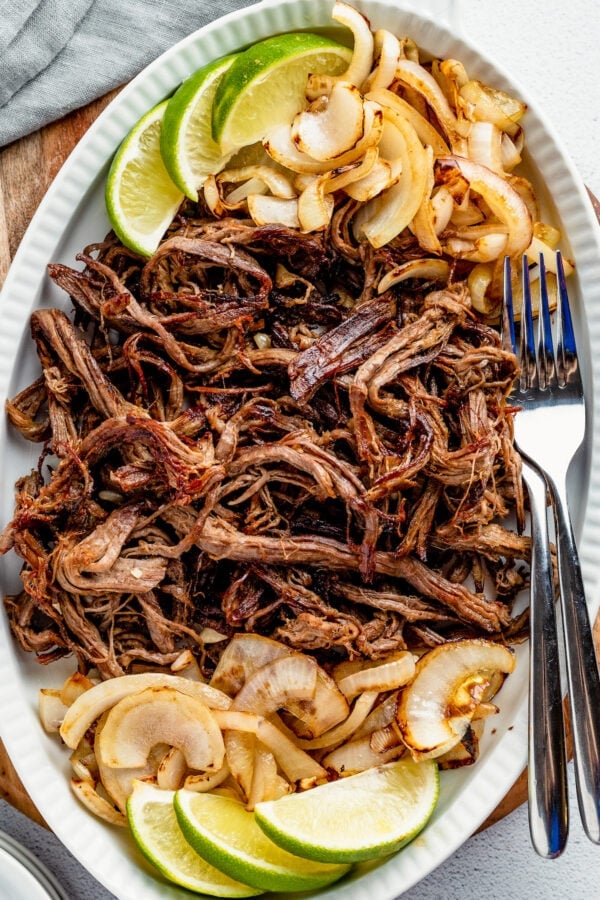
15. Vaca Frita
Vaca frita means “fried cow” in Spanish. This classic Cuban dish transforms simple flank steak into crispy, shredded beef.
Start by boiling the beef until tender. Shred it and marinate it with lime, garlic, and Cuban spices.
Pan-fry the shredded meat until crispy. This creates a perfect mix of crispy outside and juicy inside.
Serve vaca frita with rice, black beans, and fried plantains for an authentic Cuban meal.

16. Cuban-Style Fried Plantains
Cuban-style fried plantains, called platanos maduros, use very ripe plantains. You want plantains that are almost black and soft to touch.
Slice the sweet plantains and fry them in oil until golden. The outside becomes crispy while the inside stays tender and sweet.
Make maduros in under 15 minutes. They work as a side dish for most Cuban meals.
The plantains caramelize as they cook, creating a perfect balance of sweet and savory flavors.

17. Sweet Plantain Maduros
You need very ripe plantains with black skin for the best maduros. The darker the skin, the sweeter your plantains will be.
Cut your plantains into thick slices. Heat oil in a pan over medium heat.
Fry the plantain slices for 2-3 minutes on each side. They should turn golden brown and caramelize.
Maduros make a perfect side dish for any Cuban meal. Serve them with rice, beans, or meat dishes for a sweet and savory combination.

18. Cuban Potato Salad
Cuban potato salad brings tropical flavors to this classic dish. It combines tender potatoes with green olives and pimientos.
Use simple ingredients like red potatoes, onions, and green peppers. Many recipes include cream cheese or mayonnaise for creaminess.
Fresh herbs and scallions add bright flavor. Some versions include bacon for extra taste.
Let the salad chill overnight for the best flavor. Serve it at room temperature so the flavors shine through.

19. Cuban Bread
Cuban bread, or pan Cubano, is a staple of Cuban cuisine. This white bread has a crispy crust and soft interior.
Make it at home using simple ingredients like flour, water, yeast, and lard. The bread works perfectly for Cuban sandwiches or toast.
Let the dough rise twice for the best texture. Cuban bread contains wheat flour, so it’s not suitable if you have gluten intolerance.

20. Cuban Churros
Cuban churros are fried dough pastries rolled in sugar. They’re crispy outside and light inside.
Mix one cup flour with one cup water and salt. Heat vegetable oil for frying.
Fry the dough until golden brown. Roll hot churros in granulated or powdered sugar right away.
These treats taste great with hot chocolate for dipping. They’re popular Cuban street food that you can enjoy anytime.

21. Cuban Rice Pudding (Arroz con Leche)
This creamy Cuban dessert is richer and sweeter than regular rice pudding. The recipe uses sweetened condensed milk, evaporated milk, and whole milk for extra richness.
Cinnamon and lemon zest add the perfect flavor balance. Cook the rice until it reaches a creamy consistency, then stir in the milk mixture.
This traditional Cuban treat takes about 20 minutes of constant stirring. Serve it warm for the best taste and texture.
Essential Ingredients in Cuban Cooking
Cuban cooking relies on simple yet flavorful ingredients that create bold tastes. The key elements include aromatic spices like cumin and oregano, fresh citrus fruits, affordable proteins, and signature sauces that bring dishes together.
Staple Spices and Seasonings
Cumin forms the backbone of Cuban seasoning. You’ll find this earthy spice in nearly every savory dish.
Oregano adds a Mediterranean touch that came from Spanish influence. Use dried oregano for the most authentic flavor.
Garlic appears in almost every Cuban recipe. Fresh garlic cloves work best, though garlic powder serves as a backup.
Bay leaves provide depth to slow-cooked dishes like ropa vieja and black beans. Remove them before serving.
Salt and black pepper season everything. Cuban cooks use these basics generously.
Sour orange juice (naranja agria) marinates meats and adds tang. Mix regular orange juice with lime juice if you can’t find sour oranges.
Paprika gives color and mild flavor to rice dishes and marinades.
Fresh Produce and Proteins
Long-grain white rice serves as the foundation for most meals. Cook it with spices and broth for extra flavor.
Black beans appear in almost every Cuban meal. Dried beans taste better than canned, but both work.
Plantains come in two forms. Green plantains get fried for savory dishes, while sweet yellow plantains become dessert-like sides.
Yuca (cassava root) replaces potatoes in many dishes. Boil it until tender and serve with mojo sauce.
Pork dominates Cuban protein choices. Pork shoulder, ham, and chorizo appear frequently.
Chicken offers a lighter option. Whole chickens or thighs work best for traditional recipes.
Bell peppers and onions form the base for many sauces and stews.
Traditional Base Sauces
Sofrito combines sautéed onions, garlic, and bell peppers. This base starts most Cuban dishes and adds deep flavor.
Mojo mixes garlic, sour orange juice, and olive oil. Use this tangy sauce on yuca, pork, and vegetables.
Adobo creates a dry rub or wet marinade using garlic, oregano, cumin, and citrus. This seasoning blend works on all meats.
Cooking Techniques and Tips for Authentic Flavor
Cuban cuisine relies on slow cooking methods, bold marinades, and a careful balance of sweet and savory flavors. These techniques transform simple ingredients into rich, flavorful dishes that define authentic Cuban cooking.
Sautéing and Slow Cooking
Cuban cooking starts with a sofrito base made from sautéed onions, garlic, and bell peppers. Cook these ingredients in olive oil over medium heat until soft and fragrant, about 8-10 minutes.
This aromatic base appears in most Cuban dishes. Use it for rice, beans, and meat dishes.
Slow cooking is essential for tender Cuban meats. Cook ropa vieja for 2-3 hours until the beef shreds easily with a fork.
Lechón asado needs 4-6 hours of slow roasting. Low heat breaks down tough fibers in meat and creates the tender texture Cuban food is known for.
Use a heavy pot or Dutch oven for even heat distribution. Cover the pot to trap moisture and prevent drying out.
Marinating for Depth of Taste
Mojo marinade is the heart of Cuban flavor. Mix fresh orange juice, lime juice, minced garlic, cumin, oregano, and salt.
Marinate pork shoulder for at least 4 hours or overnight. Chicken needs 2-4 hours minimum.
Beef benefits from 6-8 hours of marinating. The acid in citrus juices tenderizes meat while spices penetrate deep into the protein.
Fresh garlic gives the strongest flavor compared to garlic powder. Adobo seasoning works well for quick marinades.
Combine garlic powder, oregano, cumin, black pepper, and salt for adobo. Pierce meat with a fork before marinating to help flavors soak in better.
Turn meat every few hours for even coverage.
Balancing Sweet and Savory Elements
Cuban dishes blend sweet and salty flavors in careful balance. Black beans get sweetness from bell peppers and bay leaves.
Add a pinch of sugar if needed. Plantains provide natural sweetness to savory meals.
Cook ripe plantains until golden for maduros. Fry green plantains twice for crispy tostones.
Use sofrito as your flavor base, then add sweet elements gradually. Taste as you cook and adjust seasoning.
Cuban bread has a slightly sweet dough that pairs well with salty ham and pickles in sandwiches. The contrast creates authentic Cuban flavor.
Finish rice dishes with a small amount of sugar or honey. This subtle sweetness balances the garlic and cumin.
Frequently Asked Questions
Cuban cooking involves specific ingredients, techniques, and cultural traditions that create its distinctive flavor profile. Understanding these elements helps home cooks master dishes like ropa vieja, cubano sandwiches, and mojo pork.
What are the essential dishes to try for an authentic Cuban culinary experience?
You should start with ropa vieja, which features tender shredded beef in tomato-based sofrito sauce. This dish represents the heart of Cuban comfort food.
The classic Cuban sandwich combines roast pork, ham, Swiss cheese, pickles, and mustard on Cuban bread. Press it until crispy for the perfect blend of flavors.
Mojo marinated pork showcases Cuba’s signature citrus and garlic marinade. The pork becomes incredibly tender and flavorful.
Arroz con pollo brings together rice and chicken in a saffron-scented dish. It’s a staple that appears on Cuban tables regularly.
Picadillo offers a savory ground beef hash with olives and raisins. Use it as a main course or filling for other recipes.
Can you provide tips for achieving the traditional flavors in Cuban cooking?
You need to master sofrito, the base sauce made from onions, garlic, and bell peppers. Cook these vegetables slowly until they’re soft and fragrant.
Use sour orange juice when possible, or substitute with equal parts orange and lime juice. This citrus combination creates the authentic Cuban taste.
Season your meats generously and allow them to marinate for several hours. Cuban flavors develop over time rather than from quick cooking.
Cook your dishes low and slow whenever possible. Cuban meats should fall apart easily when properly prepared.
Which ingredients are staples in a Cuban kitchen?
Your pantry should include cumin, oregano, and bay leaves as the primary spices. These create the foundation of Cuban seasoning without heat.
Keep sour oranges or regular oranges and limes on hand for mojo marinades. Fresh garlic is essential for almost every Cuban dish.
Stock black beans, white rice, and plantains as your base ingredients. These appear in countless Cuban recipes.
You’ll need pork shoulder, beef chuck roast, and chicken for the most popular Cuban meat dishes. These cuts work best with slow cooking methods.
How does Cuban cuisine reflect the island’s history and cultural influences?
Cuban cooking blends Spanish, African, and Caribbean traditions into one unique style. Each culture contributed specific ingredients and techniques.
Spanish colonizers brought rice, pork, and olive oil to the island. These ingredients became central to Cuban cooking.
African influences appear in the use of root vegetables and slow-cooking methods. The technique of simmering meats until tender comes from this tradition.
Caribbean elements include tropical fruits, plantains, and bold flavor combinations. These additions make Cuban food distinct from other Latin cuisines.
Are there any Cuban dishes that can be adapted for vegetarian or vegan diets?
You can make black beans and rice (moros y cristianos) completely plant-based. Use vegetable broth instead of meat stock for the same rich flavor.
Plantain dishes like maduros work perfectly for vegetarian meals. These sweet fried plantains complement many Cuban flavors.
Yuca with mojo sauce provides a satisfying vegetarian option. The garlic and citrus sauce adds plenty of flavor to the mild root vegetable.
Cuban bread and many rice dishes can easily become vegan with simple substitutions. Replace lard with olive oil for authentic taste.
What are some common techniques used in preparing classic Cuban meals?
Start with a proper sofrito base for stews and rice dishes. This flavor foundation takes time and creates authentic taste.
Marinate your meats in mojo for several hours or overnight. The citrus and garlic penetrate the meat and tenderize it.
Braise tough cuts like beef chuck and pork shoulder. Cover the meat with liquid and cook slowly until fork-tender.
Press your Cuban sandwiches with weight or a panini press. This method creates the signature crispy exterior that defines a proper cubano.